Malawi's Wildlife Renaissance: African Parks Revives Majete, Liwonde, and Nkhotakota
Malawi is undergoing a remarkable wildlife renaissance. Renowned as the 'Warm Heart of Africa' for its welcoming spirit and vast Lake Malawi, the nation is fast becoming a premier safari destination. Through the expertise of conservation leader African Parks, three once-devastated reserves—Majete, Liwonde, and Nkhotakota—ravaged by poaching and poverty, have been transformed into vibrant ecosystems teeming with life.
African Parks: Rebuilding Africa's Wild Spaces
Founded in 2000, African Parks partners with governments to manage reserves for 25 years, fostering ecological, social, and financial sustainability. Today, this South African nonprofit oversees 15 parks across nine countries: four in Malawi, three in Chad, two in Zambia, and one each in Benin, Central African Republic, Congo, Democratic Republic of Congo, Mozambique, and Rwanda. Protecting over 100,000 sq km—spanning seven of Africa's 11 biomes—it is the continent's largest and most diverse conservation area managed by a single NGO. Aiming for 20 parks by 2020, African Parks has delivered extraordinary results.
In Zambia's Liuwa Plain National Park, wildebeest numbers have tripled to over 47,000, fueling Africa's second-largest migration. Lions, once down to a single female due to poaching, now form a pride of 10, including two cubs. Cheetahs and spotted hyenas are also flourishing. In Bangweulu Wetlands, the rare shoebill stork is protected. Rwanda's Akagera National Park, depleted after the genocide, has seen thousands of animals reintroduced, including 18 black rhinos in 2017, achieving Big Five status and 75% tourism self-sufficiency.
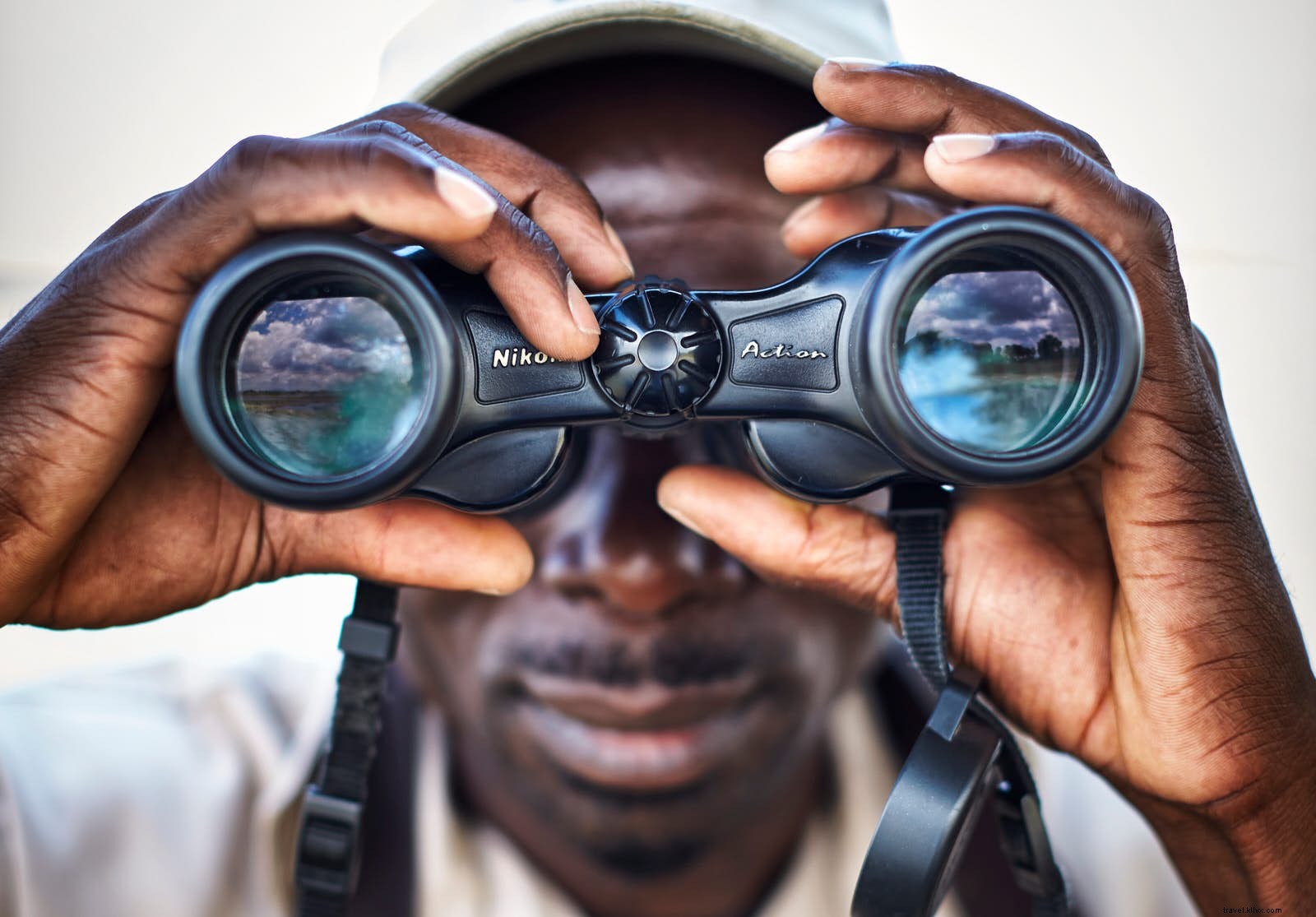
Challenges persist, especially in volatile regions like DRC's Garamba National Park, where rangers combat poaching by criminal gangs and the Lord's Resistance Army, sometimes at great personal cost. Chad's Zakouma lost 4,000 elephants from 2002-2010, but African Parks' 1,000-strong ranger force—the largest counter-poaching unit in Africa—has stabilized these frontiers.
African Parks' inaugural project, Malawi's Majete Wildlife Reserve in 2003, now stands as its flagship success.
Majete Wildlife Reserve: A Conservation Exemplar
By 1992, rampant poaching in impoverished Malawi had emptied Majete of elephants, leaving only crocodiles, hippos, and scattered antelope. African Parks invested US$3 million to relocate 2,500 animals, including the Big Five and, most recently, four cheetahs in July, turning it into a thriving sanctuary with over 12,000 animals and 300 bird species amid rolling hills, woodlands, and the Shire River.
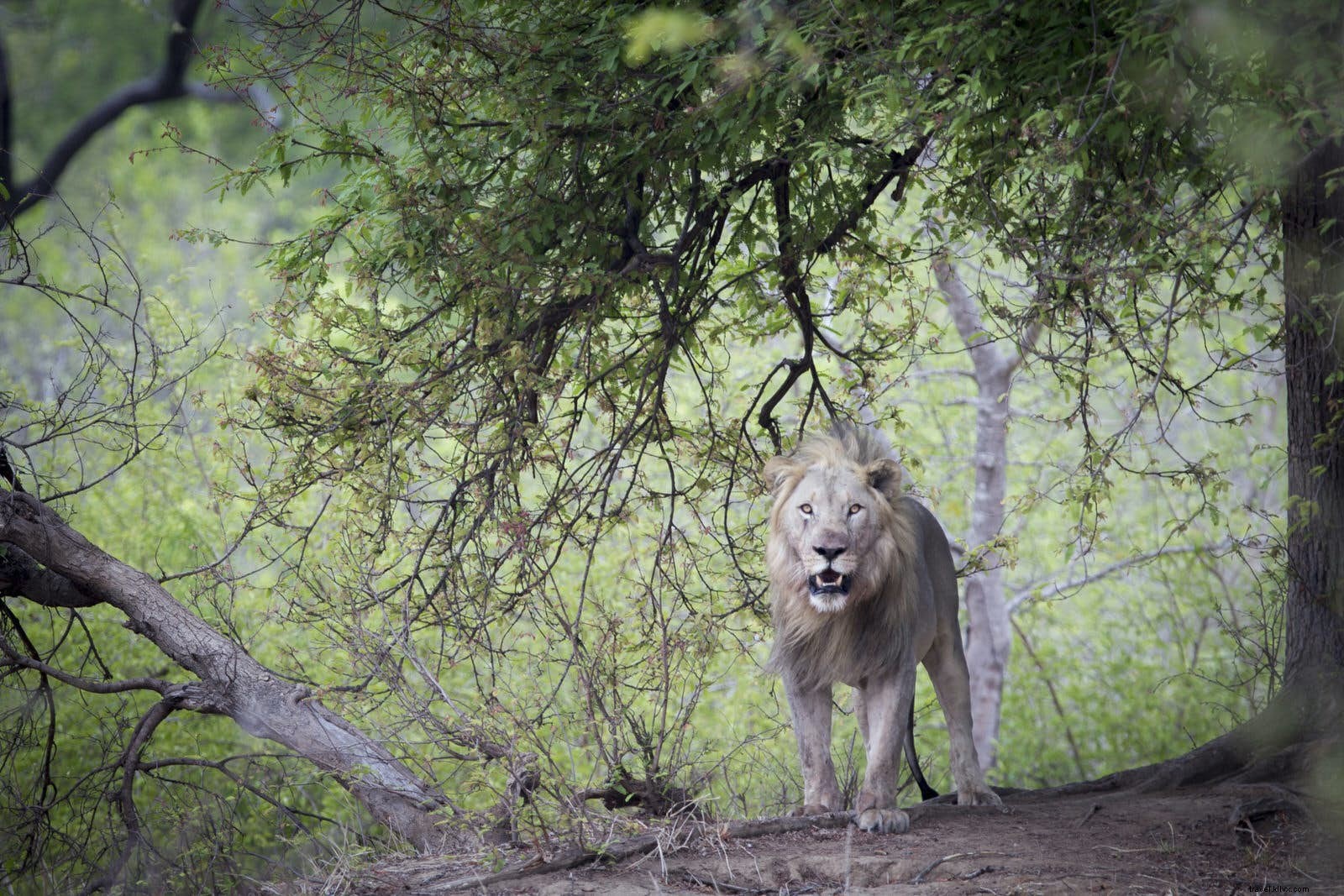
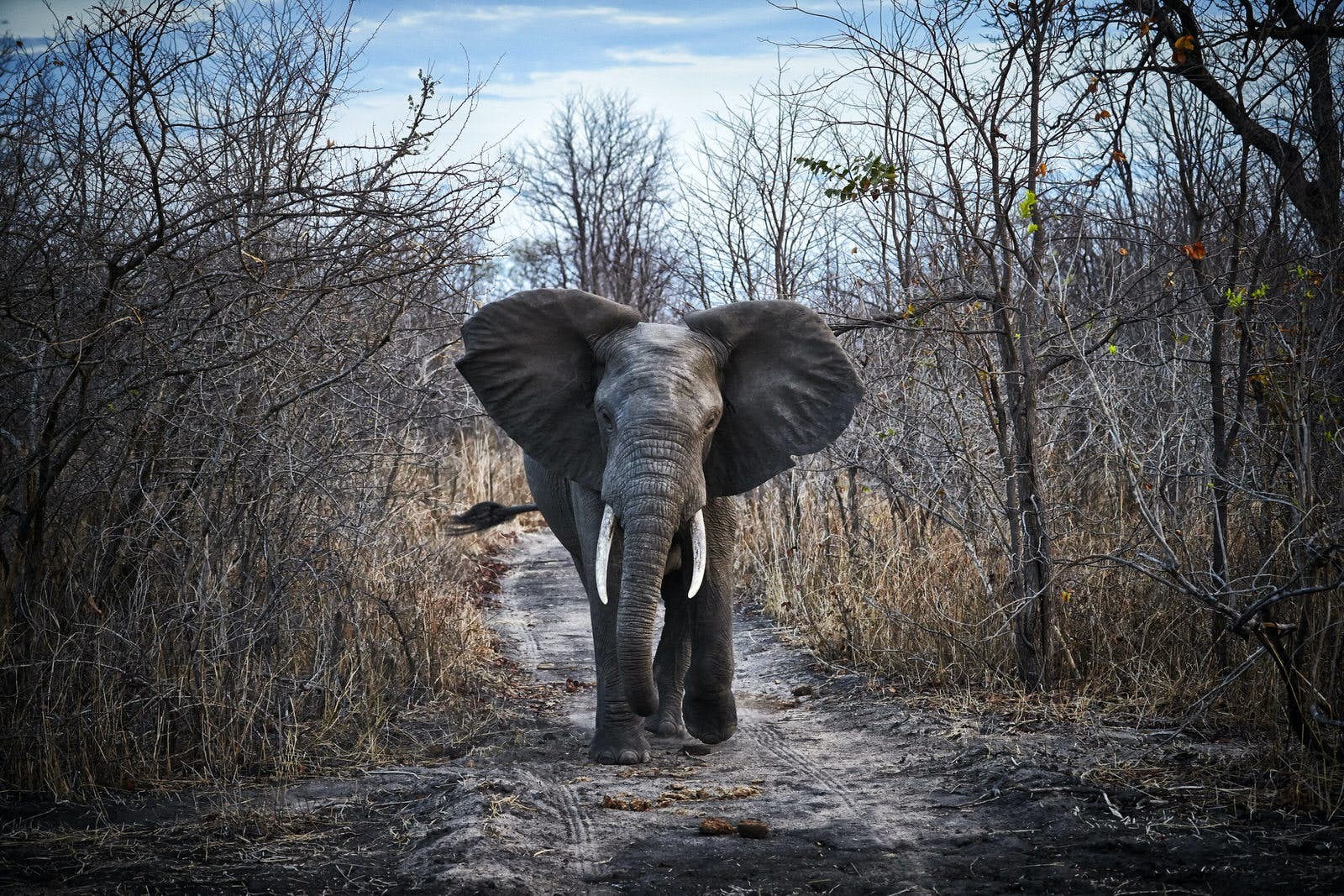
Spot buffalo wallowing, eland resting, or nyala antelope on game drives and walks. Boat safaris reveal elephants along riverbanks. With breeding success, 150 elephants were translocated 600 km to Nkhotakota during the landmark 500-elephant project led by African Parks President Prince Harry.
Community benefits include education, healthcare, and enterprises like Majete's visitor center. Lodging options: Sunbird Thawale Camp's tented chalets by a floodlit waterhole; Mkulumadzi Lodge's luxurious riverside chalets with private decks (opened 2011 for €1.3 million).
Liwonde National Park: Rhinos, Elephants, and the Shire River
Building on Majete, African Parks assumed Liwonde management in 2015. Its mopane woodlands, fever trees, baobabs, and candelabra euphorbias frame the majestic Shire River cutting through floodplains.
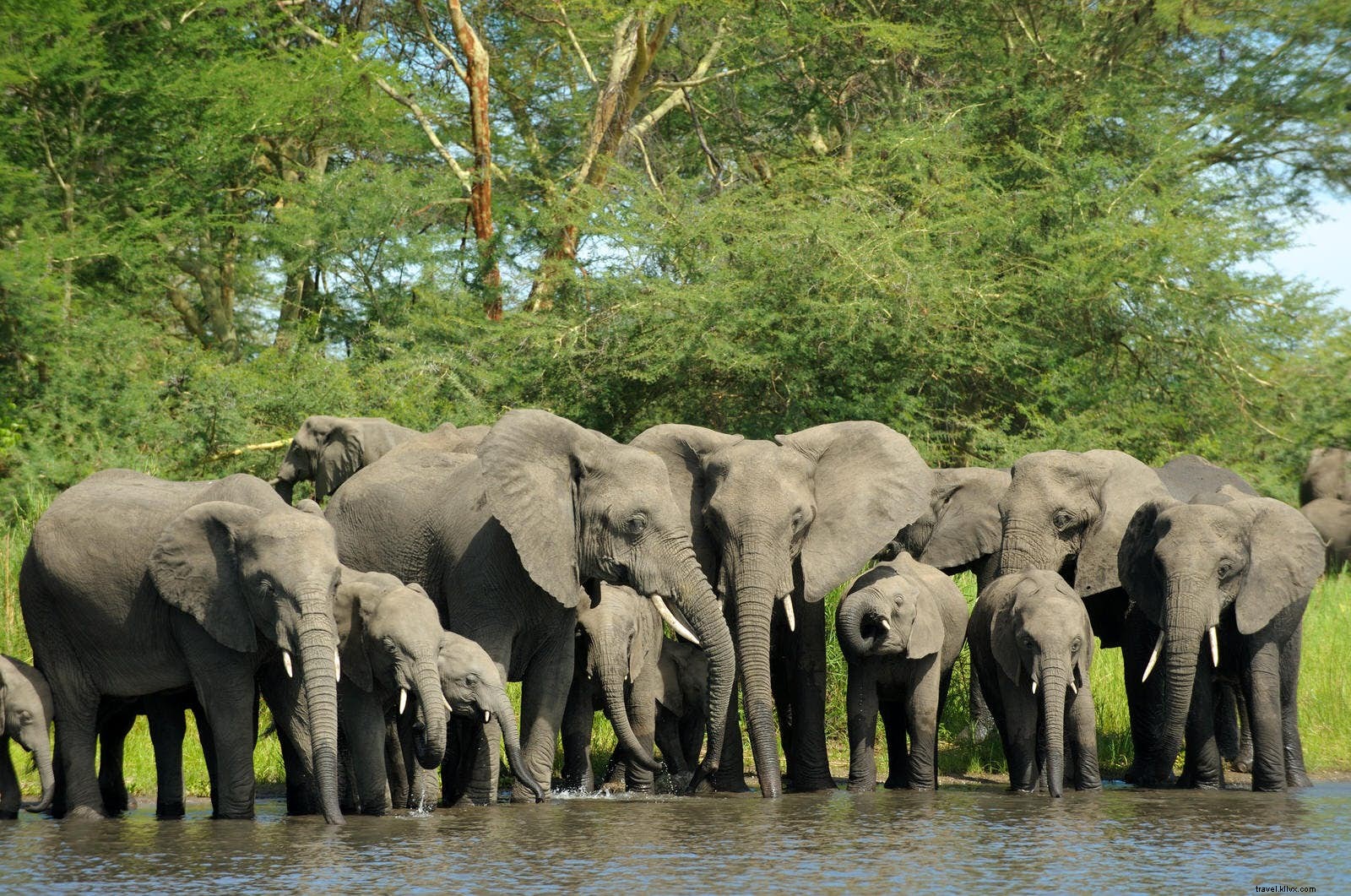
Boat and canoe safaris showcase hippos, crocs, drinking elephants, grazing waterbuck, impala, plus reintroduced cheetahs (first in Malawi in 20 years; now doubled with eight cubs) and lions. Birdlife dazzles: malachite kingfishers to African skimmers.
The sanctuary houses buffalo, zebra, antelope, and black rhinos—trackable with researchers. Amid human-wildlife conflicts near 584 sq km of park, African Parks installed 117 km of fencing, cleared 36,000 snares, and relocated 350 elephants to Nkhotakota. Mvuu Lodge offers village visits.
Nkhotakota Wildlife Reserve: Emerging Star
Nkhotakota, managed since 2015 after neglect, collaborates with communities via anti-poaching, beekeeping, and farming. A 190-sq-km sanctuary holds 500 translocated elephants and 2,000 others (sable, waterbuck, kudu, impala).
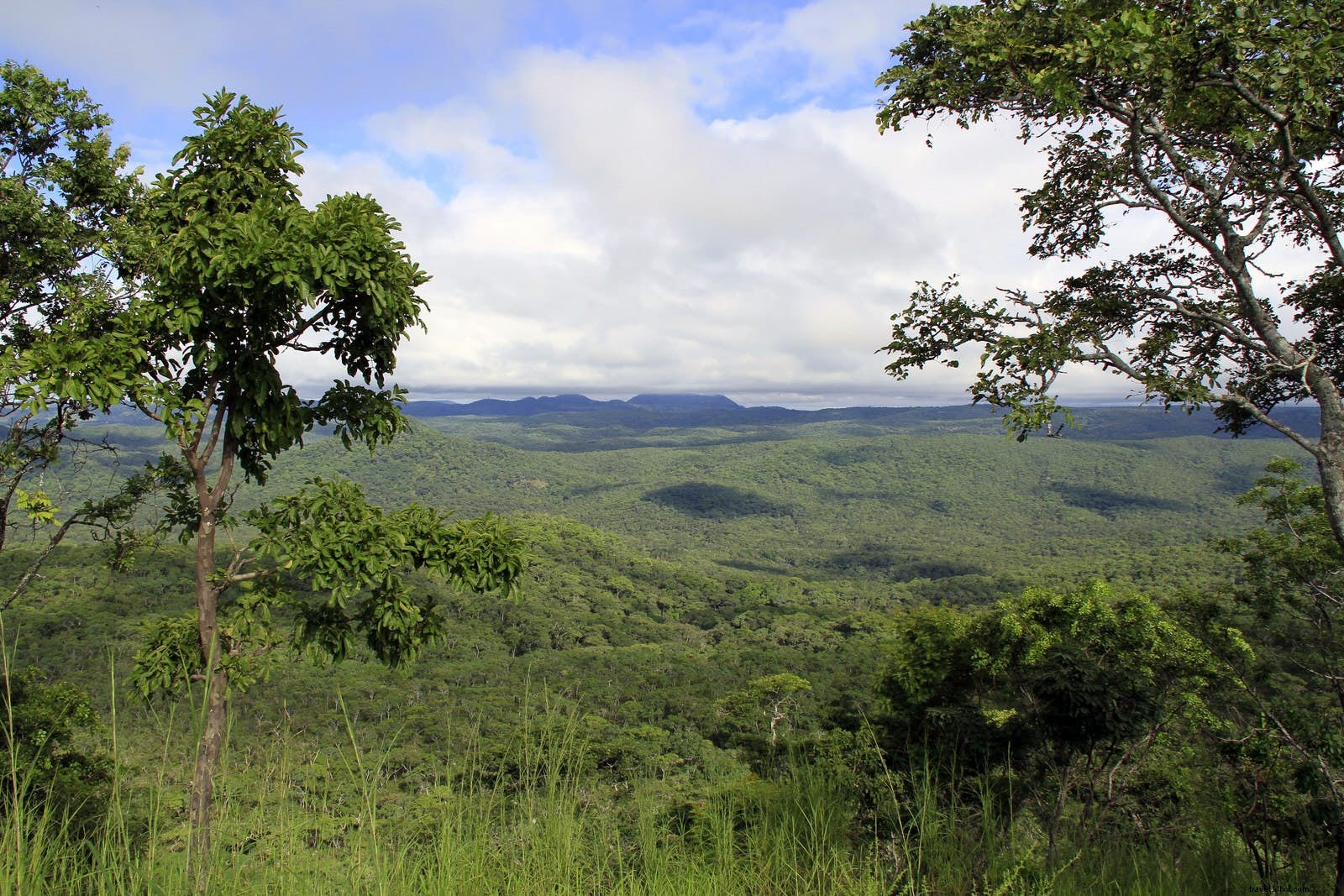
Tongole Wilderness Lodge overlooks the Bua River, employing 30+ locals via its foundation. Bua River Lodge offers island tents. Rugged miombo forests suit canoeing, hiking—even Chipata peak with panoramic views.
Once overlooked, Nkhotakota now shines as African Parks elevates Malawi's wildlife heritage.