Nebraska Stargazing Guide: Top State Parks for Dark Sky Adventures
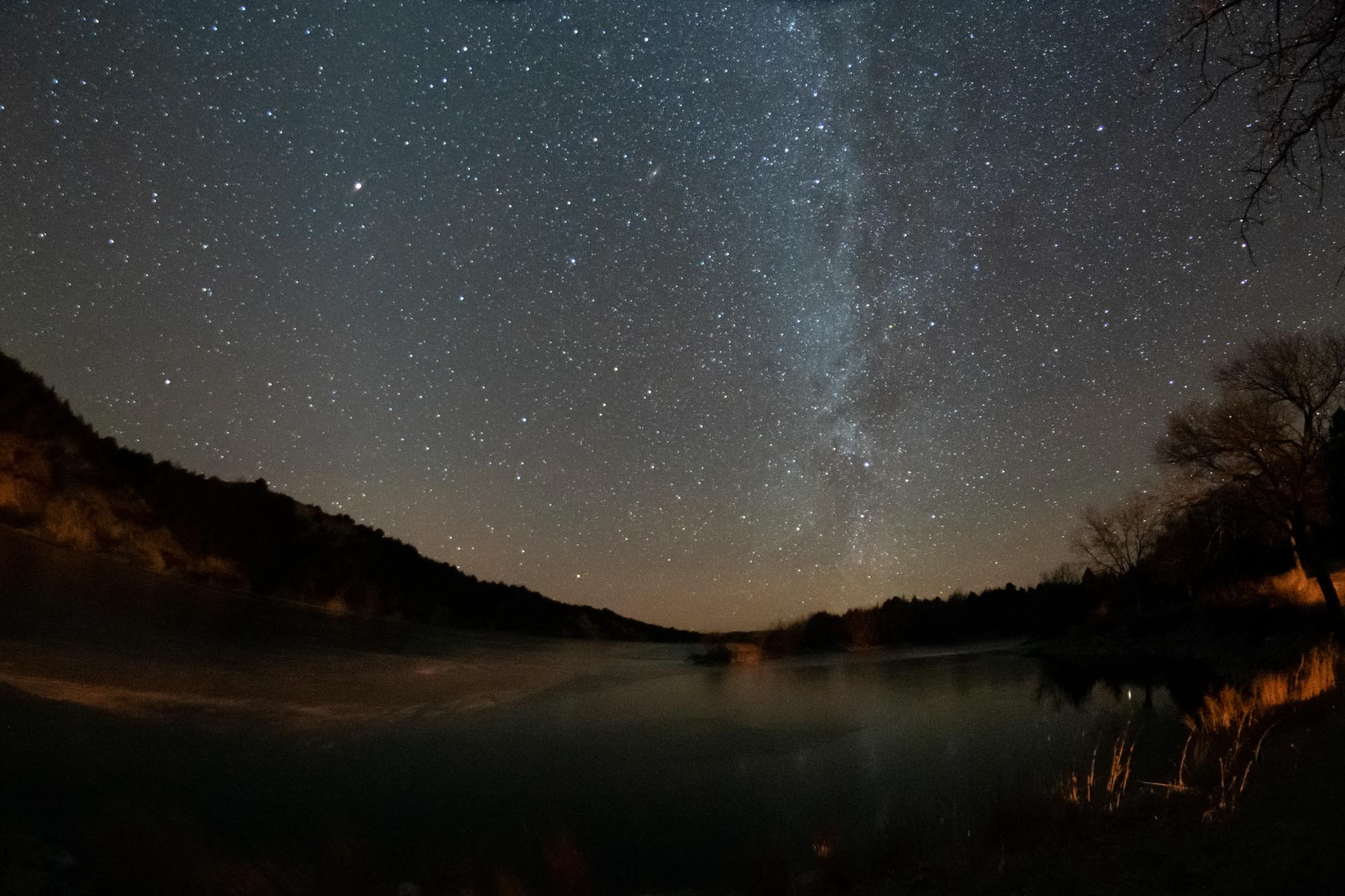
Nebraska’s expansive horizons and low light pollution make it a hidden gem for night sky enthusiasts. Whether you’re a seasoned astronomer or a casual observer, this guide highlights the state’s best parks and offers practical tips to maximize your celestial experience.
- Northwest: Box Butte Reservoir State Recreation Area near Hemingford
- Southwest: Rock Creek Lake State Recreation Area near Enders
- Sandhills: Calamus Reservoir State Recreation Area in Burwell or Merritt Reservoir State Recreation Area near Valentine (home of the annual Nebraska Star Party)
- South Central: Sherman Reservoir State Recreation Area in Loup City
- Northeast: Niobrara State Park in Niobrara
- Southeast: Indian Cave State Park in Shubert
- Metro: Pelican Point State Recreation Area in Tekamah (1‑hour drive north of Omaha)
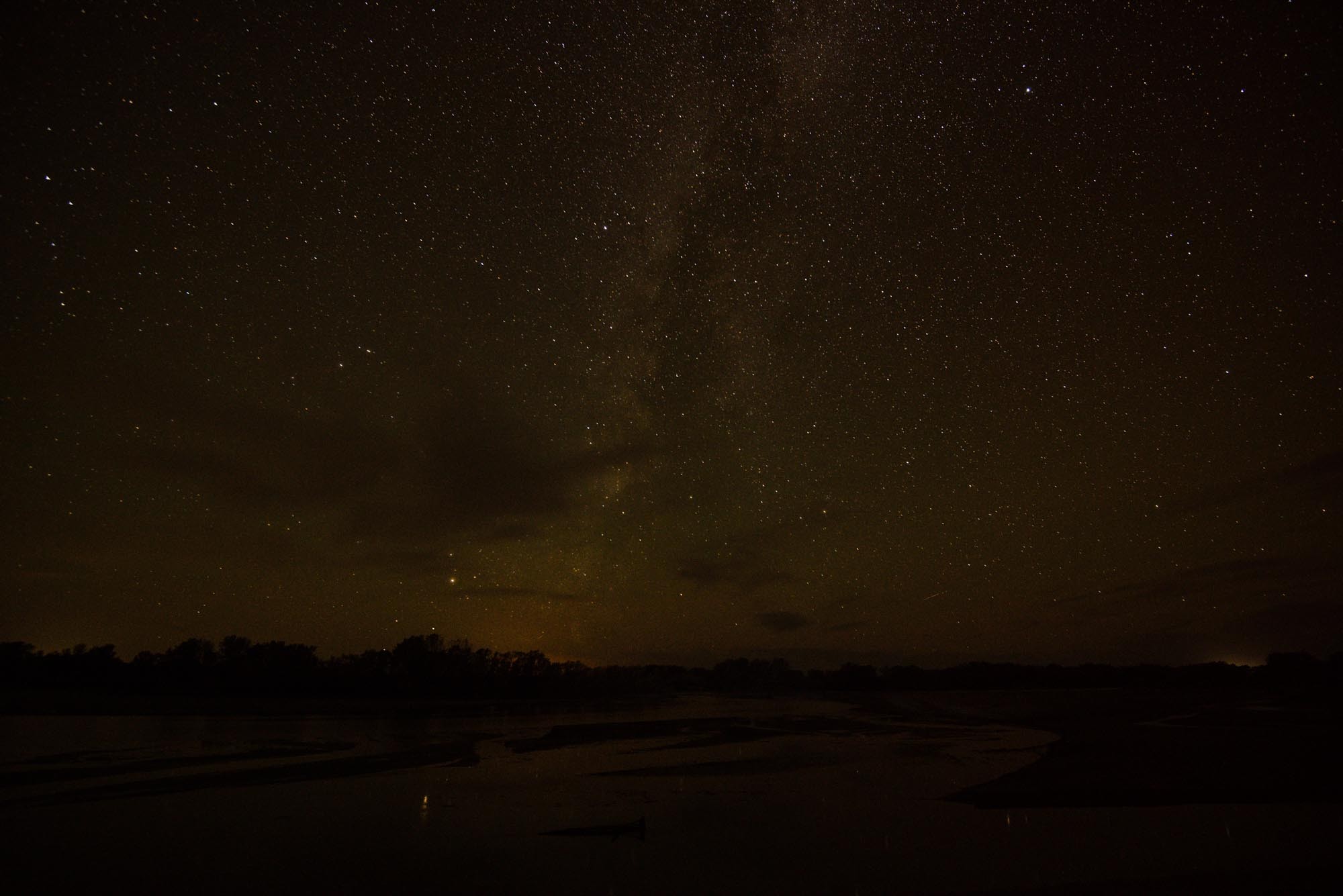
Tips for the Best Stargazing Experience
- Plan your trip around the new moon. The darkest skies and brightest stars appear near the new moon; if you can’t align exactly, aim for the week before or after. A lunar calendar will show you the dates throughout the year.
- While stargazing is possible year‑round, many astronomers prefer autumn, winter, and spring. Summer offers fewer dark hours and is more prone to cloud cover.
- Check the forecast 1–2 days before departure. Rain and cloud cover can drastically reduce visibility. Clear Sky Charts are an excellent resource for assessing astronomical conditions.
- Choose locations with minimal light pollution. Use a light pollution map to find the darkest spot near you, or refer to the regional list above.
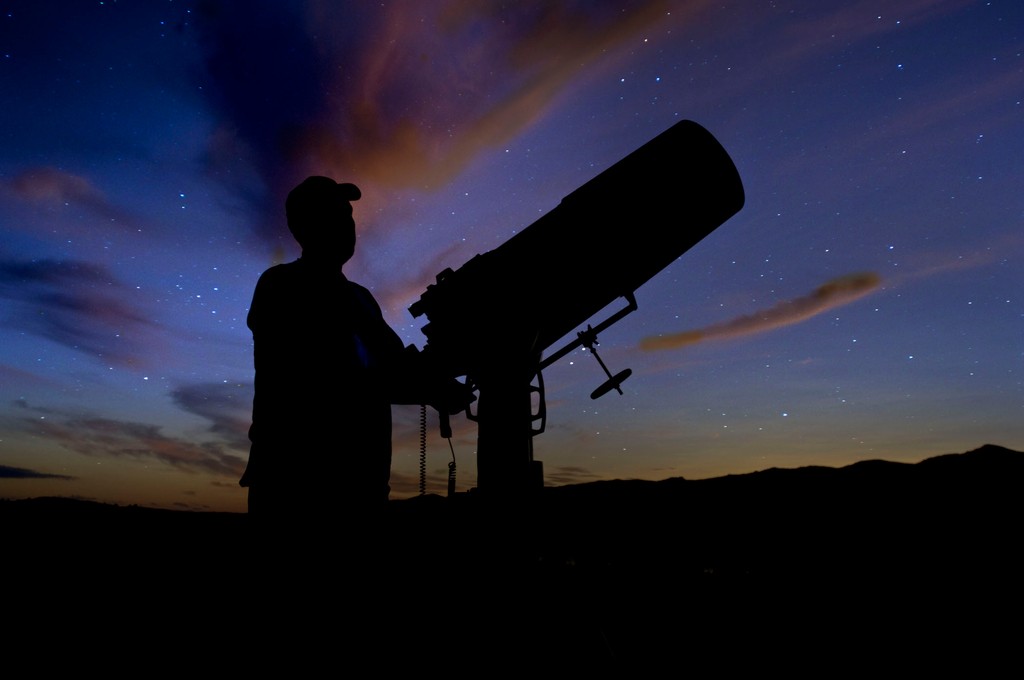
Stargazing Packing List
- Red‑light flashlight: Red or green low‑intensity light preserves night vision, allowing your eyes to readjust in 20–30 minutes instead of 20–30 minutes with white light.
- Binoculars: While the dark sky reveals many objects without aid, binoculars can bring out details of deep‑space objects and are a cost‑effective choice for beginners.
- Planisphere: An educational tool that helps beginners identify stars and constellations. Learn more here.
- Warm clothing: Even in summer, temperatures drop at night. Bring blankets for extra warmth or ground cover.
- Reclining chairs or ground pads: Portable reclining chairs or cots offer comfort for extended viewing. Ground or sleeping pads work well; consider a neck pillow for added support.
- Warm beverage: Keep warm and/or caffeinated during a long night of observing.
- Water: Stay hydrated.
Celebrate Pride Month in Nebraska: 4 Must-See Events
Explore Nebraska’s Wildflower Havens: 4 Must‑Visit State Parks