Escape to Nature: Premier Getaways Just Outside Tokyo
In partnership with Kanto Transportation Bureau (LOGO)
There’s a growing appetite for slow, deliberate, outdoor exploration fueled by responsible travel practices all over the world. In this post-pandemic era, travelers are doing more than blazing through the heart of a city — they’re investigating its outer edges. People are mixing urban and rural scenes, planning with more care, and allowing for spontaneity. Small communities are being appreciated in new ways. This new global mindset is exciting!
So where will travelers go once the world opens up again? There’s no better place to put these new traveler attributes to the test than Japan, and in particular,Tokyo. The capital city, in all its fast-paced, colorful, and wildly unique glory, is surrounded by lush river valleys, bamboo forests, sparkling lakes, piney woods, space-y volcanic seascapes, and snow-capped mountains.
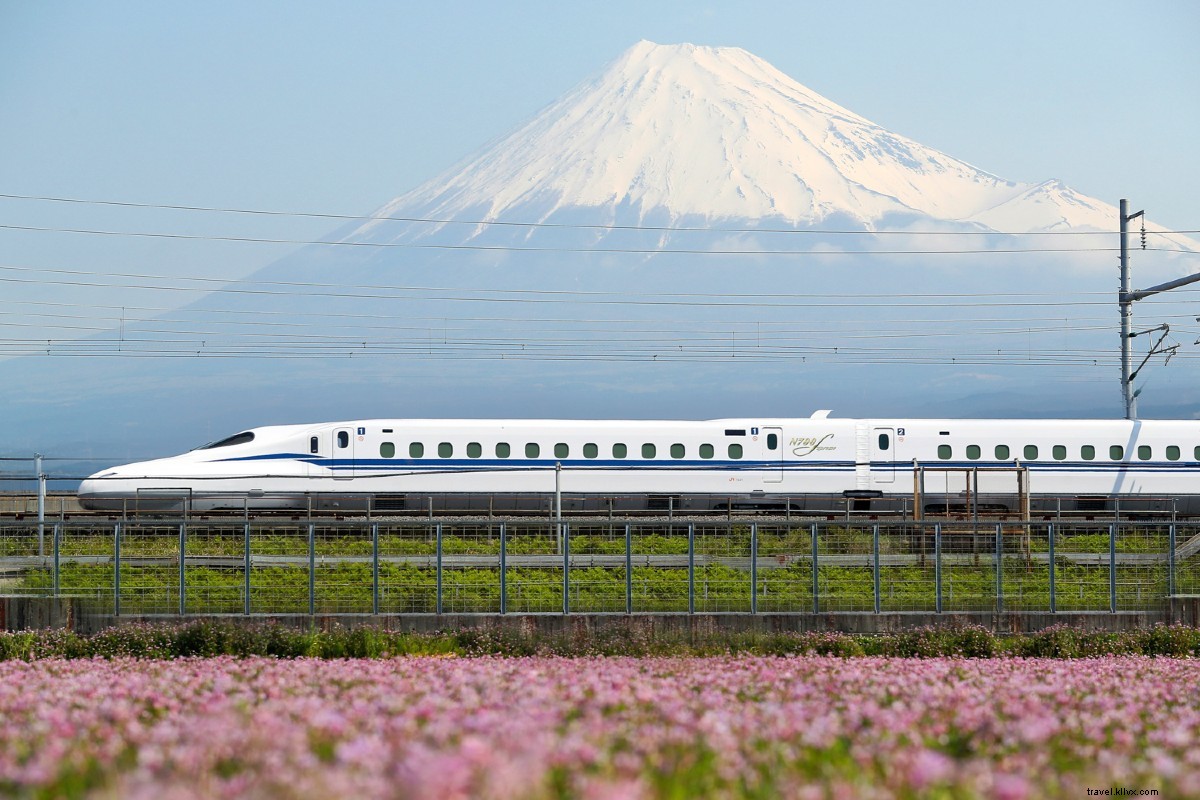
And it’s easy to reach all of it by train! Not just any train, but the most efficient, resilient, and safe train system on Earth. Foreign visitors can take advantage of ticket types that allow for ease of travel in a given region. Go ahead: Make the most of Tokyo by exploring beyond it. Here’s how.
Day 1: Tokyo → Hakone
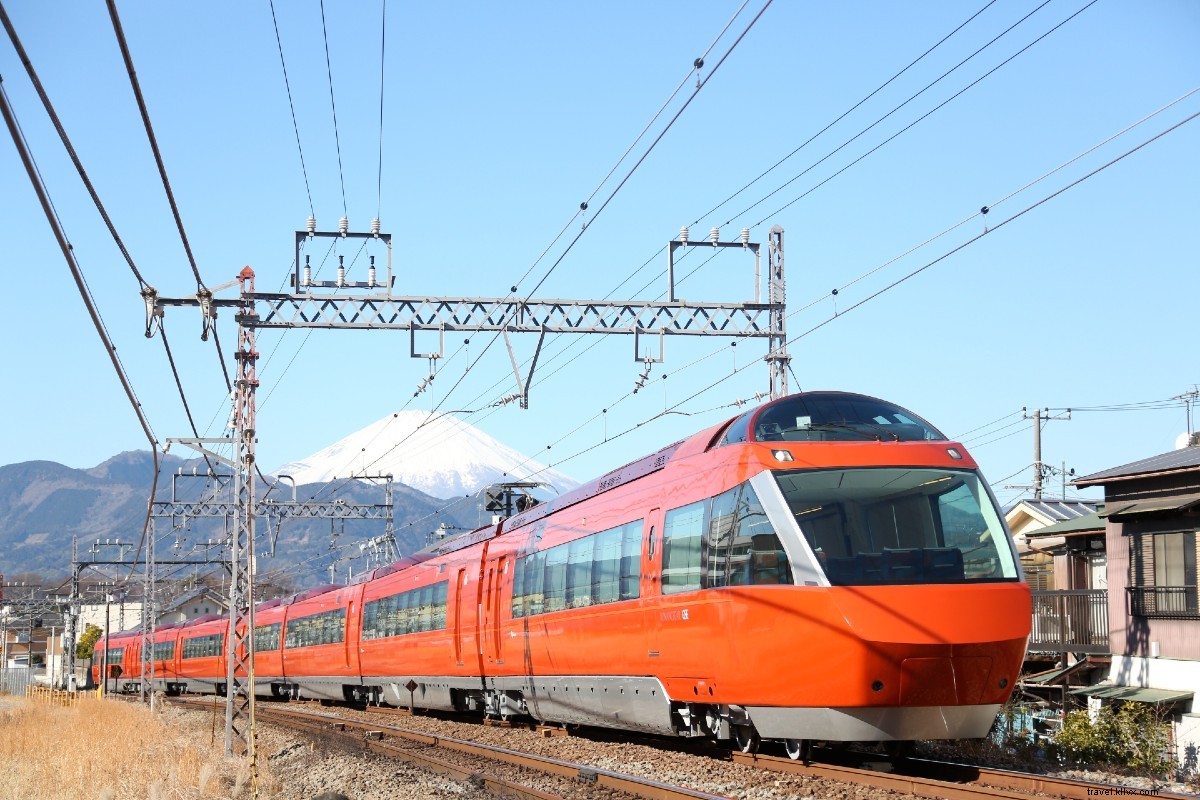
Leave from Shinjuku Station en route to Hakone after reserving a seat on the charmingly named Odakyu Romance Car. Enjoy your bento box lunch, chat with the train attendants, and dreamily stare out the window. You’ll be able to use the Fuji-Hakone Pass to travel around Hakone and Fuji-Goko.
Where to Stay
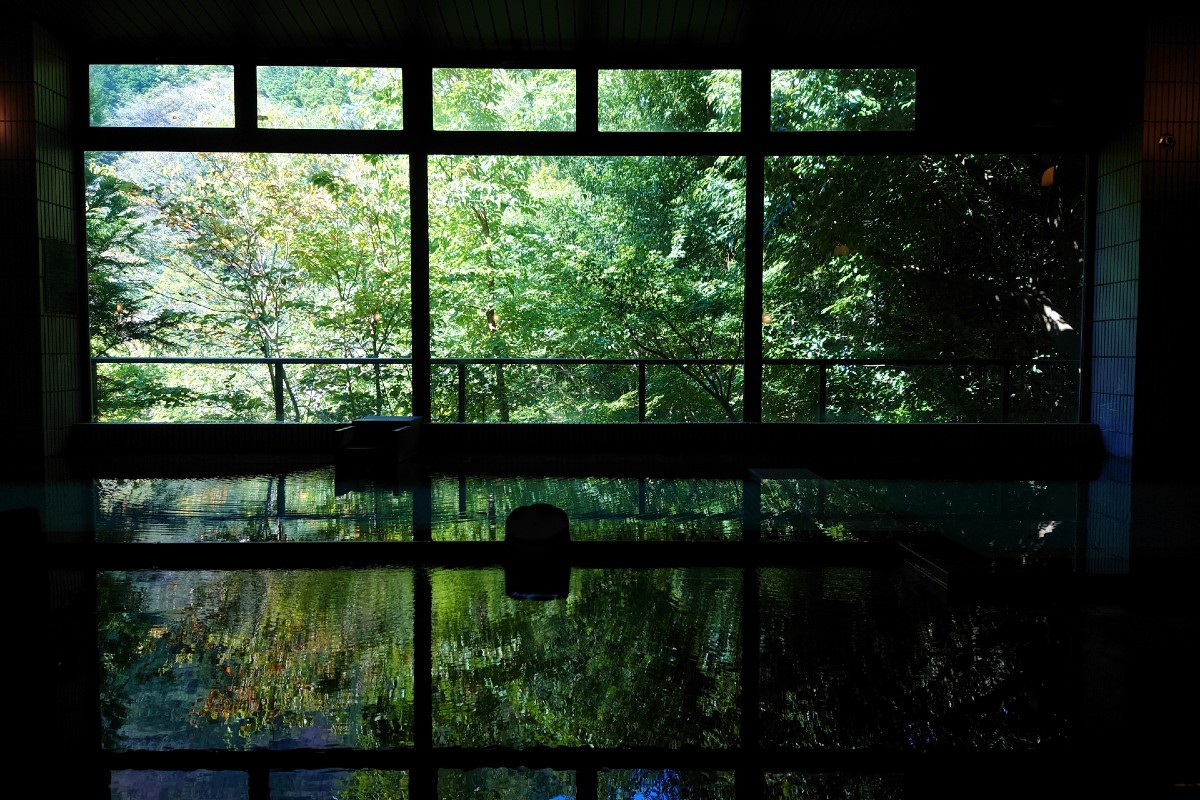
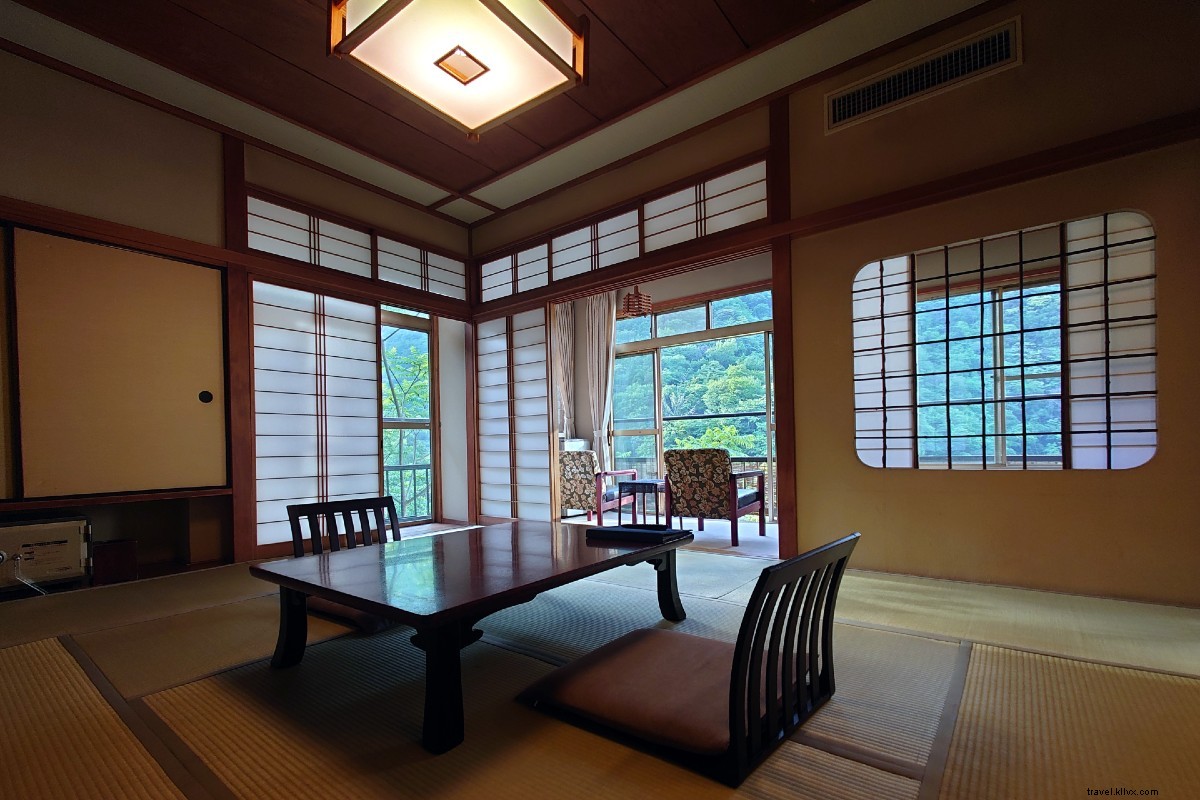
Drop your bags at Hoeiso and you can hear a murmuring river, a wild bird call, and a pin drop. This quiet, 18-room ryokan is part of a small village surrounded by mountains. Step into a tranquil room decorated in the traditional style — wood, tatami mats, and views of nature. A wild grass garden changes with the seasons, and a luxurious open-air hot spring bath is surrounded by verdant views. In-house cooking showcases pheasant, a local delicacy. Meals can be taken in the room and can also accommodate young children (a rarity!).
If you’re interested in communing with nature and people, the (still very chill) 150-room Hakone Kowakien Ten-yu offers public baths with indoor and open-air pools, three restaurants (including a soba restaurant and dishes featuring both Japanese and Western techniques), a garden, spa, and an “infinity hot spring” on the sixth floor. Ceramic hot springs baths in the guest rooms are made from Shigaraki pottery and have forest or mountain views.
What to Do
Soak up the nature of Hakone — while soaking in a bath.
Day 2:Lake Motosuko and Lake Kawaguchiko
It’s back to the Odakyu Romance Car! Take Fuji Hakone Pass to the Five Lakes region.
Where to Stay
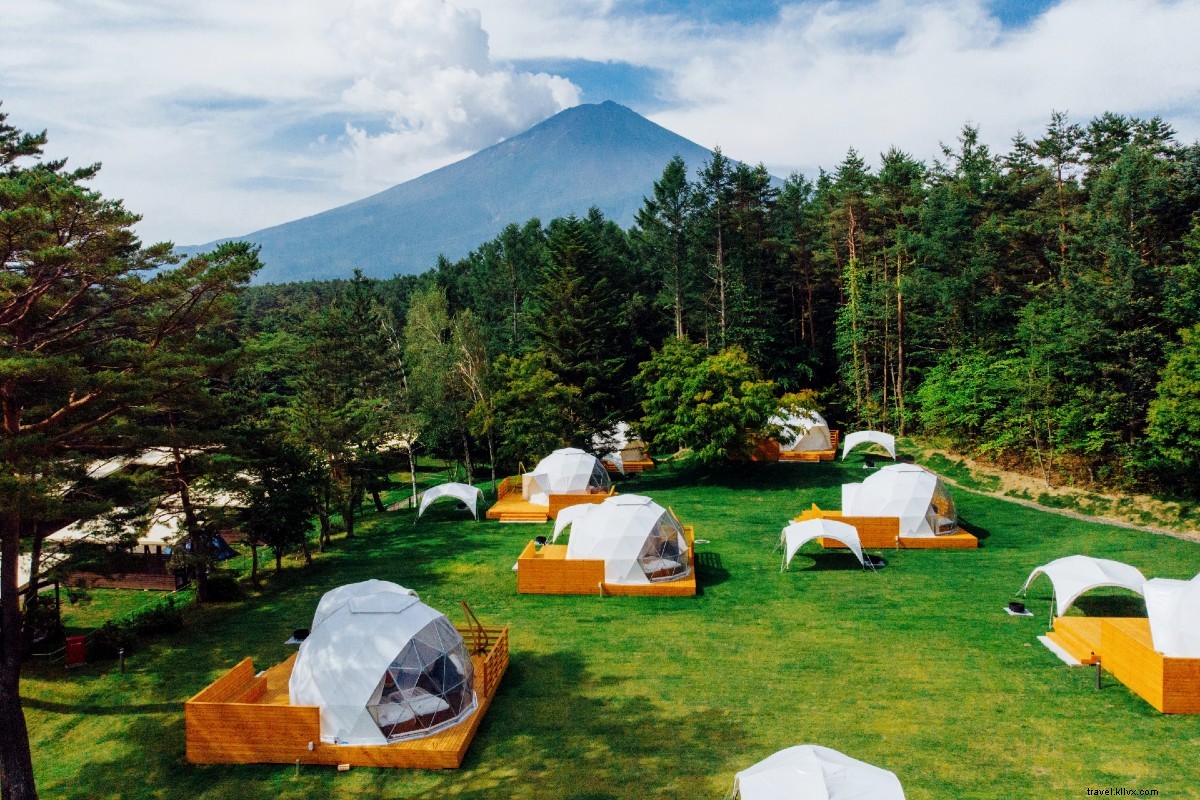
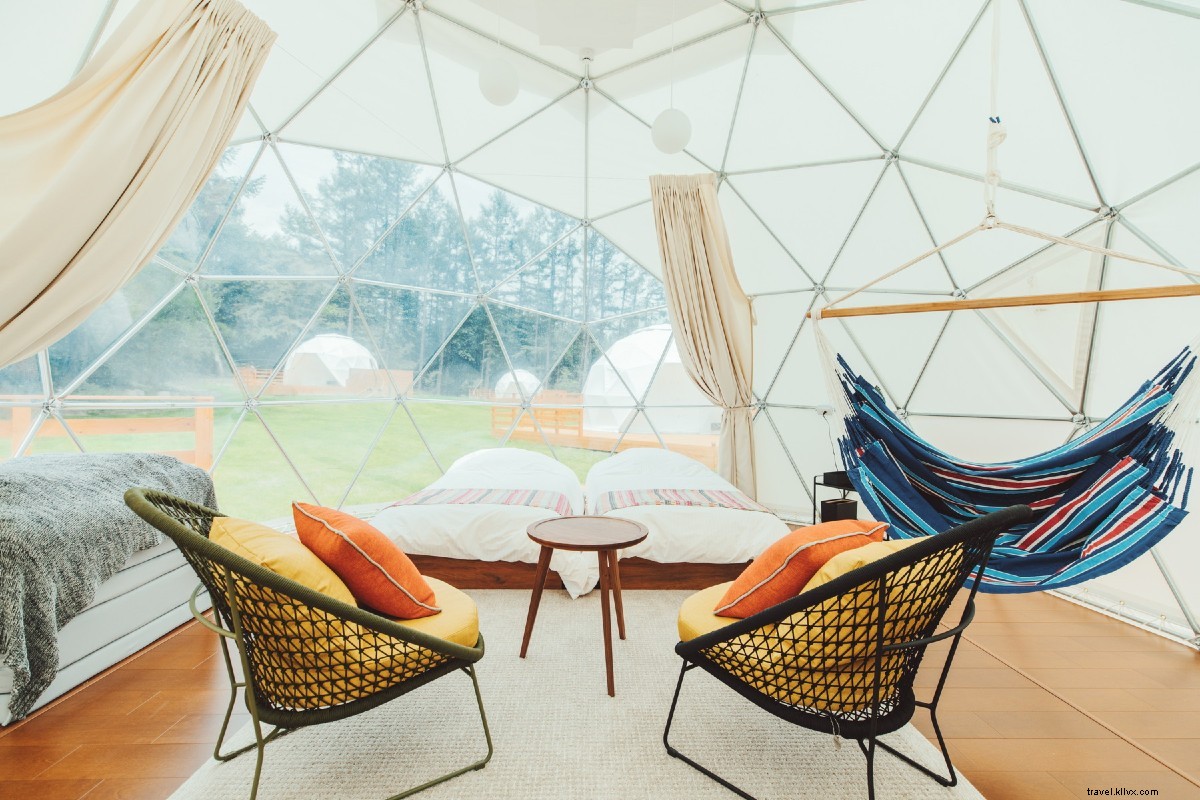
Japanese camping at PICA Fujiyama is charming and highly Instagrammable. Cute wooden cottages and geodesic tents at the foot of Mt. Fuji are close to sightseeing spots like Fujikyu Highland and Kitaguchi Hongu Fuji Sengen Shrine. Evenings are spent cooking around bonfires or relaxing in mini mobile saunas.
What to Do
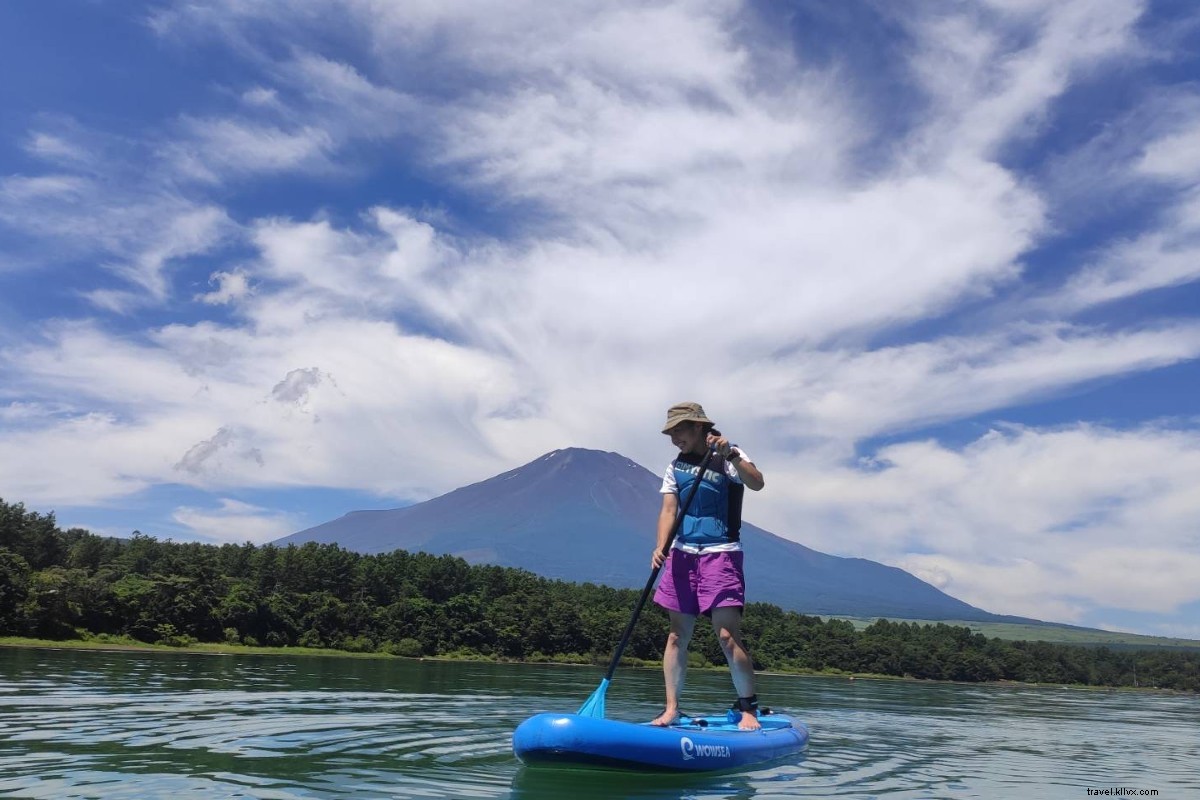
Lake Yamanaka, one of the five lakes of Fuji located at the foot of the mountain, is popular for its active offerings on the water, from fly boats to banana boats to stand-up paddle boards (a Western import, but still a lot of fun). Yamanakako Activity SUP offers boards, paddles, lifejackets, changing rooms, and showers.
DAY 3:Lake Tanuki and Nishi-Izu
Head southbound to Fujinomiya by train. Store your luggage in one of the coin-operated lockers at the train station while sightseeing at Lake Tanuki. Then pick it up and continue to Nishi-Izu.
Where to Stay
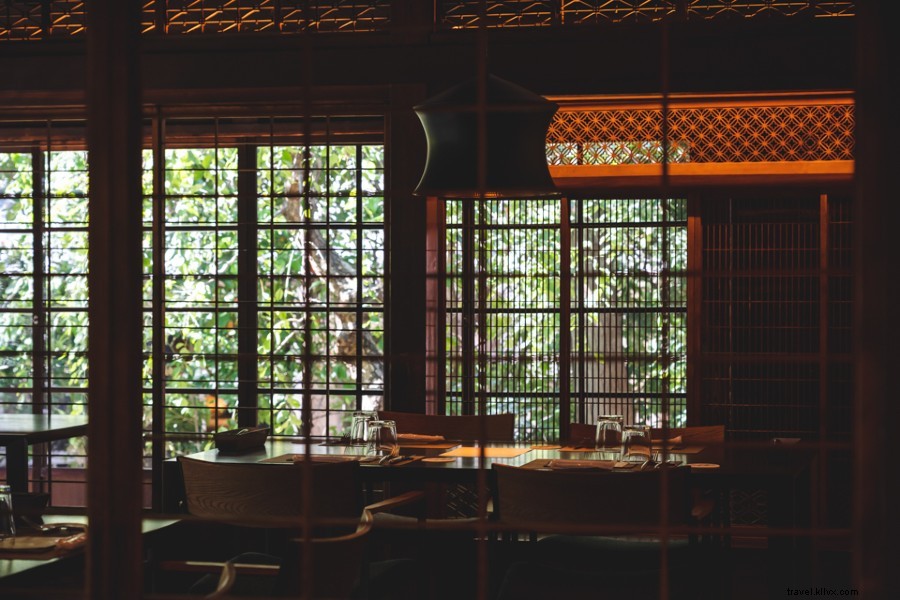
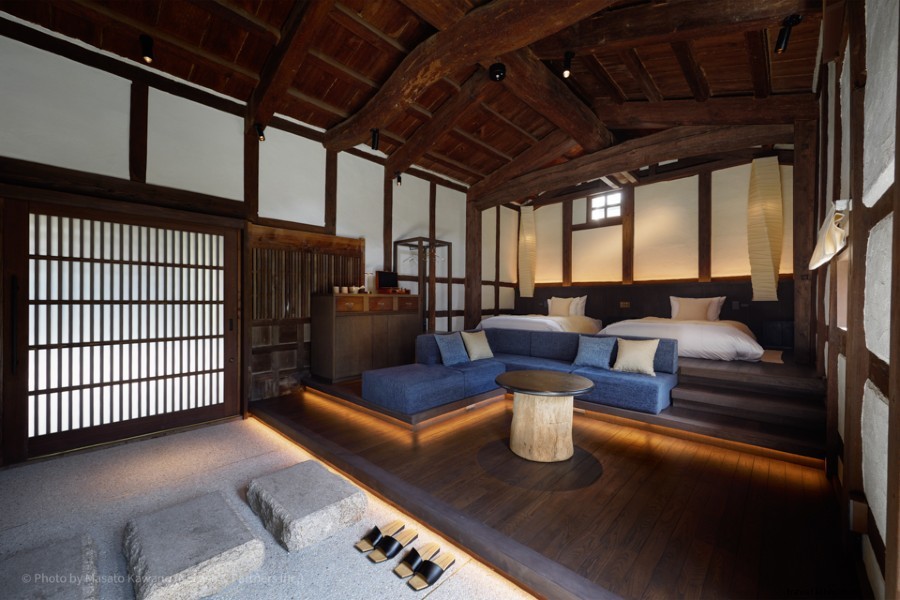
New life has been breathed into the old bones of the Suzuki family mansion at LOQUAT, where the industrial details feel fresh and exciting. There are only two rooms: a one-story warehouse retrofitted with contemporary furnishings, a daybed, and a terrace overlooking loquat trees; and a three-story former storehouse with wooden beams. Both have open-air baths. Everyone has access to the gorgeous meals inspired by Italian cooking, from fresh bread to gelato, made from local produce, meat, and seafood.
What to Do
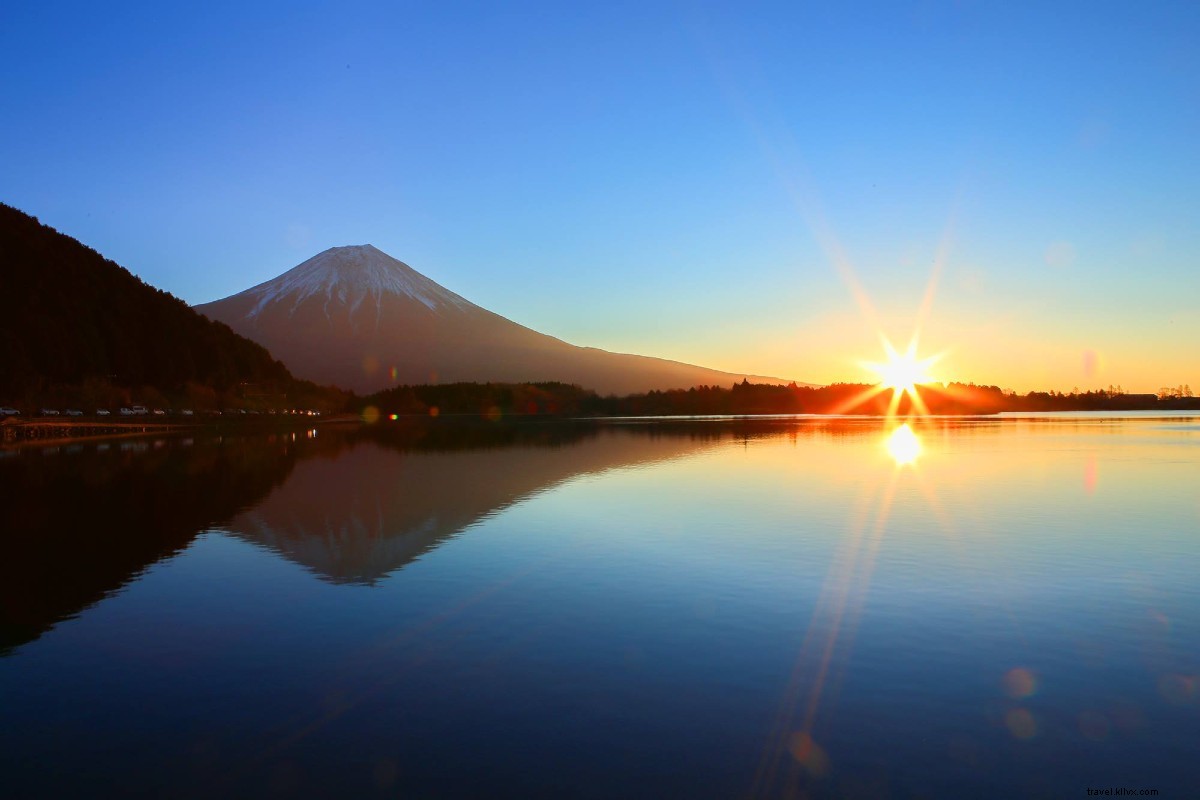
A perfect image of Mt. Fuji is reflected in the glassy waters of Lake Tanuki, a body of water located in a corner of the vast Asagiri Plateau. Dotted with cherry blossoms in the spring and deep jewel tones in the fall, it’s a setting only Mother Nature could create. For about a week around April 20 and August 20, when the sun rises behind the top of Mt. Fuji, the scene is called "Diamond Fuji” because of the picture-perfect symmetry.
Next Stops
Return to Mishima station and take the Shinkansen west for further exploration. Or loop back to Tokyo refreshed, relaxed, rejuvenated, and ready for more action.
Plan Your Trip
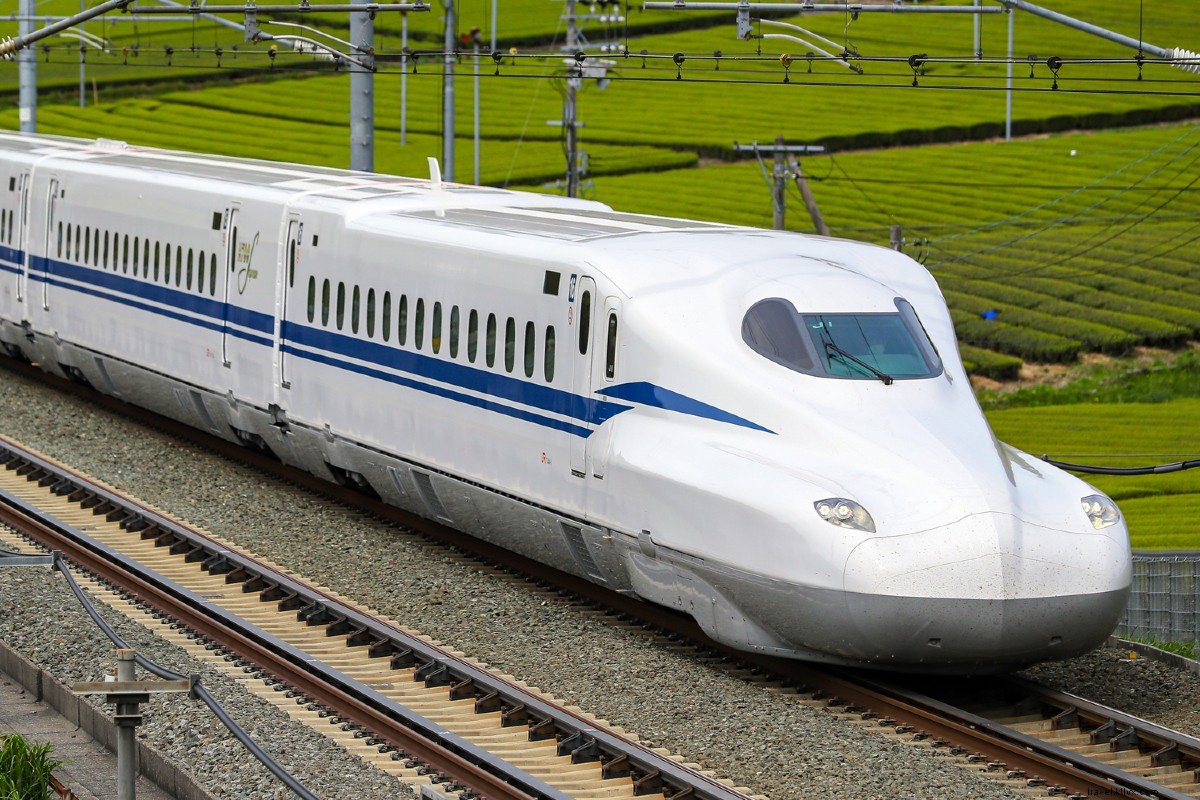
Smart Ex is the best resource for train planning. JR Tokai is a high-speed railroad line (Shinkansen) with Central Japan Railway Company (JR Tokai) connecting Tokyo Station to Shin-Osaka Station. Travelers can easily explore beyond Tokyo and Kyoto on the Golden Route by Shinkansen. The Fuji-Hakone Pass makes hop-on/hop-off travel around Hakone and Fuji-Goko from Shinjuku, Tokyo, easy and affordable.
The Mt. Fuji-Shizuoka Area Tourist Pass Mini gives travelers unlimited rides on JR local trains, buses, ferry and private rails along the route, as well as unlimited rides on non-reserved seats on limited express, rapid, and ordinary trains of JR conventional lines.
In partnership with Fuji-Hakone-Izu International Tourism Association, Tokyo Metropolitan Government, Tokyo Convention & Visitors Bureau, ODAKYU Electric Railway Co., Ltd., Central Japan Railway Company, and Kanto District Transport Bureau.