

How to Overcome Language Barriers While Traveling: Tips from 4 Months in Italy
Traveling in a country where a foreign language is spoken can be challenging, even for those proficient in it. Regional dialects, slang, and connotations often differ from what you're familiar with. Reading in a foreign language adds another layer of difficulty.
In spring 2014, I embarked on a four-month adventure in Verona, living full-time with an Italian family. I was thrilled to immerse myself in Italian culture with a Veronese couple, but the language barrier loomed large. Arriving with just three Italian words, the reality hit hard upon landing.
My host parents, Marina and Alle, greeted me at the airport with hugs and said, “Ciao, Kelly. We do not speak English at all.” My heart sank—this was tougher than anticipated.
For travelers facing similar challenges, here are practical tips I learned to bridge the language gap:
1. Prepare Key Phrases Before You Go
The barrier exists regardless, but starting with essential phrases makes a huge difference. Before Italy, I used “Italian for Dummies” audio discs to learn pronunciation en route.
Download the free Duolingo app for gamified language lessons. Challenge friends or family to build skills pre-trip.
2. Pack a Wi-Fi-Enabled Pocket Device
My iPhone was indispensable in Verona—my lifeline for quick translations via Google Translate during host family dinners or outings.
In cities, find Wi-Fi at hotspots, cafes, or hotels for instant help. Google Translate excels at text, speech, and pronunciation, making it your travel best friend.
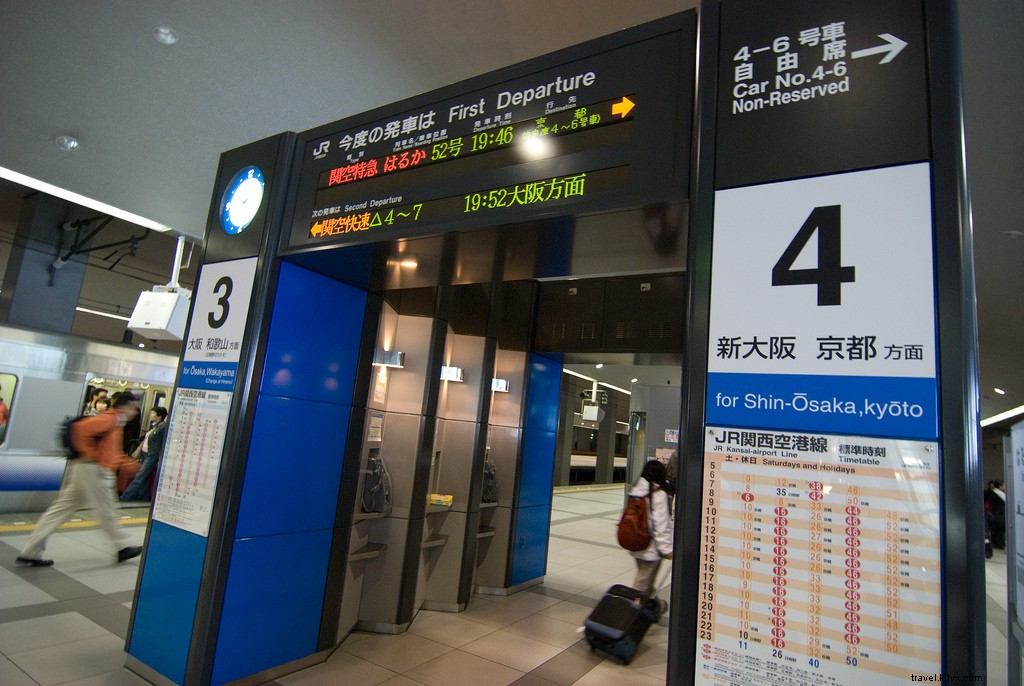
Photo from Flickr by vincentq
3. Choose a Device with Offline Capabilities
Wi-Fi isn't always available, so opt for offline dictionary apps. Search your app store for downloadable foreign language dictionaries—less seamless than Google Translate but reliable for basics.
4. Carry a Pocket Dictionary
When devices fail or aren't handy, a physical pocket dictionary saves the day. My Lonely Planet Pocket Italian Dictionary was clutched like a passport, perfect for quick lookups.
5. Master Basic Directions and Use Translation Apps
Reading signs or asking directions is tough. Learn to spell and say left, right, and straight in the local language. Carry your destination's name and a map for locals to assist.
For printed text, try World Lens (now integrated into Google Translate), which uses your camera for real-time translations. Note: It's paid and language-limited—use as a supplement.
By my stay's end, Marina, Alle, and I held full dinner conversations. I navigated streets and ordered meals confidently. With daily Italian classes aiding me, most travelers lack that—rely on apps, dictionaries, and locals instead.
Overcoming language barriers isn't easy, but it's part of the adventure. Top image by Nick_Nick / Shutterstock.com