Mayan Village Tours: Navigating Tourism, Respect, and Authenticity in Chiapas and Guatemala
Two new Ford transporter vans pull up along a white cement road, and nearly 30 passengers disembark, regrouping into their small travel parties. Dani and I stand aside, observing the other tourists with mild surprise: Brazilians in tank tops, short shorts, and oversized sunglasses; young women in short skirts. While we opted for long pants, closed-toe shoes, and jackets—not out of prudishness—the tour agency had advised modest attire out of respect for the traditional Tzotzil Mayan villages near San Cristóbal de las Casas, Mexico. Sadly, few followed this guidance.
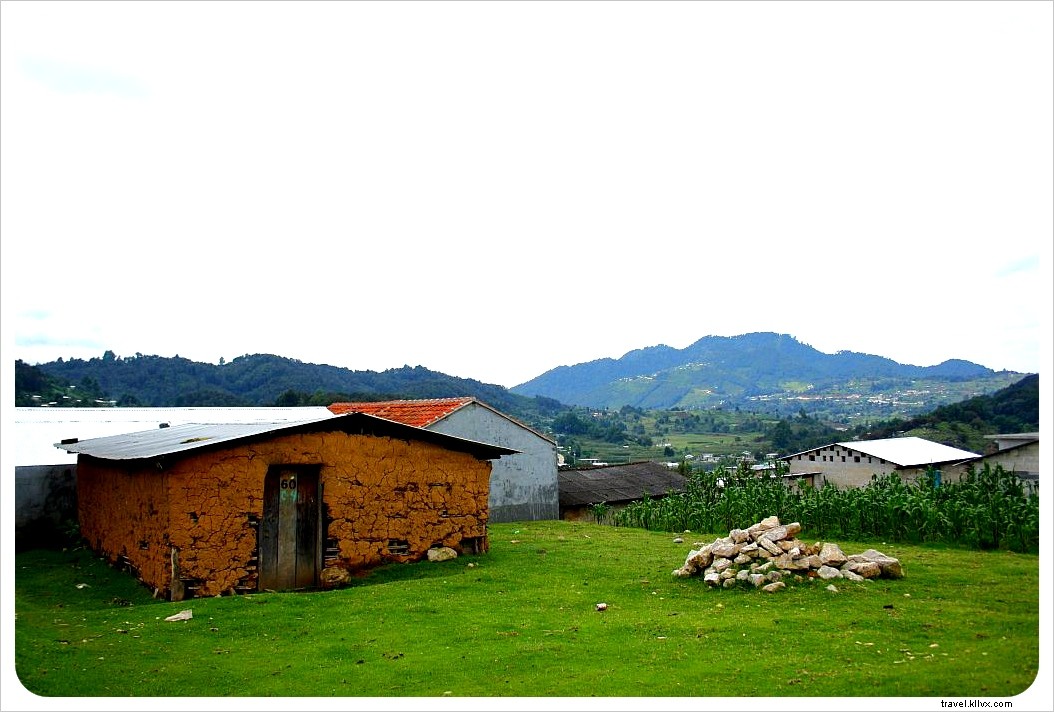
This popular tour, offered by major operators in San Cristóbal, visits San Juan Chamula—the largest Tzotzil Maya community in Chiapas—and nearby Zinacantán. The agency also stressed obtaining permission before photographing locals. At 8:30 a.m., we wandered the village, absorbing daily life. Yet, some tourists appeared disinterested: a Mexican family seemed bored, the father glued to his phone; loud chatter in Spanish, English, German, Portuguese, and Dutch drowned out the experience.
Our unease grew as elders subtly signaled their reluctance to host us. San Juan Chamula, or Chamula, is a 'tourist-friendly' showcase village, with daily busloads shuffling through its streets and iconic church. Expensive cameras dangled from necks worth a local family's annual income. Locals frequently "shushed" us away from photos involving family members.
Tracing the Ancient Maya Trail
Dani and I approached with deep respect, driven by our fascination with Maya culture—a passion deepened along our Mesoamerican travels.
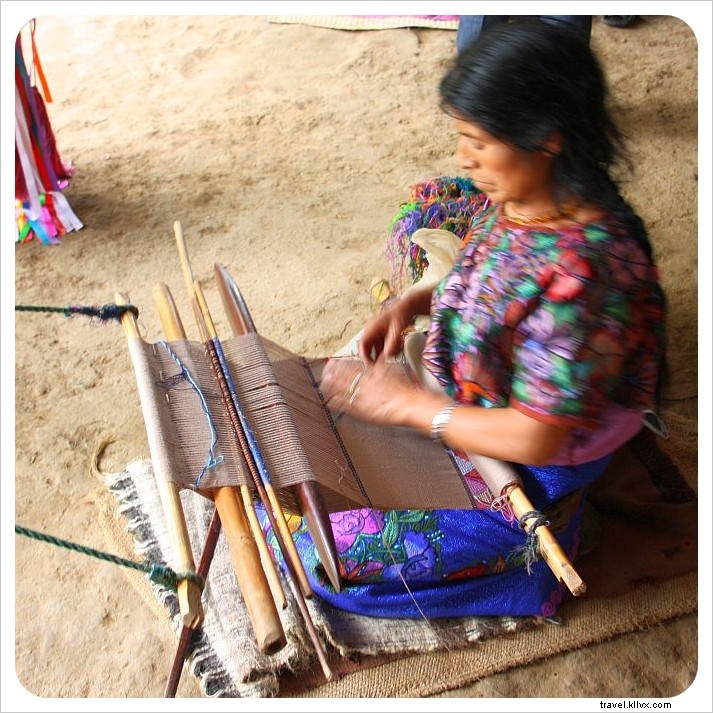
From Mexico to Guatemala, Belize, Honduras, and El Salvador, modern Maya groups lead rural or urban lives while preserving traditions. Many sustain themselves by crafting vibrant textiles—blankets, bracelets, clothing, and tourist-friendly items like bottle holders—for sale.
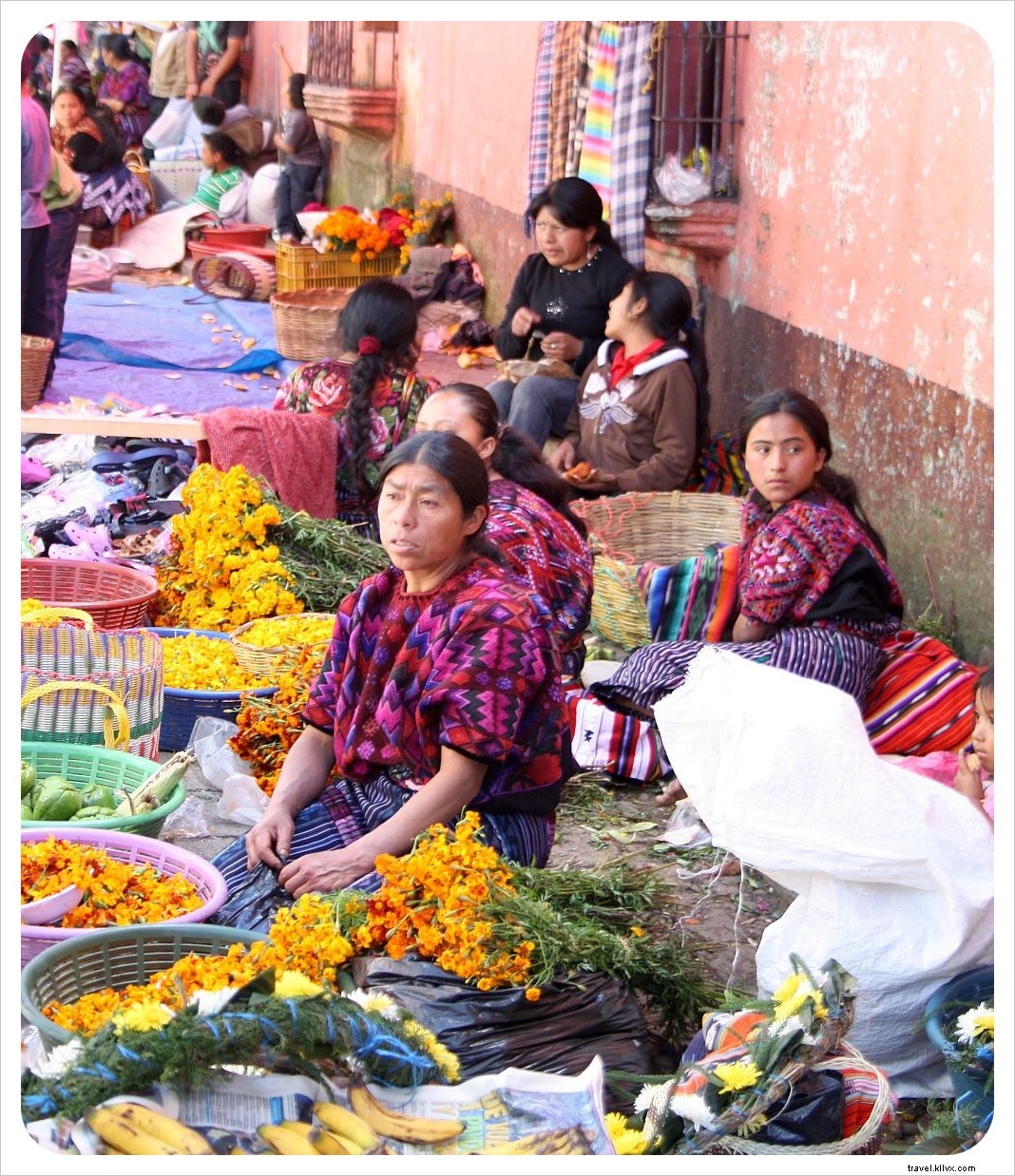
Interactions often center on these sales in hubs like San Cristóbal or Antigua. This tour promised a deeper, 'authentic' glimpse into village life.
Despite sensing intrusion, our guide Alejandro—a tall, respected local scholar—delivered insightful commentary on Tzotzil traditions, blending Maya and Catholic elements like the Mayan cross and veneration of Jesus. He spoke in Spanish and English, greeting villagers warmly in their language, easing tensions.
The church visit was unforgettable. A gatekeeper enforced small-group entry. After French tourists exited, our group entered.
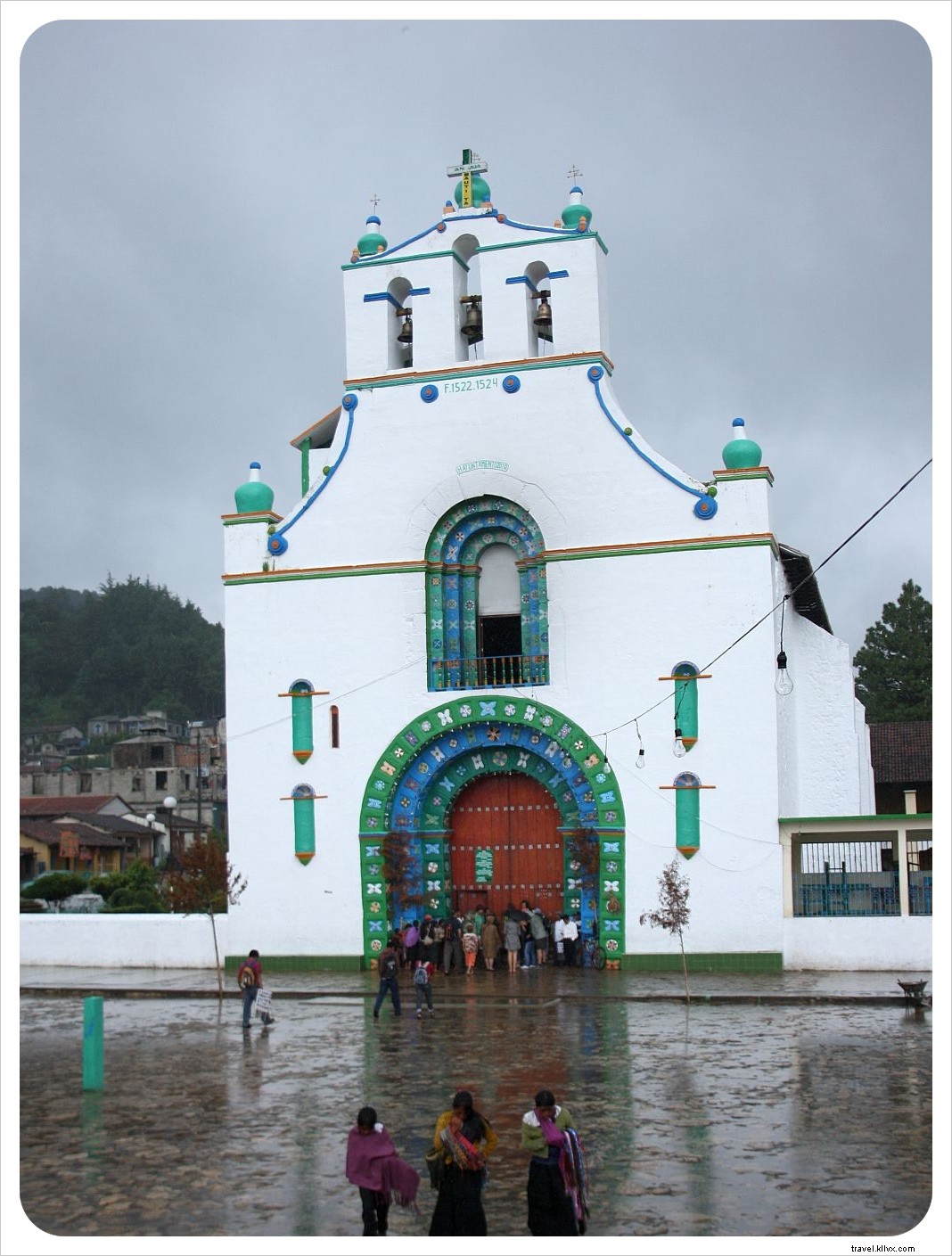
Inside, pine needles carpeted the floor like a forest path. Copal incense thickened the air amid clusters of white candles where families prayed cross-legged, chanting softly. Dim light from covered windows danced on flames. Guides whispered explanations amid the sacred scene, highlighting the tension between reverence and tourism.
A Glimpse into Tzotzil Family Life
In Zinacantán, Alejandro led us to Doña Antonia's welcoming home—a staged showcase. We observed weaving, tortilla-making, sampled fresh cheese-and-bean tortillas, and toured typical rooms. Handicraft sales followed naturally. Here, tourism felt embraced; photos were encouraged. Yet, one wonders about the daily parade of visitors.
Authentic Maya Encounters Beyond Tours
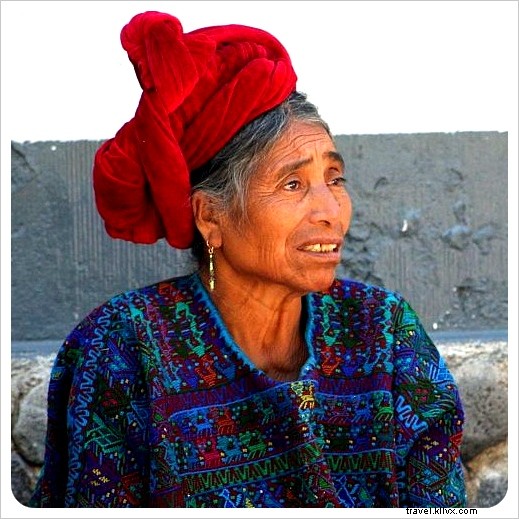
Mexico's Maya tourism felt packaged; Guatemala's is immersive. Indigenous Maya in vibrant attire fill streets around Lake Atitlán and Chichicastenango, welcoming visitors openly—minus bouncers.
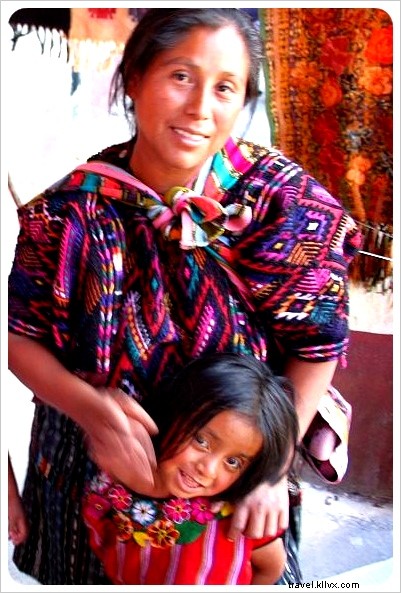
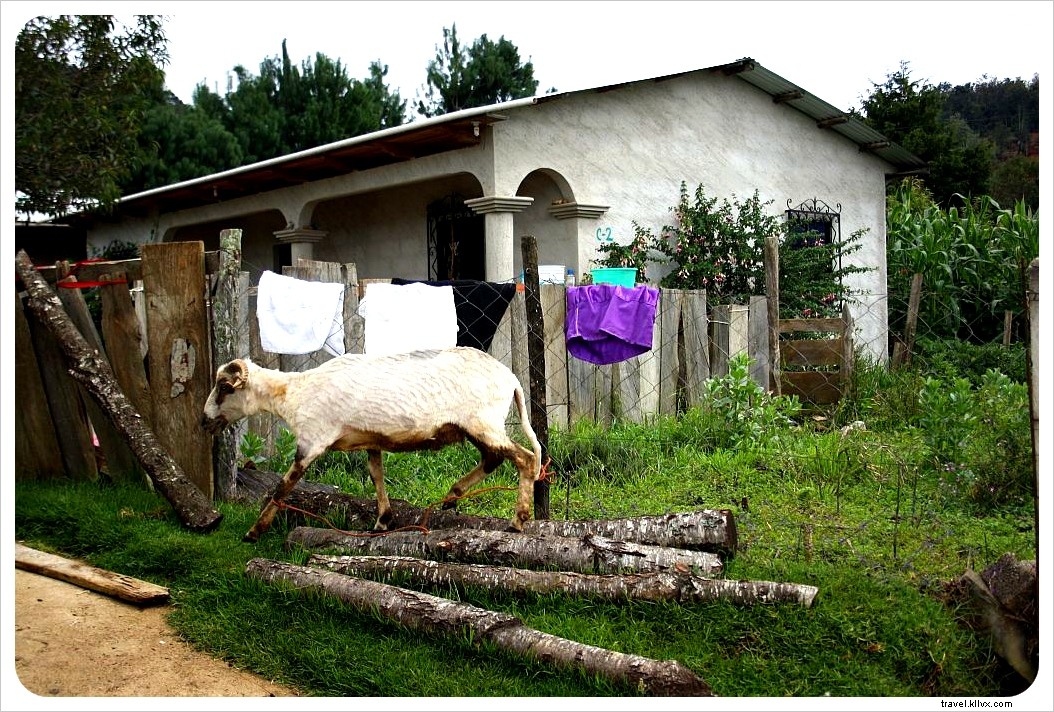
Guatemalan Maya permit photos (with a small tip) and thrive on tourism, a economic lifeline. Remote Todos Santos Cuchumatán offered unscripted authenticity: curious locals, porch weavers, corn harvesters—no vendors, just genuine exchanges and polite refusals for photos.
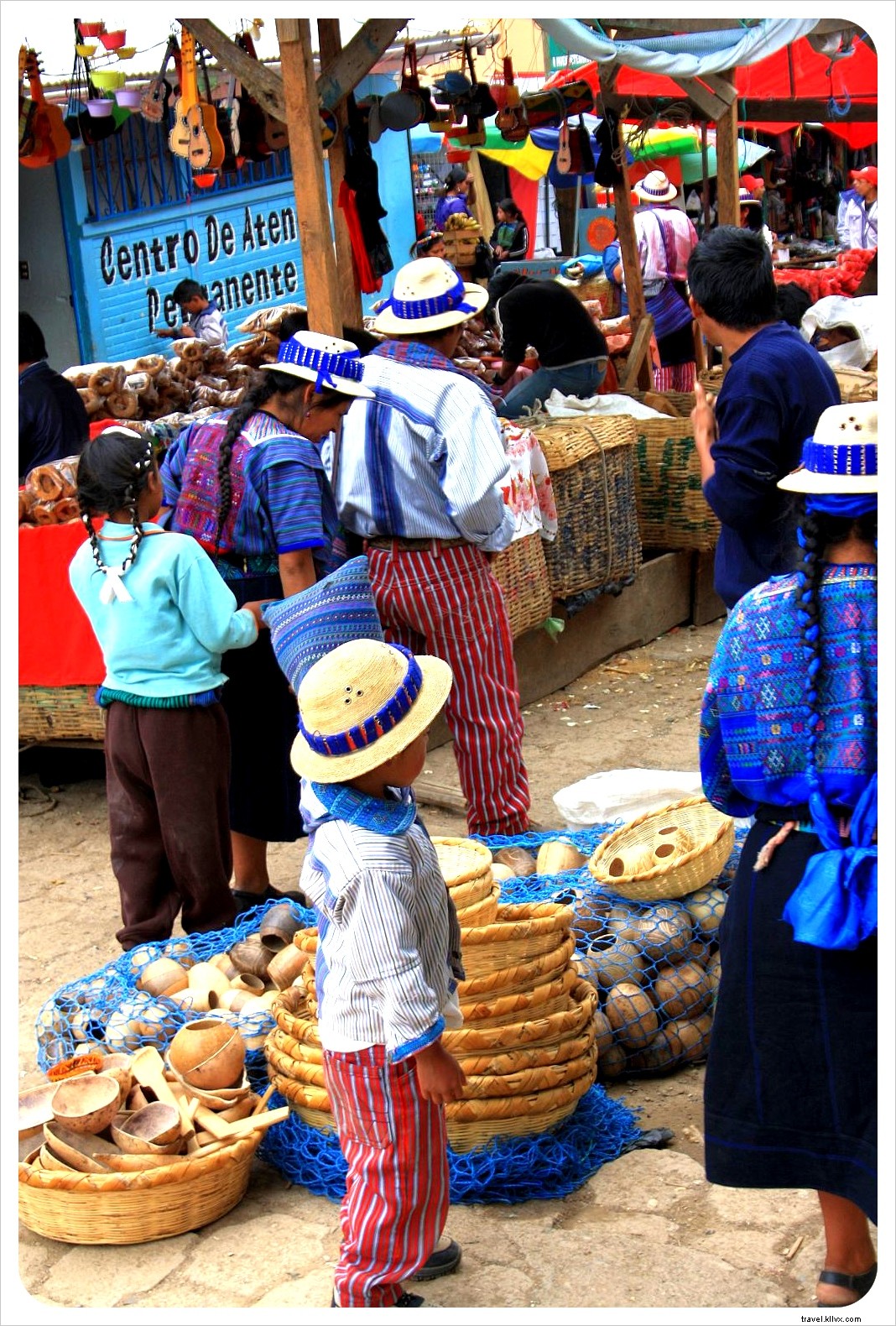
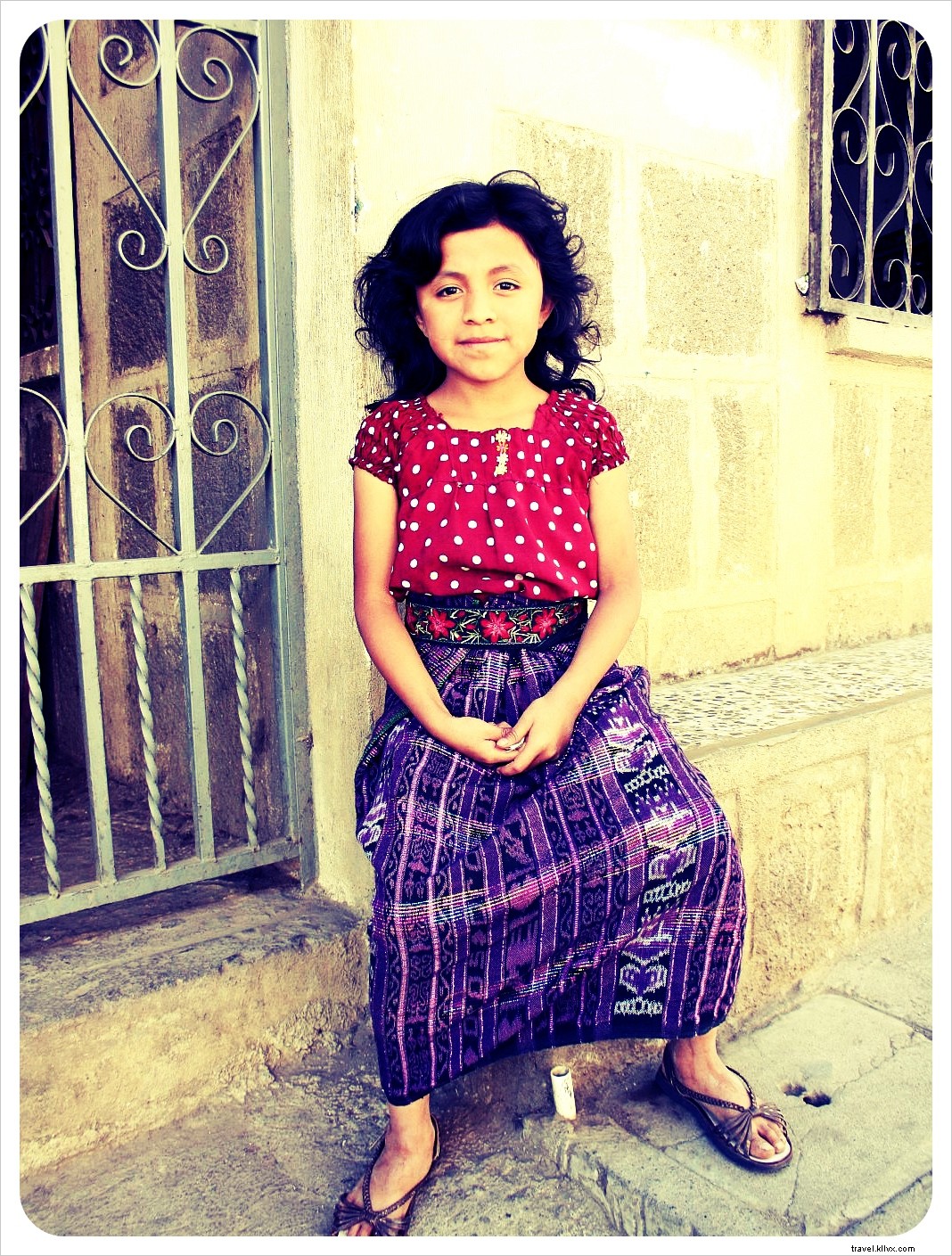
Should you take the tour? Alejandro taught much, but post-Guatemala, we'd skip Chiapas versions. Guatemala's Maya are approachable; chat freely, even with kids sharing cultural tales (facts notwithstanding).
Alternative Ways to Experience Maya Culture:
- Visit off-path Mayan villages like Todos Santos, Guatemala.
- Take Spanish classes with Maya-knowledgeable teachers, especially around Lake Atitlán.
- Opt for homestays with Maya families (under $100/week including meals).
- Engage genuinely beyond sales pitches.
Have you taken village tours? Shared authentic Maya moments? Share recommendations in the comments!