
Rügen Island: Germany's Hidden Baltic Gem – Stunning Chalk Cliffs, Beaches, and History
In this series on Germany's hidden gems, we spotlight remarkable destinations often overlooked by tourists. These stunning spots are easily accessible by public transport and pair perfectly with major attractions. First: Rügen Island.
Located in the Baltic Sea off Germany's northern coast and connected to the mainland by bridge, Rügen Island remains a secret for many visitors. Discover its allure in this introductory video.
Rügen's dramatic beauty was immortalized in 1818 by painter Caspar David Friedrich, whose iconic depiction of its white chalk cliffs brought fame. In the late 19th and early 20th centuries, it drew Germany's elite—writers, artists, politicians, and tycoons. Echoes of that grandeur persist in opulent seaside resorts like the palatial Kurhaus in Binz, built in 1908.
Post-World War II, Rügen fell under the GDR for 40 years, limiting access to East Germans and leading to neglected historic structures due to funding shortages. Yet it remained a top Baltic vacation spot. Since reunification in 1989, dedicated restoration has revived its splendor, making eastern Germany's lesser-visited areas—like the Mecklenburg Lake District, Dresden's Elbe Sandstone Mountains, Saxon Switzerland National Park, Weimar's Bauhaus sites, Rostock, and Berlin's Spree Forest—prime hidden gems. Videos showcase more must-sees. Germany marked reunification's 25th anniversary with the #germany25reunified campaign, spotlighting revitalized spots like Rügen.
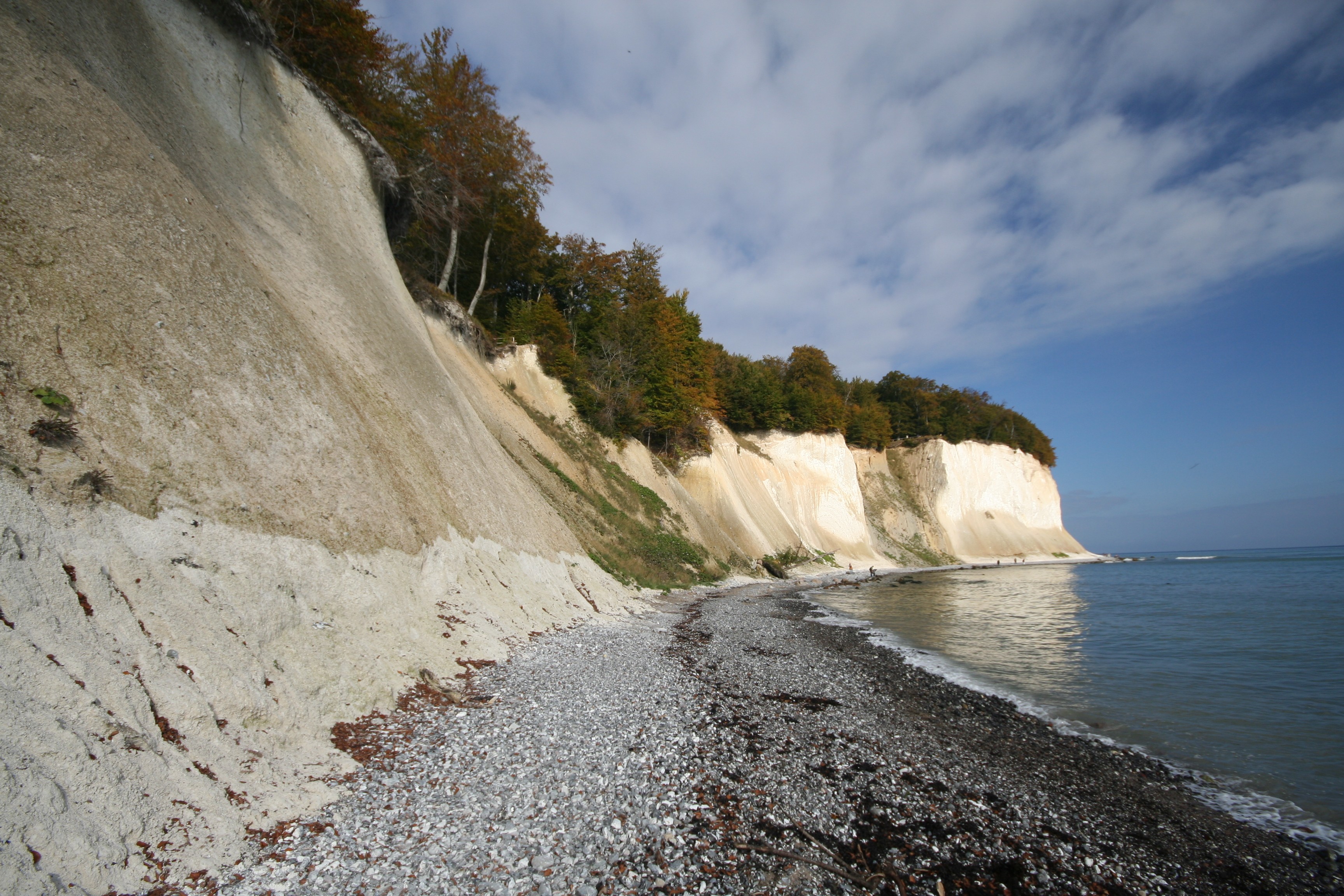
Featuring pristine white-sand beaches, Jasmund National Park—a UNESCO World Heritage Site since 2011—offers exceptional hikes amid outstanding natural beauty. Don't miss the 120-meter (390-foot) King's Chair white cliffs. Cape Arkona, at 45 meters (148 feet) with twin lighthouses, marks former East Germany's northern tip and is ideal for hiking.
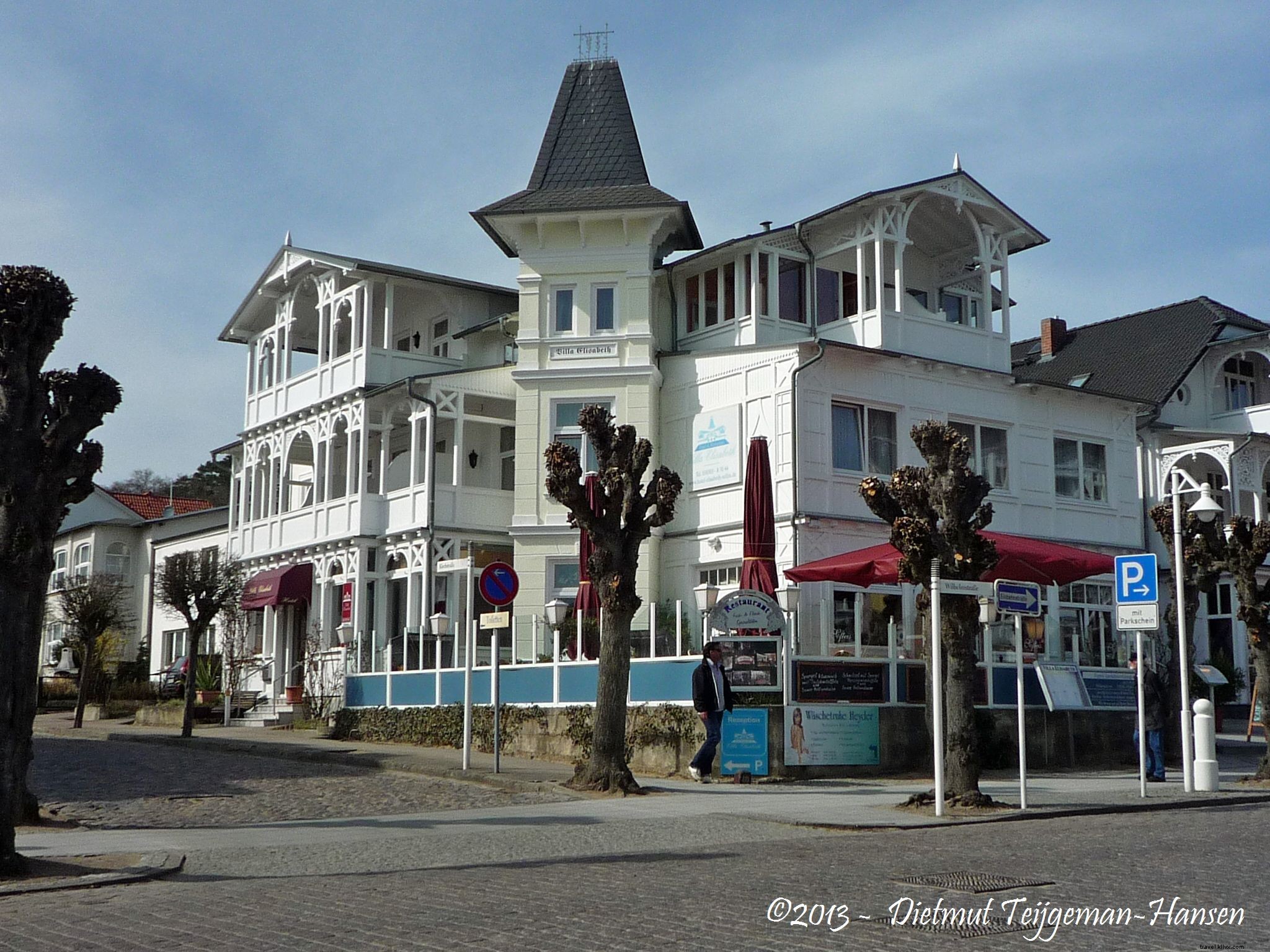
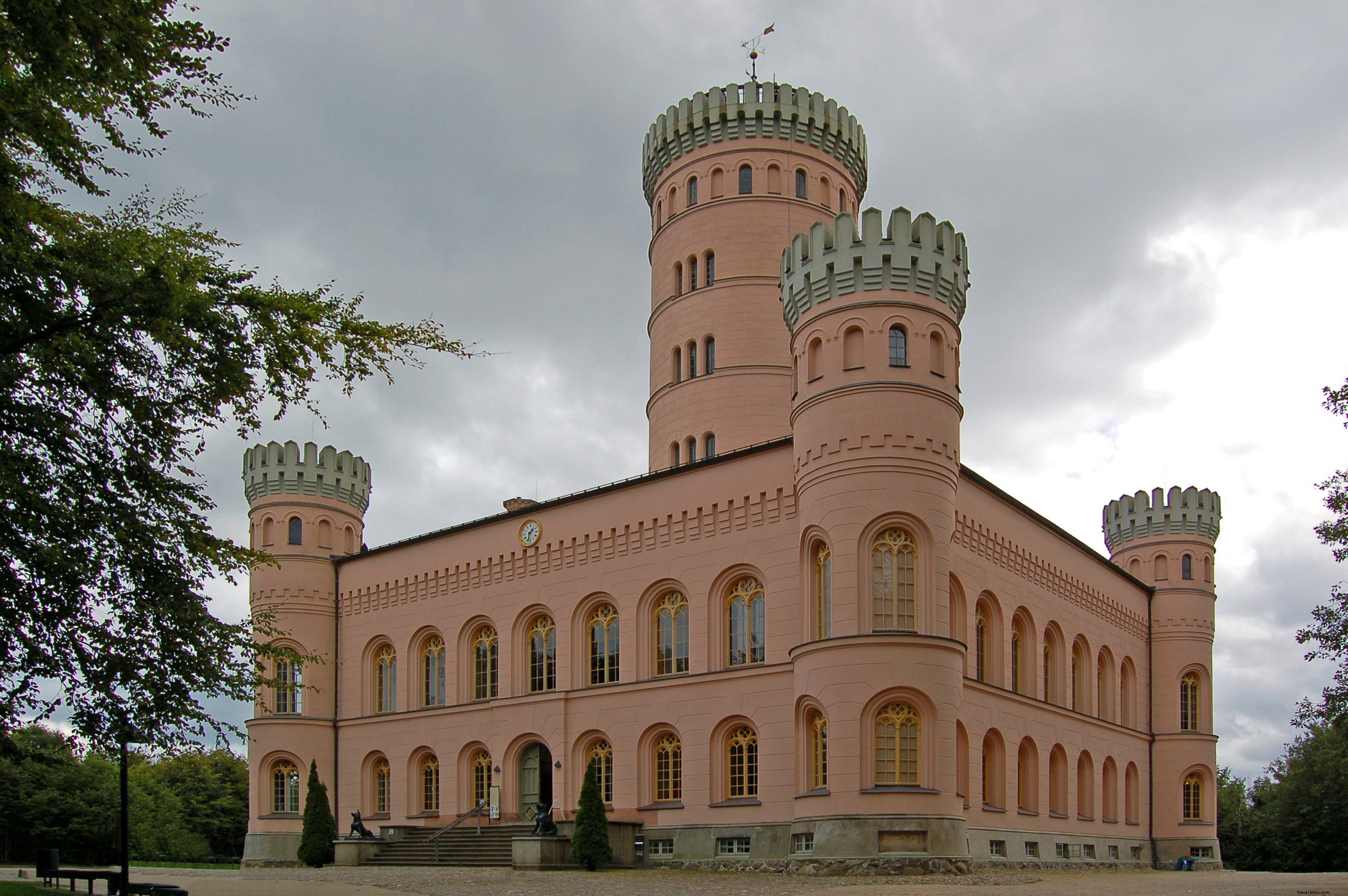
The beach promenade in Binz, a charming seaside town, shines on foot or by bike. Putbus, the island's oldest resort and 'White Town' with restored villas, enchants. Nearby, Jagdschloss Granitz—a fairy-tale hunting lodge—boasts panoramic Baltic views from its tower. Hike 12.5 km from Putbus (about 2.5 hours) or cycle Rügen's 200 km of paths; rentals are available in major towns.
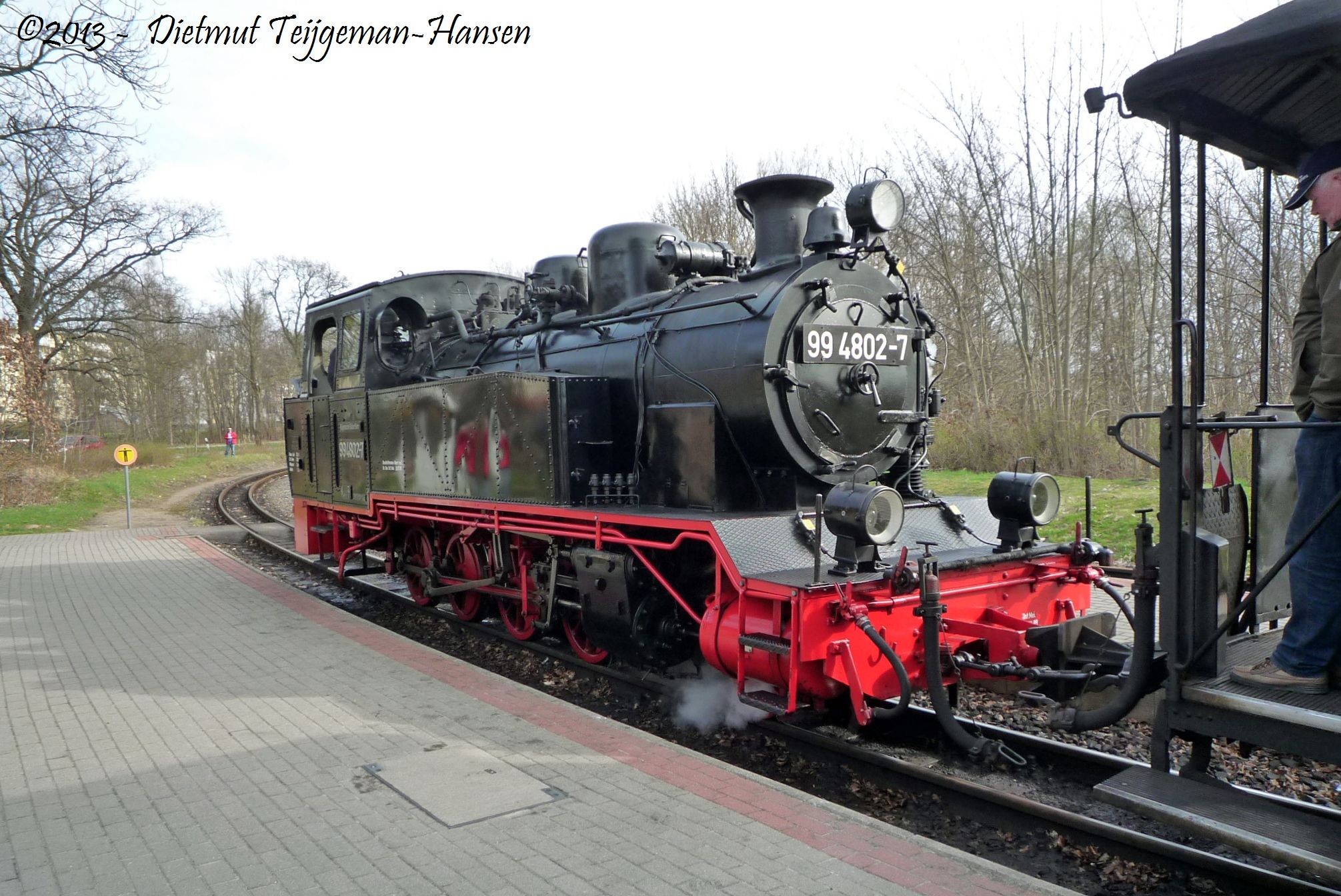
For a relaxed adventure, ride the Rasender Roland (Rushing Roland), a narrow-gauge steam train covering 24 km from Göhren to Lauterbach Mole through forests, fields, and beaches.
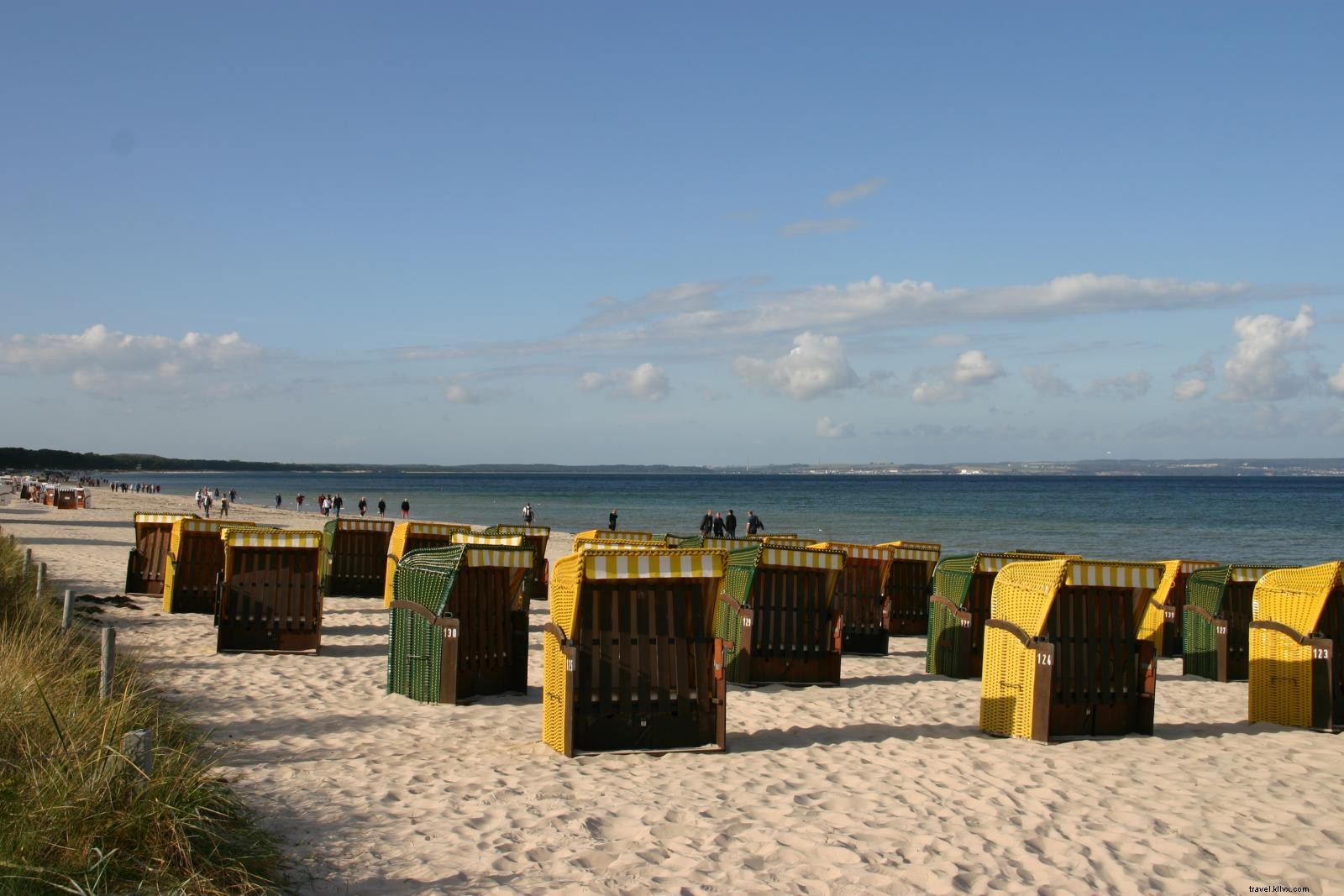
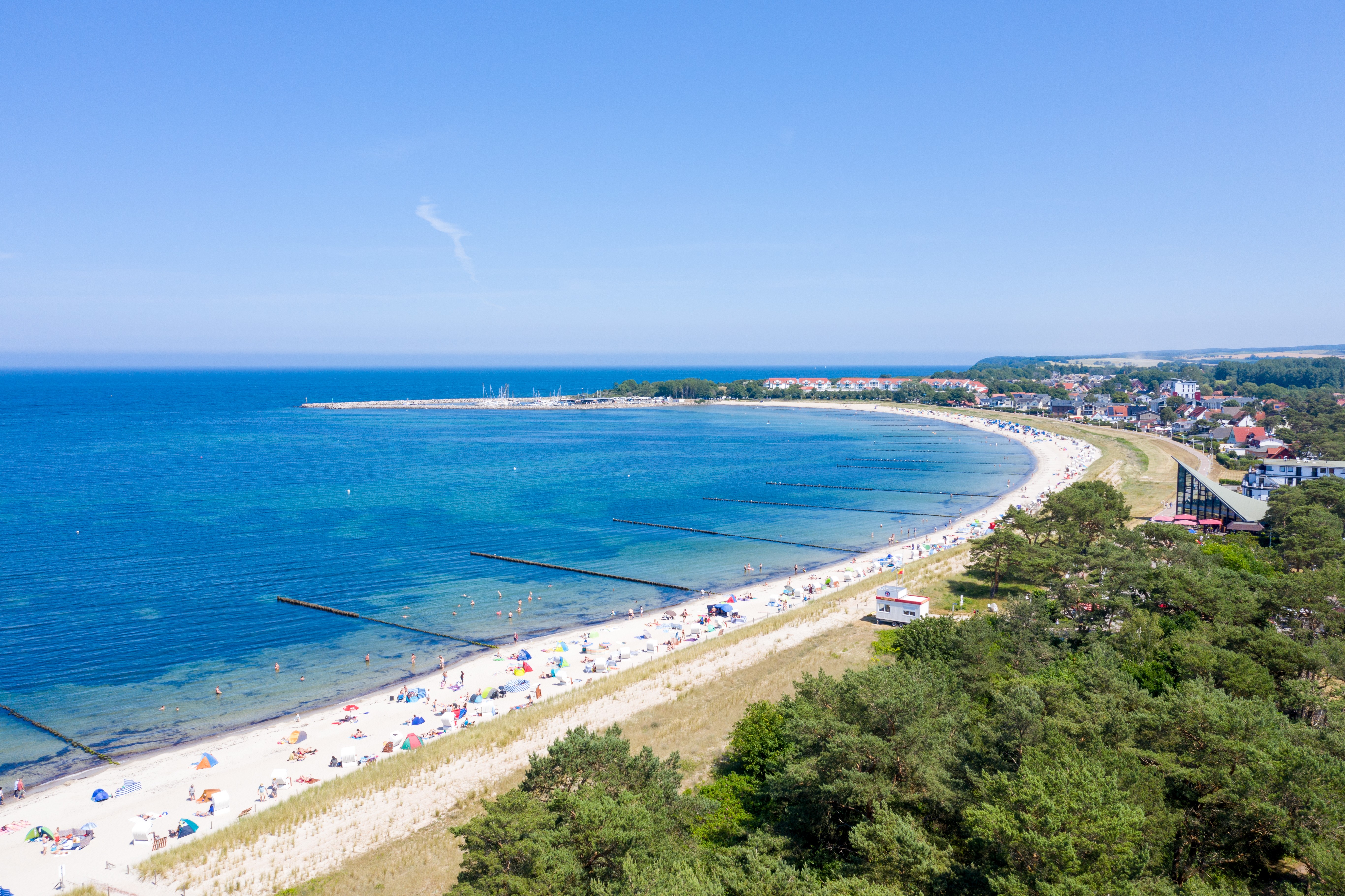
No trip is complete without its iconic beaches. North of Göhren, a scenic stretch features traditional German Strandkörbe (canopied beach chairs)—perfect after a train ride.