
Our Honest Review of Chilean Cuisine After 100+ Days of Travel
While we cherished our extensive travels across Chile, covering thousands of miles, our culinary experiences often left us underwhelmed.
One notable aspect is the absence of spicy flavors in Chilean cuisine. Don't be misled by the red ají powder on tables alongside salt and pepper—even generously applied, it offers little heat.
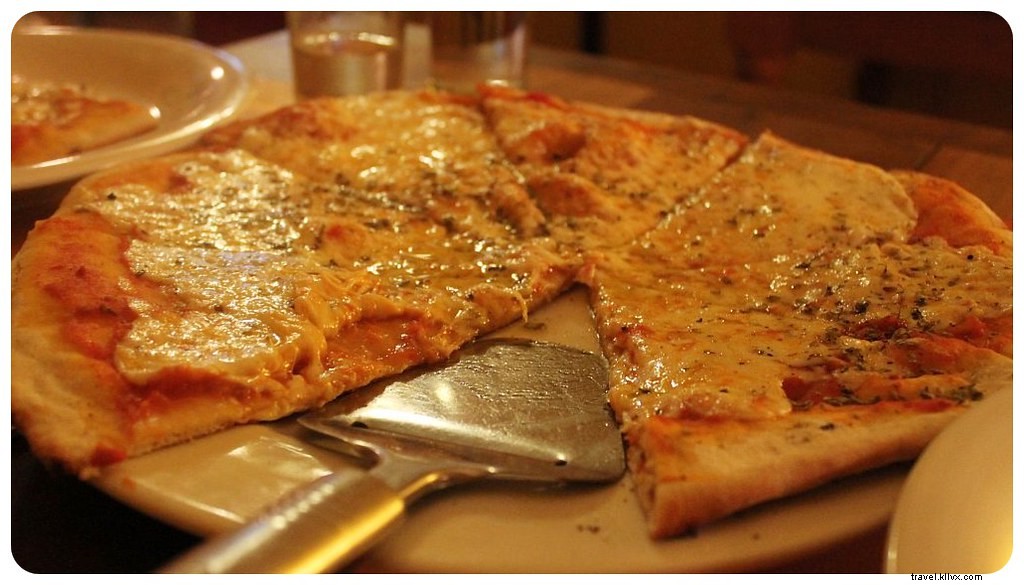
 Pizza enthusiasts know we're always seeking top-notch pies. Chilean versions, however, fall short compared to Argentina's superior offerings: they're often dry, basic, and suited mainly for groups or limited options.
Empanadas, a staple, didn't translate well from Argentina. There, they're filled with buttery dough, creamy cheeses, or meats. In Chile, the dough feels tough, and fillings lack appeal.
 Despite Chile's sophistication as South America's most developed nation, its dishes like chorillana—fries topped with meat, vegetables, ham, cheese, and eggs—resemble hearty, casual fare.
The completo, a hot dog with basic toppings, lacks the creativity of global styles like Chicago or New York dogs.
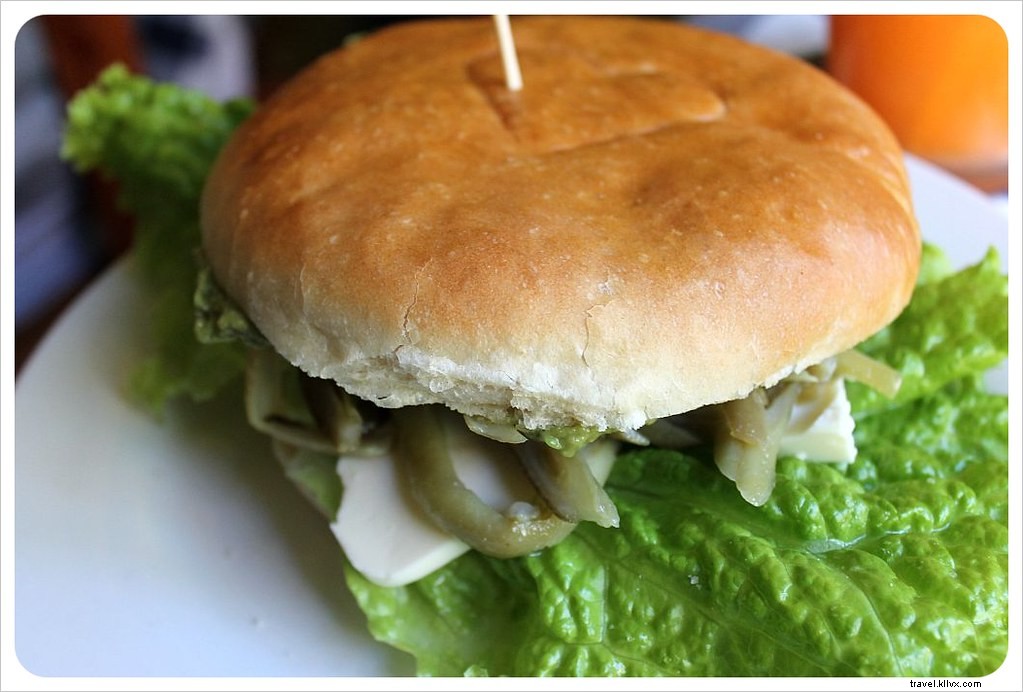
Once, a sandwich resembling a Mexican torta turned out to be cold boiled green beans, queso fresco, lettuce, tomato, and onion on basic bread—an unexpected combination.
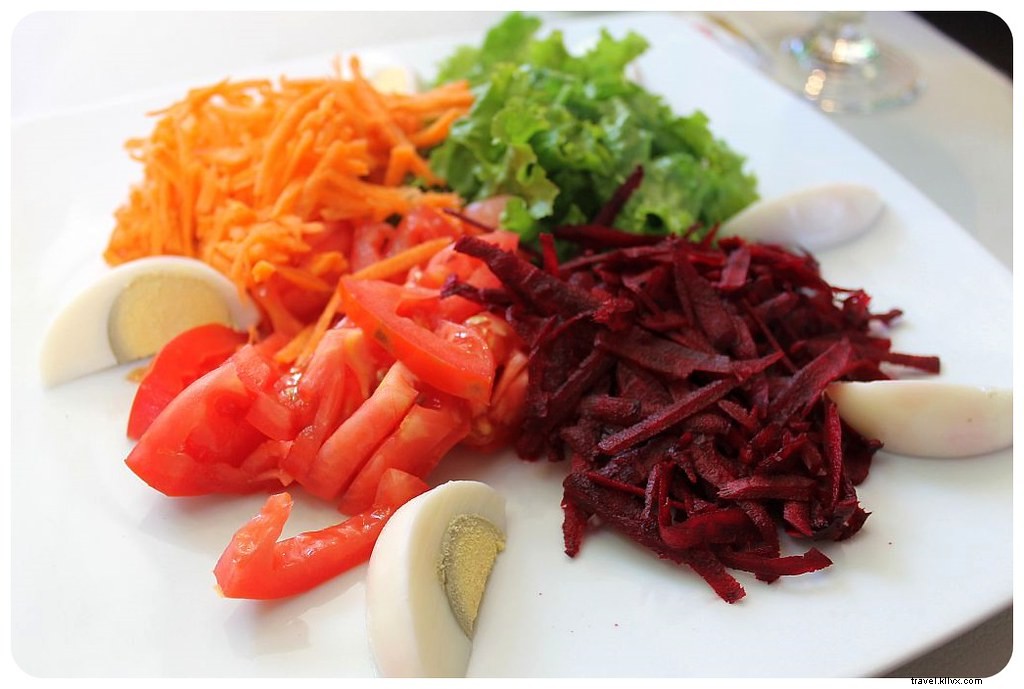
 Many dishes are bread-based and carb-heavy. Salads often arrive segregated—strips of lettuce, tomatoes, cucumbers, and carrots—dressed simply with oil and vinegar, at prices rivaling heartier mains.
 Sopaipillas, fried dough from street vendors topped with mayonnaise, exemplify indulgent street eats.
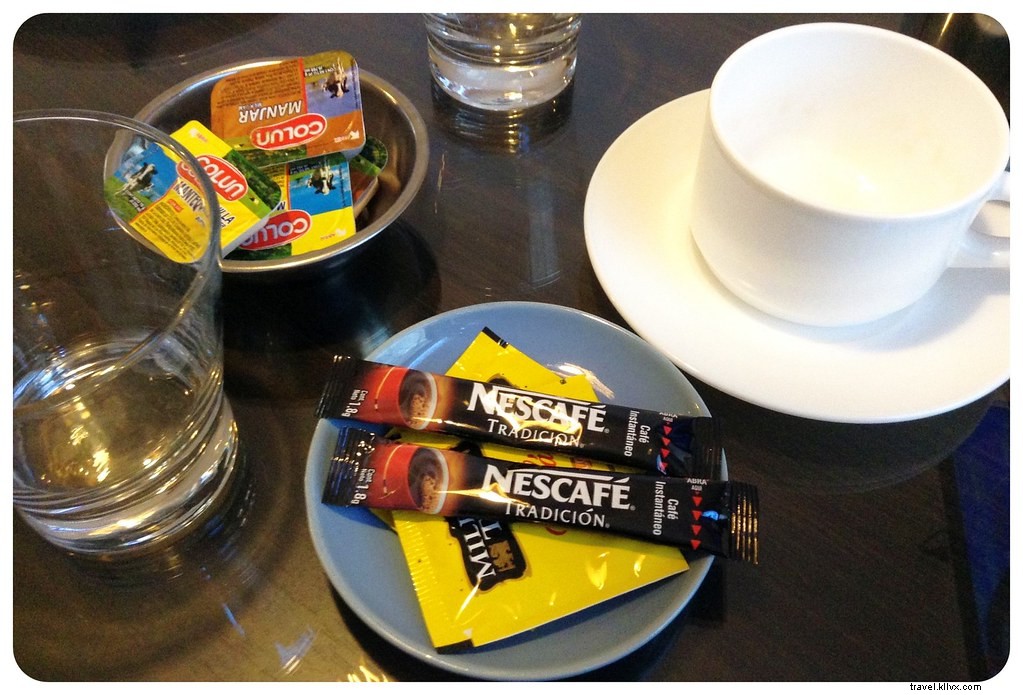
Healthy options were scarce, with coffee drinkers adding excessive sugar to espressos or Nescafé, and smoothies often overly sweet unless specified otherwise.
 Salt use was heavy, as observed in everyday meals.
Healthier choices like curanto—a traditional dish of meats, fish, potatoes, and bread steamed underground—exist but are regional to the south and labor-intensive.
Vegetarian options include humitas (corn-based like tamales) or paila (scrambled eggs with avocado), often served as an once snack.
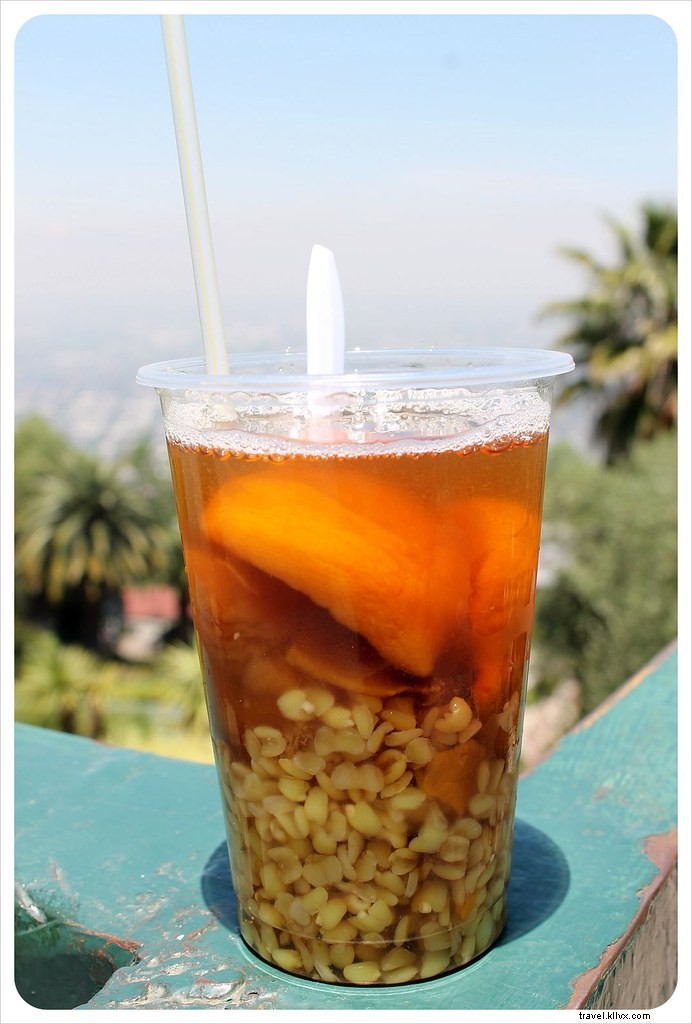
Mote con huesillo, a summer drink of cooked wheat and stewed peaches in syrup, offers a unique texture served with straw and spoon.
 Chile's safe tap water could enable worry-free street food enjoyment, unlike many Latin American spots, but options paled against vibrant Asian street eats.
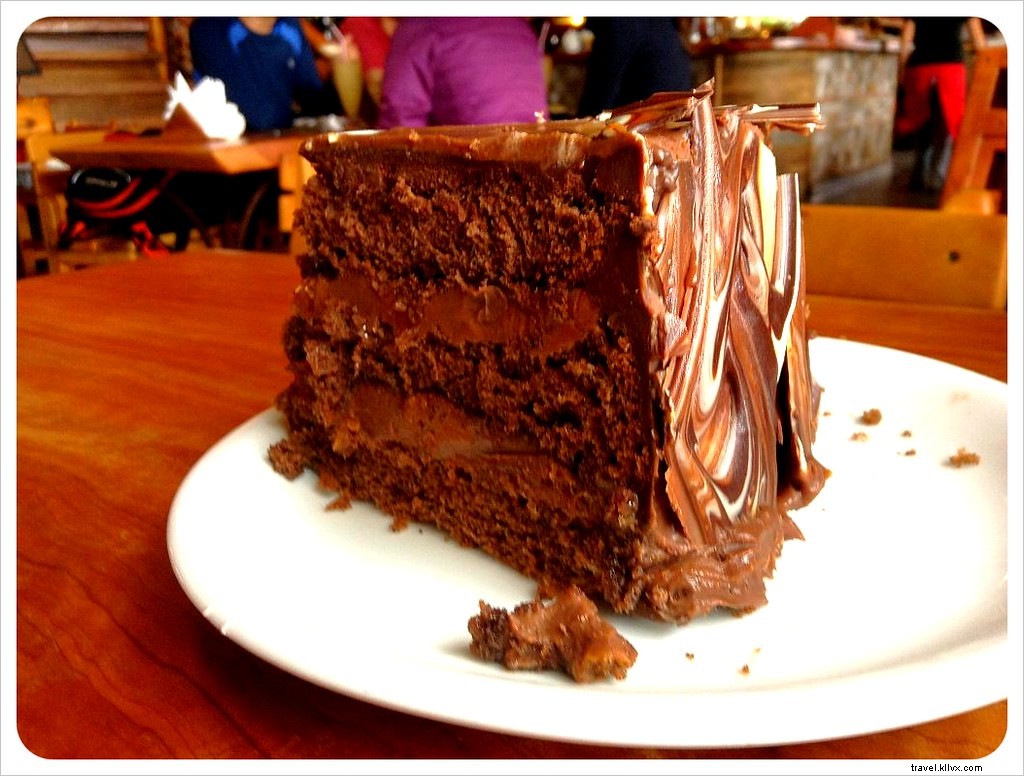
International cuisine was disappointing, lacking authenticity, though German kuchen in the Lake District excels. Desserts like manjar pastries or leche asada vary in appeal.
 Chile shines with excellent wines, pisco sours, and avocados. Standout meals included those at Tiramisu and Le Fournil in Santiago, Cassis chain, and La Marmita in Punta Arenas.
 Chile's natural wonders—glaciers, volcanoes, lakes—captivated us during our 100+ days. We loved its cities and beaches, planning future visits despite mixed food experiences.
Have you visited Chile? What are your thoughts on its cuisine? Share in the comments!