Is Mexico Safe for Travelers? Our Firsthand Experiences from a Month-Long Journey
When planning our round-the-world trip, we originally intended to cross from California into Mexico at Tijuana by land, then travel north to south through the country before entering Belize and Central America. However, we faced strong warnings against this—not just crossing the northern border, but visiting Mexico at all. This prompted a key question: Is Mexico safe for travel?
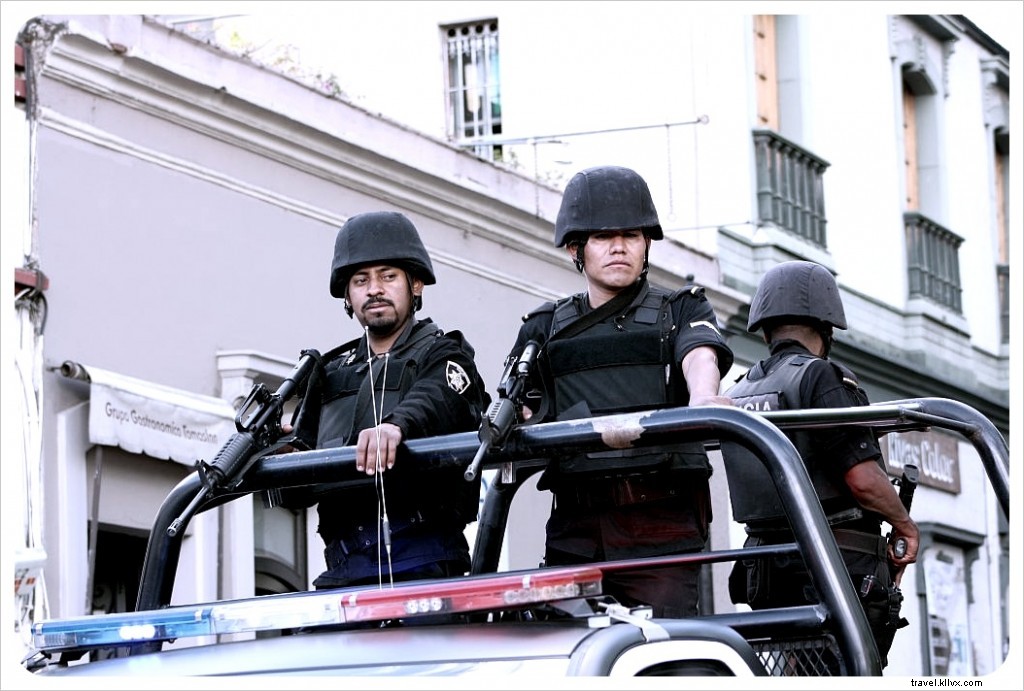
Everyone we spoke to cautioned us about the dangers: killings, kidnappings, and drug-related crime. News headlines reinforced these fears, especially in Arizona amid ongoing immigration debates. In Tucson, we even canceled a day trip to Nogales across the border due to unanimous advice against it.
Following U.S. Department of State recommendations, we skipped northern Mexico and flew directly to Mexico City, traveling only southward from there.
After over a month in Mexico—including Mexico City, Puebla, Oaxaca, Pacific coast beach towns like Mazunte and Zipolite, San Cristóbal de las Casas, and Mérida—we can confidently say: Don't believe the hype. Visit Mexico! Skipping it would mean missing incredible experiences and cuisine.
Is It Safe to Travel in Mexico?
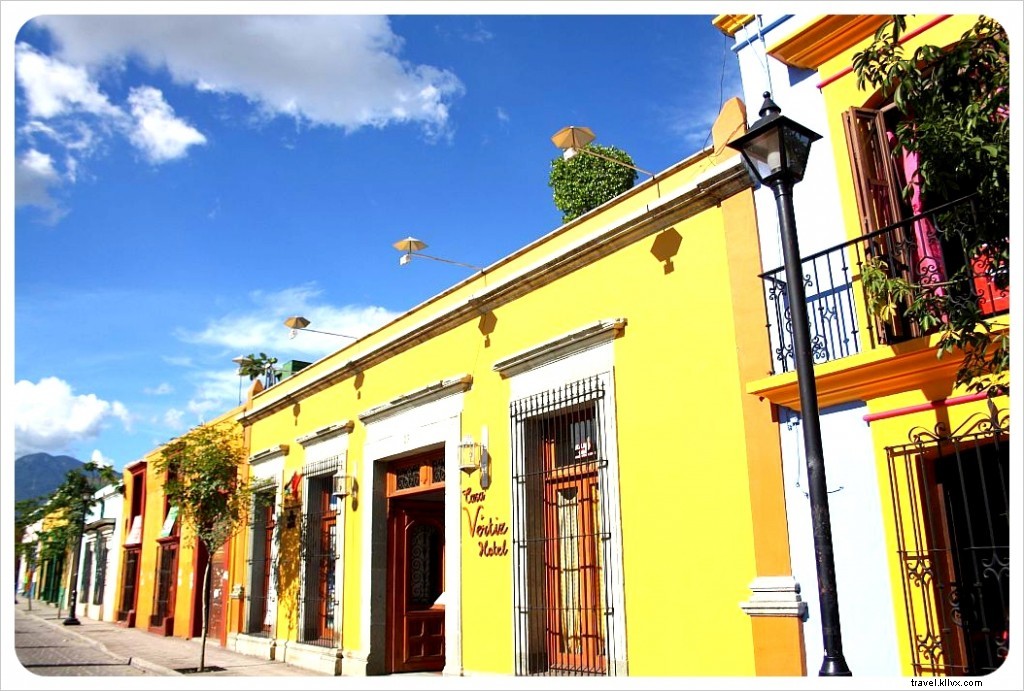
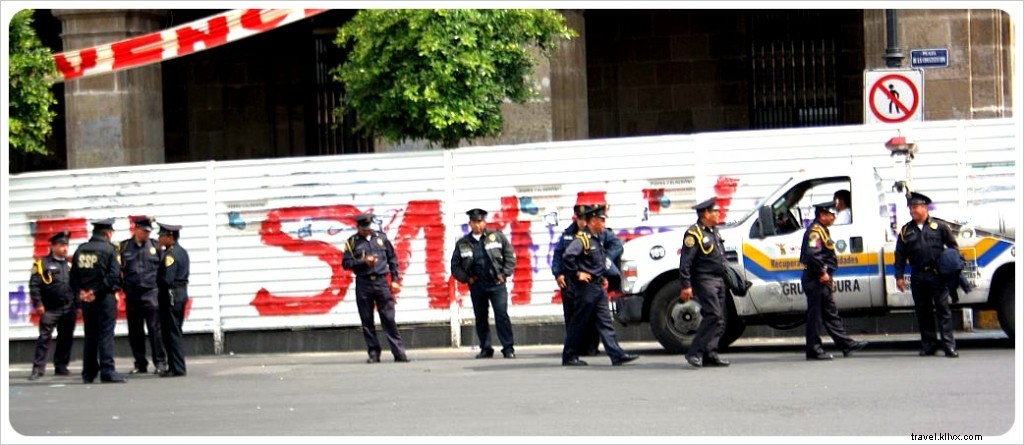
As with any destination, exercise caution: Stay aware of your surroundings, avoid sketchy areas, and follow standard travel precautions—whether in New York, Dubai, or elsewhere. Mexico City's heavy police presence initially unnerved us, suggesting high danger. Yet, within days, we felt safer there than in parts of Los Angeles and extended our stay by five days to explore its vibrant sights. This dynamic city, home to passionate and open-minded residents, is essential for a full understanding of Mexico.
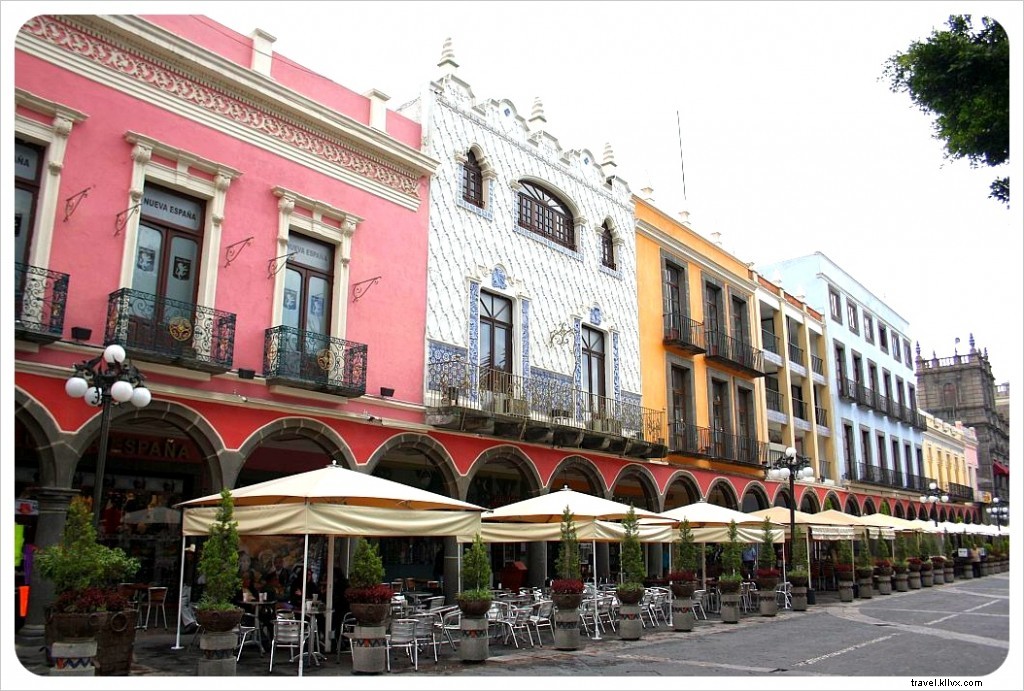
 In Puebla, we connected with long-term expats Rebecca (U.S., All About Puebla) and Elmar (Germany), both residents for over three years. They praised the city's high quality of life and safety, affirming that travel in Mexico is manageable.
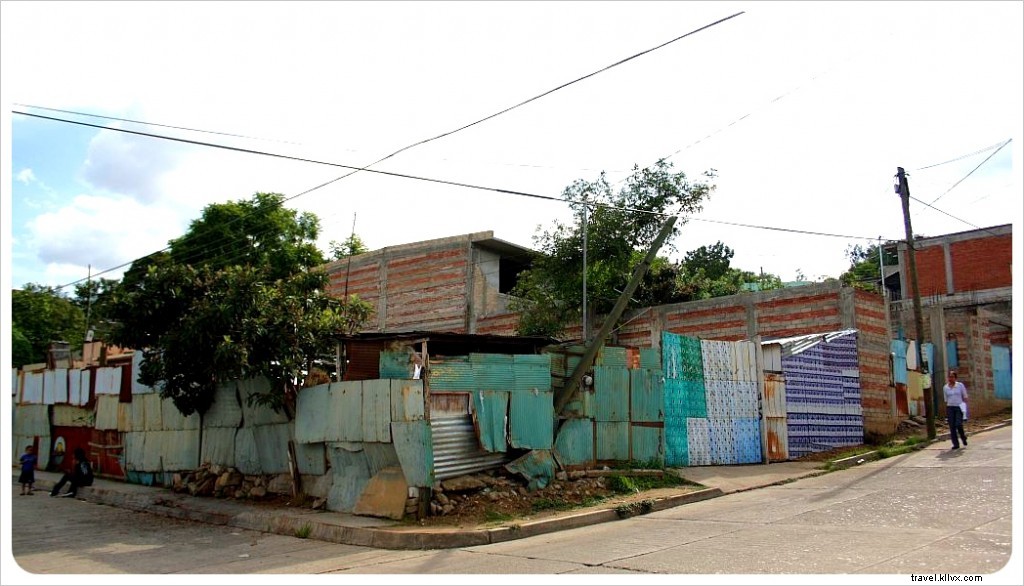
 In Oaxaca, we stayed in a simple bungalow in San Luis Beltrán, outside the city center amid poorer 'Colonias' areas. Though we stood out as the only non-Mexicans, we never felt unsafe during our two weeks. Locals were welcoming, offering greetings and directions; our companion comfortably used her Canon SLR camera.
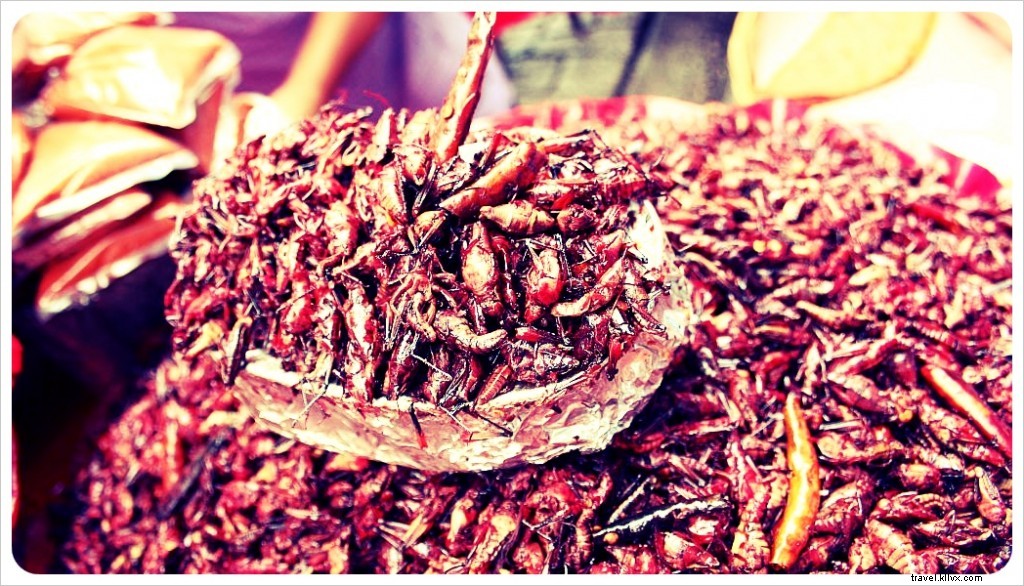
 This warmth was consistent. At a FIFA World Cup public viewing in Mexico City's Zócalo, fans congratulated us on Germany's third place (and consoled us assuming Dutch roots the next day). Vendors patiently shared produce, meals, and traditions. In Puebla, locals introduced chapulines (grasshoppers); Oaxaca neighbors brought homemade tamales—gestures rare in cities like London or Chicago.
 This isn't to downplay risks: Violence persists, with headlines about murders of taxi drivers, priests, or children. A northern Mexico violence series in national papers highlighted the issue. Yet, life continues, much like in the U.S., which has one of the world's highest murder rates.
 Perspective matters. Mexicans have greeted us with unwavering kindness, revealing a rich, colorful culture far from our preconceptions.
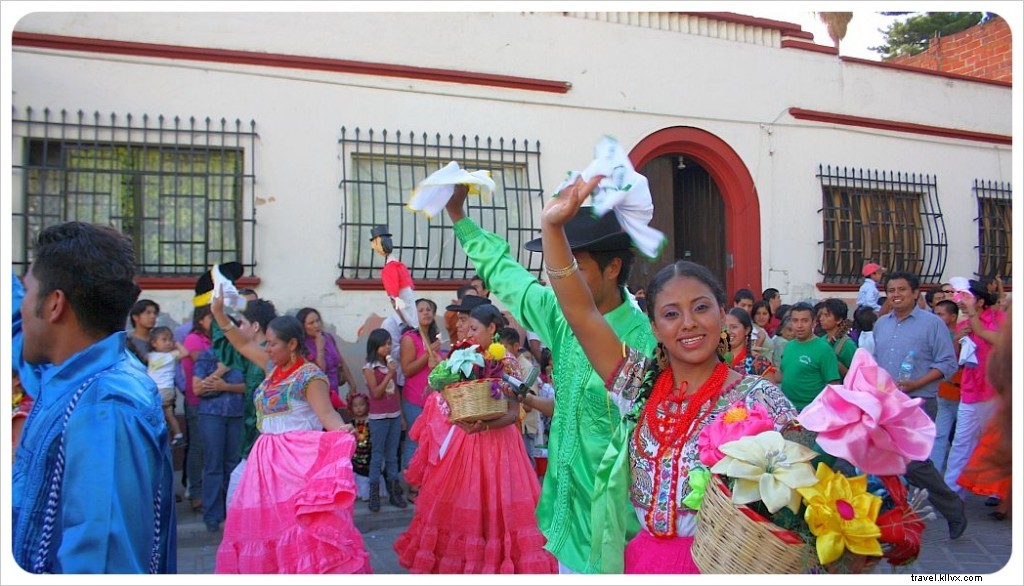 Our affection for Mexico's vast landscapes led us to extend our stay by a month, including the Yucatán Peninsula. We secured an affordable furnished apartment in Playa del Carmen via fellow traveler Wandering Earl. We hope this sense of security endures through Central and South America.
Is Mexico Safe for Travel? Further Reading:
- The current Mexico Travel Advisory by the U.S. State Department
- 10 Essential Tips for Staying Safe in Mexico City
- The Stay Safe section on WikiTravel's Mexico page
Have you traveled in Mexico recently? Share your thoughts: Is it safe?