Everything You Need to Know About La Sagrada Família: Barcelona's Iconic Masterpiece
The Sagrada Família in Barcelona, Spain, stands as an unparalleled architectural masterpiece. Designed by Antoni Gaudí starting in the 1880s, construction began in 1882 and continues today—over 140 years later—with completion projected for 2026. This basilica is a cornerstone of Barcelona's history and an essential visit for any traveler.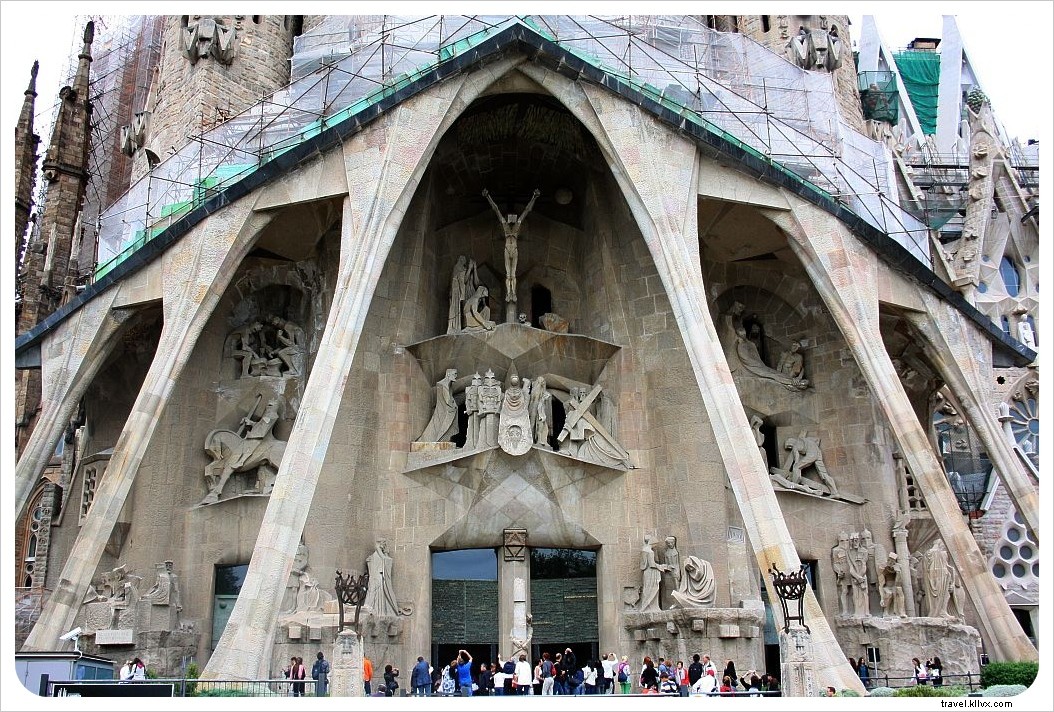
From the Vatican to Barcelona
Today recognized as Gaudí's signature work, La Sagrada Família originally had a different architect. In 1882, Josep Maria Bocabella returned from the Vatican, inspired by its grand churches, particularly the Basilica of Loreto. He founded the Spiritual Association of the Devotees of Saint Joseph and launched a campaign to build a temple dedicated to the Holy Family.
Francisco de Paula del Villar was initially appointed, planning a standard Gothic Revival church. Construction of the crypt began in 1882, but after disputes with promoter Joan Martorell, Villar resigned in 1883. Gaudí took over that year and became lead architect in 1884.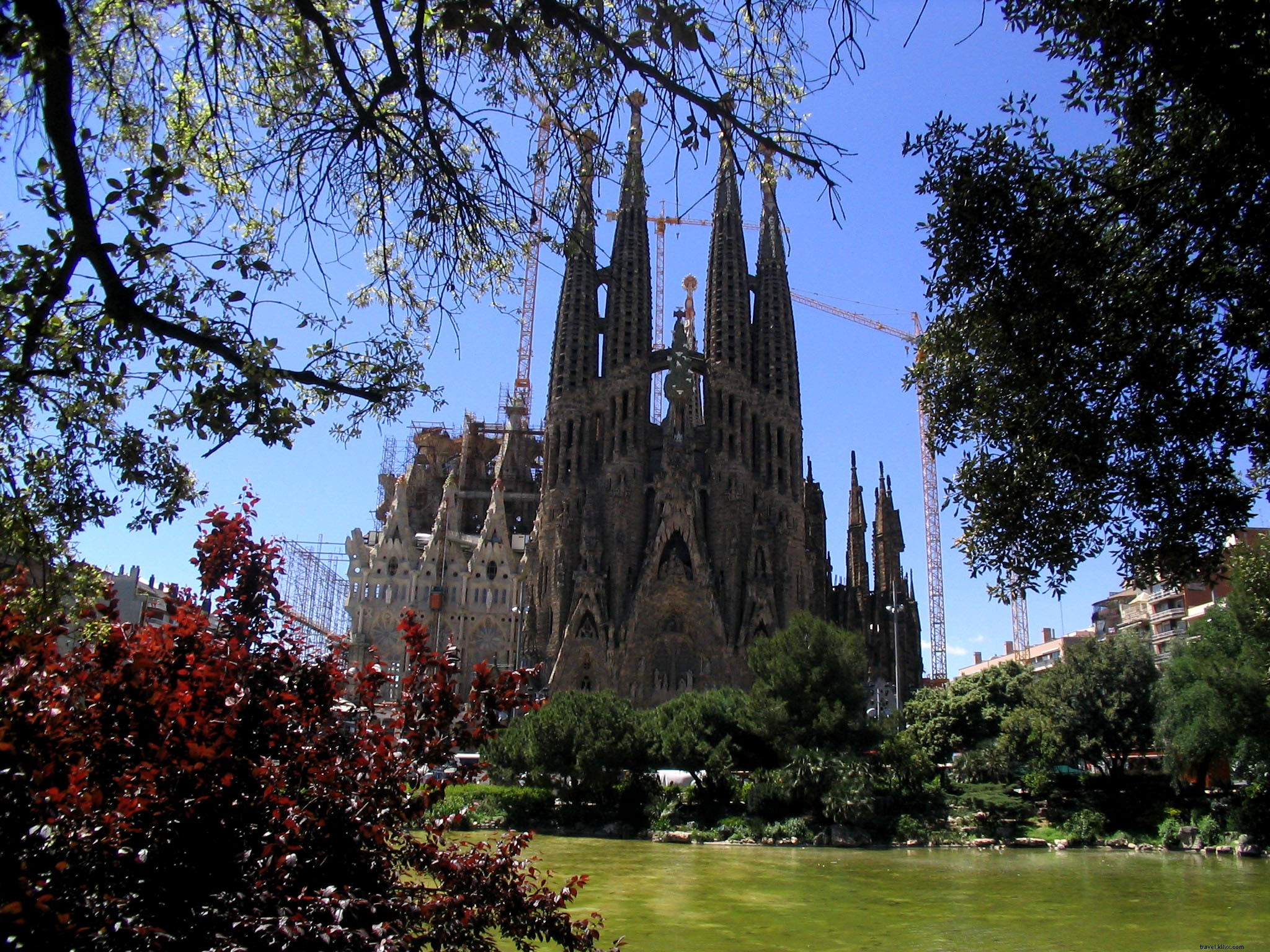
Under Construction Since 1882
When Gaudí assumed leadership, he radically transformed the plans, blending Gothic elements with Art Nouveau and his unique organic style. True to his philosophy—'My client is not in a hurry'—construction has proceeded deliberately.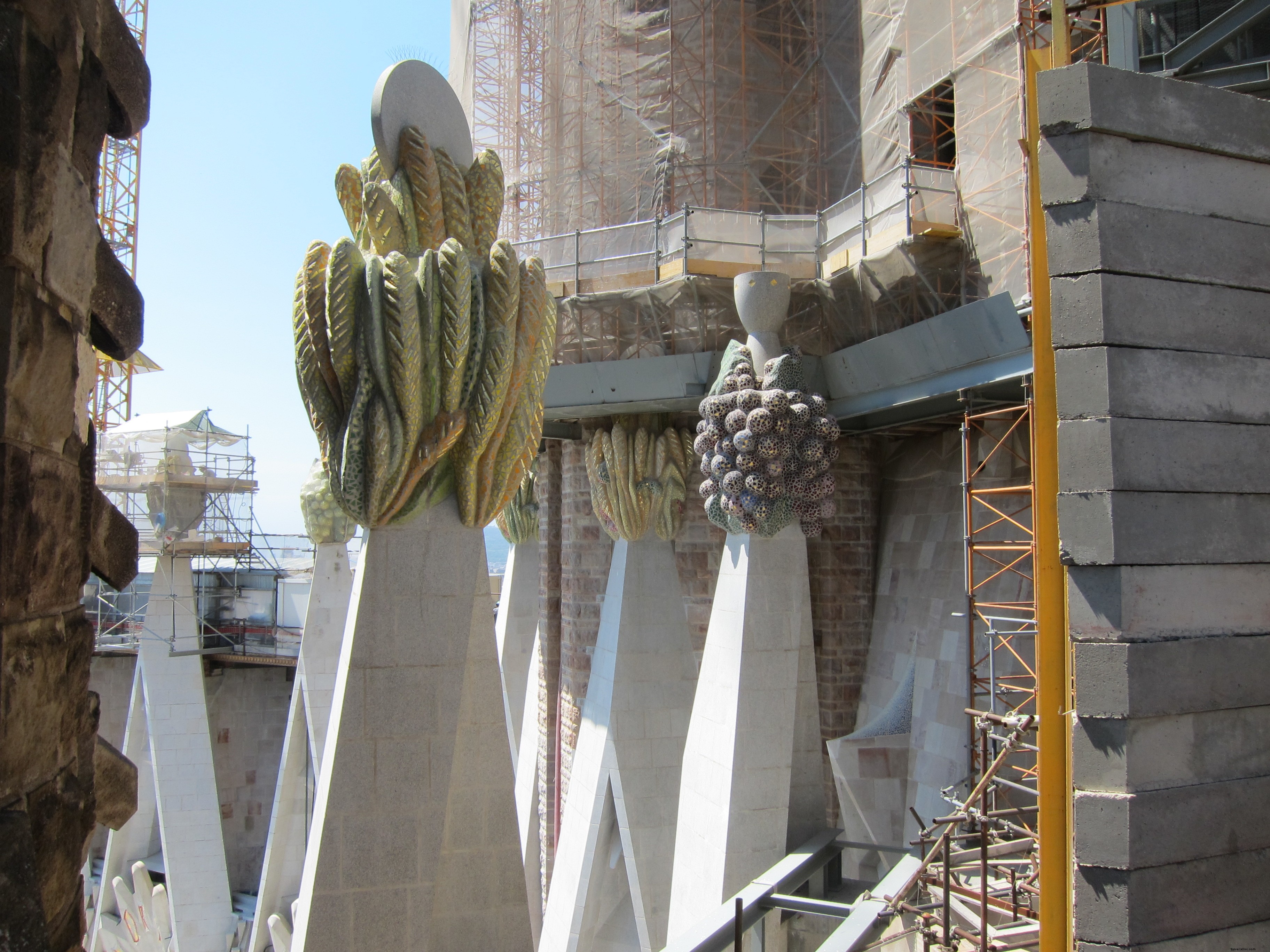
Gaudí dedicated himself fully to the project from 1915 onward, viewing it as the culmination of his architectural vision. By his death in 1926, 15-25% was complete. His assistant, Domènec Sugrañes i Gras, continued until the Spanish Civil War halted work in 1936, during which anarchists destroyed models and workshops.
Post-war, architects Francesc Quintana, Puig Boada, Lluís Bonet i Garí, and Francesc Cardoner resumed efforts, with lighting by Carles Büïgas. Since the 1980s, Jordi Bonet i Armengol (son of Lluís Bonet) has integrated computer technology. New Zealander Mark Burry serves as Executive Architect, while sculptors J. Busquets, Etsuro Sotoo, and Josep Maria Subirachs adorned the façades. Jordi Fauli became chief architect in 2012, focusing on the crossing and Jesus Christ tower.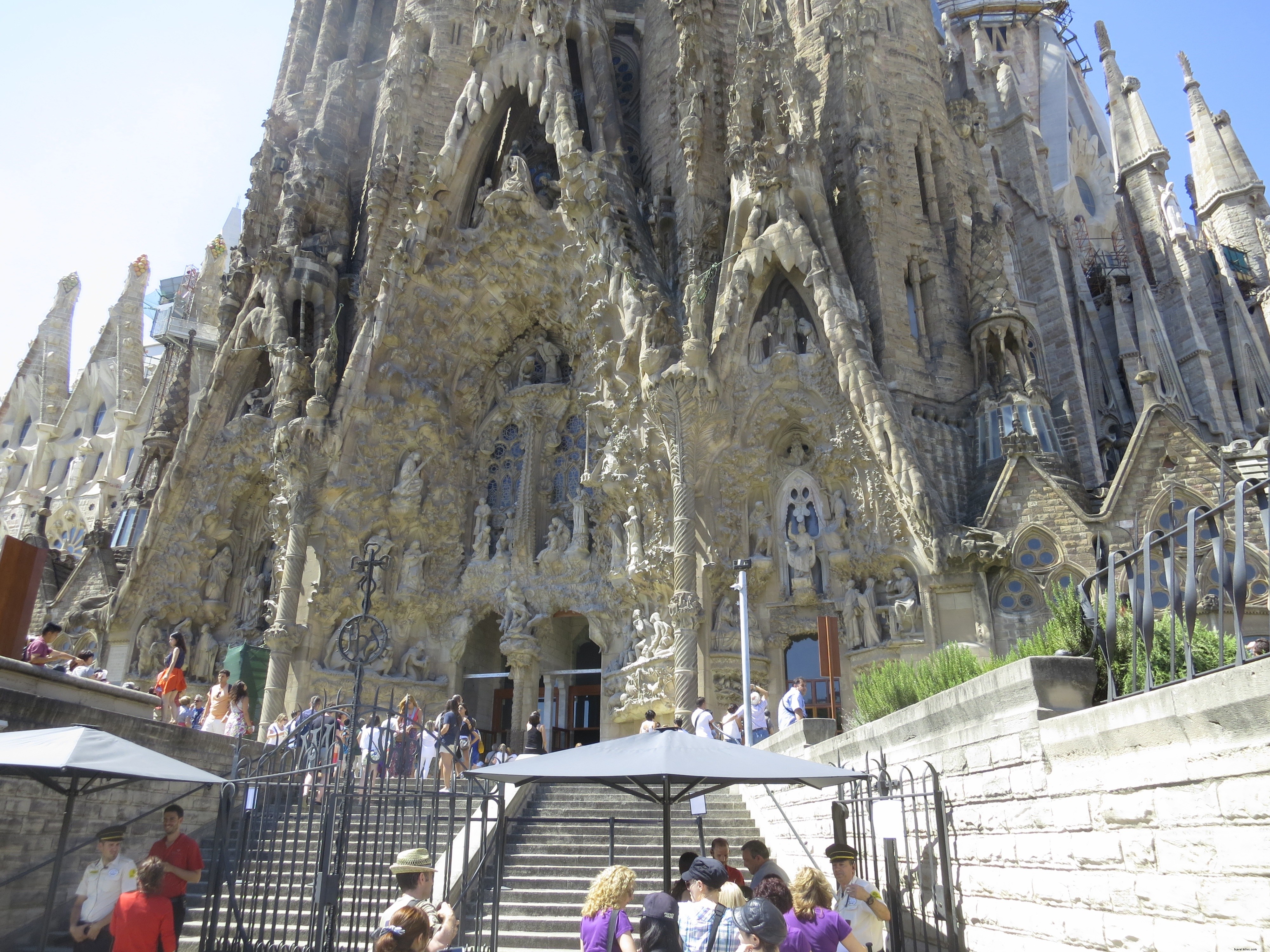
Design of La Sagrada Família
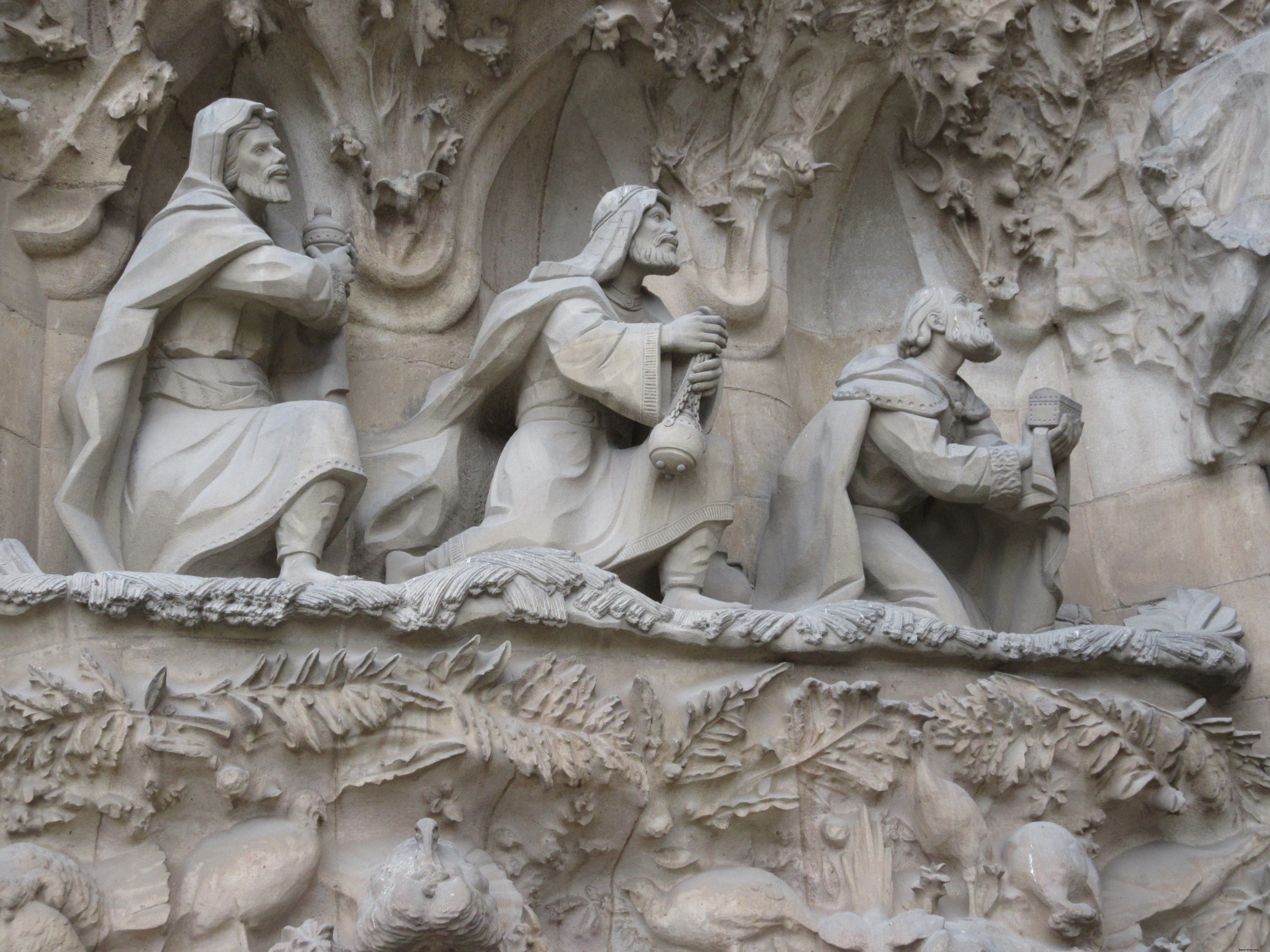
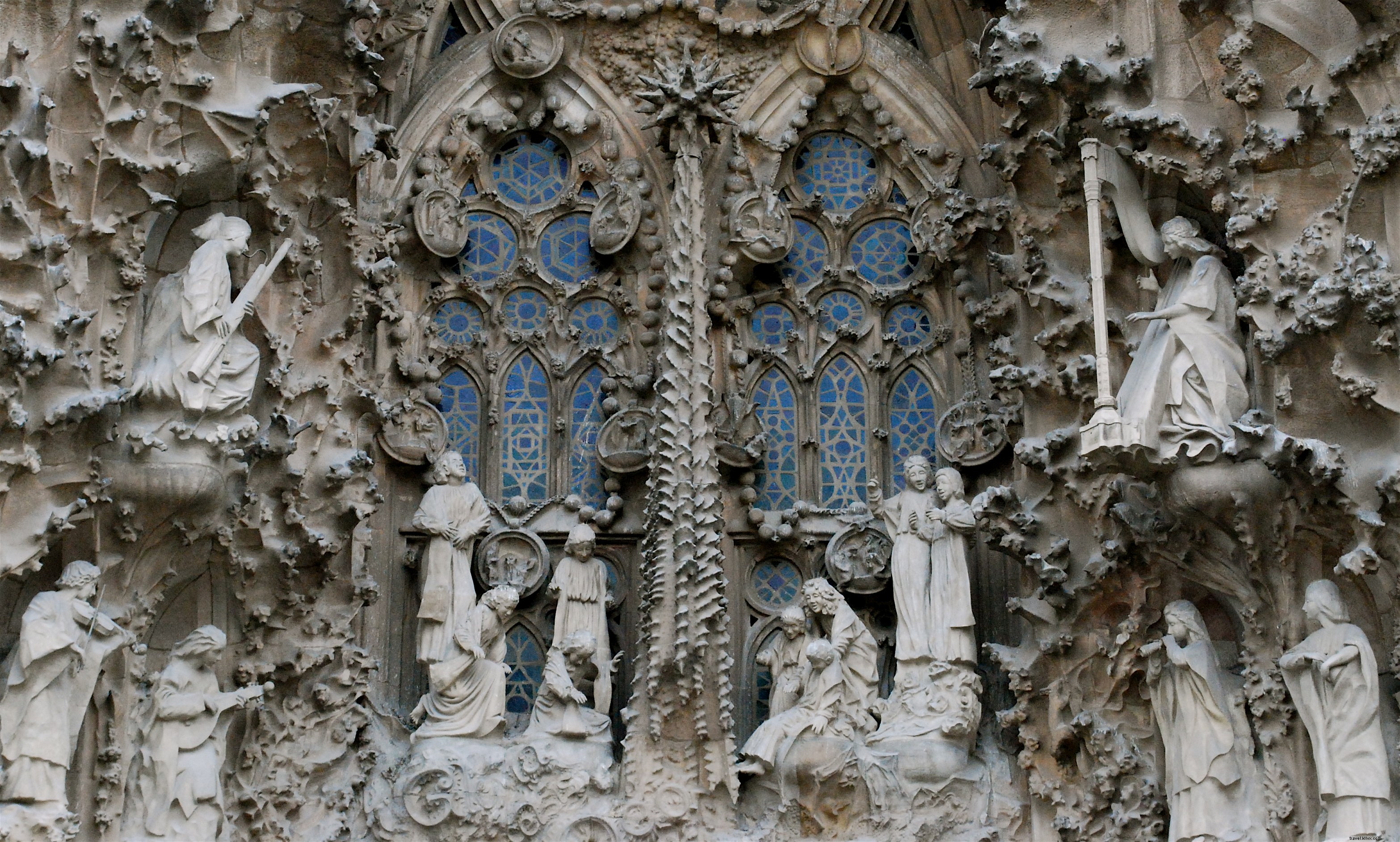
After completing the Gothic apse and crypt, Gaudí pursued organic forms mimicking nature, with interiors evoking a forest through branching, inclined columns for structural integrity.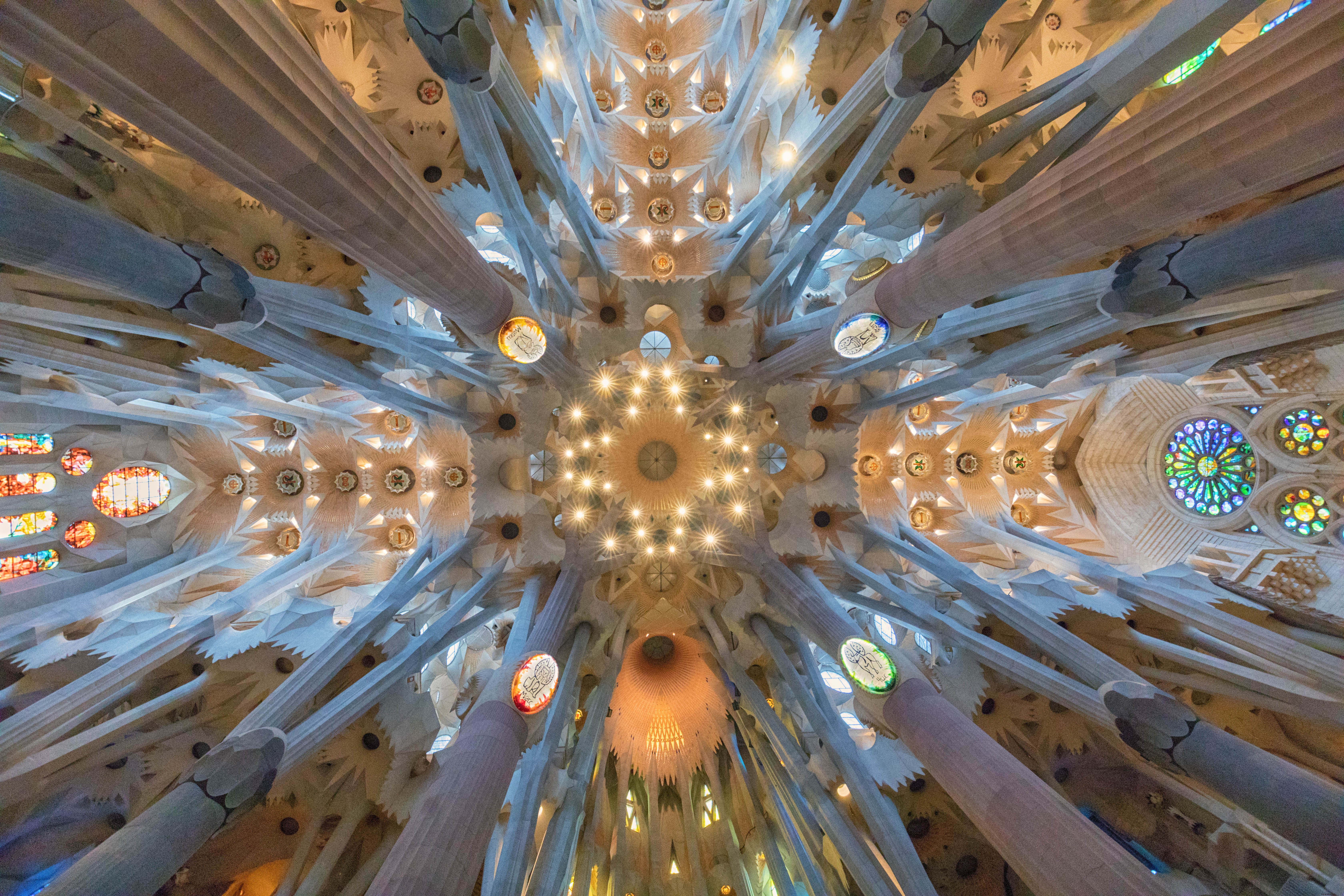 Drawing from projects like Park Güell and Colònia Güell crypt, the cruciform plan features a main nave with four aisles, a three-aisle transept, and an apse with seven chapels. Three façades represent Christ's Nativity, Passion, and Glory. Eighteen towers symbolize the Apostles (12), Evangelists (4), Virgin Mary (1), and central Jesus tower (172.5m tall).
Sized like a cathedral but without straight lines or right angles, it harmonizes structure and decoration seamlessly.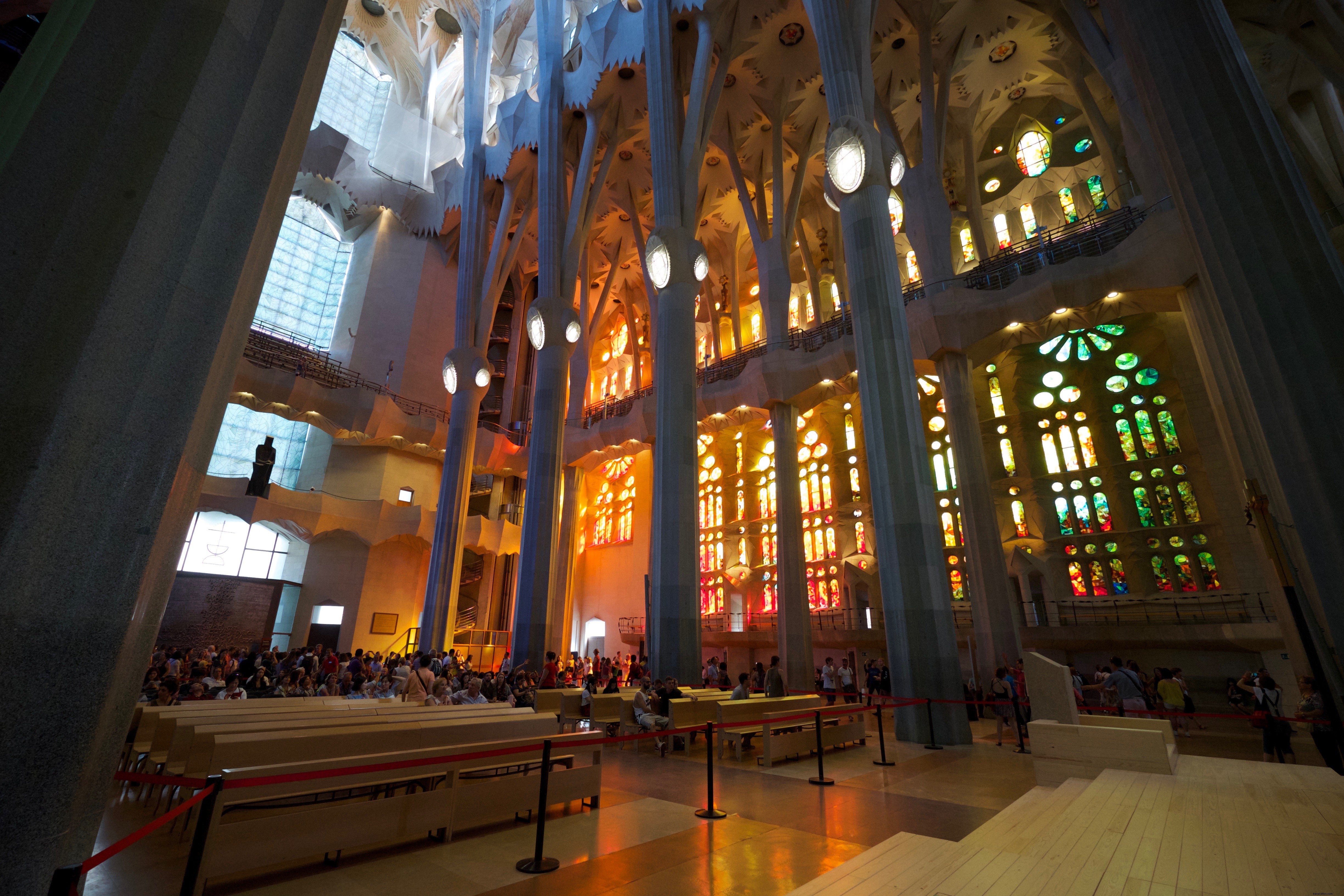
Current Construction Status
In 2015, chief architect Jordi Fauli reported 70% completion, entering the final phase with six central towers. The main structure targets 2026—Gaudí's centennial—with decorations by 2032. Advanced computer-aided design accelerates progress.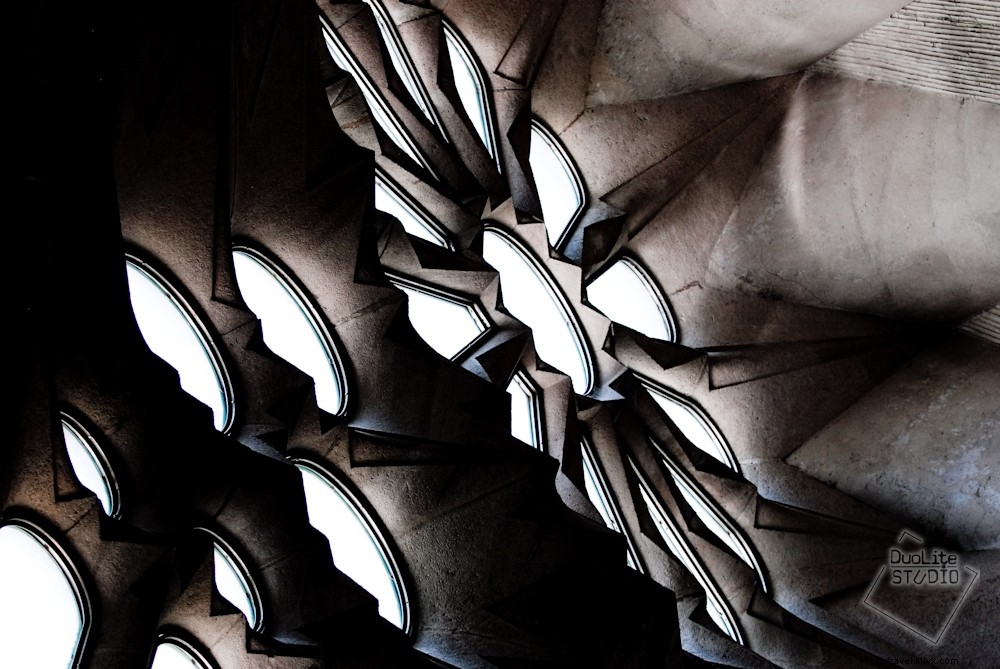
Why Visit La Sagrada Família
An enduring symbol of Barcelona since 1882, La Sagrada Família embodies Gaudí's visionary genius. Explore its exterior and interior wonders—your €15-€20 ticket supports the €25 million annual budget, funded by visitors and donors.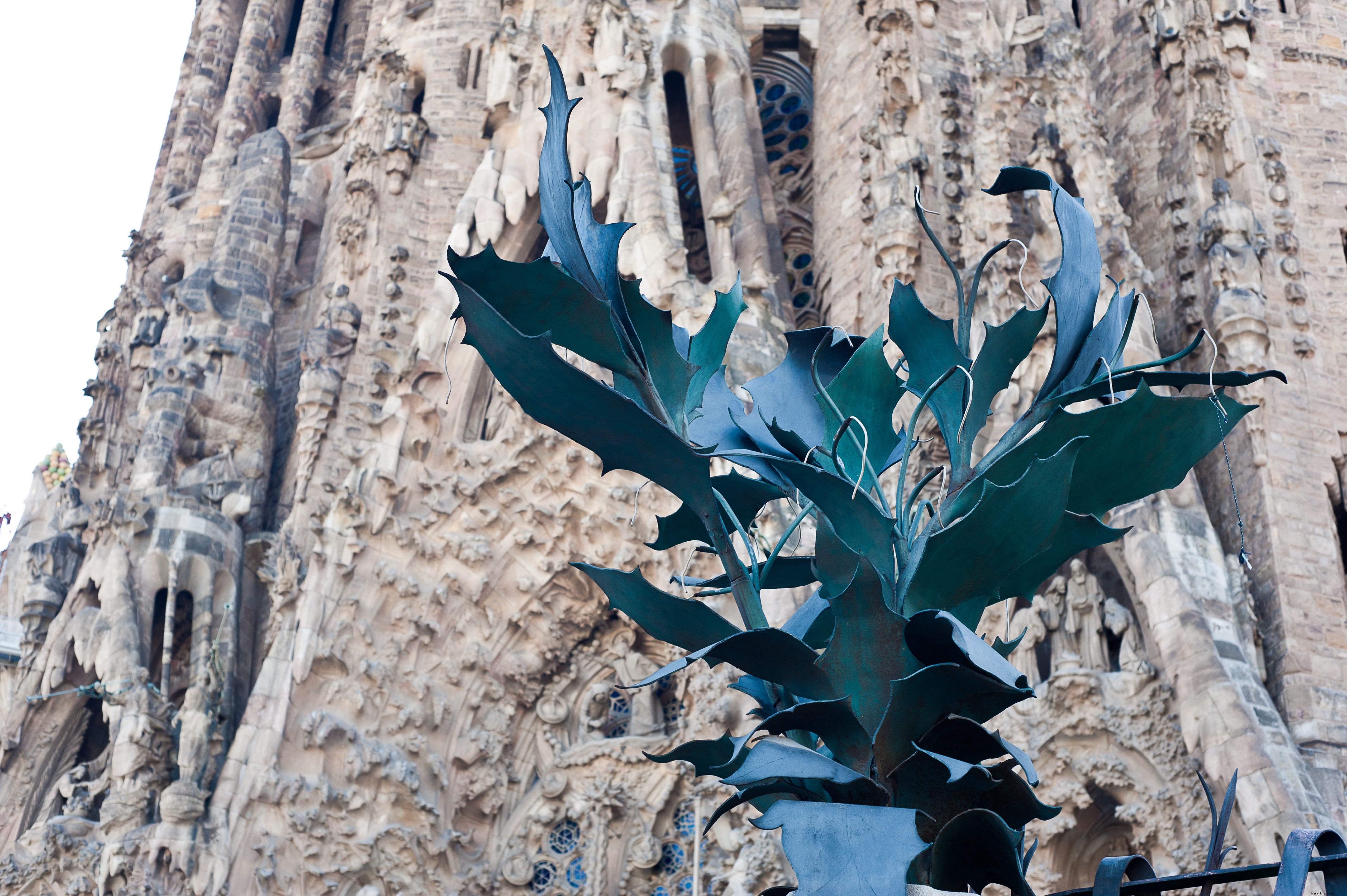 Photo Credits: All images via Flickr Creative Commons. (1) Sagrada Familia by Neusitas; (2) Sagrada Familia details by NH53; (3) Sagrada Familia by Ted & Dani Percival; (4) Sagrada Familia facade by Alper Çuğun; (5) Sagrada Familia facade by Valerie Hinojosa; (6) La Sagrada Familia inside by Michael Levine-Clark; (7) Familia Sagrada inside by Iwao Kobayashi; (8) Detail in Sagrada Familia by Brian; (9) Sagrada Familia Detail by Tamara Polajnar.