

decorative font style

Chichén Itzá: Mexico's Iconic Maya Ruins – Ultimate Visitor Guide & Tips
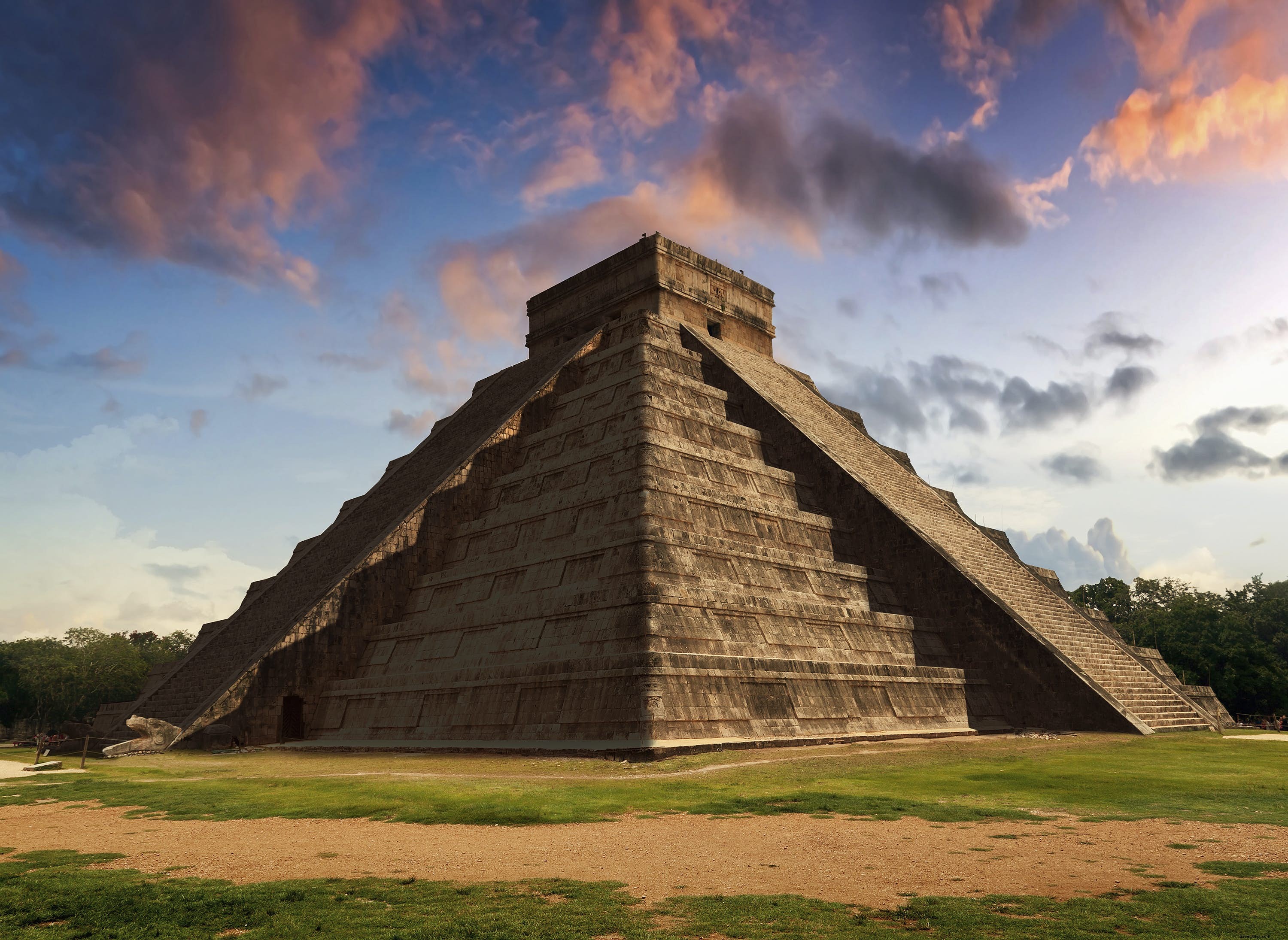
Chichén Itzá: Mexico s Iconic Maya Ruins – Ultimate Visitor Guide & Tips

Chichén Itzá, meaning 'mouth of the well of the Itzáes' in Mayan, is a breathtaking Mayan ruin renowned for its iconic structures and profound historical significance. Despite large crowds, it's an unmissable site. Visible from distant Ek' Balam, it stands as Mexico's premier Maya archaeological wonder. Hire a certified guide for expert insights, or simply explore on foot to appreciate this pinnacle of pre-Columbian civilization.

During the vernal and autumnal equinoxes (around March 20 and September 22), sunlight casts a dramatic serpent shadow ascending or descending El Castillo's staircase—a must-see phenomenon. Expect massive crowds on these days; opt for the preceding or following week for similar effects with fewer visitors. The illusion is recreated nightly (except Mondays) in a captivating light-and-sound show. With your own car, catch Dzibilchaltún's sunrise north of Mérida, then arrive at Chichén Itzá by mid-afternoon for dual spectacles.

Intense heat, humidity, and crowds demand strategic timing: arrive early morning or late afternoon. The 5pm closure is strictly enforced—exit gates well before, as many areas shut at 4:30pm. For crowd-free access (5am-8am), book a premium private tour at M$1500 per person, including transport and entry, through Kukulkan Rising Tours.

A mesmerizing 45-minute sound & light show begins at 8pm (summer) or 7pm (winter). Preorder tickets online at www.nochesdekukulkan.com.


Tourist Attraction
  • -

    Discover the archaeological treasures of Chiapa de CorzoChiapa de Corzo still conserves vestiges of its first inhabitants, the “Zoque”, who were farmers and built the ceremonial center that can be visited today. One of the most important pieces of this place is a stele on which is engraved the date of the year 36 BC, the oldest date found among the vestiges of Mesoamerica. Other structures that you can see in the area are a series of platforms that give the idea that on these they built tem

  • -

    Touring ancient MexicoFew minutes away from the Historical Center, in the Vista Hermosa neighborhood, you can visit the Zona Arqueológica de Teopanzolco (Teopanzolco Archaeological Zone), which in Náhuatl means “place of the old temple”. This settlement originally would have been inhabited by Tlahuicas and later by Mexicas. Discovering the vestiges of TeopanzolcoThis two hectares (4.9 acres) and 14 buildings site is relatively small and can be covered in about an hour. The main buildin

  • -

    The representation of Izamal According to historians, Izamal maintained magnificent connections with all cities, by means of the sacbés or “white roads” that allowed the city to have control of the territory of more than six thousand square meters in the north of the peninsula. This happened during the Preclassic period - about 2,700 years ago. Even then, Izamal already had a whole community planned, with its pyramids and buildings that refused to disappear, such as