
Palatki Heritage Site: Ancient Cliff Dwellings and Pictographs in Sedona's Red Rock Country
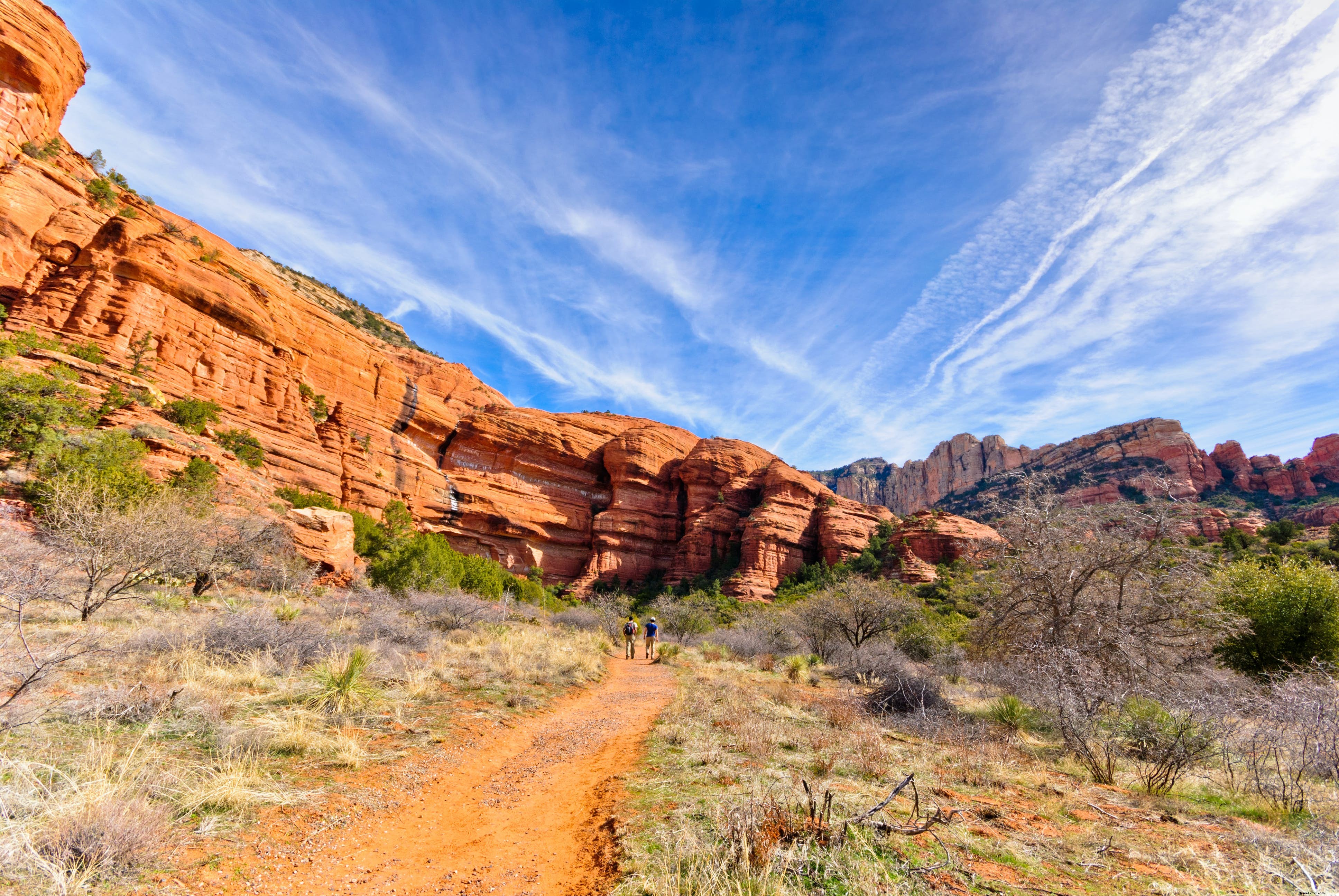
Venture beyond Sedona's urban fringes, and the landscape unveils the region's rich history. Explore hidden swimming holes, natural sandstone bridges, and enigmatic rock art left by prehistoric peoples who lived lightly on the land before mysteriously vanishing. Archaeologists recognize Palatki Heritage Site—and its counterpart, Honanki—as home to the largest concentrations of pictographs in the Verde Valley.
Nestled in Coconino National Forest, Palatki features cliff dwellings and rock art from the Archaic period (3,000–6,000 years ago). It remains an active archaeological site where experts decipher evidence from indigenous cultures that once thrived in central Arizona.
The rugged drive to Palatki, lined with towering red rocks, prickly pear cacti, and flash-flood-scarred streambeds, highlights the endurance of these ancient inhabitants in the high desert. Summers soar above 100°F; winters blanket Sedona's 5,000-foot monoliths in snow. Yet at the end of the gravel road, U.S. Forest Service-guided tours bring these stories to life.
A Storied History
Three million years ago, Red Canyon's site—where Palatki now stands—was a series of shallow ocean inlets and swampy river deltas depositing iron-rich Supai sandstone, sculpted by wind and water into vibrant red and orange cliffs. Here, the Sinagua people constructed cliff dwellings, while Hopi, Apache, Navajo, and Yavapai added their symbolic rock art.
The canyon's diverse flora and fauna sustained indigenous peoples for millennia. They gathered seeds, berries, walnuts, agave, yucca, prickly pear, and pinyon pine for food and medicine, processing them with metates (grinding stones). Agave hearts were fire-roasted using flake-stone knives—a vital food source and ritual for Apache and Navajo. Deer and antelope provided hunted game.
Though occupied for thousands of years, Palatki was first systematically surveyed by non-indigenous explorer Dr. Jesse Walter Fewkes of the Smithsonian Institution in 1895 and 1911. Naming it after the Hopi term for 'red house,' Fewkes advocated for protecting sites like Palatki and Honanki based on his studies of Zuni and Hopi traditions.
In 1924, settler Charles Willard acquired nearby land, living in a cave near the alcoves until building his ranch house (now the visitor center) in 1925. He cultivated orchards and gardens, residing there until 1938.
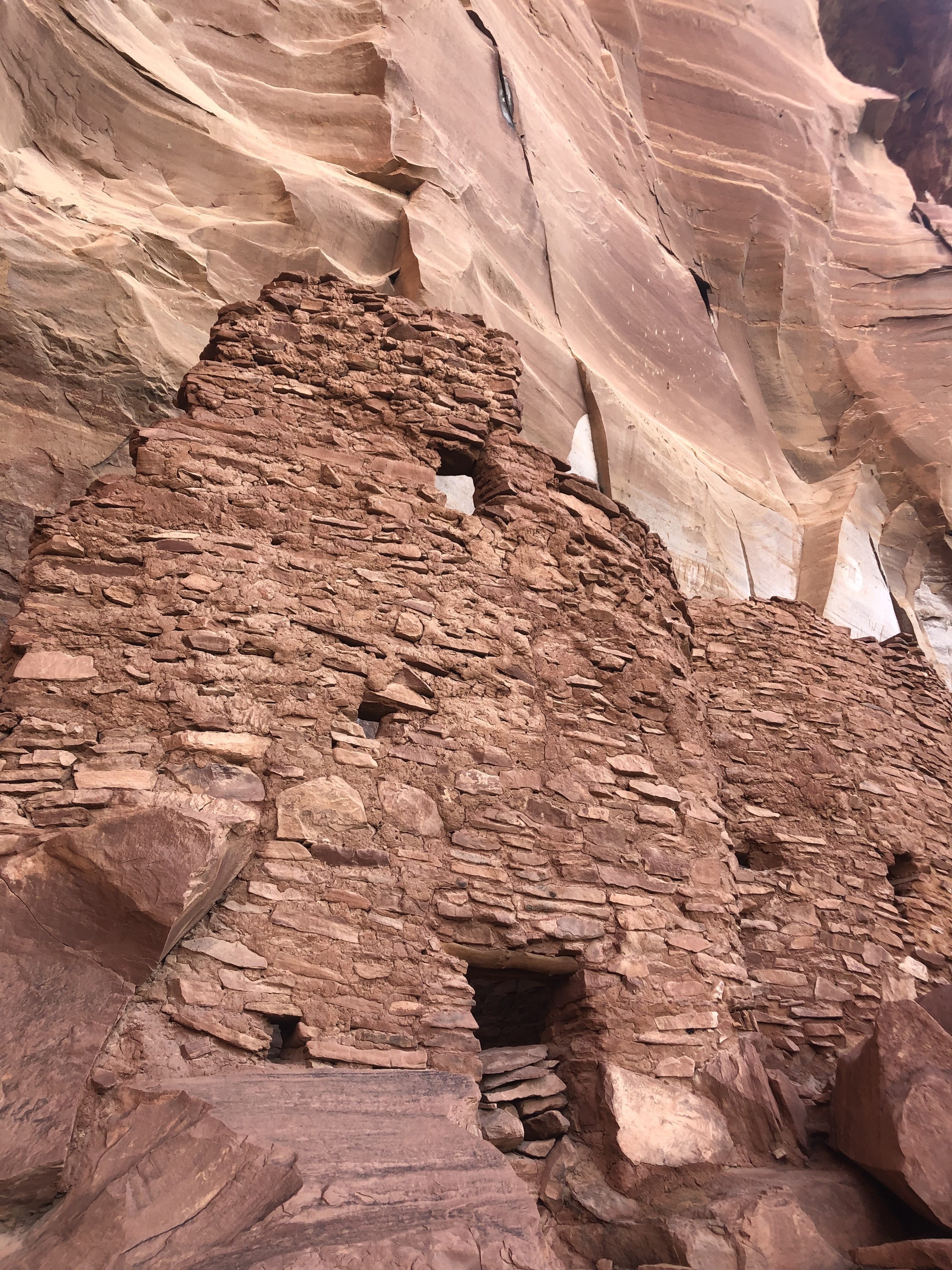
Cliff Dwelling Ruins
Three short trails from the visitor center lead through moonflower and horse nettle to Palatki's key sites beneath Red Canyon's cliffs. The 0.1-mile Palatki Ruins Trail climbs steeply to Sinagua cliff dwellings occupied from 1100–1275 CE—one of their largest communities.
Constructed with Supai sandstone, the three-story structure's two rooms likely housed single families, accommodating 60–80 residents. Original roofs of wooden beams, branches, grass, and mud have vanished, but light reveals clan symbols and fingerprints. Excavated middens yielded agave remnants, corn cobs, and pottery shards.
The Verde Valley's human history spans 12,000–20,000 years. The Sinagua—named 'without water' in Spanish—arrived around 650 CE. Without written records, their migrations remain speculative, but Hopi oral traditions suggest relocation to Tuzigoot or Montezuma Castle due to drought, disease, or conflict. By 1450 CE, they had departed the valley.
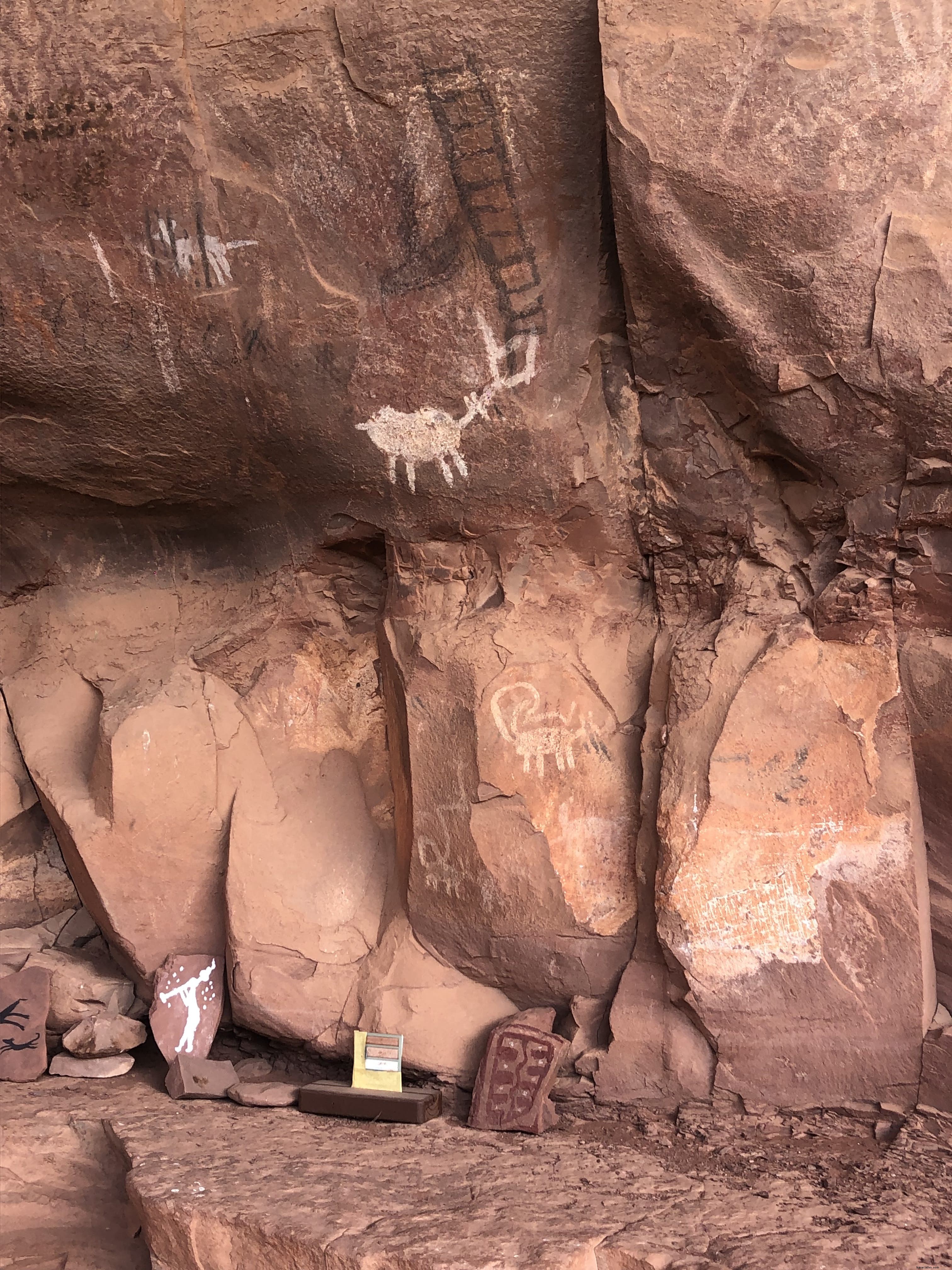
Rock Art Examined
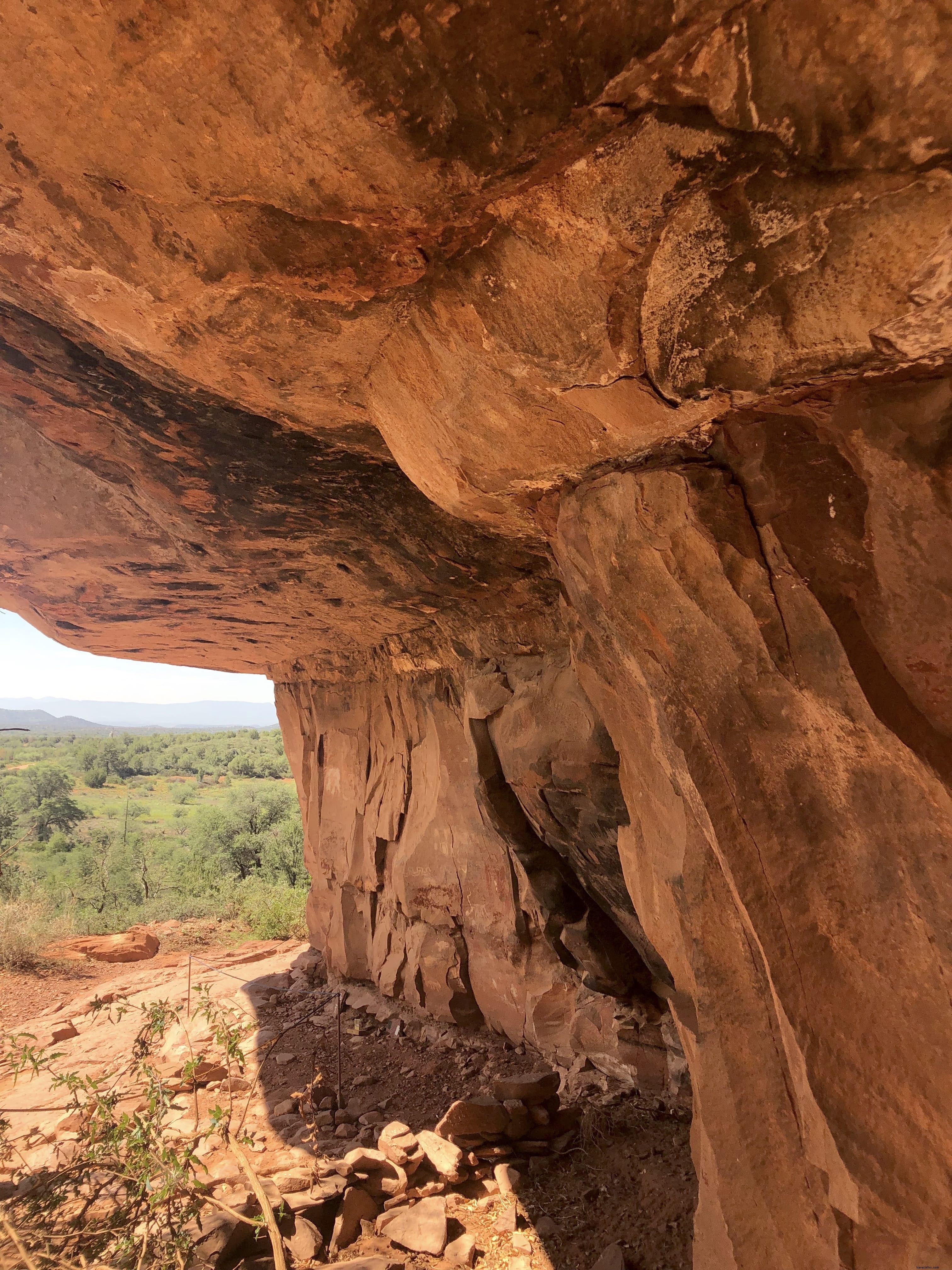
Palatki's cliff grotto and alcoves bear a layered palimpsest of pictographs—painted symbols from myriad authors over millennia. Ongoing archaeological dust studies recreate pigments to decode their meanings.
Unlike carved petroglyphs, pictographs use natural pigments mixed with binders like animal fat. A prominent red zigzag may depict a mountain; vertical waves symbolize water; inverted Vs align as sundials with peaks. White antelope are Yavapai work. A 'man on a horse' postdates 1583, marked by Spanish graffiti introducing horses.
Nearby, a stone-ringed agave roasting pit features soot-blackened animal figures. Willard’s former cave, now bat habitat, shelters further art. Every crevice offers clues to Palatki's ancient residents.
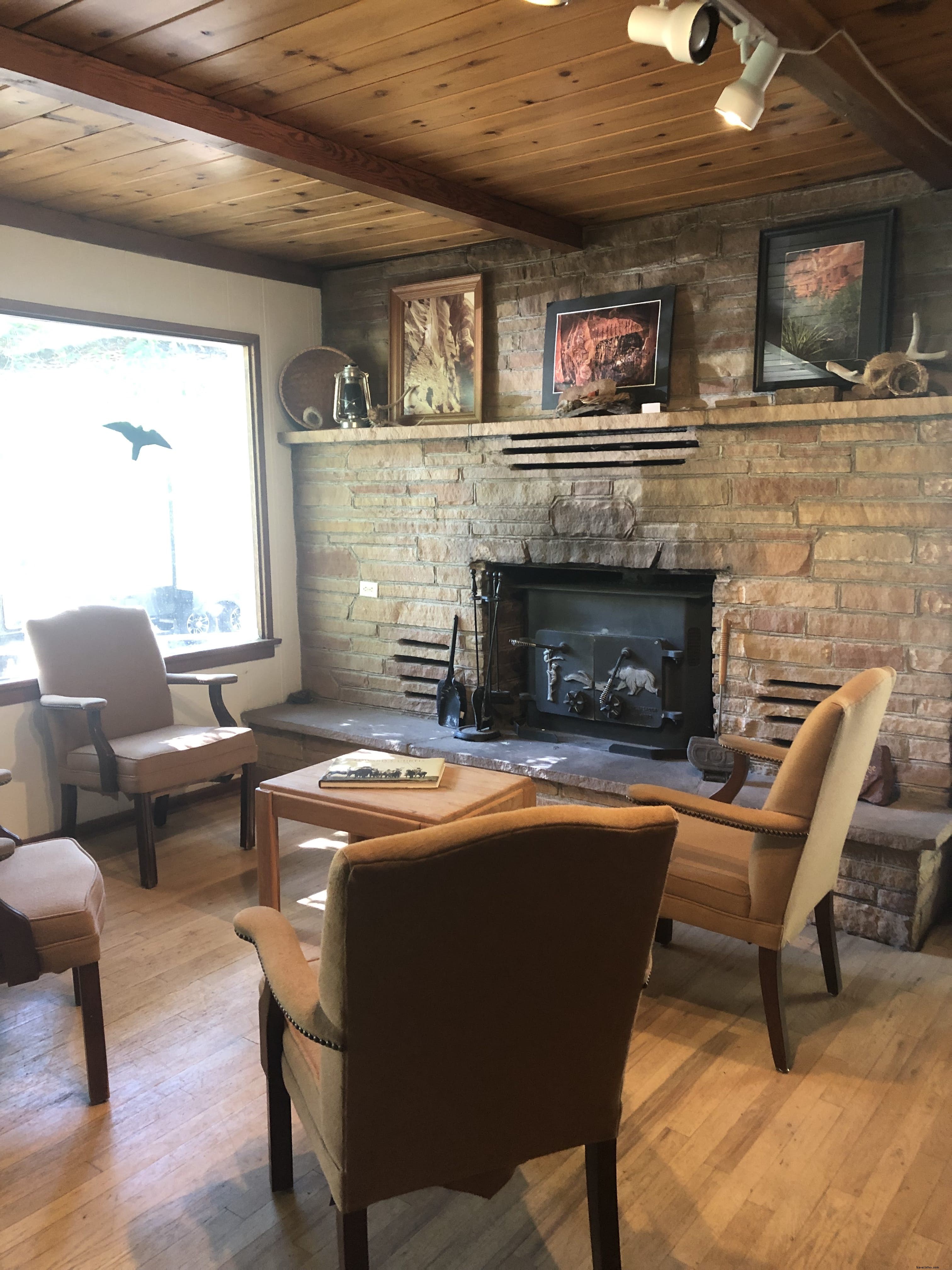
Plan Your Visit
Reservations are required for Palatki (call 928-282-8354), including a 1-hour guided tour. Open daily 9:30am–3pm (last tour 2pm), closed Thanksgiving and Christmas. Arrive 10+ minutes early to view exhibits with artifacts like arrows and tools.
Access via rough gravel road requires high-clearance vehicles. Multiple routes from Sedona.
No entry fee, but a Red Rock Pass ($5/day) is needed unless hiking in. Pets prohibited beyond parking.