San Antonio River Walk: The Ultimate Guide to Paths, Dining, Tours, and History
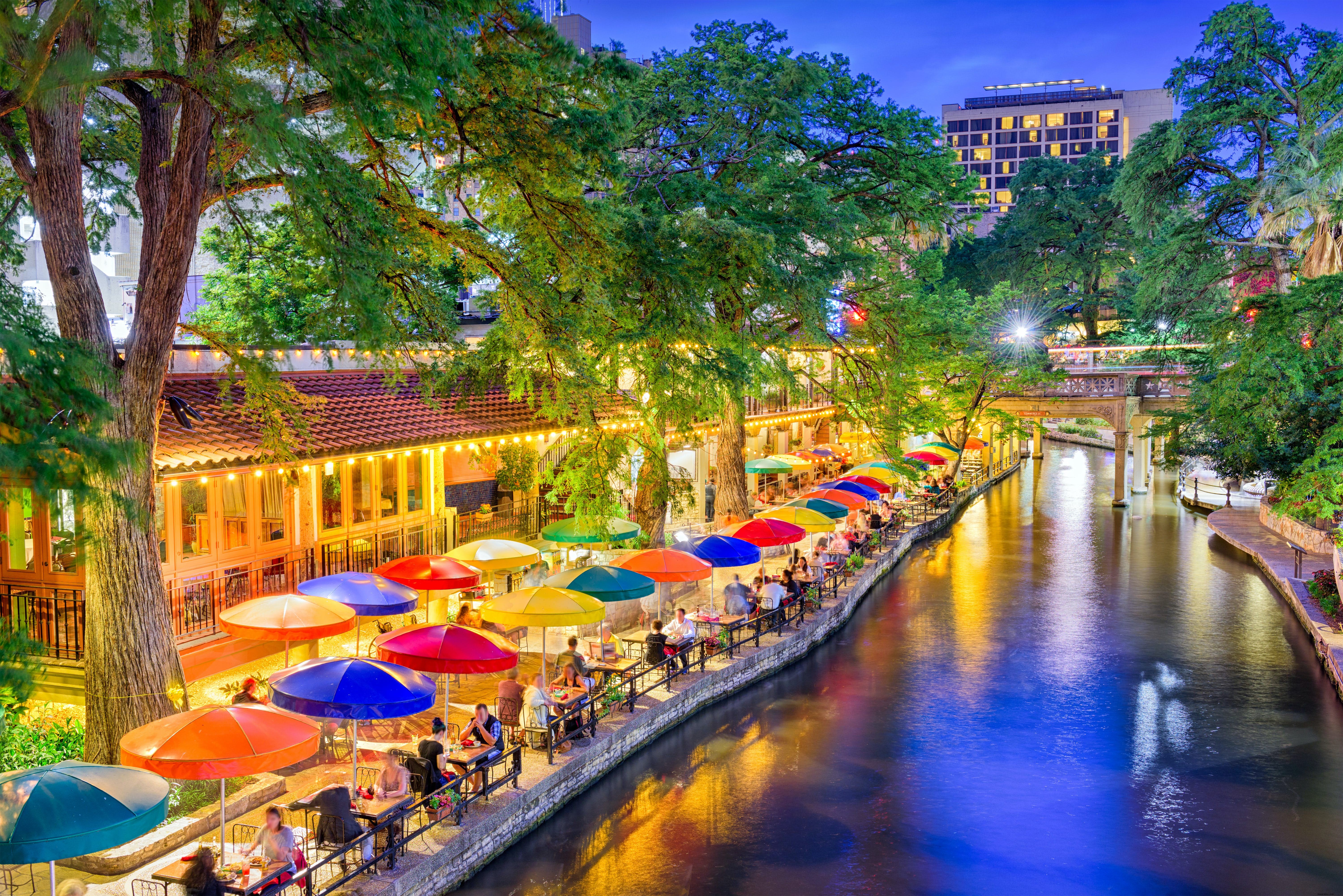
The San Antonio River Walk is a celebrated 15-mile network of scenic waterside pathways nestled below street level, lined with lively bars and restaurants. Ranked among the top attractions in San Antonio, it's ideal for leisurely strolls through downtown and beyond, featuring landscaped gardens, riverside cafés, and elegant stone footbridges spanning the water.
While summers bring crowds, quieter periods—especially further from downtown—and holiday seasons with twinkling lights create a serene, enchanting atmosphere.
River Walk Extensions
The River Walk now stretches extensively north and south of downtown. The 8-mile Mission Reach extends south through the King William District to the historic Spanish missions. The 4-mile Museum Reach runs north to the San Antonio Museum of Art, Pearl Brewery complex, and Brackenridge Park.
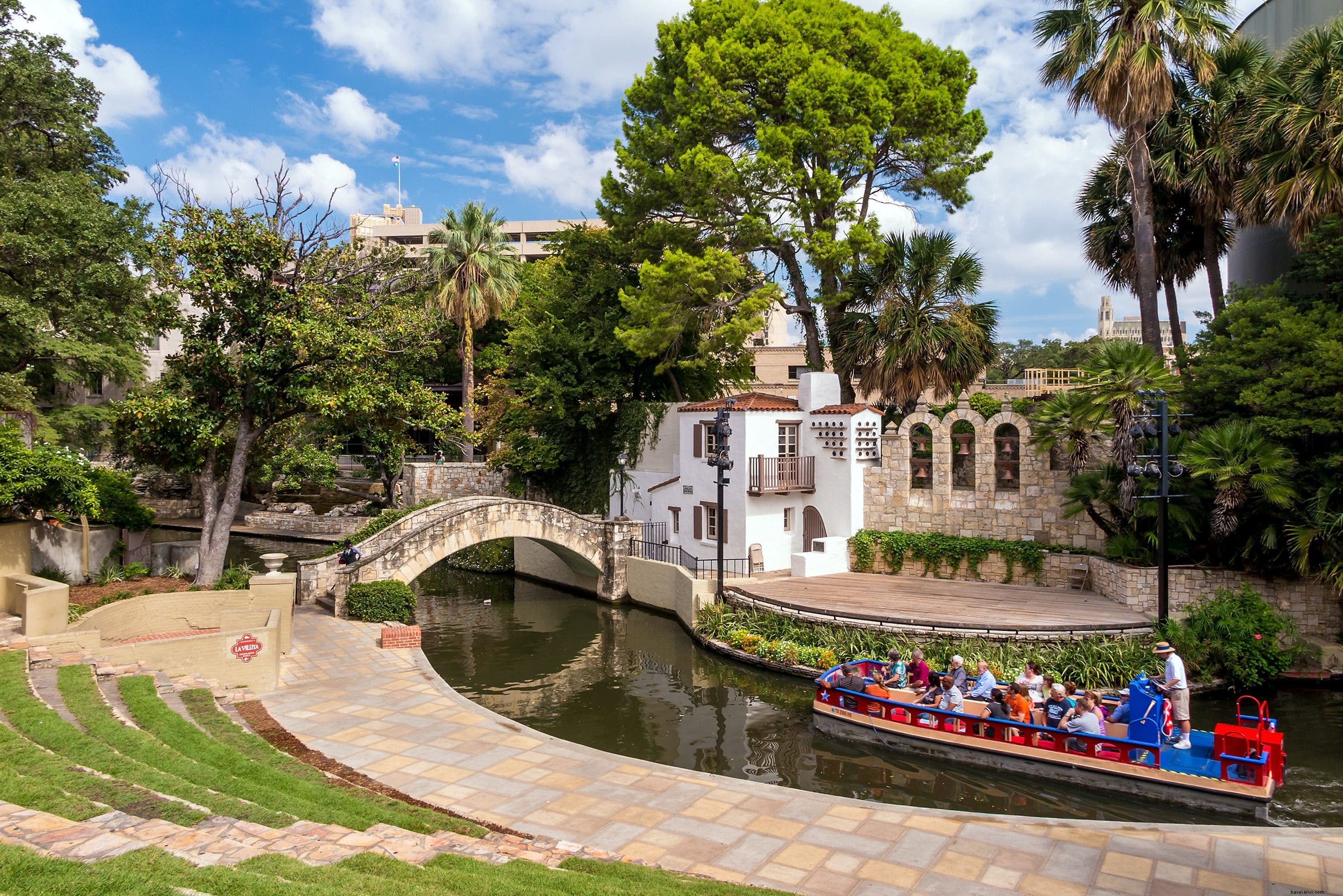
River Walk Dining
The River Walk's picturesque setting instantly elevates any restaurant, particularly those with patios. Prices tend to be premium, so select carefully. Standouts include Biga on the Banks, offering a masterful fusion of European, Tex-Mex, American, and Asian flavors, and beloved local spot Boudro's Texas Bistro.
River Walk Boat Tours
Complement your walk with a Go Rio narrated cruise. These 35-minute tours depart every 15-20 minutes, providing stunning river views and key historical insights. No reservations required; tickets available online or at booths at 706 River Walk, Rivercenter, and Aztec Theater.
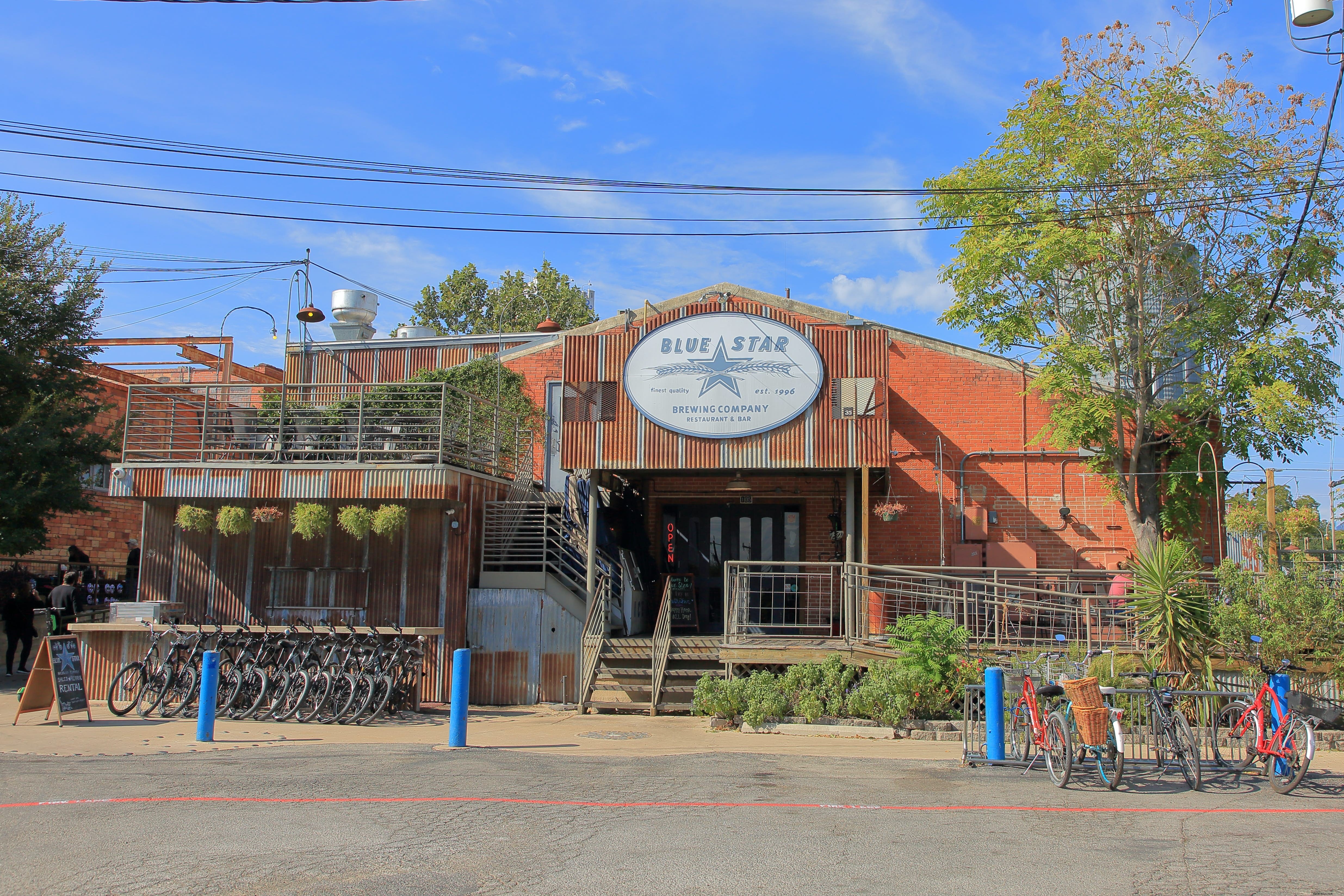
Cycling the River Walk
Biking is prohibited on the downtown River Walk; use surrounding streets instead. Beyond downtown, dedicated paths open up. Head north from Lexington Avenue along the Museum Reach to Pearl Brewery and Brackenridge Park. South from Nueva Street via the Mission Reach to the missions, noting a walk-your-bike section near Blue Star Arts Complex. Verify start points at the visitor center, heed signage to avoid fines, and consult the San Antonio River Authority website. Rentals available through the city's bike-share program.
The Creation of the River Walk
In 1921, catastrophic floods submerged downtown San Antonio in 10 feet of water from the overflowing river, destroying homes, businesses, and claiming up to 50 lives. The Olmos Dam was built to divert excess water via a bypass canal known as the Oxbow, intended as a temporary storm drain.
The San Antonio Conservation Society intervened to preserve and transform it into a public attraction. In 1938, the Works Progress Administration (WPA) took over, developing a vibrant promenade with shops and restaurants along a cobbled walkway—creating over 1,000 jobs and yielding one of the WPA's most iconic legacies.