Top 5 Premier Destinations to See Big Cats in the Wild: Lions, Tigers, Leopards & More
Spotting big cats in their natural habitat is a bucket-list dream for wildlife enthusiasts, yet it's an experience reserved for few due to dwindling populations, remote locations, and high travel costs.
These majestic creatures—the roaring giants like tigers, lions, leopards, snow leopards, and jaguars, alongside swift non-roarers such as cheetahs and pumas—captivate with their power and grace. With global populations declining annually, witnessing them roam freely grows ever more exclusive.
If big cats top your wildlife wishlist, here are the five premier destinations worldwide:
Prime Spots for Big Cat Sightings in the Wild
1. Lions, Cheetahs, and Leopards: Tanzania and Kenya
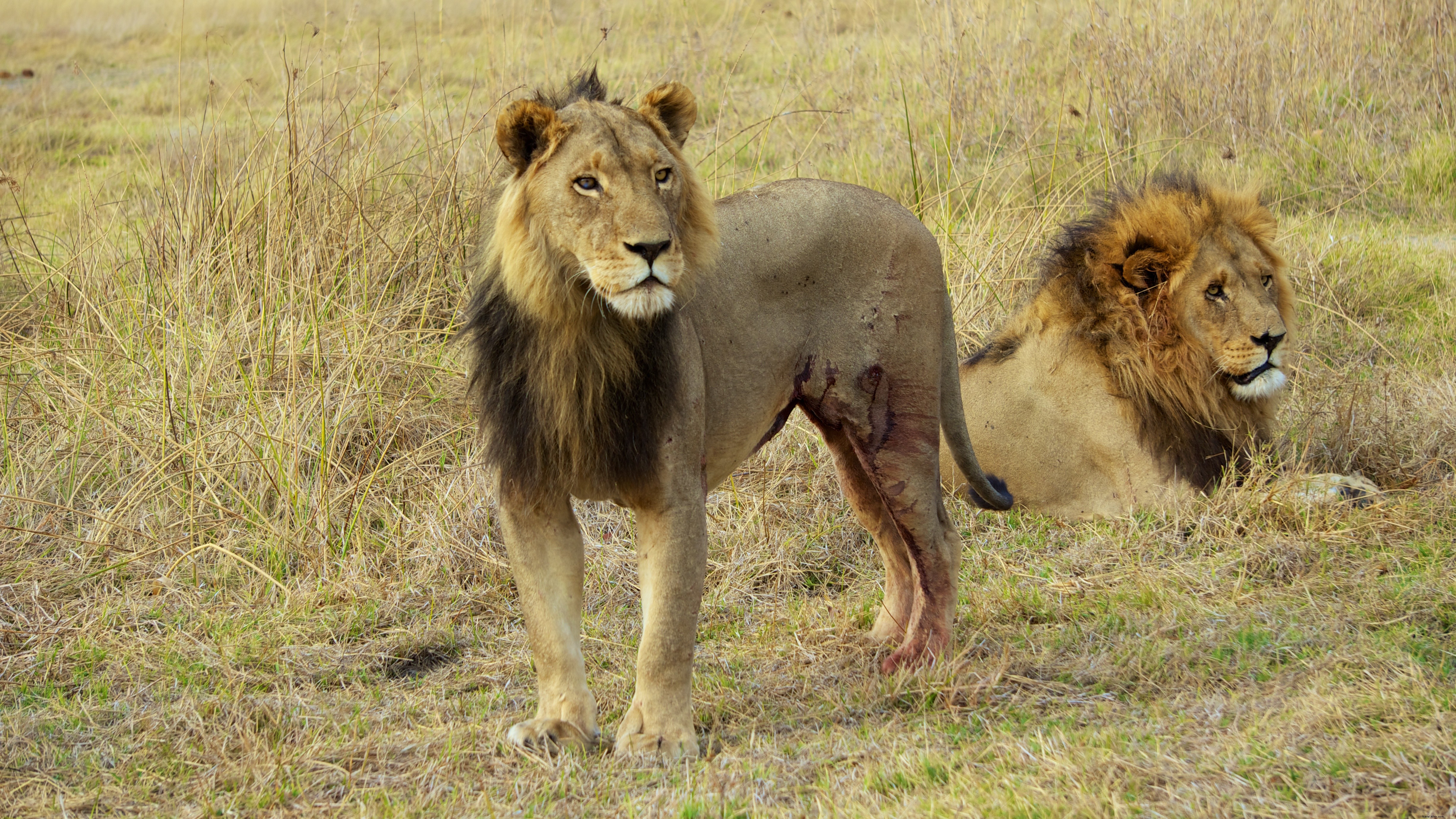
Africa offers the ultimate big cat diversity in one trip. Fewer than 25,000 big cats remain continent-wide, threatened by poaching and habitat loss. Safaris in wildlife conservancies guarantee lion roars and hunts, often including the Big Five (elephants, lions, leopards, rhinos, buffalo).
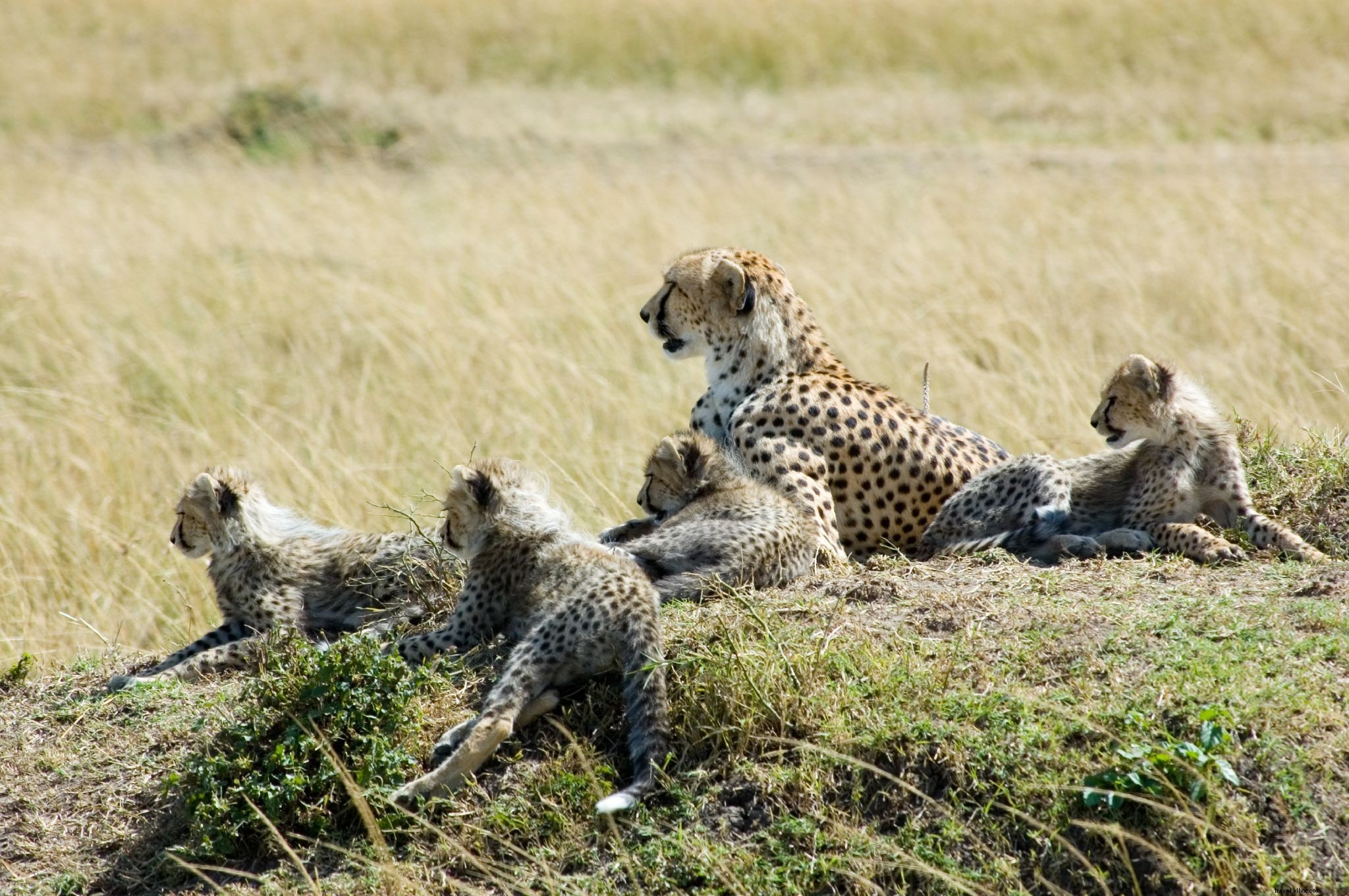
Tanzania leads with vast wildlife, especially cheetahs—Earth's fastest land mammal at up to 70 mph (114 km/h). Serengeti National Park's Namiri Plains (Swahili for 'Big Cat') hosts ~200 cheetahs, 3,000 lions, and elusive leopards.
Kenya's Maasai Mara National Reserve mirrors this, boasting high densities and all Big Five. Witness the Great Migration (July-October), with 1.5 million wildebeest drawing lions to the Mara River for dramatic hunts.
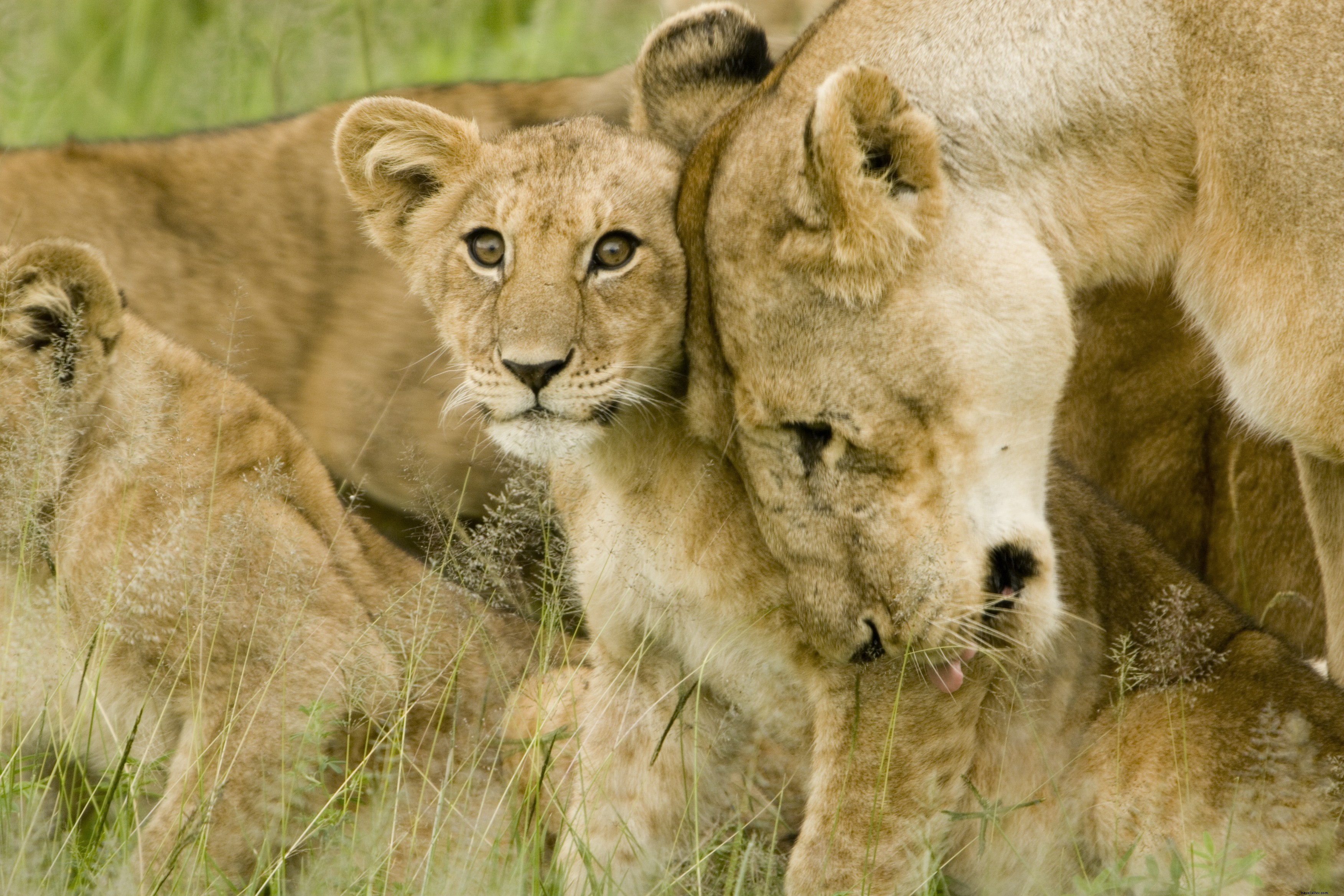
For pro-level photos like this, equip yourself with a high-quality camera, stabilized zoom lens, and fast memory cards to capture fleeting moments.
2. Tigers: India
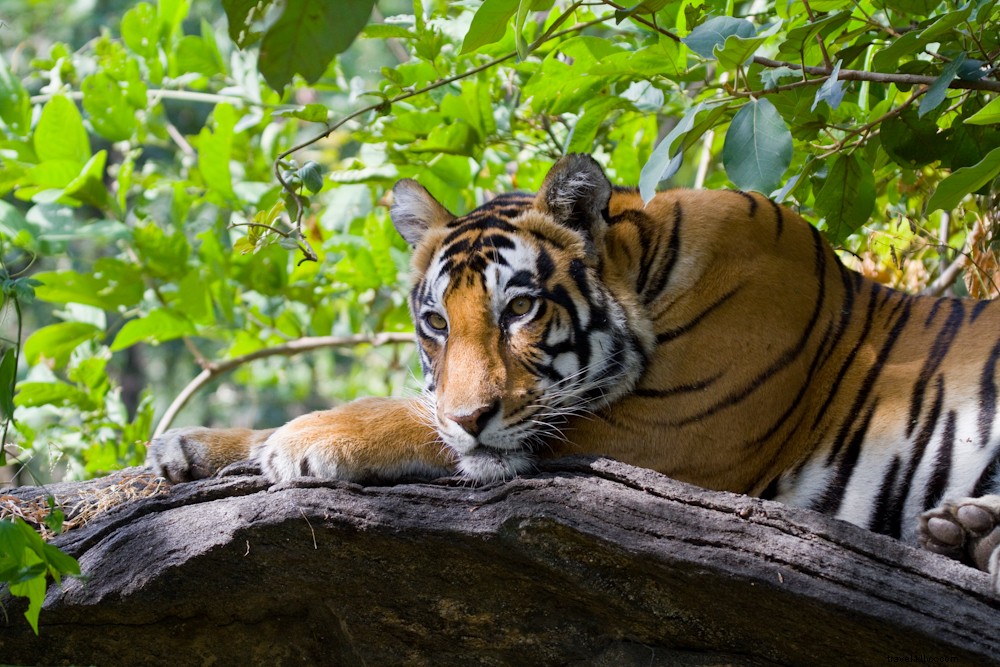
The world's largest cat, tigers tip scales at 660 lbs (300 kg). Under 4,000 remain wild, with India home to ~1,700 Bengal tigers. Madhya Pradesh shines: Bandhavgarh National Park (~50 tigers, near-guaranteed sightings) and Kanha Tiger Reserve (high success rates).
Prime season: April-June. More days boost odds. See CNN's guide for more Indian tiger spots.
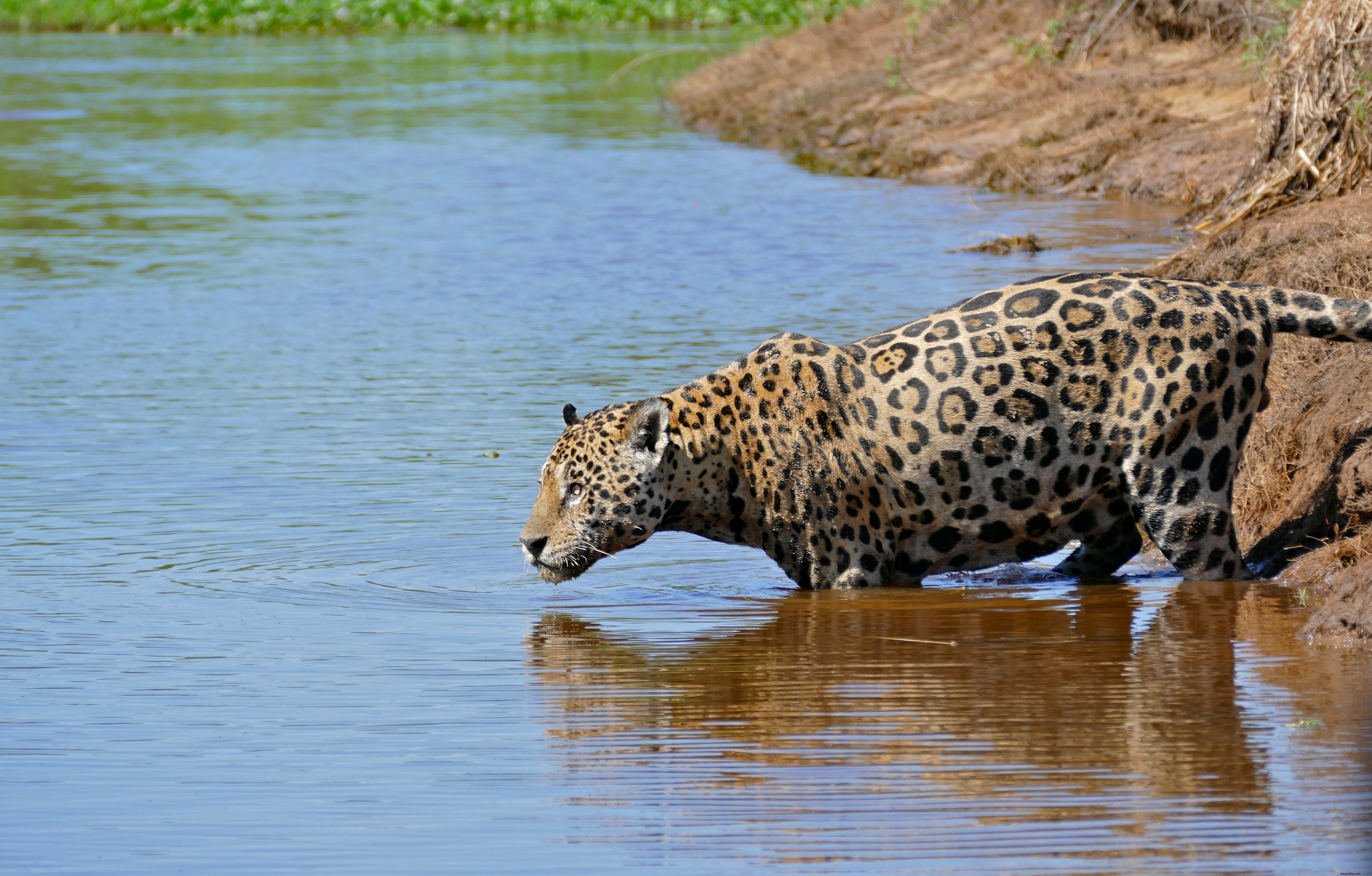
South America yields jaguars in Brazil's Pantanal—the globe's largest wetland (54,000-75,000 sq mi / 140,000-195,000 sq km). In Mato Grosso, dry season (July-September) draws jaguars (third-largest cats) to the Cuiabá River for daytime hunts, viewable by boat—up to three sightings daily.
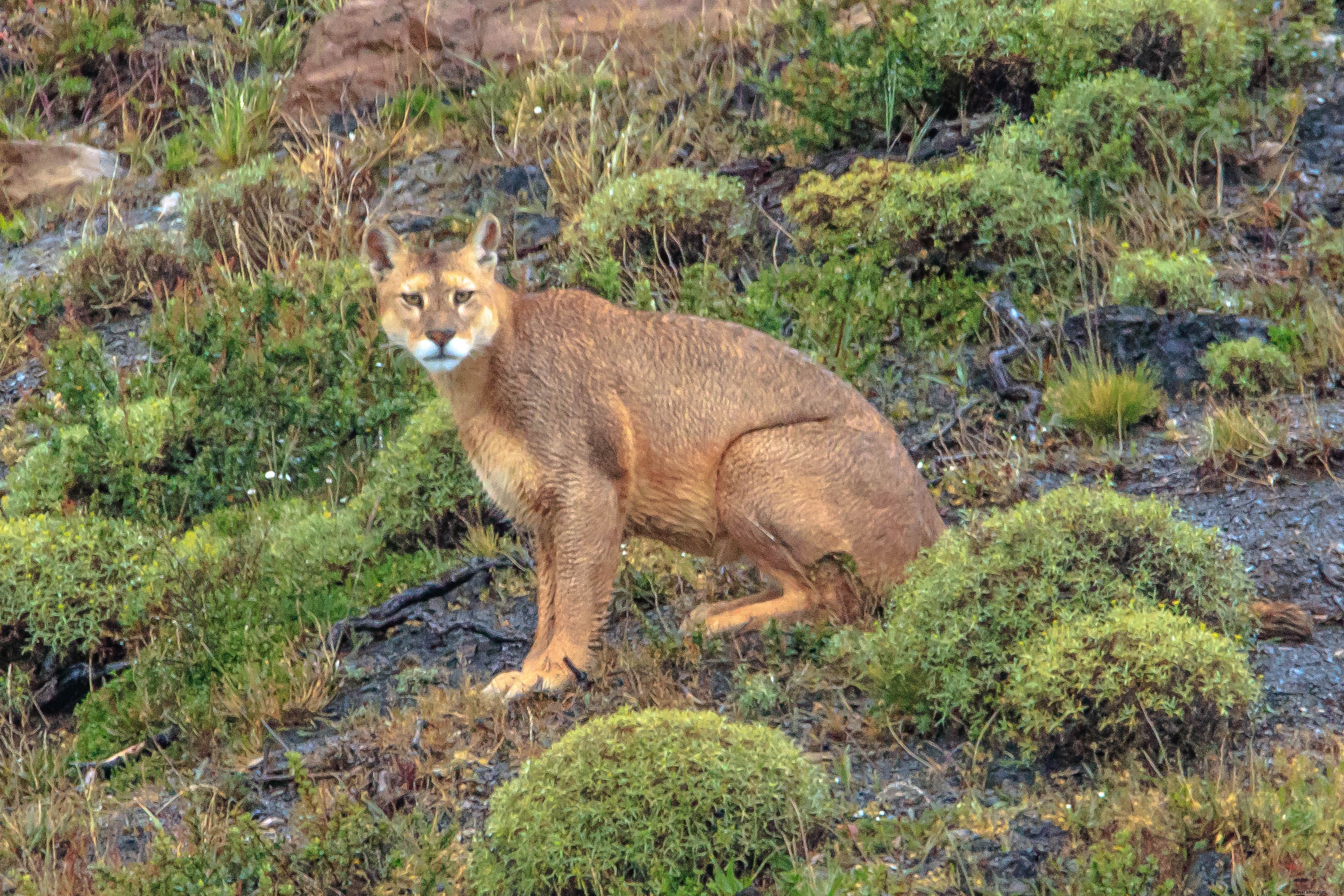
Extend to Chile's Patagonia for pumas (mountain lions), sprinting 50 mph and leaping 18 ft (5.5 m). Torres del Paine National Park requires expert guides for these shy cats. Fly into Punta Arenas (4-hour drive).
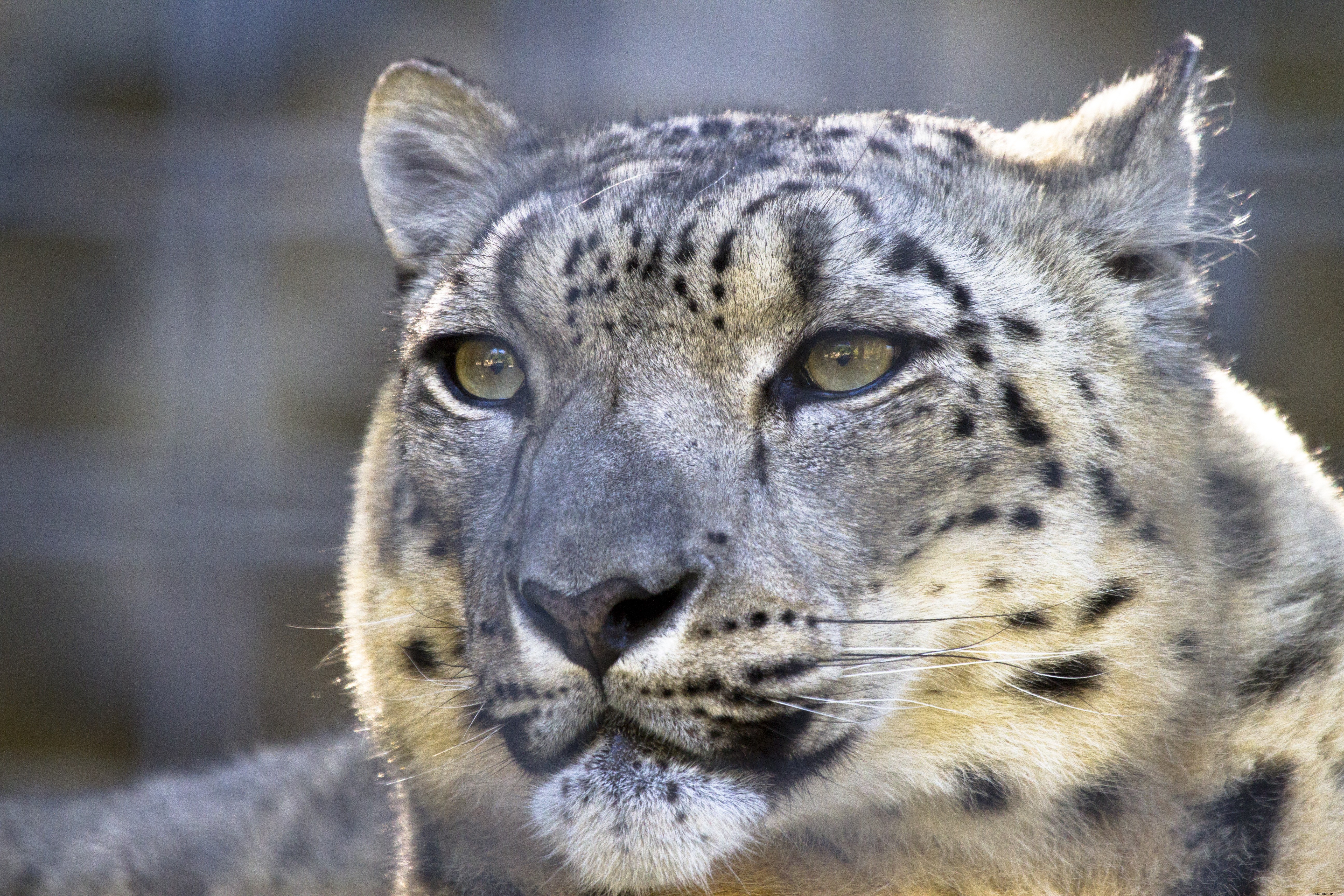
Snow leopards (~4,000-6,400 worldwide) demand the ultimate effort. India's Hemis National Park (Ladakh) hosts ~200. High-altitude treks in freezing (-13°F/-25°C) winter (Jan-Mar) scan slopes; no vehicles allowed. Flights to Leh (June-Sep) add challenge. Read Bloomberg's 'What to Know Before You Go Tracking Snow Leopards at 13,000 Feet.'
Leopards were a Sri Lanka trip highlight for me—700-950 roam this island nation, weighing up to 220 lbs (100 kg). Yala National Park boasts the world's highest leopard density. Stay near Tissamaharama or at Wild Coast Tented Lodge inside the park for seamless sightings.
Best: March-October (low water draws cats to lakes). Multiple safaris maximize chances.
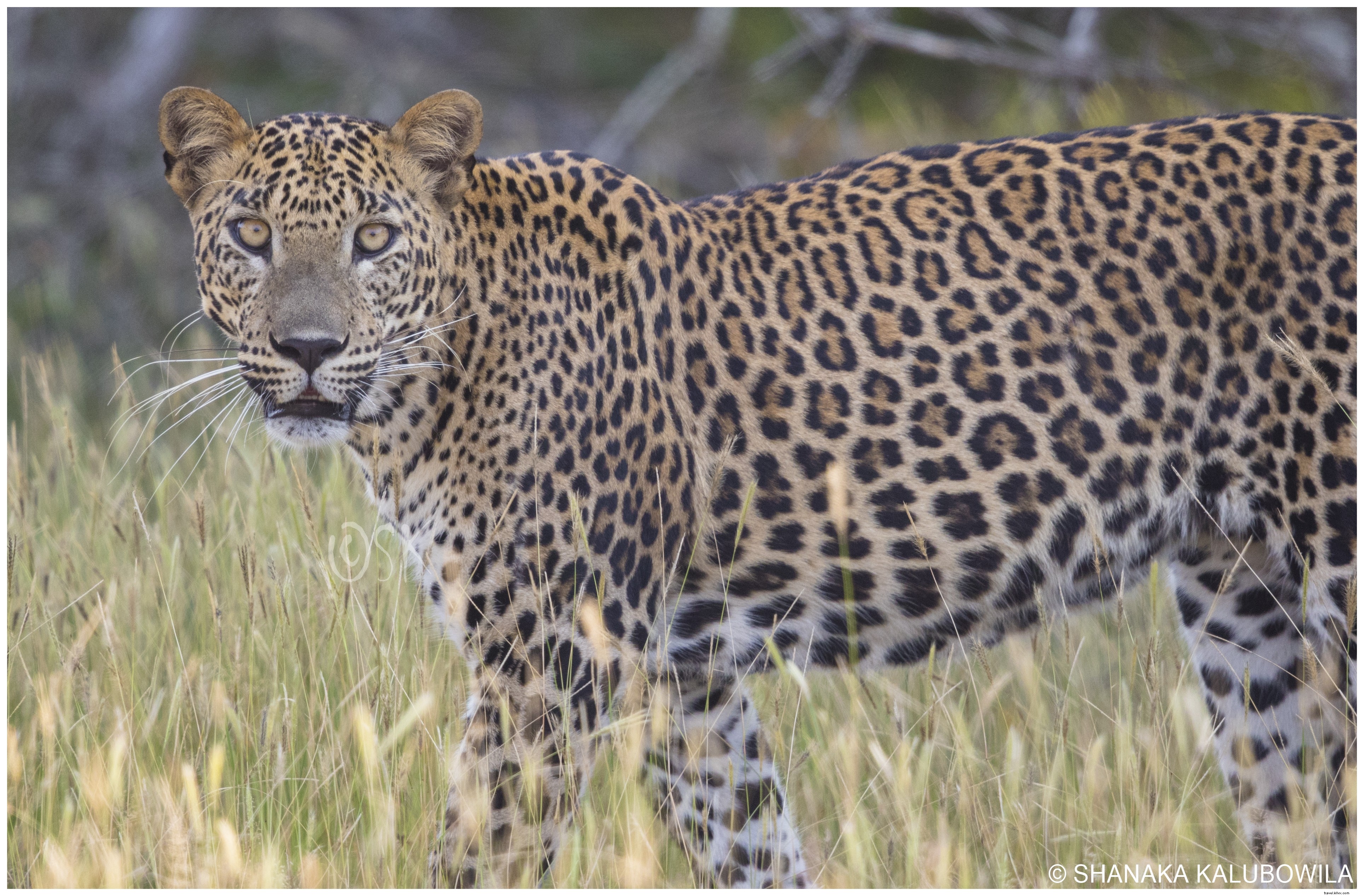
Photo Credits: All via Flickr Creative Commons. Title cheetahs by Derek Keats; Lion by Mario Micklisch; Cheetahs in Mara by Nick Ward; Lion mother/cubs in Serengeti by David Dennis; Indian Tiger by Brian Scott; Jaguar in Pantanal by Bernard Dupont; Puma in Chile by Murray Foubister; Snow Leopard by Nathan Rupert; Sri Lankan leopard by Shanaka Aravinda.