
Best Day Trips from New Orleans: Bayou Adventures, Alligator Encounters, and Historic Plantations
While New Orleans' vibrant urban energy could hold us for months, we eventually escaped the city to uncover the rural foundations that have shaped its distinctive culture over centuries. Here are our top-recommended day trips from New Orleans:
Top Day Trips from New Orleans
Exploring the Louisiana Bayou
My vision of Louisiana's bayous was shaped by the 1980s film No Mercy, featuring Richard Gere fleeing through swamps with Kim Basinger. Though we skipped the drama, we were eager to experience authentic bayou life on this essential day trip from New Orleans.
 In New Orleans, numerous swamp tours depart from Honey Island Swamp, the nearest to the city. We chose Cajun Encounters for their hotel pickup and use of quiet, smaller passenger boats—ideal for intimate wildlife encounters over noisy airboats.
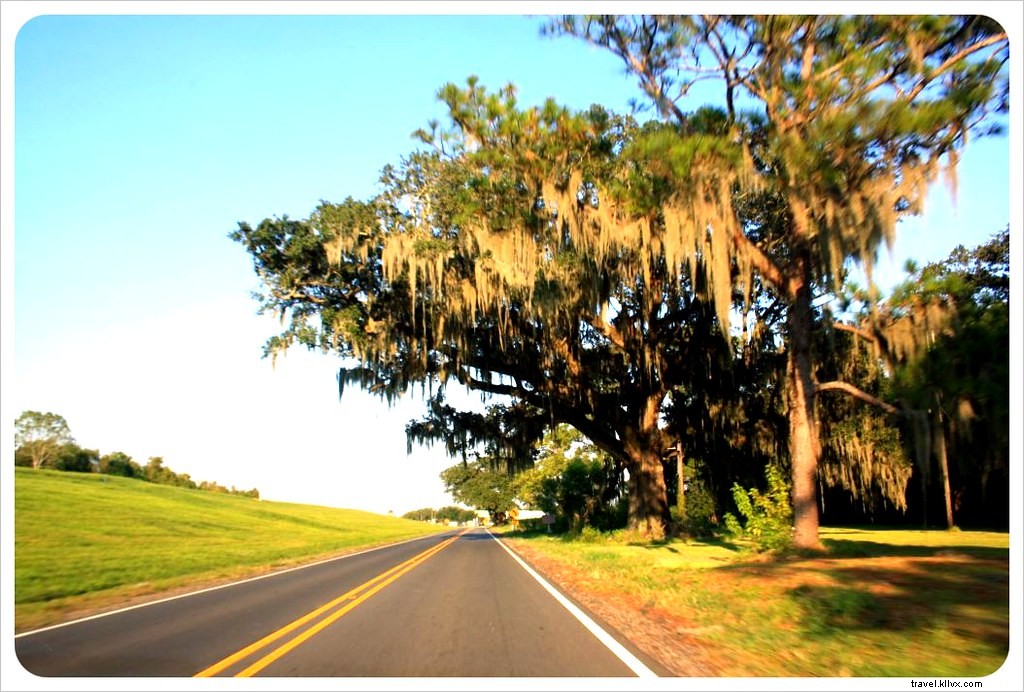
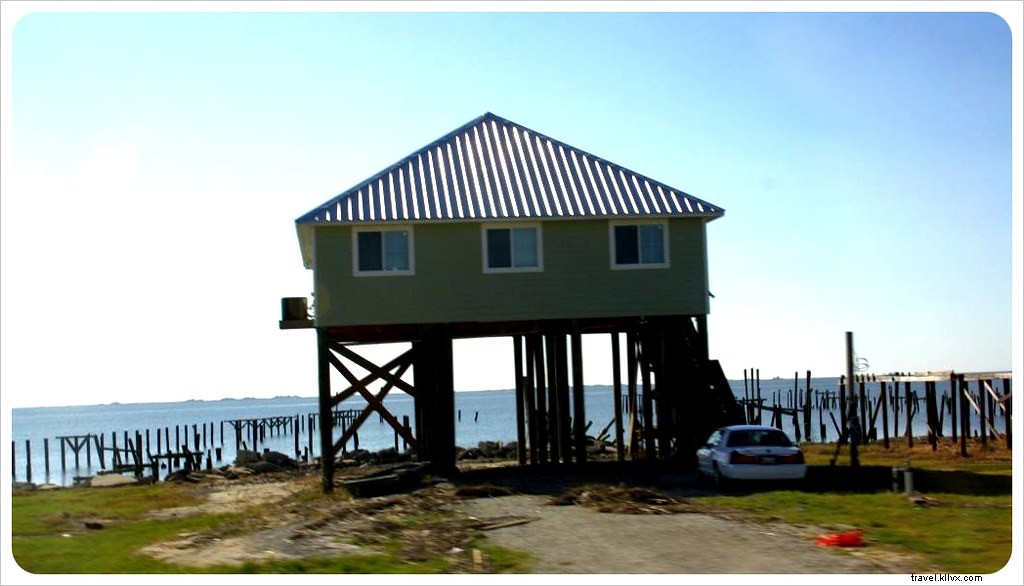
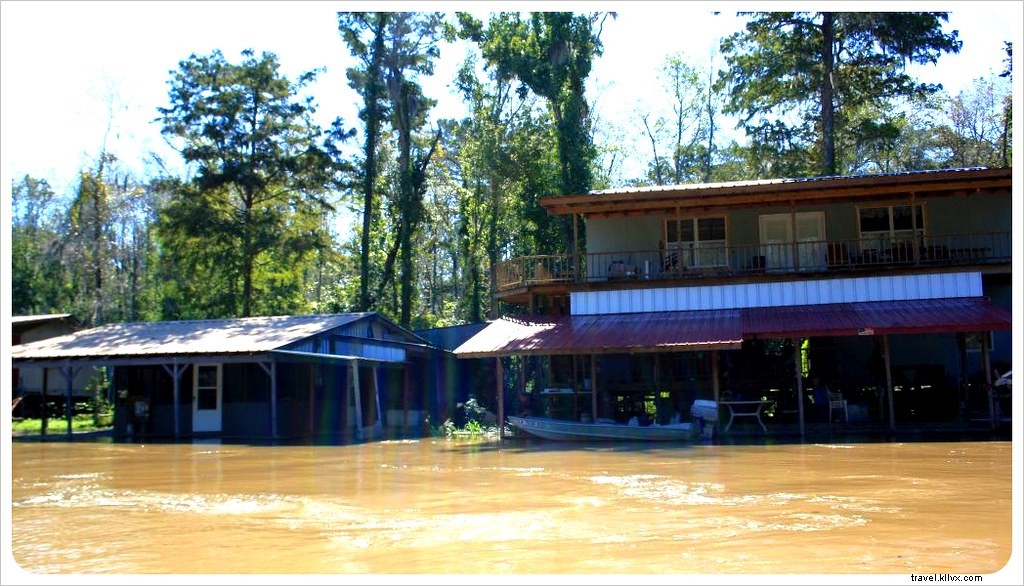
The hour-long drive revealed unique stilt houses elevated 7-10 feet, built off-grid to endure floods and hurricanes—a sight unlike any from our extensive U.S. road trips.
 Captain Mike, a true bayou native, welcomed our group of 16. Between sips of coffee and rolling cigarettes, he shared captivating tales of swamp upbringing in his deep Southern drawl.
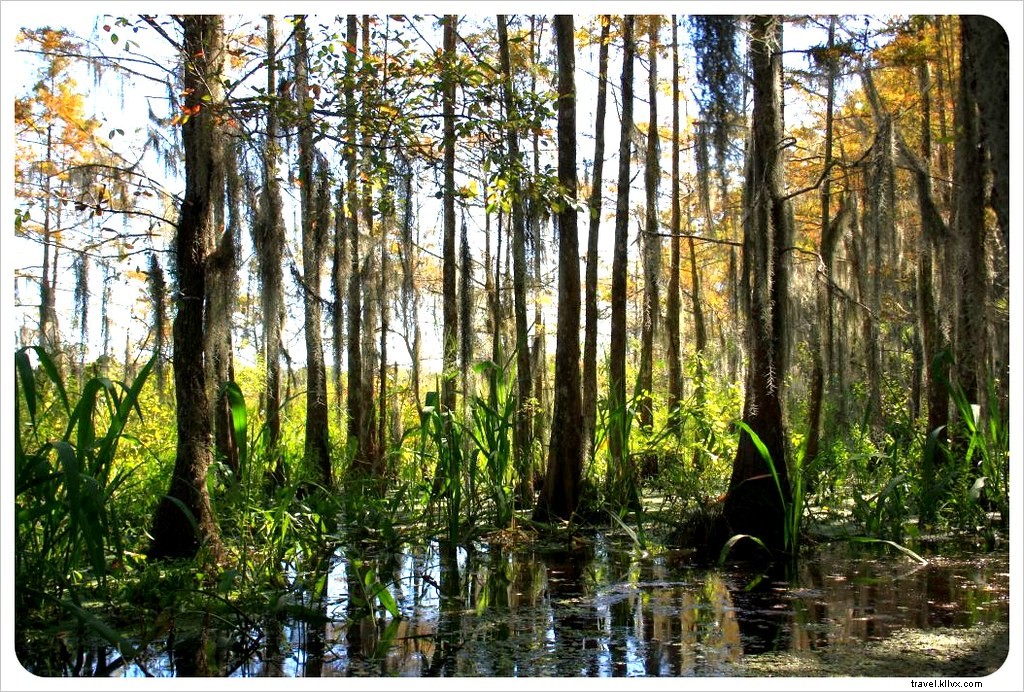
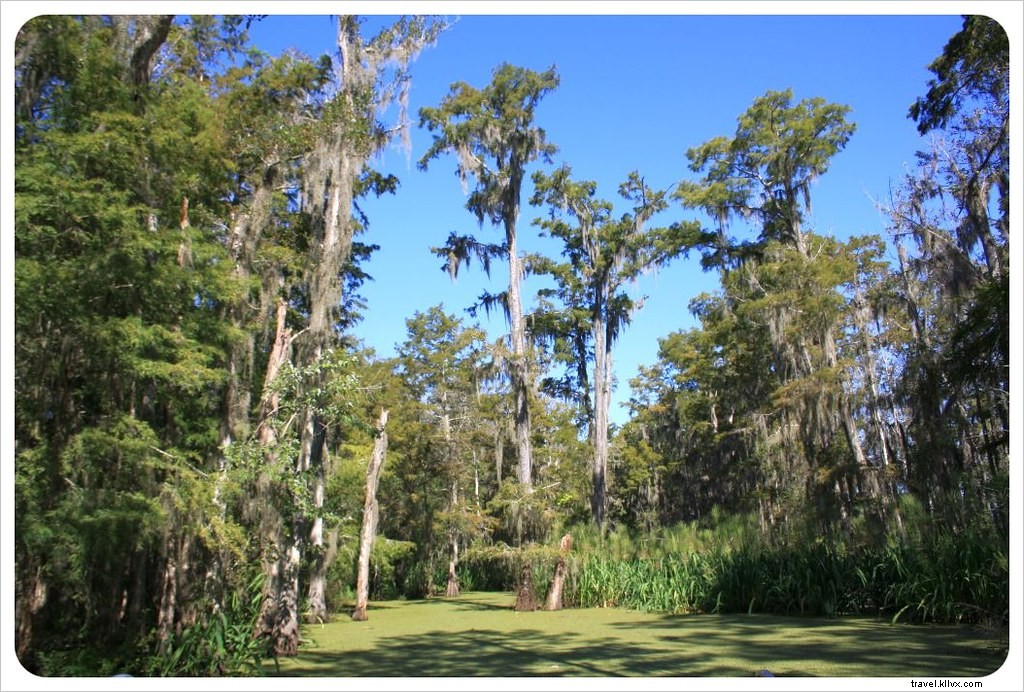
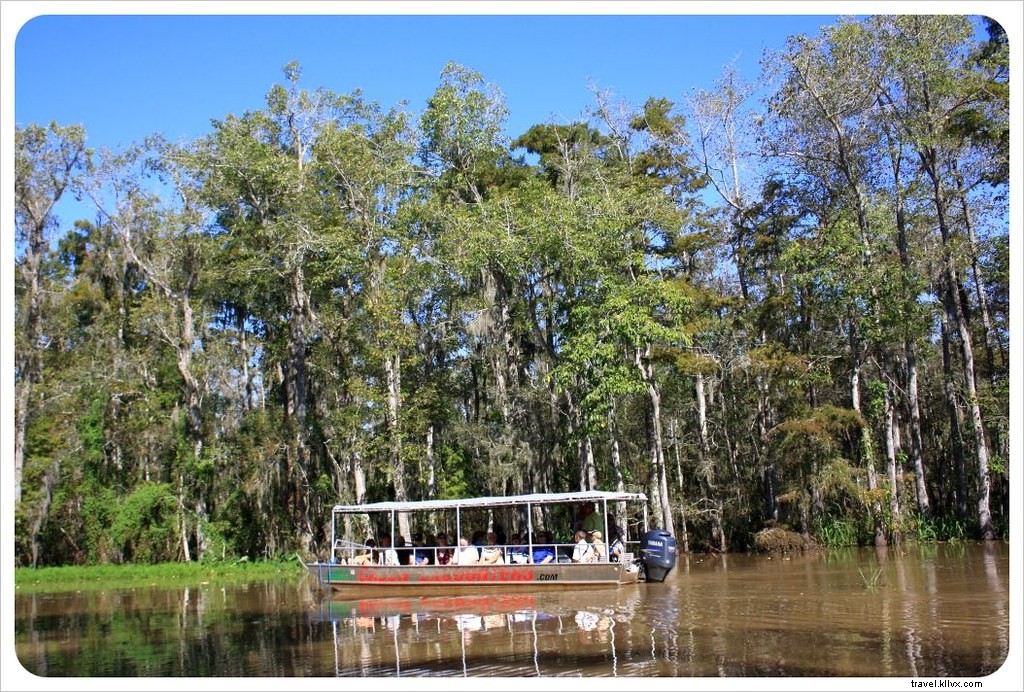 We navigated the Pearl River, flanked by ancient cypress trees draped in Spanish moss, into narrow, algae-blanketed channels resembling emerald carpets.
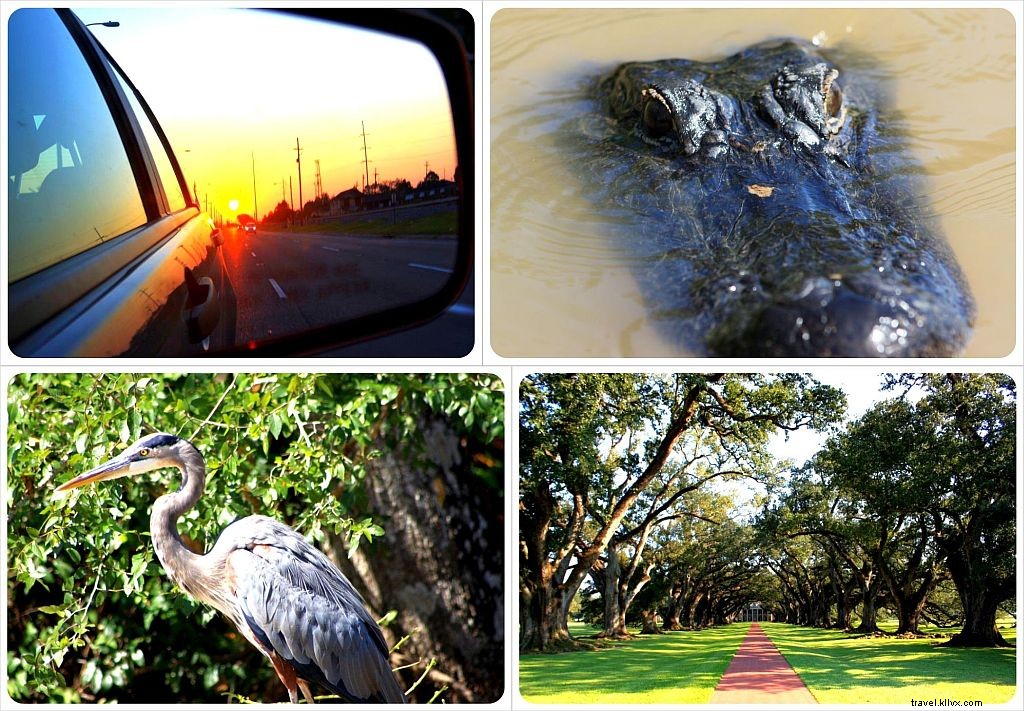
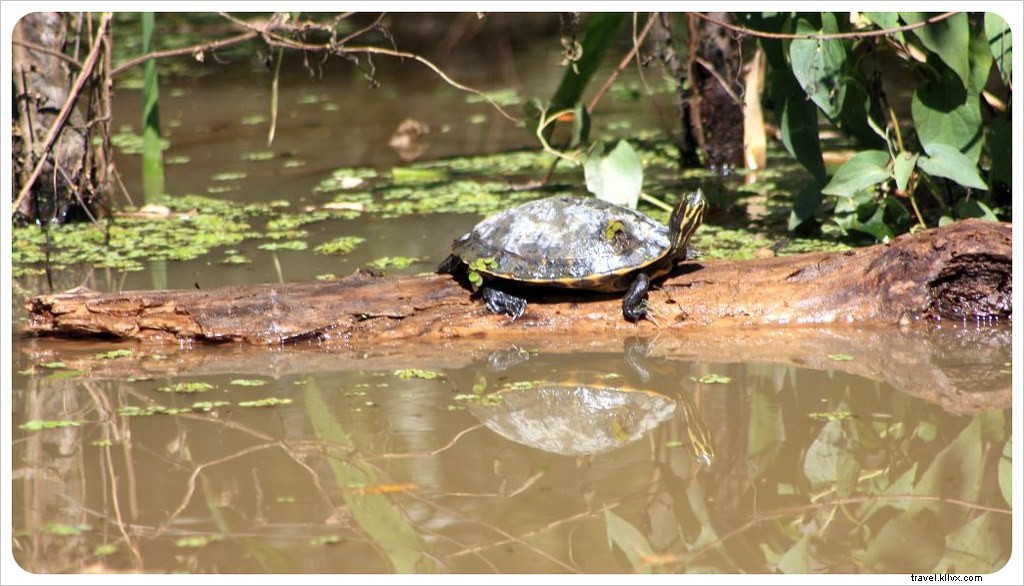
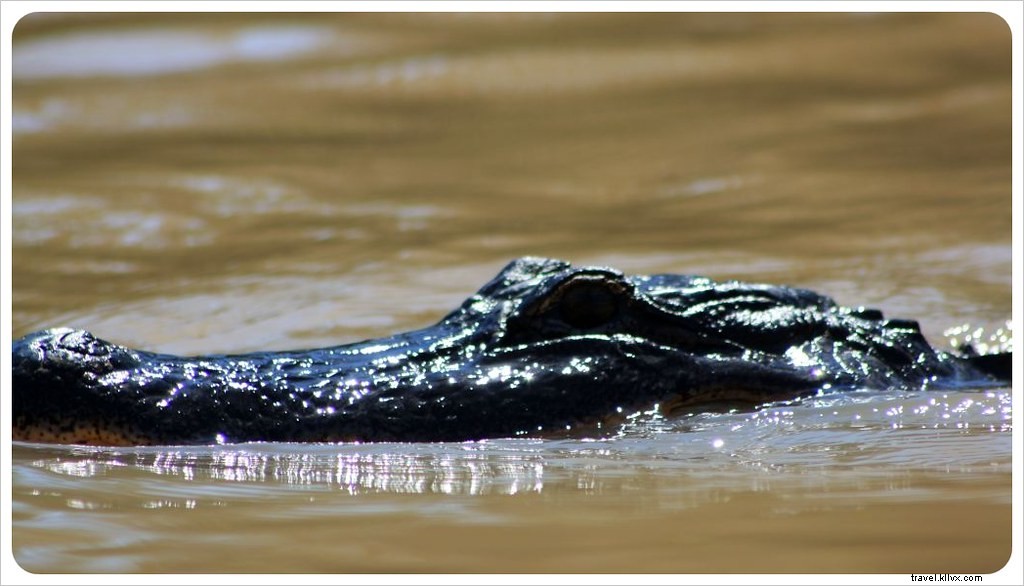
 Alligators appeared within minutes. Captain Mike lured them close with meat for photos. We spotted more basking on shores or gliding subsurface, plus turtles, herons, and eagles.
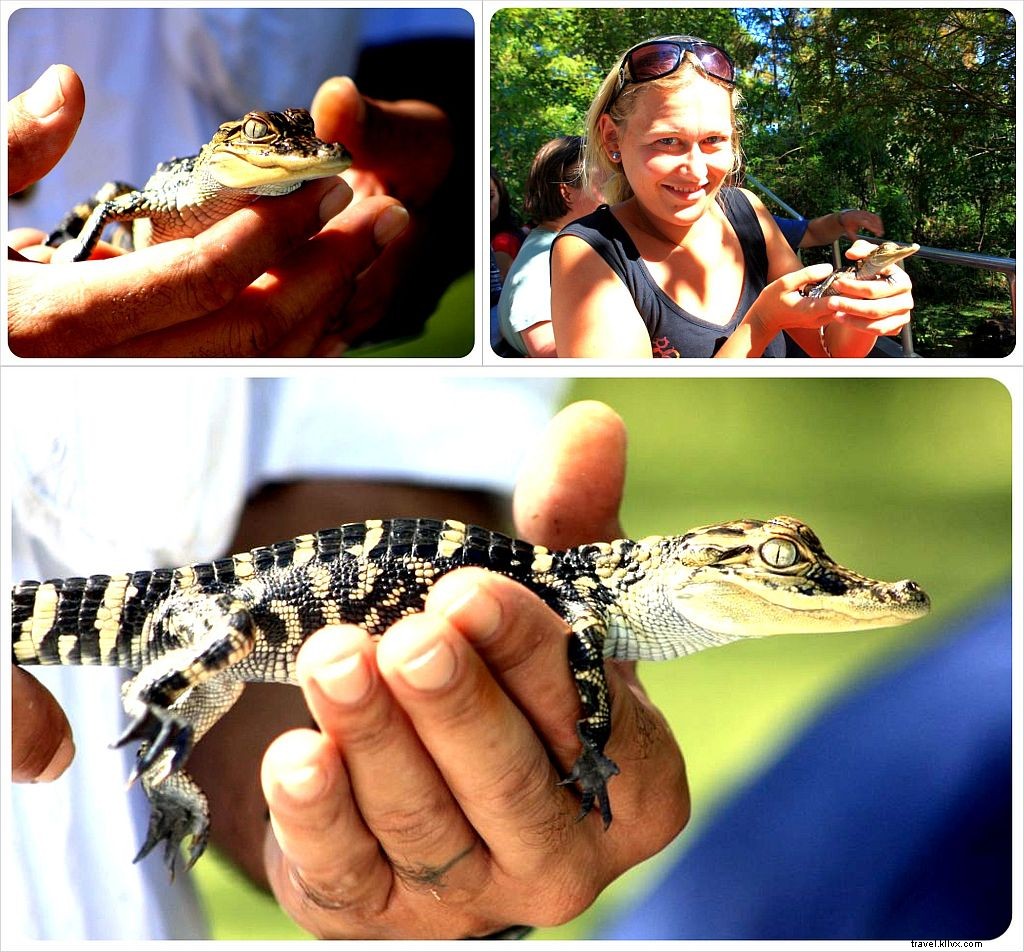
 The highlight: baby alligator Brian, just six months old. Each of us held his smooth, white skin.
 Passing modest riverside homes with weathered piers and waving families, Captain Mike noted, "Cajuns—tough folks who love it here, though many relocated to the city long ago." Some even featured water slides into the alligator-filled river, earning his knowing grin: "Tough guys, Cajuns are."
Laura Plantation
Building on our Boone Hall visit in South Carolina, we were excited for a Creole plantation in Louisiana—though 'Creole' needed clarification.
Cajuns trace to French settlers from Canada; Creoles were first-generation French/Spanish born in Louisiana—a key cultural distinction often blurred today.
Creole owners were elite businessmen with French Quarter pied-à-terre in New Orleans, but plantations handled the real work. Once a 2-3 day boat trip, now just an hour's drive, allowing visits to two sites.
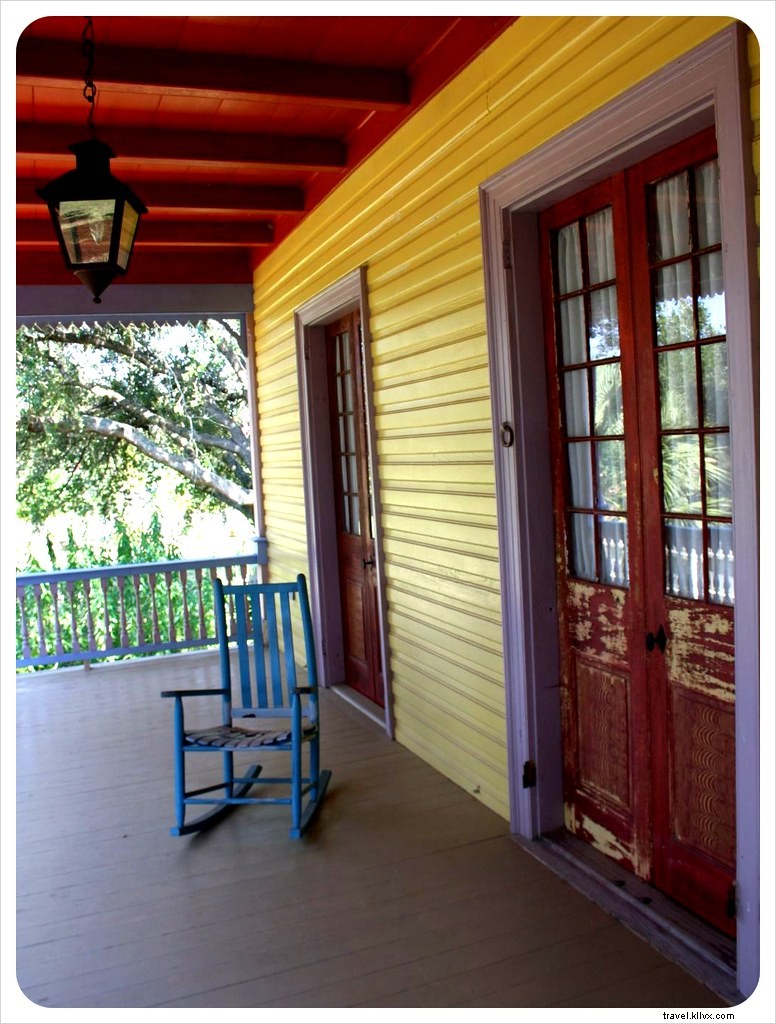 Laura Plantation, originally l'Habitation Duparc (late 1700s), is a prime preserved Creole example, named for a later owner's great-granddaughter.
Our guide, a Creole descendant fluent in French, English, and Creole dialect, led an insightful tour of the house, grounds, gardens, and slave cabins.
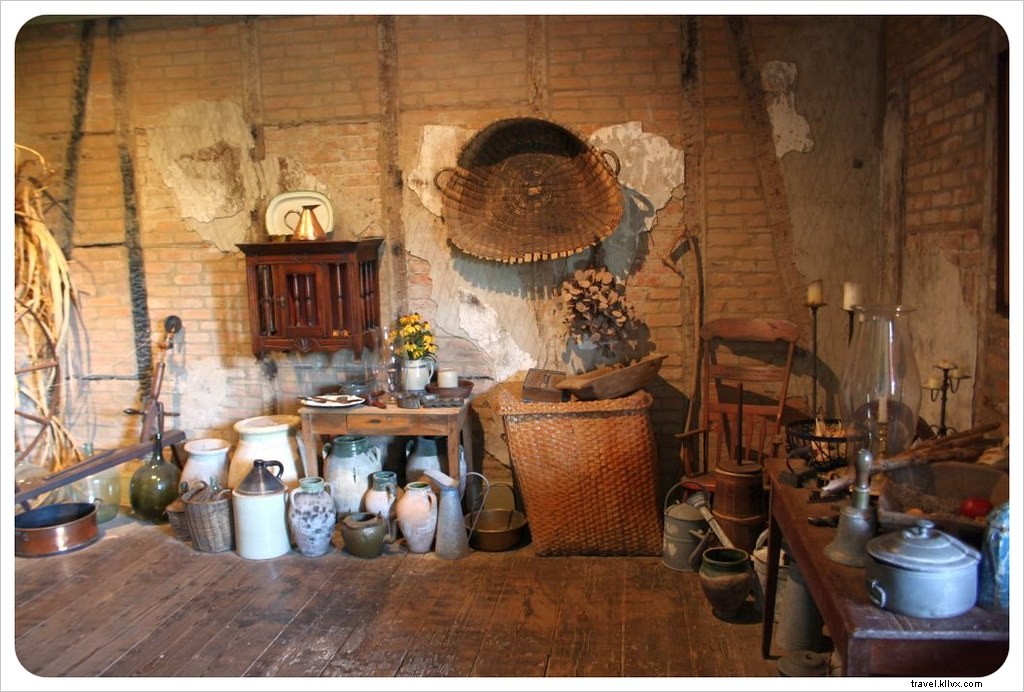 Creole architecture reflected business practices. Pre-1803 Louisiana Purchase, West African slaves could buy freedom—a practice ended upon U.S. entry. Free mixed-race classes emerged from Creole men's second families with Black mistresses, educating children and freeing enslaved relatives.
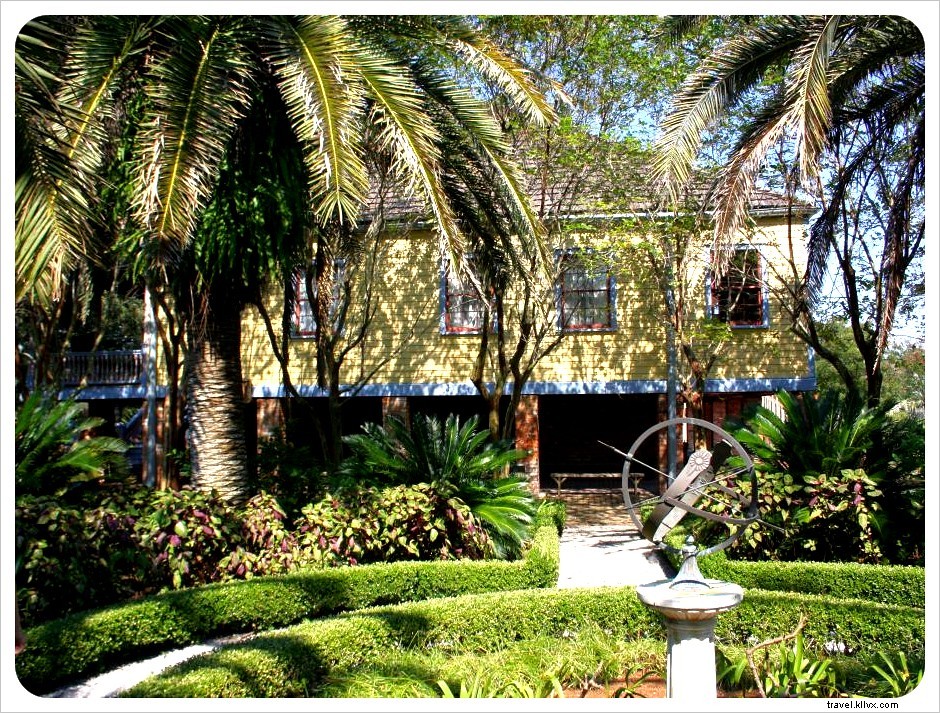 These dynamics profoundly influenced New Orleans' unique culture, blending races in ways distinct from the U.S. mainstream.
Oak Alley Plantation
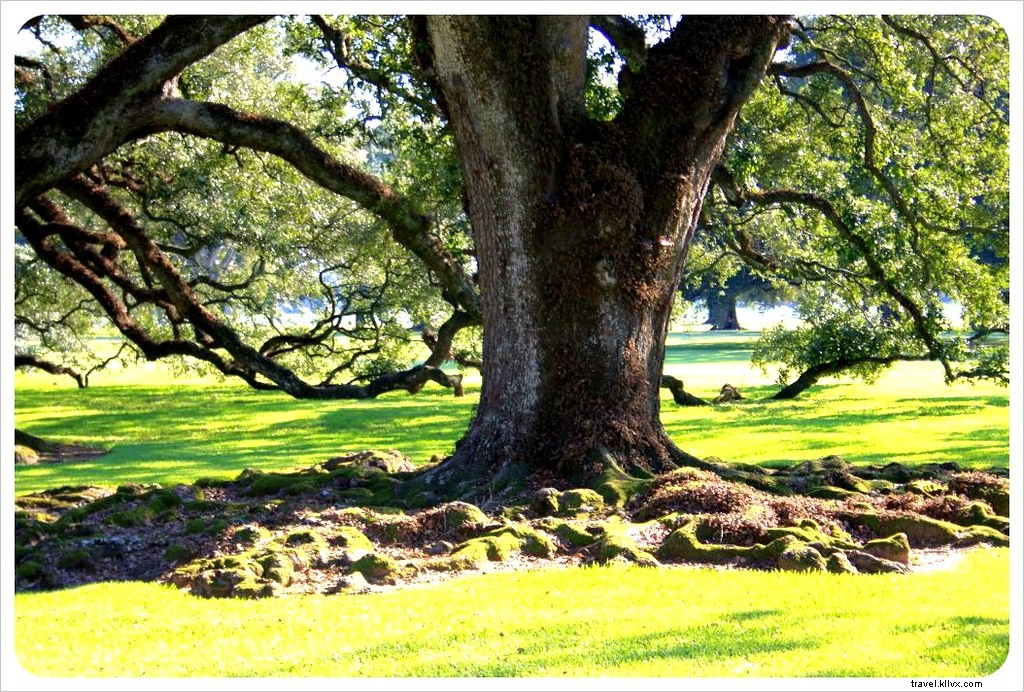
En route from Laura, a stunning oak alley signaled our arrival at Oak Alley Plantation—named for its 800-foot corridor of 300-year-old oaks.
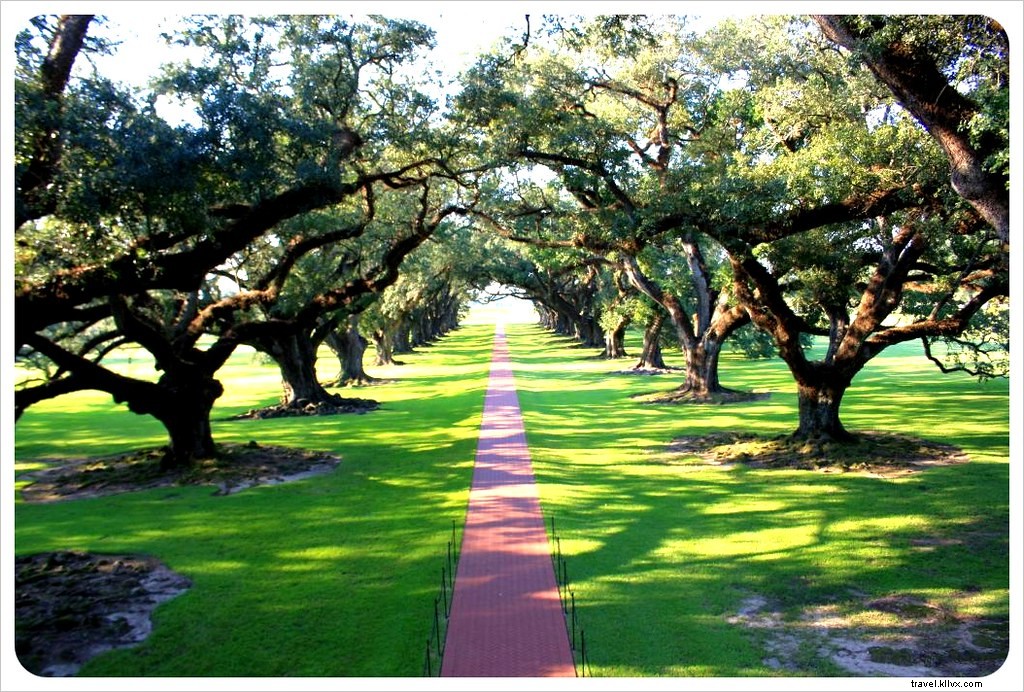 Dubbed the "Grande Dame of the Great River Road," this Greek Revival antebellum mansion boasts 28 white columns. It's starred in films: Interview with the Vampire (Brad Pitt's Louis) and Beyoncé's 2006 Déjà Vu video.
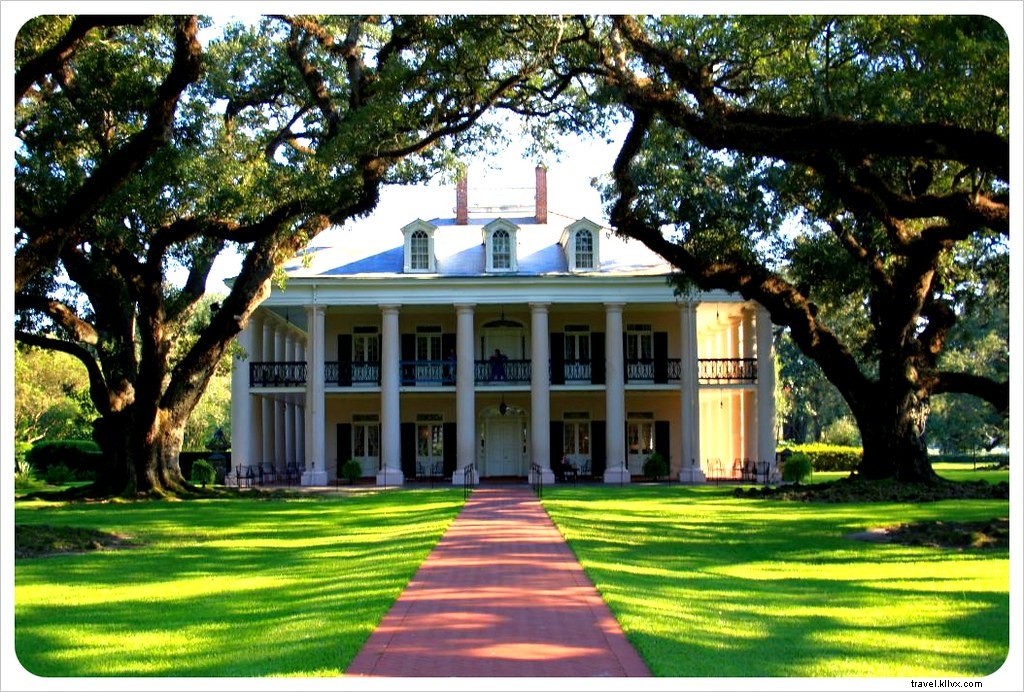 As the last visitors, we enjoyed near-private grounds access, sprinting the oak alley and touring with a costumed Southern belle guide.
She detailed sugar production history; post-Civil War emancipation led to financial ruin, auctioned for $32,800 in 1866. The site includes a cemetery for later owners and pets.
 Returning to New Orleans, we gained deeper insight into its creators—from French Quarter builders to Congo Square gatherings of free Blacks and slaves—fueling the city's iconic music of struggle and joy.