Normandy's D-Day Beaches: Iconic WWII Sites Blending History and Breathtaking Scenery
The D-Day beaches in Normandy rank among the top day trips from Paris, drawing Americans, Brits, and Canadians eager to honor ancestors who fought in World War II against Nazi Germany.
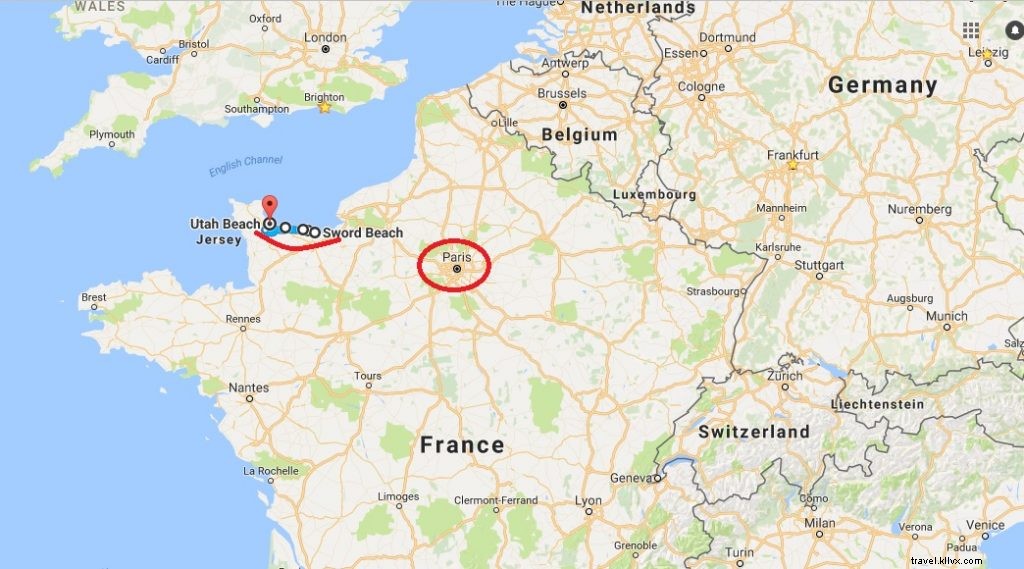
Even nearly 80 years later, the historical weight of these beaches endures. On June 6, 1944, Operation Overlord—the Allied invasion of Western Europe—unfolded here. Over 156,000 troops from the Allies landed in Normandy to confront German forces. The beaches were codenamed as follows:
- Utah Beach (U.S.)
- Omaha Beach (U.S.)
- Juno Beach (Canada)
- Gold Beach (Britain)
- Sword Beach (Britain)
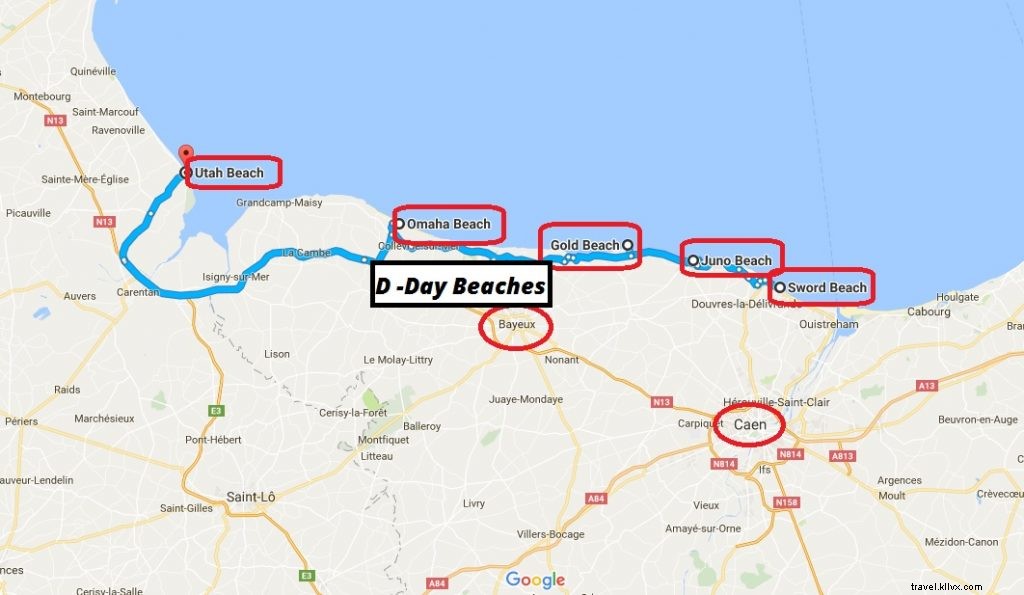 Today, it's hard to fathom that this serene coastline hosted one of history's pivotal battles, which paved the way for victory over Hitler's regime.
Visitors now encounter rolling hills, charming seaside villages, verdant farmlands, and peaceful cattle pastures. The beaches themselves are idyllic and calm, belying the thousands of lives lost here.
Yet, D-Day's legacy is omnipresent: war memorials, German bunkers, gun emplacements, and the Normandy American Cemetery—final resting place for 9,387 U.S. soldiers—serve as poignant reminders.
For those commemorating family, consider visiting on June 6 for anniversary ceremonies.
The most efficient way to explore is via guided tour, covering all beaches and the Caen Memorial Museum (details below). Here's an overview of must-see sites, retaining their Allied codenames.
Caen Memorial Museum
Begin at the recently renovated Caen Memorial Museum, offering in-depth exhibits on D-Day, the Battle of Normandy, the Cold War, and the pursuit of peace.
Utah Beach
The Utah Beach Landing Museum occupies a preserved German bunker—widely regarded as the region's premier D-Day museum. Nearby Sainte-Mère-Église houses the Airborne Museum, chronicling parachute operations.
Pointe du Hoc
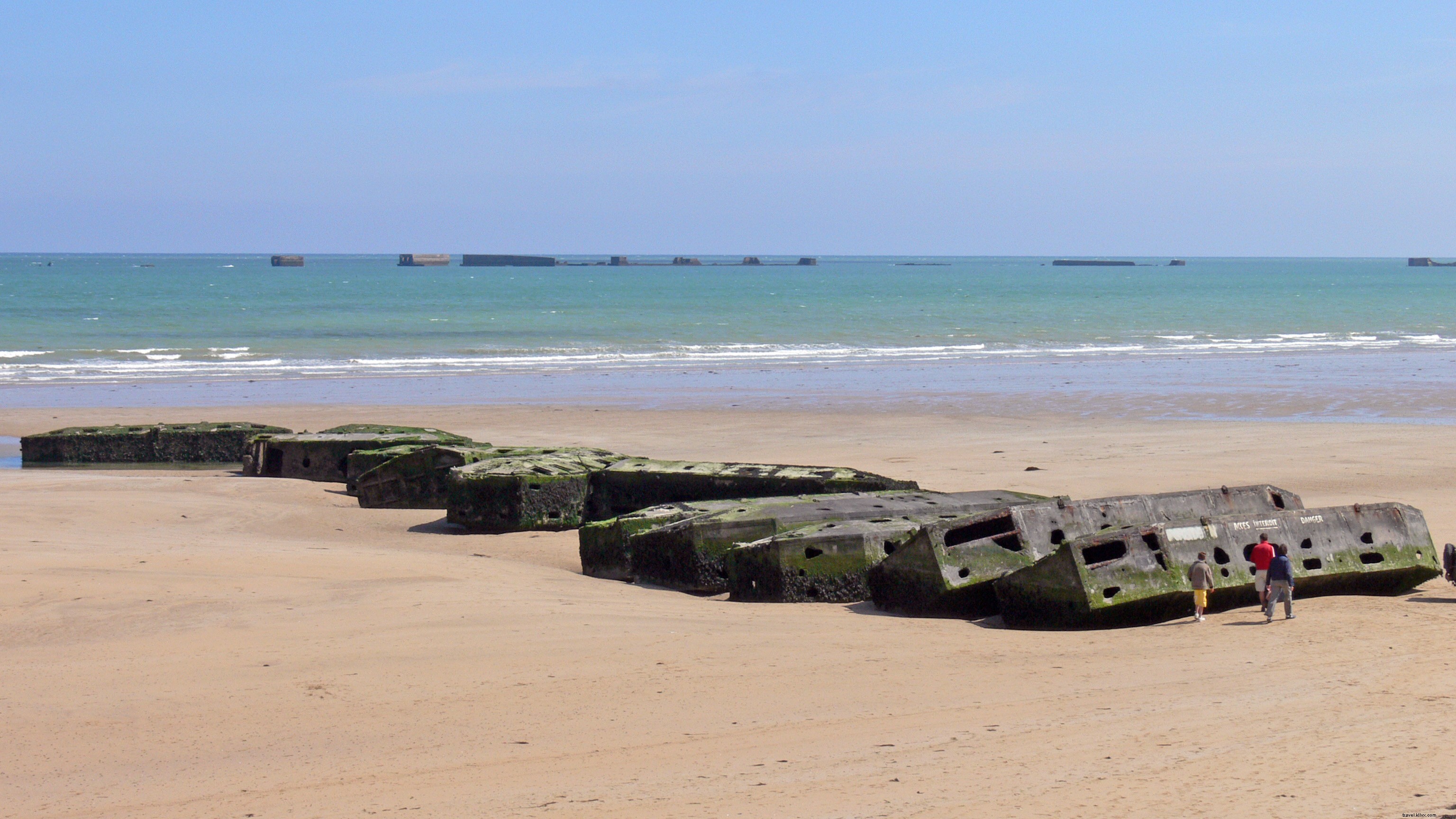
This 100-foot (30-meter) cliff between Utah and Omaha Beaches overlooks the English Channel. Germans fortified it with gun pits, bunkers, and casemates. On D-Day, 225 U.S. Rangers scaled the cliffs to capture it—a testament to American valor and a key memorial.
Omaha Beach
Omaha saw the fiercest fighting. Memorials and statues dot the shore.
Plan extra time here. Overlooking the beach is the Normandy American Cemetery, plus two museums: the Omaha Beach Memorial Museum (soldiers' artifacts, weapons, uniforms) and the Omaha D-Day Museum (landing details).
The Longues-sur-Mer Gun Battery, between Omaha and Gold, features intact German bunkers—a vital defensive position.
Gold Beach
British-led, Gold Beach features the Musée America Gold Beach, detailing the landings and the Fokker America's pioneering transatlantic airmail flight.
Juno Beach
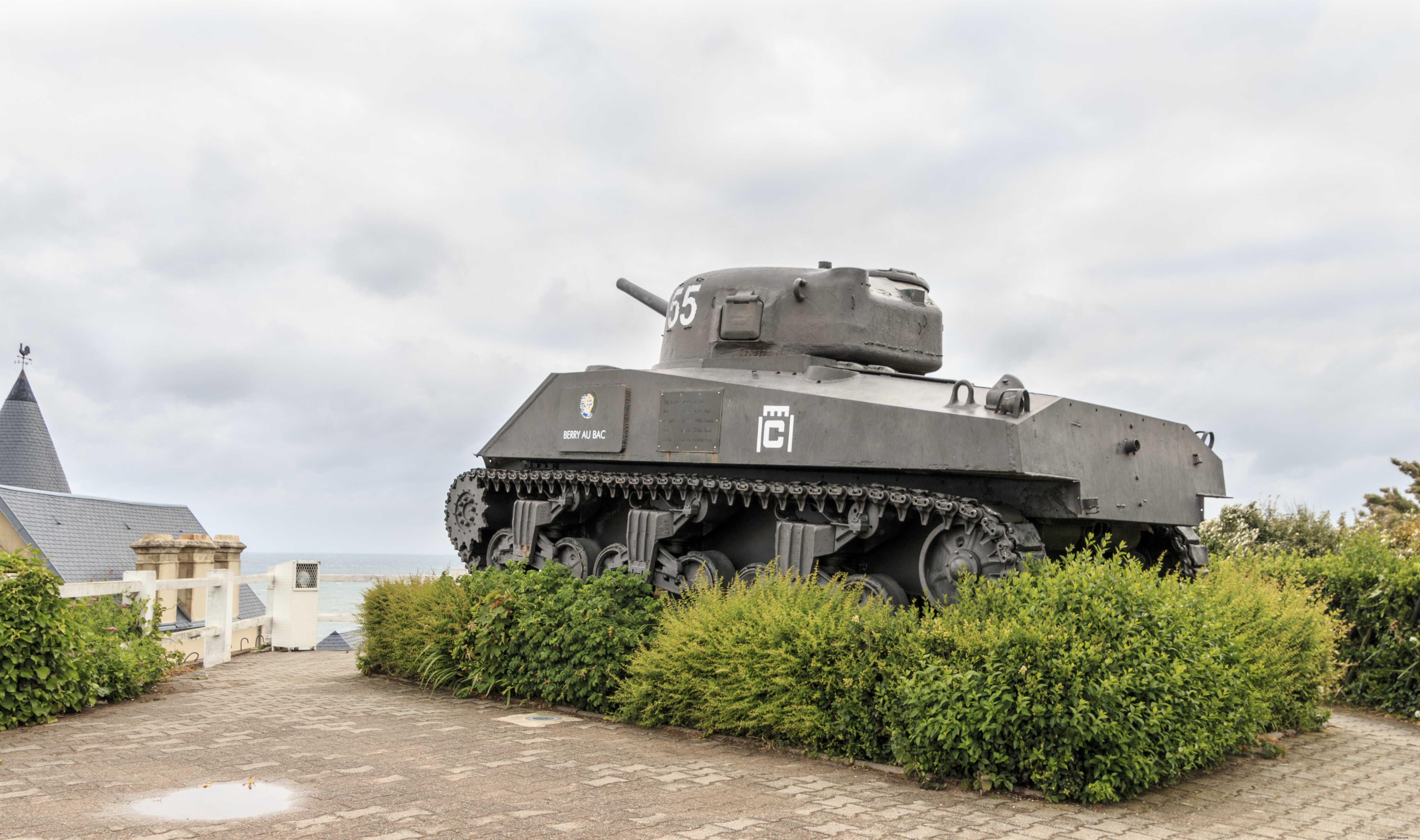
Canadian forces spearheaded Juno. The Juno Beach Centre highlights Canada's crucial role; nearby Bény-sur-Mer Canadian War Cemetery honors the fallen.
Sword Beach
The easternmost beach, under British command. The Merville Gun Battery museum covers airborne operations. Ranville War Cemetery holds 2,235 graves, mostly from the 6th Airborne Division.
Normandy American Cemetery
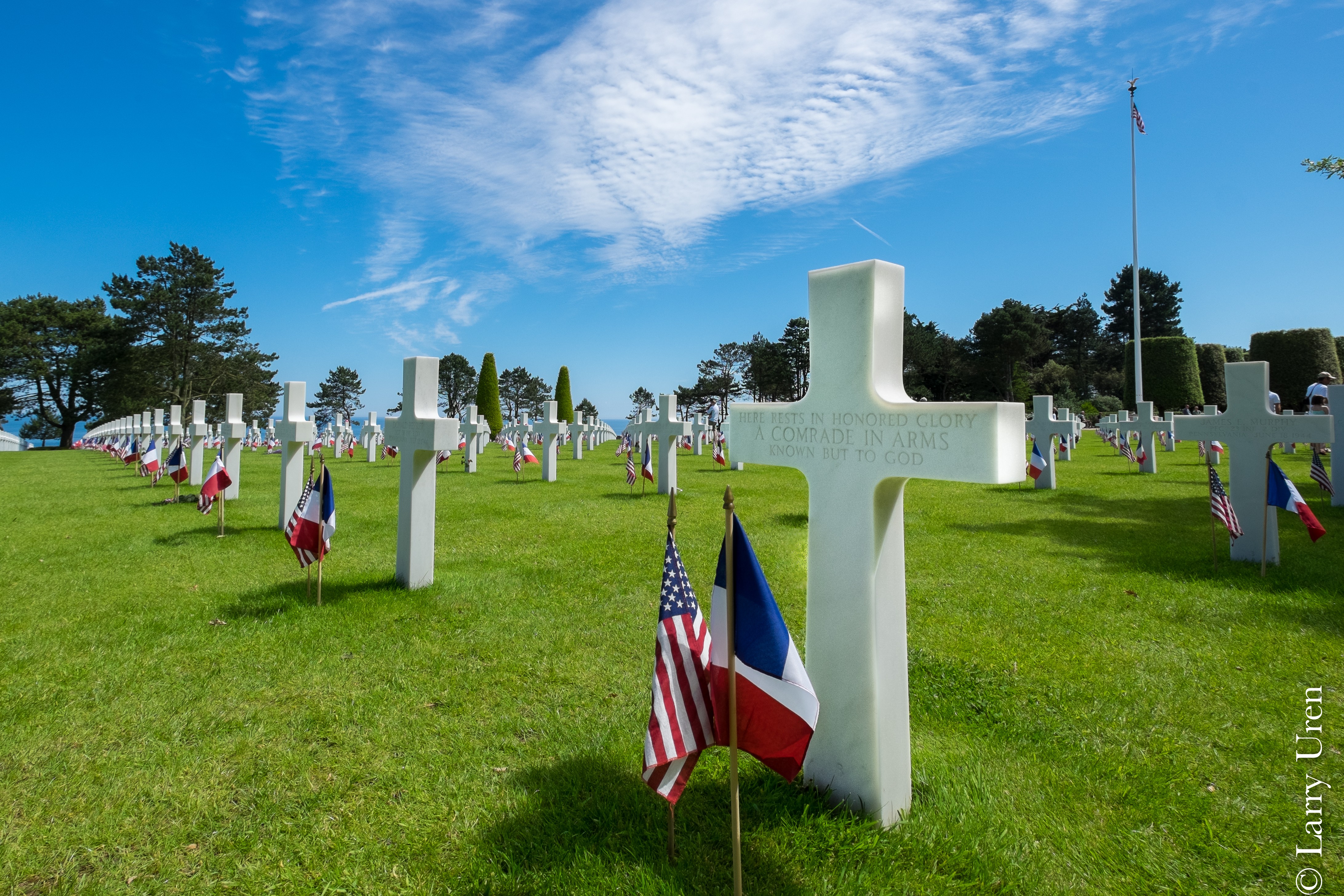
Europe's first WWII American cemetery, with 9,387 burials, underscores the invasion's staggering human cost.
How to Visit the D-Day Beaches from Paris
Paris City Vision offers a full-day guided tour, including all beaches, the Caen Memorial Museum, a memorial service, and lunch. Depart Paris at 7 a.m., return by 9 p.m. Expert guides provide invaluable context.
Public transport works too: Train from Paris St-Lazare to Caen (2 hours), then local buses. Note infrequent service; squeezing everything into one day is tough.
Tip: Book train tickets early via the Omio app or site for discounts across Europe.
Driving (2.5–3 hours) offers flexibility but benefits from a guide for this history-rich itinerary.