Dr. Mark Melrose's Quick Fixes for 7 Common Travel Health Issues
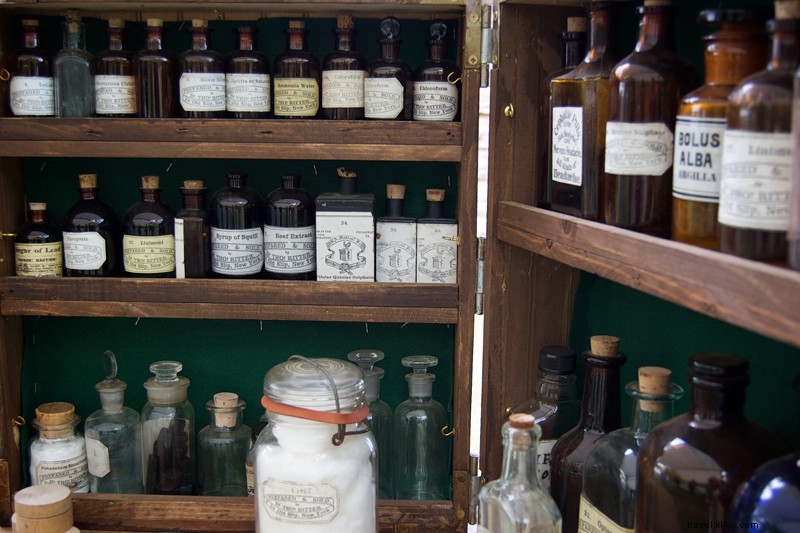
We were so impressed with Dr. Mark Melrose's medical advice for travelers that we went back for more quick fixes for common travel ailments.
1. Food Poisoning or Stomach Virus?
I've been up all night on the toilet. Do I have food poisoning or a stomach virus?
Let's start with the cure. Regardless of the cause, once you are ill, prevent dehydration by frequently sipping clear liquids such as purified water, sports drinks, chicken broth, or flat ginger ale. This is critical in treating this type of illness. Pepto-Bismol can shorten the course of traveler's diarrhea. And contrary to popular myth, you should never drink Coca-Cola: The caffeine will make you poop even more. Most of these illnesses will resolve within a few days, but see a doctor if you are not able to drink enough or keep down liquids at all; if symptoms persist more than a few days; or if you have severe abdominal pain, fever, or blood in your stool, which are signs of a more serious infection that could require antibiotics or hospitalization.
Now let's talk about the cause. Many illnesses result in nausea, vomiting, and diarrhea. Among these are food poisoning, traveler's diarrhea, and gastroenteritis. Food poisoning typically starts rapidly — within a few hours of eating the contaminated food — with stomach cramps followed by nausea, vomiting, and diarrhea. Food-borne illnesses include bacteria causes like Staphylococcus, E.Coli, and Salmonella. Viruses such as Norwalk and rotavirus are quite contagious and may also cause vomiting and diarrhea in adults and children.
To avoid gastrointestinal upset, drink bottled beverages and only eat cooked foods. Drinking local tap water, eating food washed in tap water (salad, raw vegetables), or using ice cubes made from tap water where local water purification facilities are suspect may result in traveler's diarrhea.
2. Jellyfish Stings
I was stung by a jellyfish.
Pour vinegar on the sting, as the acid helps neutralize the toxins in the tentacles and on your skin that cause the stinging. Salt water is better than fresh water. And in a pinch, you can pee on the area in question, as urine is mildly acidic.
3. Insect Bites
I was stung by an insect.
Antihistamines like Benadryl (diphenhydramine) or non-drowsy Allegra, Zyrtec, or Claritin all decrease the swelling and itch from the histamine released in your skin as a result of a bug bite. Hydrocortisone cream can relieve inflammation. Heat definitely makes itching worse, so take tepid showers or baths.
4. Germs
I'm a germ-o-phobe. Can I catch anything by flying in an airplane, touching handrails in the subway, or the remote control in my hotel?
Again, let's start with the doctor's Rx: Wash your hands with plain soap and water or carry around an alcohol-based hand sanitizer, and you will likely remain germ-free. If you have to cough or sneeze, use a tissue and wash your hands.
About those nasty little germs: Millions of bacteria and viruses are everywhere. Even if you coat yourself in Teflon, there's no way to avoid daily exposure. The viruses that cause 90 percent of colds, sore throats, flu, and gastrointestinal upset are the most common illnesses transmitted by public, inanimate objects. Depending on environmental conditions (temperature, indoors/outdoors, humidity), viruses can live on surfaces for up to 48 hours. Similarly, aerosolized droplets from coughing and sneezing contain viruses which spread colds and are easily transmitted from person to person when inhaled or rubbed into eyes, nose, or mouth after shaking hands with someone who has a cold. More serious bacterial infections are considerably less likely to be transmitted in this way, simply because they are much less common.
5. Sun Poisoning
I overdid it in the sun. Do I have sun poisoning?
Heat illness is a spectrum of conditions ranging from mild symptoms like heat exhaustion to heat stroke, which results in the body's failure to regulate temperature, causing damage to cardiovascular and central nervous systems from overheating.
The first three recommendations are to drink, drink. drink. Stay hydrated on hot days by drinking water and/or sports drinks. Avoid alcoholic, carbonated, and caffeinated beverages.
On days where heat and humidity are high, stay indoors in an air-conditioned or shaded, fan-cooled room.
If you have a cardiac or respiratory condition such as asthma, COPD, congestive heart failure, or coronary artery disease, stay indoors, as underlying medical conditions may impair your body's normal cooling mechanisms and the heat may exacerbate symptoms of these illnesses.
If you exercise regularly and the outdoor temperature is above 80 degrees, try to exercise indoors with air conditioning, or limit your outdoor fitness activities to the early morning or late afternoon — the cooler, shadier parts of the day.
If you start to feel faint, nauseated, or have a headache, these might be the first signs or symptoms of heat-related illness. Go indoors to an air conditioned building or into the shade if AC isn't available and drink a cool beverage. The objective is to avoid progressing to heat stroke.
6. Do I Need Stitches?
That looks like a really bad cut. How do I know if I need stitches?
The skin is composed of layers that, when cut all the way through, need to be repaired in order to minimize scarring, reduce the likelihood of infection, and speed healing. If the wound is gaping or you can see what's underneath the skin (fat, tendons, muscle), then you need stitches. And don't wait more than a few hours as a wound that becomes contaminated can no longer be repaired due to the increased risk of infection.
7. Tetanus Shots
When do I need a tetanus shot?
Tetanus is a bacteria (Clostridium tetani) that is present everywhere in the environment, particularly in soil. Worldwide, it is estimated that 250,000 deaths annually are due to tetanus infections, mostly in undeveloped nations that do not routinely immunize the local population. Tetanus is nearly unknown in the United States and industrialized countries where vaccinations are standard. The tetanus bacterium enters the body through an injury or wound and releases toxins that cause powerful muscle spasms leading to respiratory paralysis and death
Primary tetanus vaccinations are administered early in childhood in combination with those for diphtheria and pertussis (these are other preventable infectious diseases) and are effective for ten years, at which time booster shots are recommended to maintain antibody levels and prevent infection throughout adult life.
Minor injuries that require medical attention and foreign travel are usually opportunities for re-immunization, but don't rush to get a tetanus booster the moment you step on a rusty nail. As long as you wash the wound well with soap and water, it is okay to wait a day or two to get the shot.
YOUR TURN
Send your travel dilemmas to Ask Fathom. We're here to help.