How to Claim Irish Citizenship by Descent: A Step-by-Step Guide for Americans
Nomadic Living
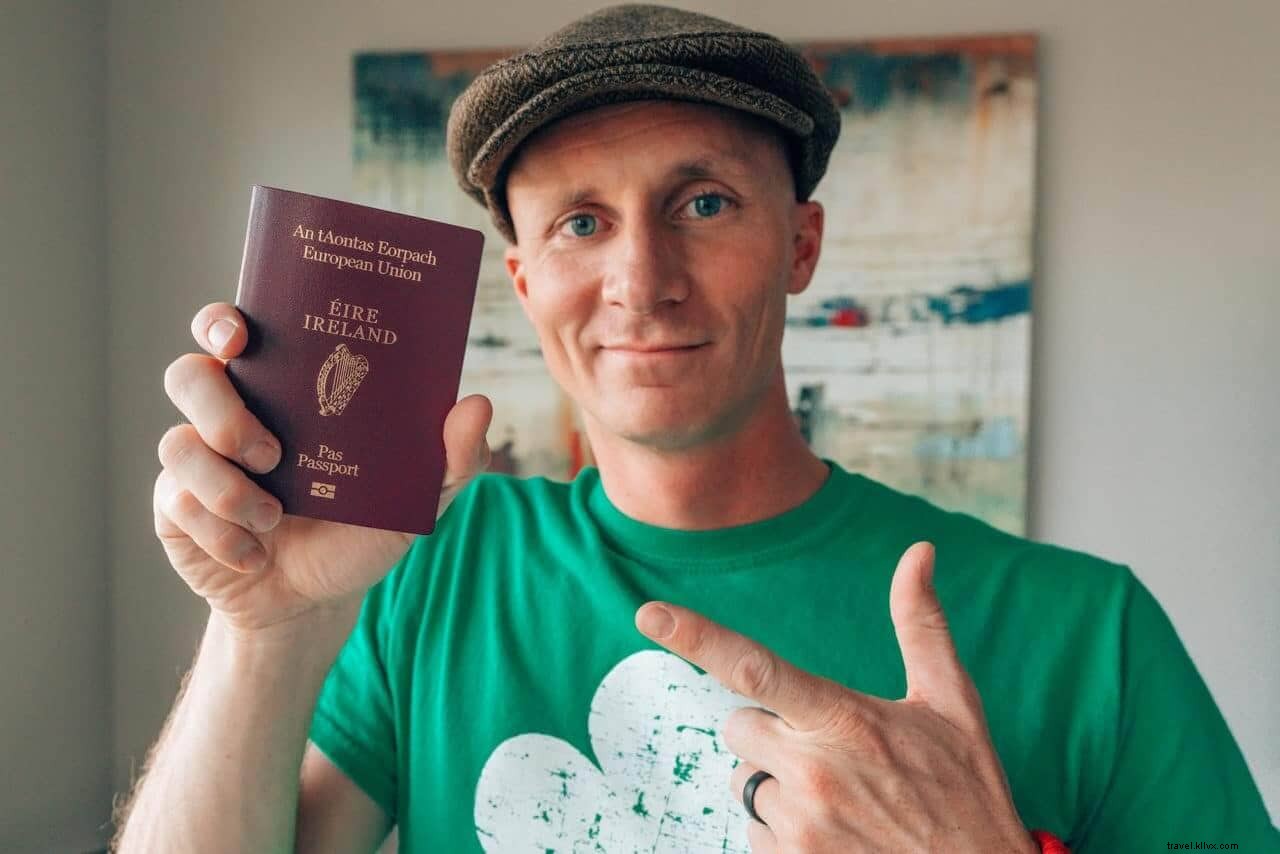
As a digital nomad and avid traveler, I've frequently connected with Irish people by mentioning my heritage. While Americans proudly embrace their immigrant roots, I took it further: after thorough research and application, I officially became an Irish citizen by descent.
With Irish ancestry on both sides, I qualified through my grandmother. If you have Irish parents or grandparents, you may be eligible too, gaining a valuable second passport with EU benefits.
This process offers Americans with qualifying lineage a pathway to dual citizenship, ideal for global mobility.

Irish Citizenship by Descent
Approximately 40 million Americans claim Irish heritage, yet many are unaware of their eligibility for citizenship. Between 1820 and 1860, nearly 2 million Irish immigrants arrived in the U.S., creating opportunities for descendants today.
Under the Irish Nationality and Citizenship Act of 1956, citizenship can be claimed if born outside Ireland to Irish-born parents—or even grandparents.
If you have an Irish grandparent, you can register via Foreign Birth Registration (FBR). In my case, my paternal grandmother was born in Ireland and immigrated to New York in 1930.
Great-grandparents may qualify if your parent registered their own FBR before your birth.
How to Apply
If your parents were born in Ireland, citizenship is automatic. For grandparents, provide documented proof of lineage. For official guidance, consult the Irish Embassy website.
Step 1: Collect Your Documents
- Original birth certificate of your grandparent
- Original marriage certificate of your grandparent
- Original death certificate of your grandparent (if applicable)
- Original divorce certificate of your grandparent (if applicable)
- Original birth certificate of your parent
- Original marriage certificate of your parent
- Original death certificate of your parent (if applicable)
- Original divorce certificate of your parent (if applicable)
- Notarized copy of parent’s passport/ID
- Notarized copy of your passport/ID
- Your original birth certificate
- Your original marriage certificate (if applicable)
- Your original divorce papers (if applicable)
- Three original documents proving current residence (e.g., utility bills, bank statements, lease)—no need to reside in Ireland
- Two passport photos (signed by your witness)
Gathering originals is the most time-intensive step; contact relatives or vital records offices as needed.
Baptismal Certificate Workaround
Pre-1900s rural Irish births often lacked civil records, using church baptismal certificates instead. My grandmother, from a coastal fishing village, had one.
Request a birth certificate search from Ireland's General Register Office first. Upon confirmation of no record, include their letter with the stamped original baptismal certificate.
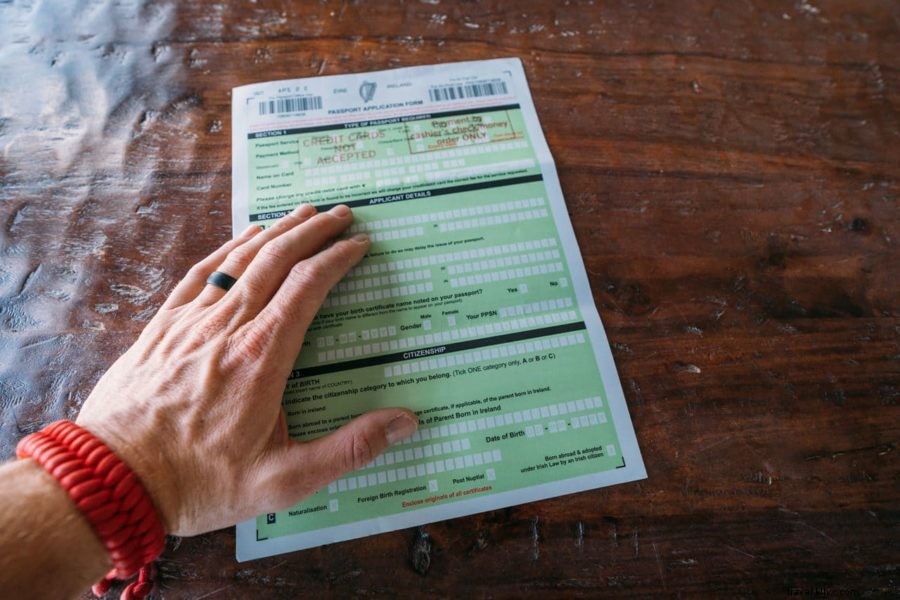
Step 2: Complete the Application
Submit the online form via the Irish government's portal. Print, sign, and prepare the PDF for mailing with documents after witness approval.
Step 3: Secure a Professional Witness
A qualified witness completes Section E, signs photos, and verifies your signature. Eligible professionals include:
- Clergy
- Police officer
- Lawyer
- Medical doctor
- School principal
- Judge
- Bank manager
Family members cannot serve. I used a family friend who is a police officer; your doctor or bank manager often works well.
Step 4: Mail to Ireland
Send via tracked courier like FedEx to Dublin. Originals are returned post-processing.
Step 5: Apply for Irish Passport
Upon FBR approval (proof of citizenship), request passport forms from your nearest Irish consulate:
- Complete and sign the form (witnessed)
- Four passport photos (two signed by witness)
- Original birth certificates (yours and FBR)
- Copy of your passport/ID
- One proof of residency
- Fee via cashier's check or money order
- Mail to consulate
Costs Involved
Documents: ~$150 USD (varies)
Citizenship fee: €287 (~$337 USD)
Shipping to Dublin: $60 USD
Passport fee: $125 USD
Total: ~$672 USD
Processing Time
My FBR took 5 months (including a minor correction). Passport added 4 months, totaling 9 months excluding document gathering. Typical range: 5-6 months for FBR.
Other Countries
Italy, Spain, and Portugal offer similar ancestry-based citizenship. Note: Some nations restrict dual citizenship, potentially requiring renunciation of U.S. status.
Benefits of Dual Citizenship
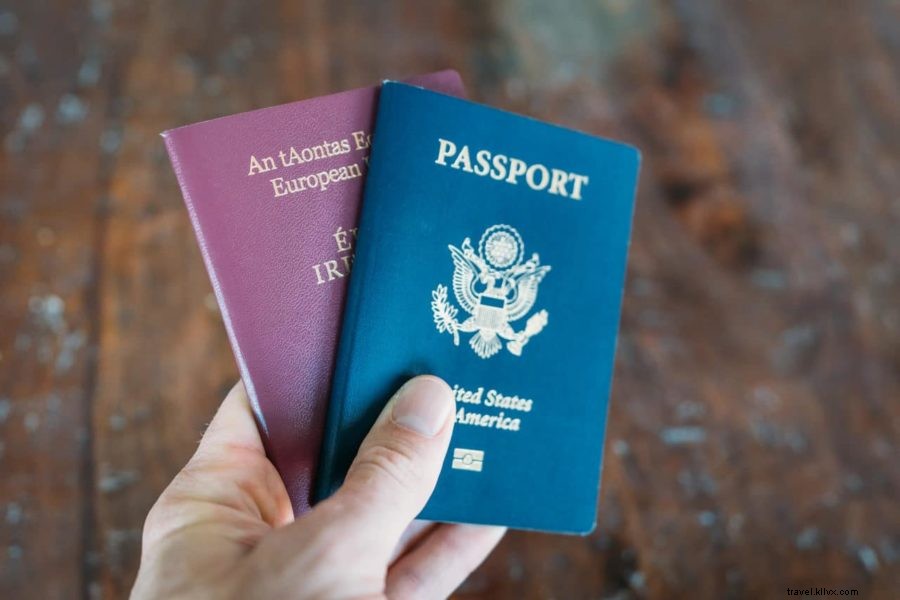
Dual citizenship is legal for Ireland and the U.S., enhancing global options.
EU Living Rights
Irish citizens enjoy visa-free EU residency, work, and healthcare. Ireland offers stability, low taxes, and neutrality.
Post-Brexit and global shifts, EU access appeals to many; ~10 million hold Irish passports abroad.
Cultural and Legacy Value
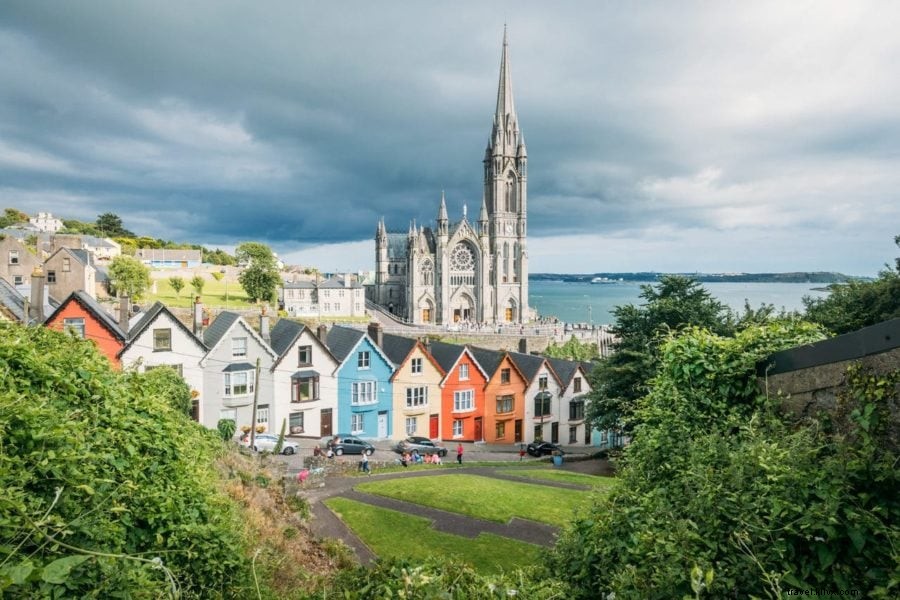
It's rewarding to honor heritage, trace roots (like my County Cork visit), and pass citizenship to descendants—fostering a borderless mindset.
Travel Advantages
Irish passports rank highly (visa-free to 175+ countries), easing entry to places like Cuba or Iran versus U.S. passports.
For ~$700 and 9 months, secure an EU passport if eligible— a rare opportunity worth pursuing. Sláinte! ♧