

Sony a7II Review: A Professional Travel Photographer's 3-Year Experience
As a professional travel photographer with over 15 years of experience, I've relied on the Sony a7II mirrorless camera for the past three years. Its lightweight, compact design, intuitive controls, and outstanding image quality make it an exceptional choice for travel photography.
Switching from Canon gear—where I was a loyal user for more than 15 years—was a significant decision. After just a few months with the Sony a7II, I sold my Canon 5D Mark II and L-series lenses. Here’s why I recommend the Sony a7II as one of the best cameras for travel photography.
Key Specifications
- Full-Frame 24.3 Megapixel Sensor
- In-Body Image Stabilization (IBIS): Provides up to 4 stops of stabilization for sharp low-light shots, even at 1/15 second shutter speeds.
- 5 fps Burst Rate: A major upgrade from my Canon 5D Mark II, enabling tripod-free HDR imaging.
- Electronic Viewfinder (EVF): Offers real-time previews of aperture and ISO effects, streamlining composition and reducing post-processing time.
- Tiltable LCD Screen
- 30% Faster Autofocus: Compared to the original a7, addressing early hybrid AF limitations.
- Excellent Dynamic Range: Superior highlight and shadow recovery minimizes the need for stacking in post.
- Bracketing: Up to 5-shot bracketing in continuous or single modes.
- Self-Timer Bracketing: Ideal for solo travelers capturing multiple exposures.

Pricing and Value
The Sony a7II body originally retailed for around $1,600—comparable to my Canon 5D Mark II purchase price three years prior. Paired with a lens, kits start under $2,000, offering excellent value for a lightweight full-frame travel camera. For budget options, check our in-depth guide on choosing the best travel camera.
Lens Compatibility
Lens selection was my primary concern when switching from Canon DSLRs. The included 28-70mm kit lens produced soft results, so I upgraded quickly. While adapters allow Canon or Nikon lenses, Nikon limits you to manual focus, and Canon AF is sluggish for action—risking missed shots.
I opted for native Sony glass: the 16-35mm f/4 and 70-200mm f/4, replacements for my Canon 16-35mm f/2.8 and 70-300mm. The a7II's high-ISO performance compensates for the slower apertures.

Video Capabilities
The Sony a7II excels in video, a key draw for many buyers, with features like clean HDMI output and S-Log. As a stills-focused photographer, I prioritize its photo performance, but hybrid shooters will appreciate its versatility.
Potential Drawbacks
- Battery Life: Limited per charge; I carry three extras (and recommend more for extended shoots).
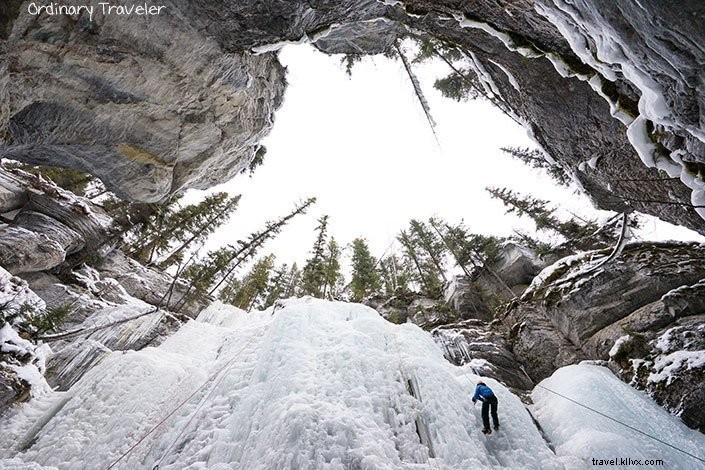
- Weather Resistance: Not officially rated, yet it has endured snow in sub-freezing Canada and sandy storms without issues. Insurance is advisable for peace of mind.