10 Proven Ways to Stay Calm During Challenging Times
Life's unpredictable events—whether during travel or at home—can test our resilience. As a breathwork guide and hypnotherapist, I've compiled these expert-backed strategies to help you maintain composure amid crises like missed flights, lost documents, illness, or global disruptions.
“It’s not what happens to you, but how you react to it that matters.” This timeless wisdom guided my own transformation from reactive panic to steady calm. If you're struggling, know you're not alone—these tools can empower you to respond with clarity.
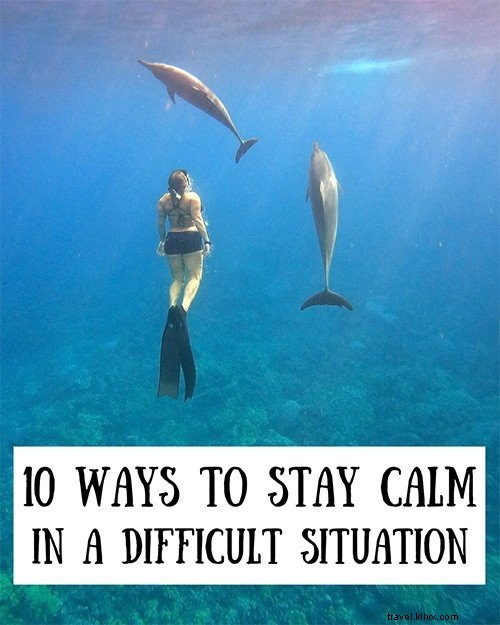
1. Practice Deep Breathing
In fight-or-flight mode, deep breathing is your first line of defense. Neuroscientists confirm that slow, deliberate breaths activate the hypothalamus, releasing neurohormones that counter stress hormones and promote relaxation—keeping your brain's arousal center in check.
As a breathwork expert, I've seen it shift states instantly.
Read more: 10 Ways Breathwork Can Change Your Life
2. Embrace Moments of Silence
Whether meditation or quiet pause, disconnecting from distractions builds resilience. Make it a daily habit for easier access in crises. Contrary to myths, emptying your mind isn't required—observe thoughts as a “show” to gain awareness.
From mindful to transcendental practices, meditation replaced my unhelpful coping mechanisms like substances or binge-watching.

3. Anchor in the Present Moment
Too agitated for silence? Focus intensely on your index finger for 20-60 seconds: study its lines while breathing deeply (nose in, mouth out). This ancient Ayurvedic grounding technique halts fear spirals about the future.
4. Reframe Your Perspective
Two people, same event—vastly different reactions. Neurolinguistic Programming's reframing empowers you to choose uplifting narratives over fear. Awareness from breathwork or meditation reveals your power to select empowering views, reclaiming control.
5. Try Emotional Freedom Technique (EFT) Tapping
This acupressure method restores energy balance, swiftly calming intense emotions. I've shifted from breathlessness to centeredness in minutes, even addressing deep trauma. Start with free meditations on The Tapping Solution app.
6. Limit Social Media Exposure
Social media's negativity drains energy. Opt for nature, meditation, or joyful activities to elevate mood and decision-making. Use time-limiting apps if needed—essential during stress.
7. Spend Time in Nature
Daily outdoor time reduces anxiety and depression, per numerous studies. A walk transforms bad days; if impossible, porch time, nature sounds, or plants suffice.

8. Connect with a Friend
Transcend texting: call or video chat for genuine connection. Virtual happy hours foster community, combating isolation—especially with loved ones worldwide.
9. Cultivate Gratitude
Post my Ecuador plant medicine journey, daily gratitude highlights blessings like water, shelter, and food—shifting focus from lacks to abundance in tough times.
10. Seek the Lessons
Everything holds purpose. Pain is inevitable, suffering optional—resistance fuels it. Ask, “What is this teaching me?” Choose empowering lessons like self-care or rest to grow resilient.