
Why Madeira is Europe's Best-Kept Secret: Volcanic Wonders, Historic Wines, and New U.S. Direct Flights
On the map, Madeira appears as a small dot in the vast Atlantic Ocean. Yet, it reveals a dramatic volcanic landscape laced with hiking trails, its renowned fortified wine dating back to the 15th century, and a subtropical climate with near-yearly sunshine.
This Portuguese gem, located 600 miles southwest of Lisbon, remains largely undiscovered by American travelers—until now. Starting November, direct flights from New York's JFK Airport mark the first nonstop U.S. service to the island. Here's why Madeira deserves to top your international travel list.
A Vibrant Capital with Lush Gardens and Iconic Toboggan Rides

Madeira's capital, Funchal, serves as the perfect base for island exploration. Stroll the seafront promenade to Old Town (Zona Velha), pausing at lively bars for a glass of local wine. Marvel at the colorful doors on cobblestoned Rua Santa Maria, savor tapas at charming outdoor cafés, and browse the Art Deco Mercado dos Lavradores farmers' market, brimming with fresh produce, seafood, and exotic flowers.
From Funchal, ride the scenic cable car to hilltop Monte. Wander the enchanting Monte Palace Madeira, featuring tiered gardens with tropical plants thriving in fertile soil, plus intricate tiles from Portugal's global empire. For an exhilarating descent, hop into a traditional wicker toboggan guided by skilled, white-clad locals using rubber-soled boots for precision braking down the steep streets.
Seek more botanical beauty at Palheiro Gardens, established in 1801. This 35-acre estate in Funchal's eastern hills boasts vast collections of camellias, roses, and native flora.
A Paradise for Outdoor Enthusiasts
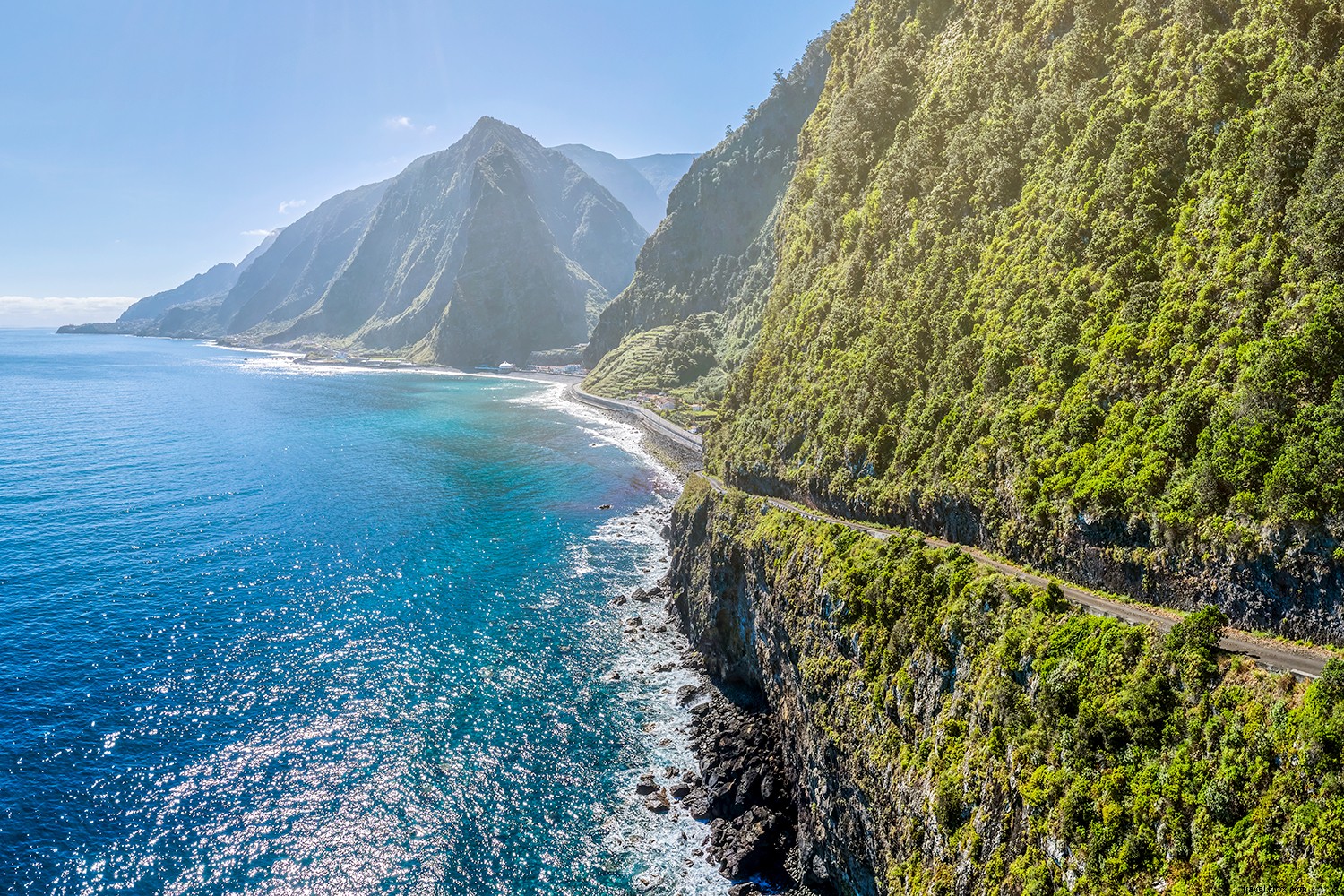
Madeira's diverse geology, subtropical warmth, and constant sunshine make it a haven for outdoor pursuits. Despite its compact size, the volcanic island rises over 6,000 feet, perfect for hiking, biking, and climbing. Iconic levada walks—gentle trails along ancient 15th-century irrigation channels—offer breathtaking mountain and valley views.
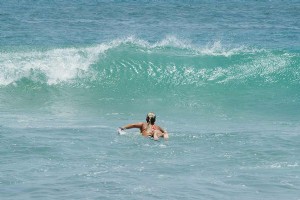
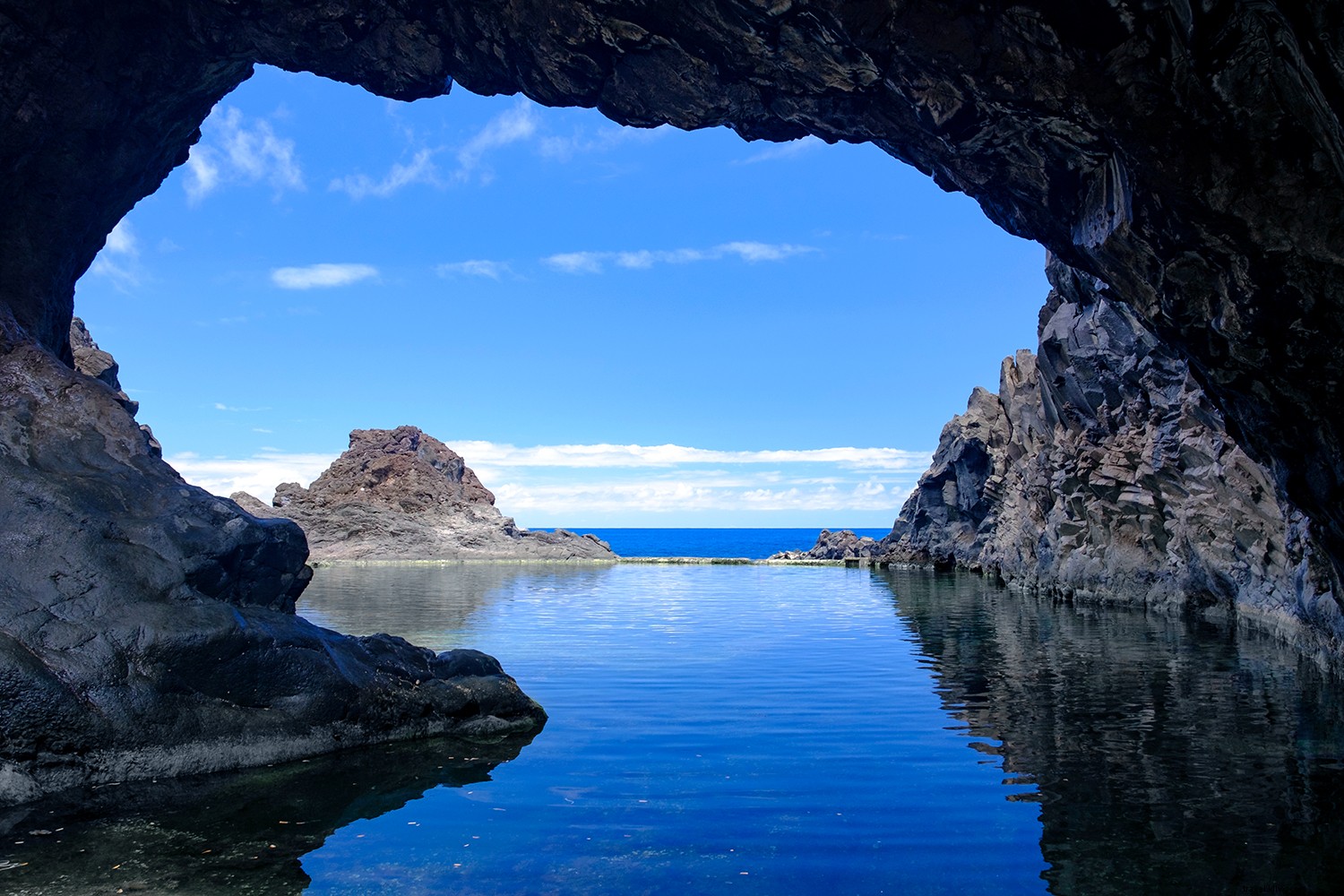
Post-hike, unwind in the natural saltwater pools at Seixal or Porto Moniz, carved by ocean waves. Other adventures include canyoning waterfalls, whale and dolphin watching, kayaking turquoise bays, or trekking Ponta de São Lourenço's rugged national park. Thrill-seekers can summit Pico do Arieiro and Pico Ruivo, or peer over the glass-bottom platform at Cabo Girão, one of the world's highest sea cliffs at 1,900 feet.
Unique Culinary Delights and World-Class Wines

Madeira's volcanic soil and eternal sun yield abundant produce, eliminating reliance on imports. Banana plantations abound, starring in classics like espada com banana (scabbard fish with bananas). Seafood thrives in surrounding waters, with salt-marinated tuna and garlic-rubbed beef espetadas (skewers) as menu staples.
Try bolo de caco, sweet potato bread with garlic butter and fried maize, or indulgent bolo do mel, a honey cake from 15th-century convent nuns.
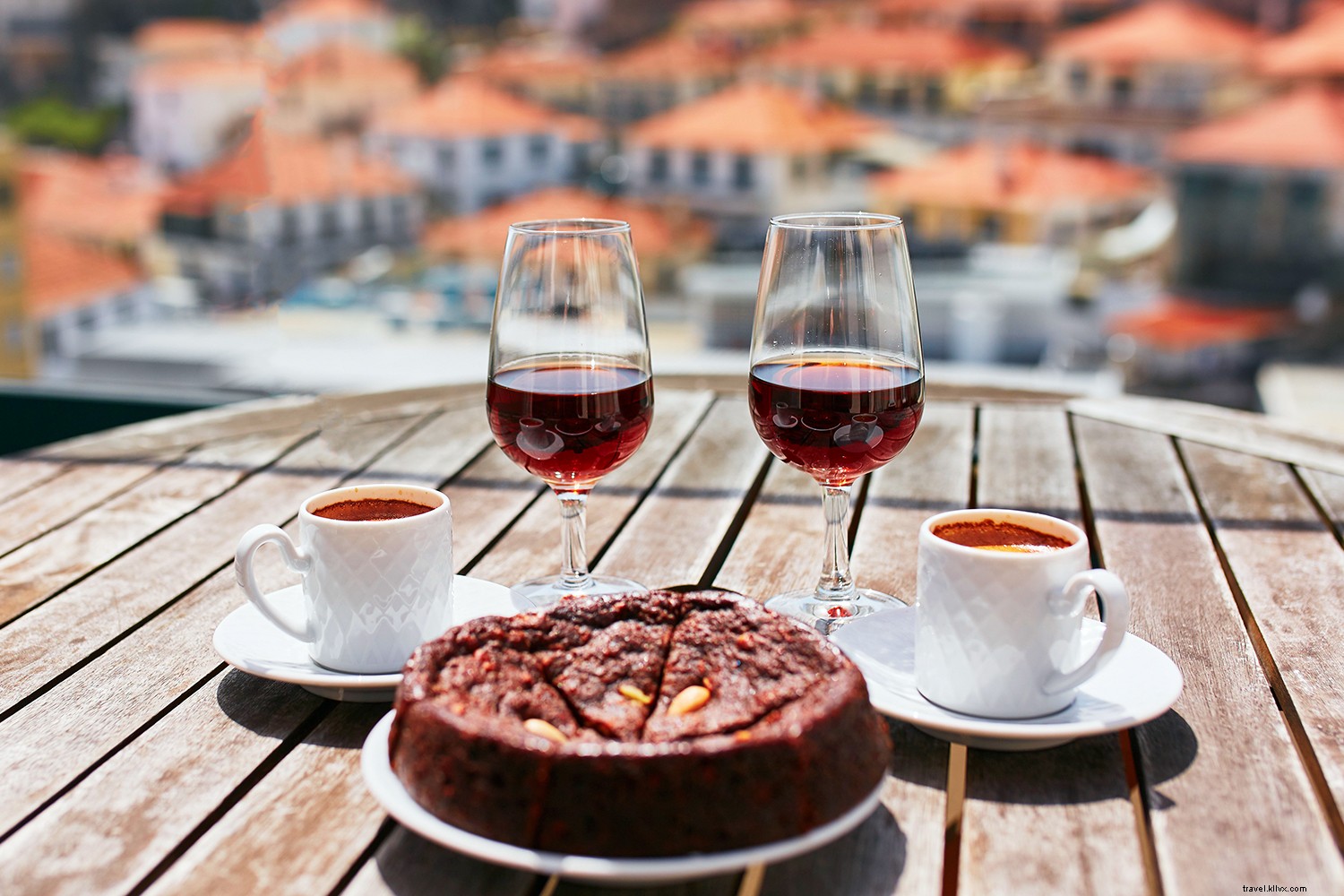
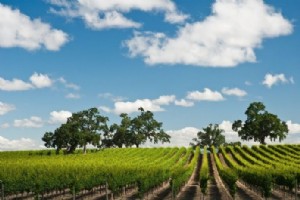
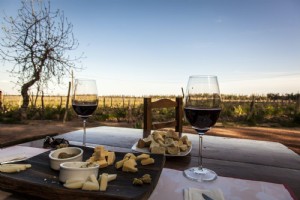
Madeira's fortified wine, with its caramel-rich complexity, has graced tables for centuries. Pair it with poncha, a potent sugarcane brandy punch with honey and citrus, at Funchal Bay bars.
Year-Round Sunshine and Unmissable Events
Closer to Africa than mainland Europe, Madeira enjoys reliable sunshine and mild temps year-round. Summers reach the upper 70s°F, while winters stay spring-like in the mid-60s°F, blending ocean breezes, mountain air, and warm rays.
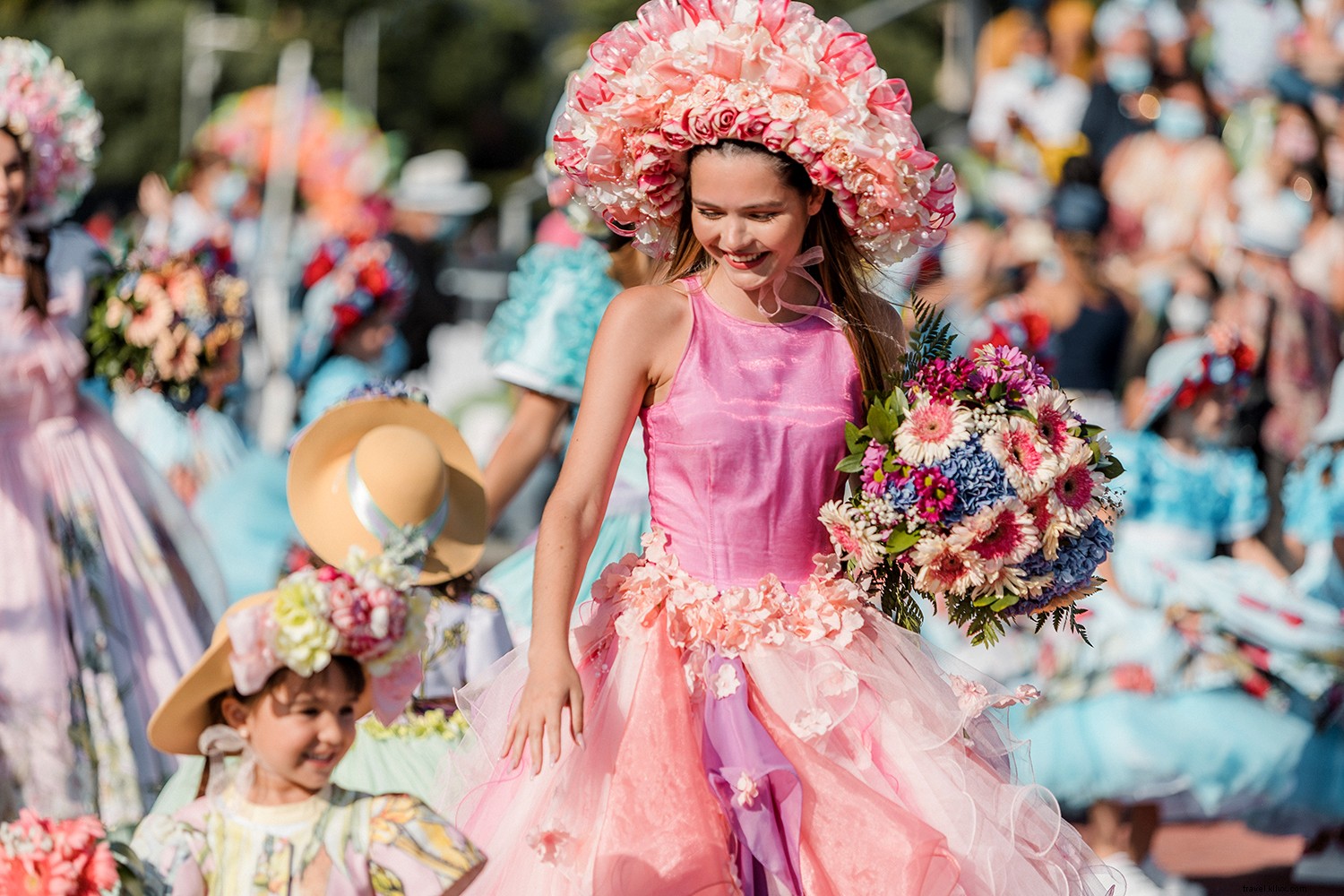
Time your visit for festivals like the late April Flower Festival, with parades and floral displays on Avenida Arriaga; the late August Wine Festival, featuring tastings and demos; or the record-breaking New Year's Eve fireworks, launching from shores and ships across the Atlantic.