Best Scuba Diving Sites in the Middle East: Red Sea Wrecks, Gulf Reefs & More
The Middle East boasts an incredible array of underwater wonders, with enhanced access to premier dive sites making it the perfect time to explore. From timeless classics to emerging hotspots, discover the region's top scuba diving destinations, backed by expert insights from experienced divers like Lonely Planet contributor Sarah Reid.

Red Sea
Renowned for its exceptional biodiversity, visibility often exceeding 30m, and resilient corals amid warming oceans, the Red Sea stands as the Middle East's premier scuba destination. As Egypt's South Sinai recovers post-tourism dip—with calls for resumed UK direct flights to Sharm El Sheikh—dive Sharm's quieter resorts for access to the iconic Thistlegorm, a WWII freighter wreck hailed among the world's best, and Ras Mohammed National Park's stunning walls (via Camel Dive Club).
Dahab, 100km north, draws bohemian divers to its famed Blue Hole; Red Sea Relax Dive Centre offers reliable trips. For elite experiences, Marsa Alam launches dives to Elphinstone Reef, where advanced divers spot oceanic whitetip and hammerhead sharks with Red Sea Diving Safari, a top regional operator.

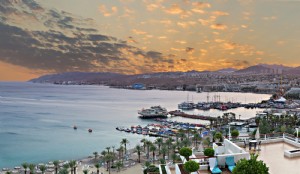
Northern Red Sea reefs off Eilat, Israel, and Aqaba, Jordan, thrive thanks to recent protections like coral replanting in Aqaba. Eilat features wrecks via Aqua Sport International, but Aqaba shines with the Cedar Pride, a 1985 artificial reef championed by King Abdullah II (Dive Aqaba recommended).
Saudi Arabia's western coast is surging in popularity, with unrestricted mixed-gender diving and upcoming tourist visas. Jeddah and Yanbu host established clubs; highlights include Jeddah's Boiler Wreck with fan corals and mantas (Desert Sea Divers) and Yanbu's Seven Sisters hammerhead haven via Dream Diver liveaboards.
When to Go
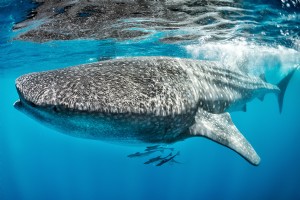
Dive year-round: oceanic whitetips October-January, hammerheads June-September, whale sharks May-July.

The Gulf
Despite development and oil influences in GCC waters, standout wrecks abound. Dubai's harbor sites like Zaineb, MV Ludwig, and MV Dara—site of a tragic 1961 disaster—impress with Al Boom Diving.
Iran's Kish Island emerges with Southern Crack's eel-filled rift and Sambaron's corals via Kish Diving Centre (note: separate men/women dives; visa-free from Dubai).
When to Go
Year-round viable; skip peak summer/winter for optimal visibility and comfort.

Gulf of Oman and Arabian Sea
Fujairah, UAE's Oman-facing emirate, outshines Gulf sites with richer marine life (Al Boom in Al Aqah) and plans for the world's largest artificial reef.
Oman's Musandam offers dhow dives (Al Marsa, Dibba); Muscat rules with Daymaniyat Islands' turtles, Al Fahal's rays/sharks, and Al Munassir wreck's nudibranchs.
Mirbat, south, blends coral/kelp and hosts 22 dolphin/whale species—orcas possible January-April (Extra Divers). Hallaniyat Islands excel for whales via Dive Worldwide liveaboards.

When to Go
North: year-round (best April-May/September-October; May visibility, September-November whale sharks). South: avoid June-September khareef monsoon.
Sarah Reid travelled to Oman with support from Shangri-La Barr Al Jissah Resort & Spa and Extra Divers Qantab. Lonely Planet writers do not accept freebies for positive coverage.