
Gyeongju: Time Travel to Korea's Ancient Silla Capital and UNESCO Wonders
Known as Korea's "museum without walls," Gyeongju is an unparalleled archaeological and architectural treasure, home to more Shilla-era marvels than anywhere else in the country. As the capital of the ancient Silla Kingdom from the 1st to 10th centuries, this UNESCO World Heritage site invites you to spend days uncovering its ancient tombs, temples, and ruins, steeped in over a thousand years of history.
Immerse yourself in Gyeongju's historic sites, and you'll feel transported to an era when Silla monarchs and Buddhist spiritualism shaped Korea's golden age.
Discover Ancient Rulers' Tombs
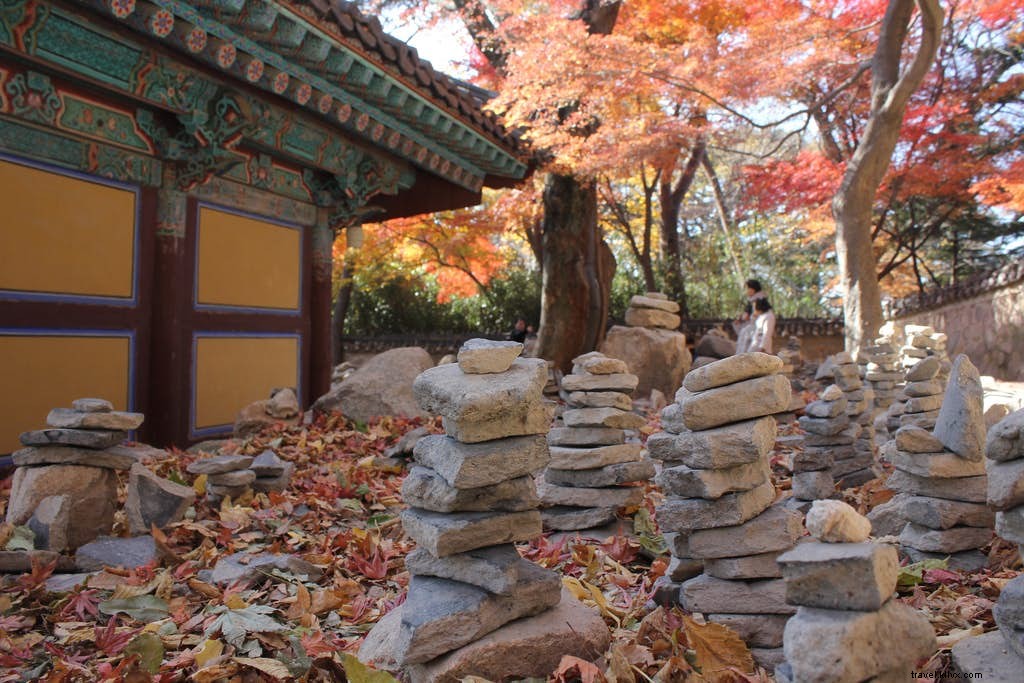
Gyeongju boasts some of Korea's oldest and most impressive royal tombs, concentrated in Tumuli Park. Amid lush gardens, these grassy burial mounds of Silla kings create a surreal, timeless landscape. While many remain mysterious, the excavated Cheonmachong Tomb reveals a cross-section of the mound and a dazzling array of 5th-century relics—jewelry, weapons, and ceremonial artifacts—from a bygone ruler.

The Gyeongju National Museum offers a comprehensive dive into the region's rich heritage. Dedicated galleries trace Silla history, complemented by temporary exhibits, an art hall, and vast collections of imperial artifacts and archaeological finds that vividly recreate the lives of Silla's rulers and people.
Embrace Spiritual Serenity
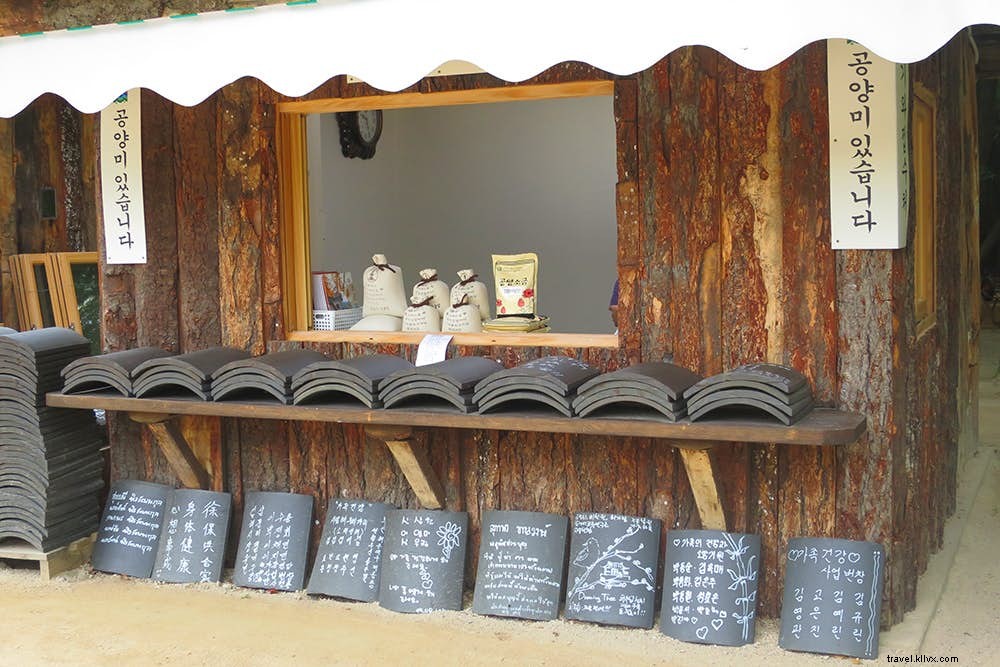
A quick bus ride from downtown leads to Bulguksa Temple on Mount Tohamsan's slopes. This 6th-century masterpiece exemplifies Silla's architectural splendor. Arrive early to avoid crowds and witness the monks' morning prayers at 10:30 a.m. For a unique souvenir, inscribe a prayer on a roof tile for 10,000 won, supporting future temple constructions.
Higher up, the Seokguram Grotto houses the majestic 3.4-meter Sakyamuni Buddha amid intricate carvings of deities. This 8th-century engineering marvel offers profound insights into Buddhism's enduring role in Korean culture, plus stunning East Sea views—especially ethereal in morning mist.
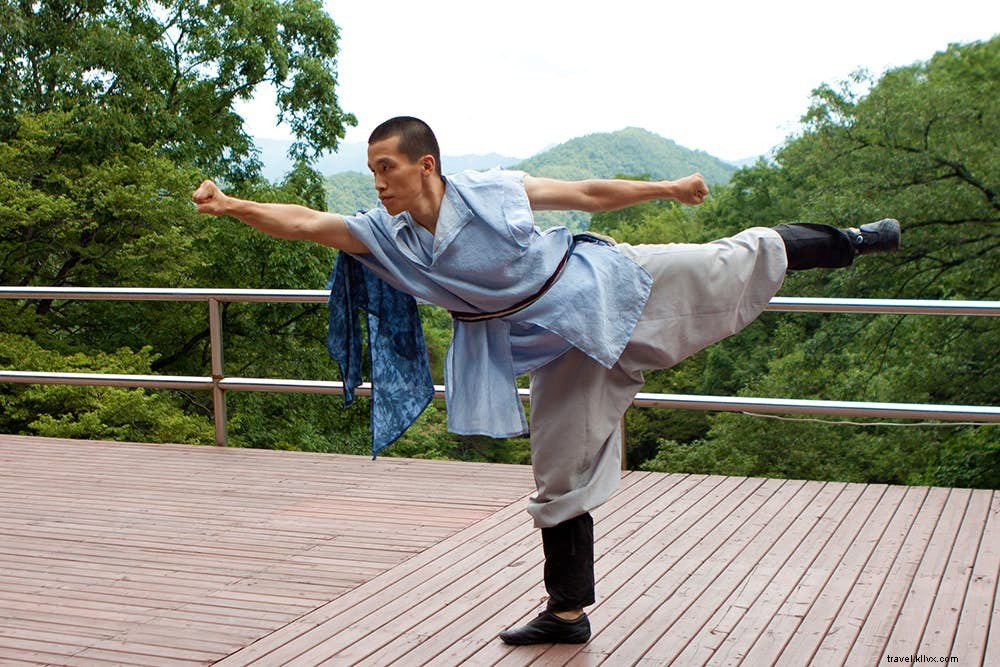
Capping Gyeongju's spiritual sites is Golgulsa Temple, famed for temple stays immersing guests in monastic life—morning chants, meditation, tea ceremonies, and communal work. Its highlight: sunmudo, a meditative Korean martial art. Stays include training; day visitors enjoy free 20-minute demos at 11 a.m. and 3:30 p.m.
Venture into Outdoor Treasures
From rolling tomb mounds to forested peaks, Gyeongju's terrain beckons hikers. Namsan Mountain offers trails dotted with hidden temples and stone Buddhas, from 3-hour loops to full-day adventures.
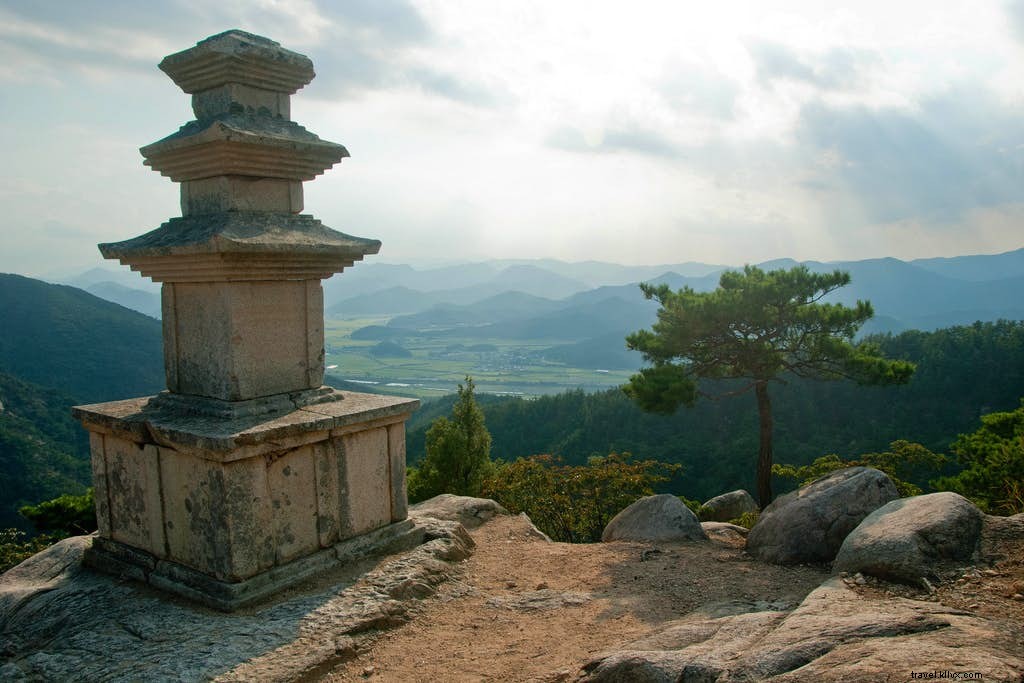
Bike rentals (12,000–15,000 won/day) make exploring city-center lakes, gardens, and sites effortless. Pedal to Anapji Pond's elegant pagodas and lawns—ideal for late-afternoon relaxation. Nearby, Cheomseongdae, East Asia's oldest observatory, glows magically at night.
Savor Traditional Korean Flavors
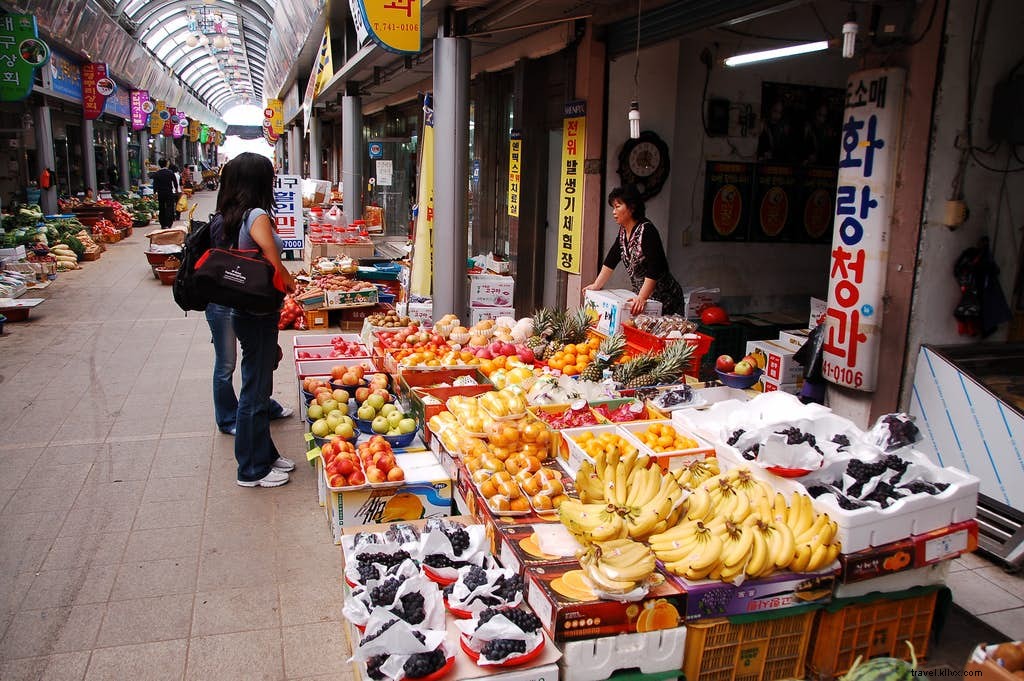
Gyeongju shines for authentic eats. Seongdong Market (visitkorea.or.kr), Korea's largest traditional market, brims with fresh produce, seafood, and stalls serving bibimbap (rice with mixed veggies) and dwaeji-gukbap (pork soup)—perfect for picnics.
Beside Tumuli Park, Dosol Maeul in a historic hanok courtyard serves kimchi, tofu stews, veggies, and seafood, blending cuisine with culture.
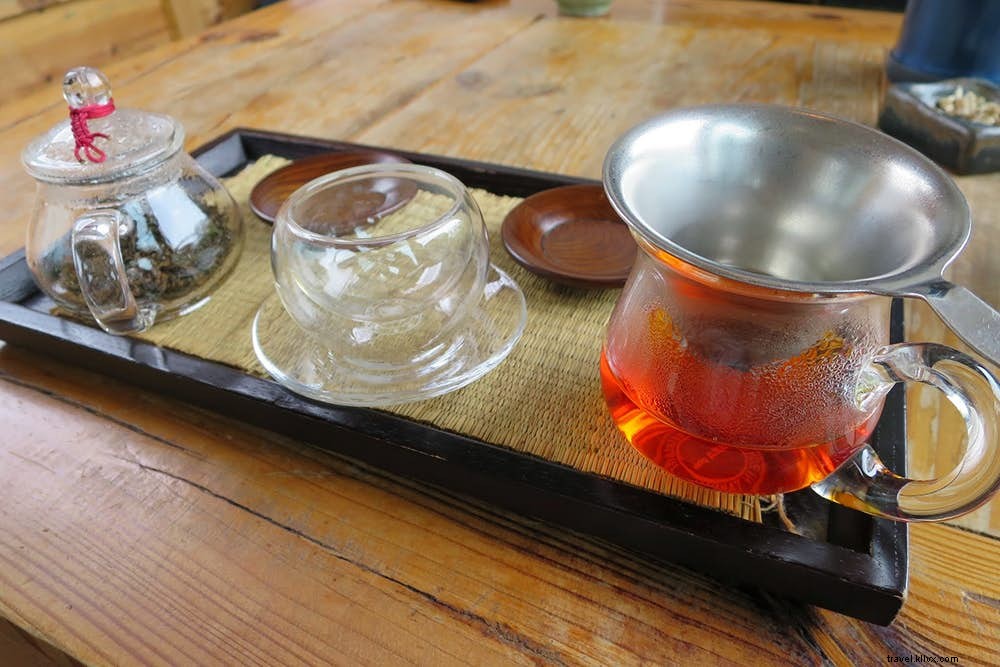
Teahouses endure as a Korean tradition. In Noseo-dong, Ah Sa Ga Teahouse (아사가찻집; 9-2 Jungbu-dong) hides a rustic gallery of calligraphy and crafts behind a modest courtyard, offering diverse teas and sets.