Beijing Travel Tips for Beginners: 7 Common First-Timer Mistakes to Avoid
Beijing's captivating contradictions offer an exhilarating adventure for first-time visitors. Neon lights flicker beside traditional swaying lanterns, vast squares border intricate hútòng (alleyways), and the symphony of market vendors and car horns fills the air.
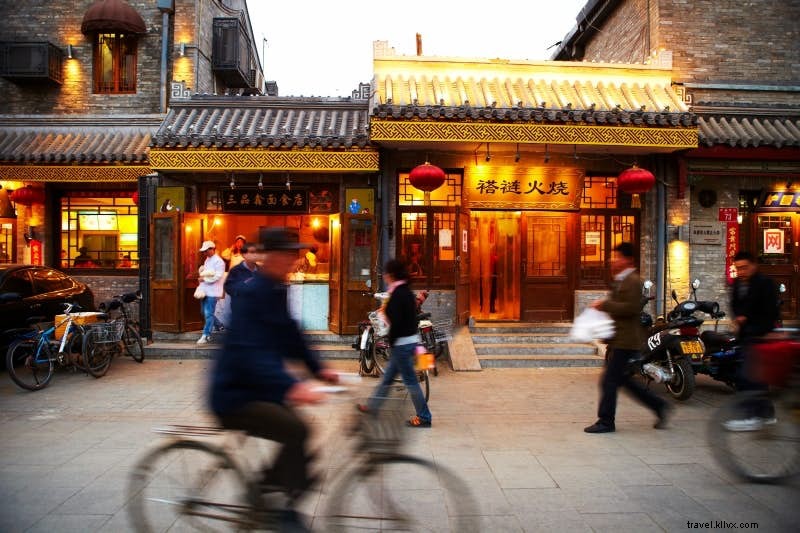
In this dynamic yet overwhelming city, first-timers can easily feel frazzled. Sidestep these seven common pitfalls to ensure a smoother, more enjoyable Beijing experience.
Mistake #1: Overloading Your Beijing Itinerary
It's tempting to see everything, but cramming temples, palaces, meals, shopping, and hutong exploration into one day leads to exhaustion—as this seasoned traveler learned after nearly collapsing into a hotpot. Focus on fewer, meaningful activities to maximize your time.
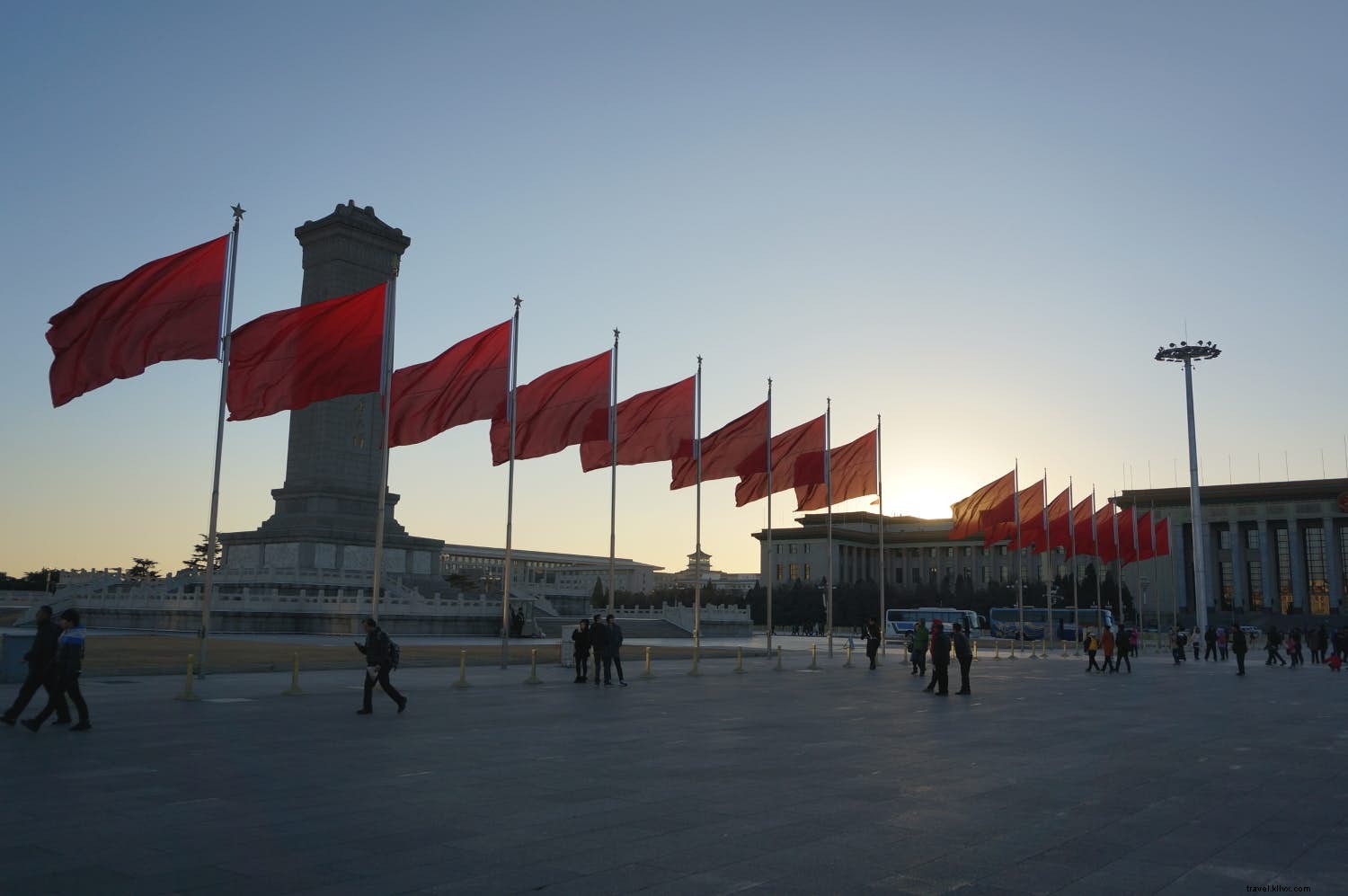
Beijing's security checks, complex subway transfers, and vast distances eat up hours for newcomers. Avoid scheduling lunch far from morning sights or saving key museums for the end. Instead, group by neighborhood: pair the Forbidden City with Tiananmen Square; dedicate a full day to the Summer Palace; allocate an afternoon for the 798 Art District, including subway and bus travel. For day trips, start early and return before peak rush-hour traffic.
Mistake #2: Ignoring Air Quality
Beijing's notorious smog significantly impacts visits. Plan accordingly—our eyes streamed and sinuses rebelled during a Summer Palace outing. Pollution affects visibility, photos, and energy levels.

Monitor via apps like Airpocalypse (airpocalypseapp.com) for daily forecasts. On poor air days, opt for indoor museums and galleries; clear days suit outdoor temples and palaces. If inflexible, build in cafe breaks during high pollution.
Mistake #3: Hesitating in Queues and at Crossings
With over 21 million residents, Beijingers navigate assertively. Queue-jumping and busy roads can disorient visitors—don't take it personally.
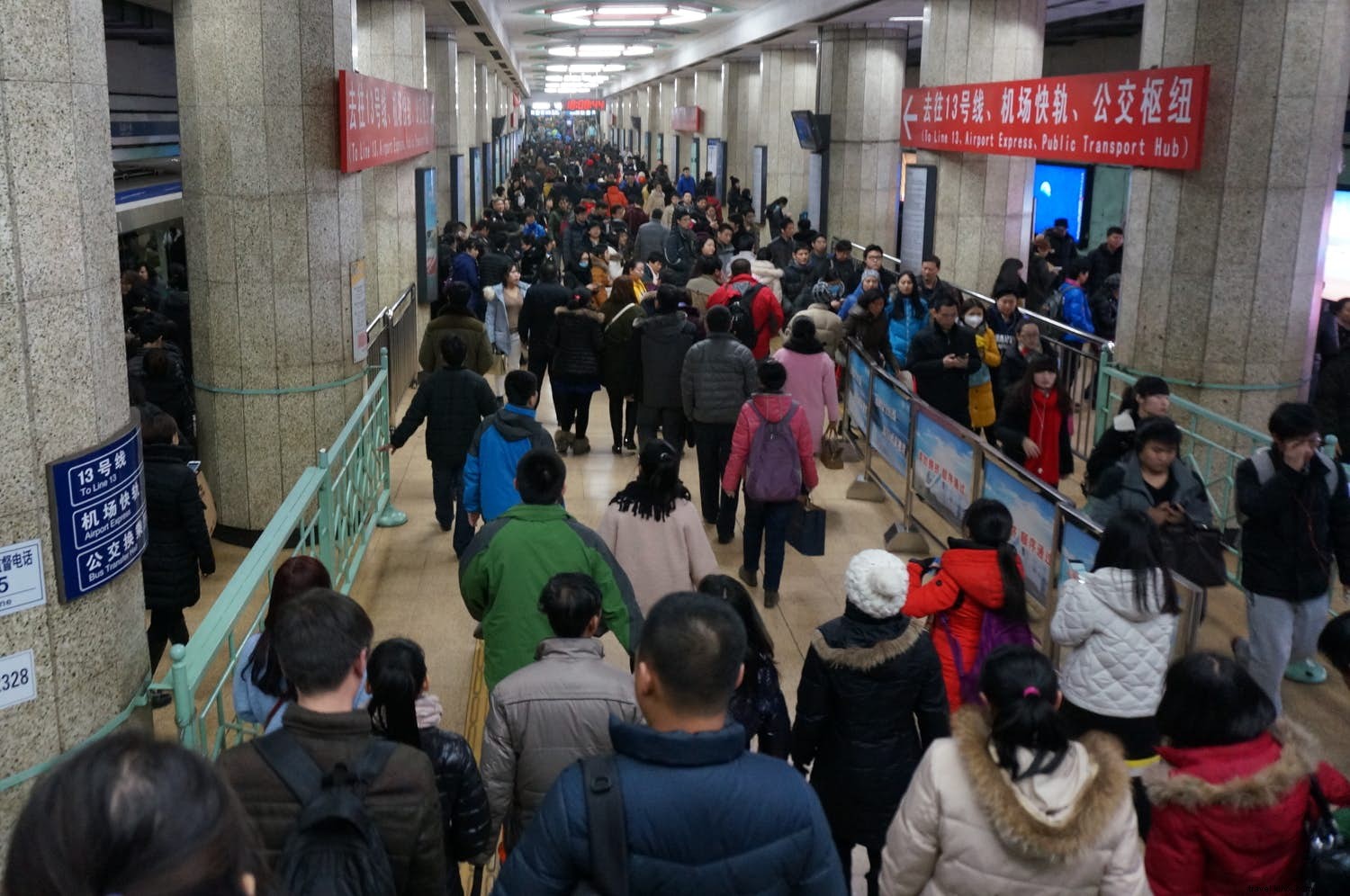
Stand firm at queues and crossings, maintain confident body language, and push forward. Honking cars and close passes are normal—adapt to blend in.
Mistake #4: Resisting Security Checks
Expect frequent checks at stations, subways, and sites like Tiananmen Square. Bags are X-rayed, pat-downs common, passports may be glanced at.
Comply efficiently: swing bags through scanners, nod along. Resistance prolongs processes—embrace it as part of the experience for quicker transit.
Mistake #5: Attempting to Walk Everywhere
Beijing is vast, not walkable end-to-end. Use bikes or public transport to avoid fatigue between distant sites.
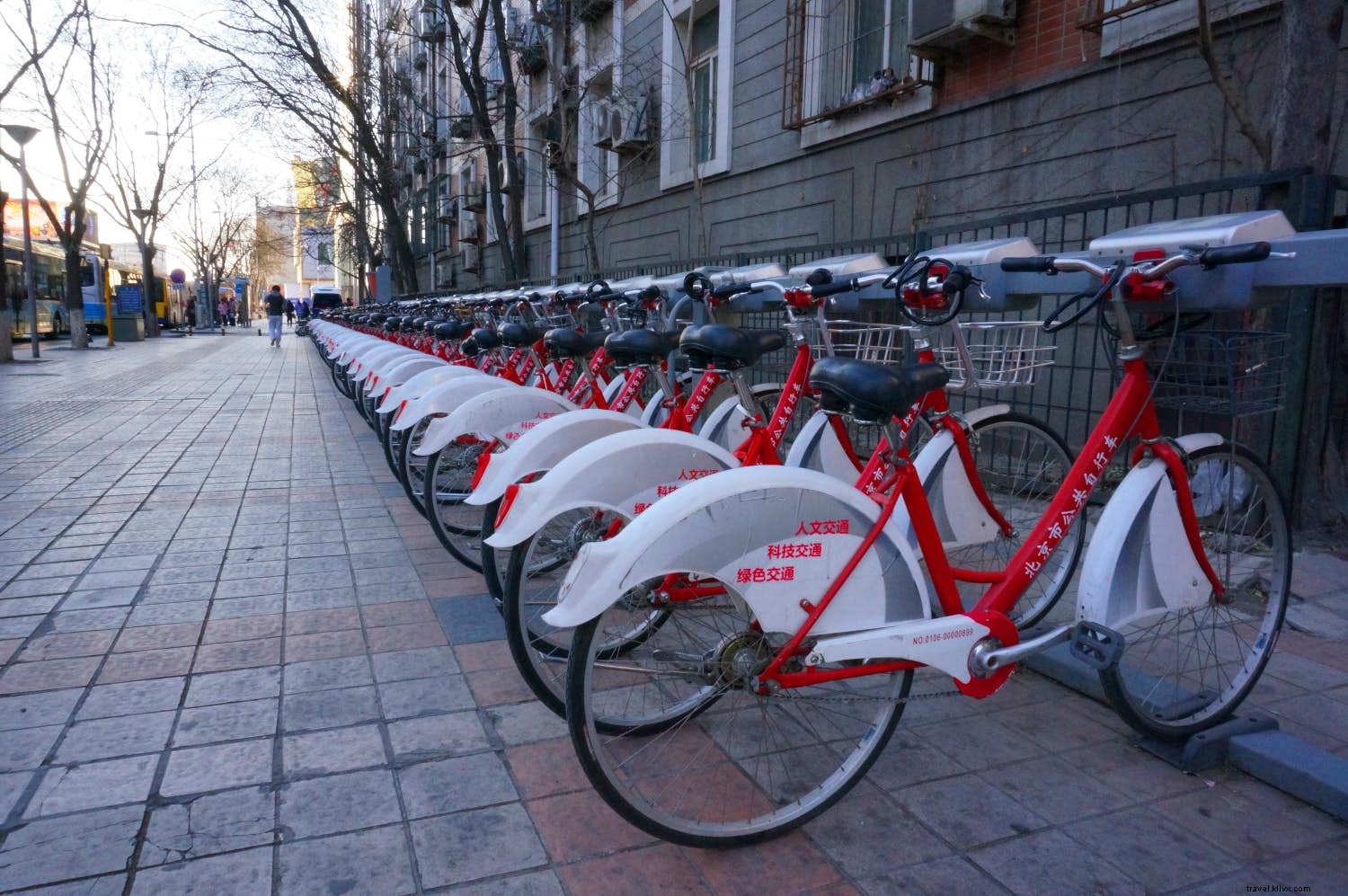
Rent bikes from hostels (bring passport, pay deposit, inspect first). Subways are user-friendly with Pinyin signs and English announcements. Get a rechargeable IC card (¥20 deposit) for subways and buses—scan on/off. Buses outside city limits have less English, but station staff assist.
Mistake #6: Expecting Widespread English
Signs help in subways and stores, but spoken English is limited. Use apps like Learn Chinese Pro (play.google.com), phrasebooks, or basics like nǐhǎo (hello) and xièxie (thank you).
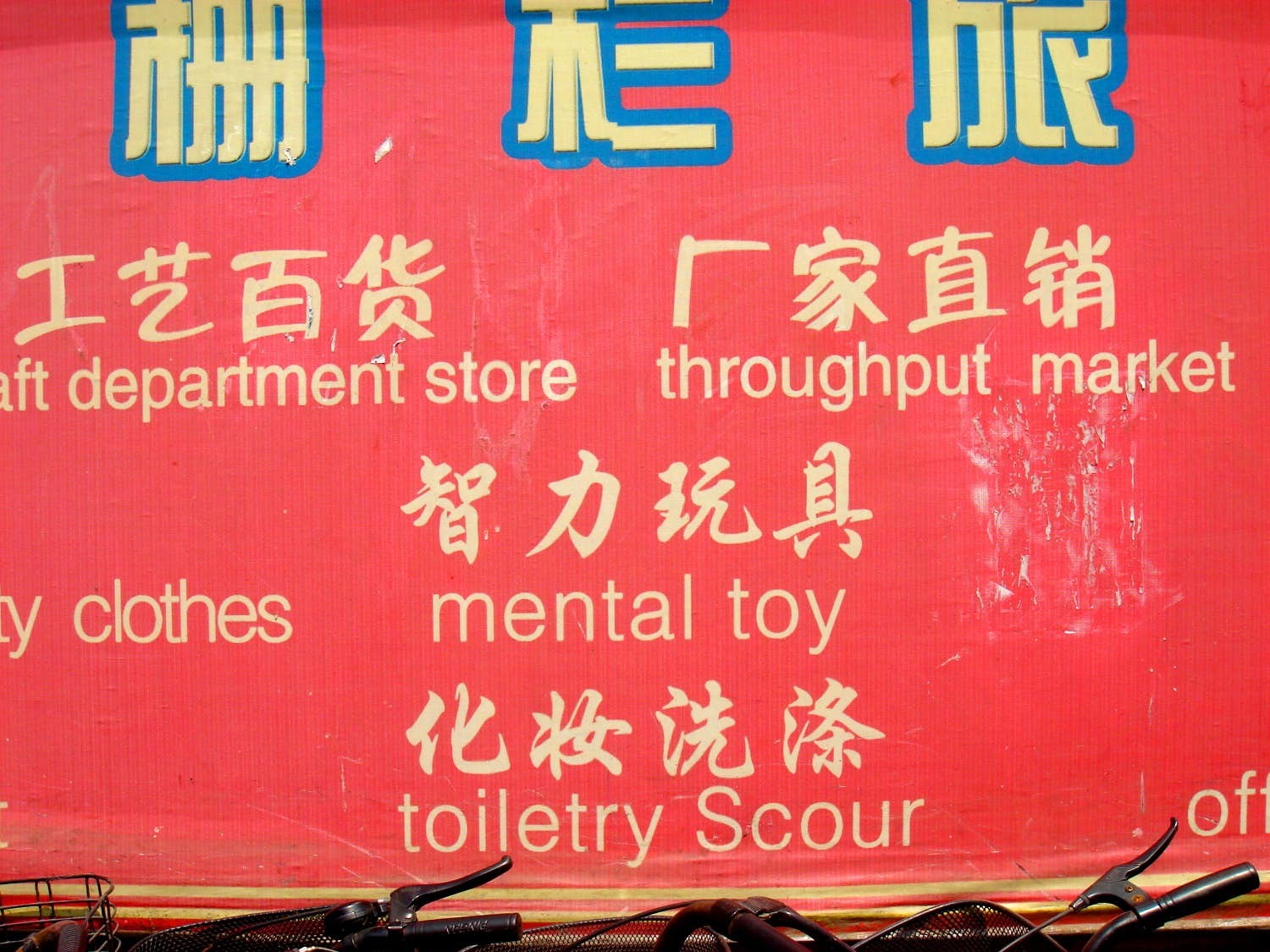
For taxis, show addresses in Chinese characters from maps or hotel cards. Learn dǎo biǎo ('turn on the meter'). A notepad sketches needs effectively, like at ski rentals.
Mistake #7: Fearing Dining Etiquette
Beijing dining is relaxed. Practice chopsticks; avoid sticking them upright in food (funerary resemblance). Slurp noodles, remove bones openly, share via spoons.
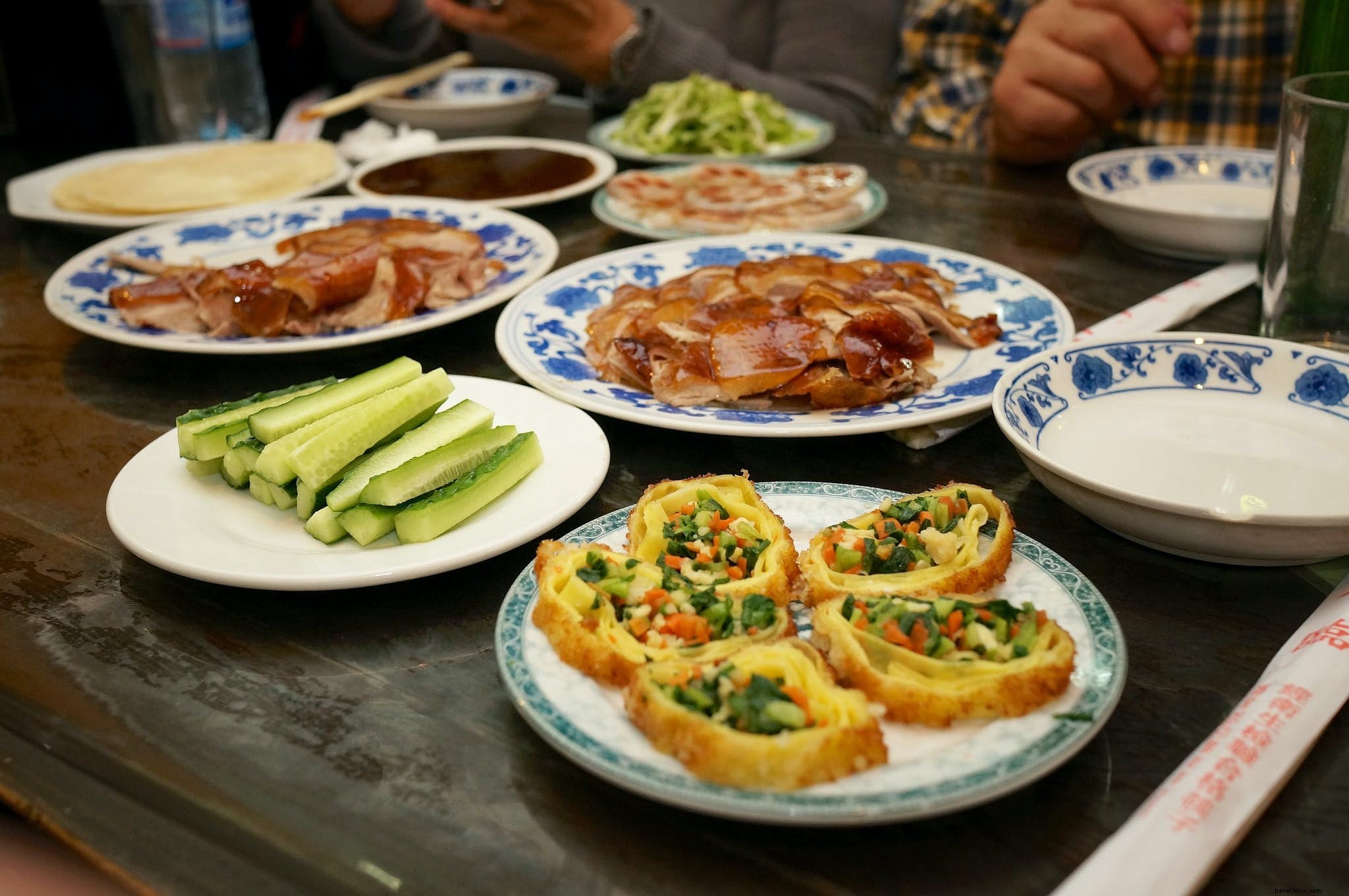
Follow staff cues for enhancements, like sugaring cheese or seasoning duck. Match table rhythms—dishes arrive variably, but satisfaction is guaranteed, just like your Beijing trip.