

Xisi: Beijing's Emerging Hutong Neighborhood – Historic Gems and Local Eats
Xisi, literally 'West Four,' is a charming neighborhood in western Beijing, named for its four intricately carved paifang (memorial arches) that once marked the crossroads of Xisi Dajie and Fuchengmennei Dajie. The originals are gone—a replica stands at the Xisi subway entrance—but the area preserves historic public buildings, temples, and winding hutong alleys, delivering an authentic, low-key local atmosphere in this under-the-radar district.
Adding to its allure, independent cafes, restaurants, and creative spots are quietly thriving here, ideal for travelers seeking respite from Beijing's busier tourist zones.
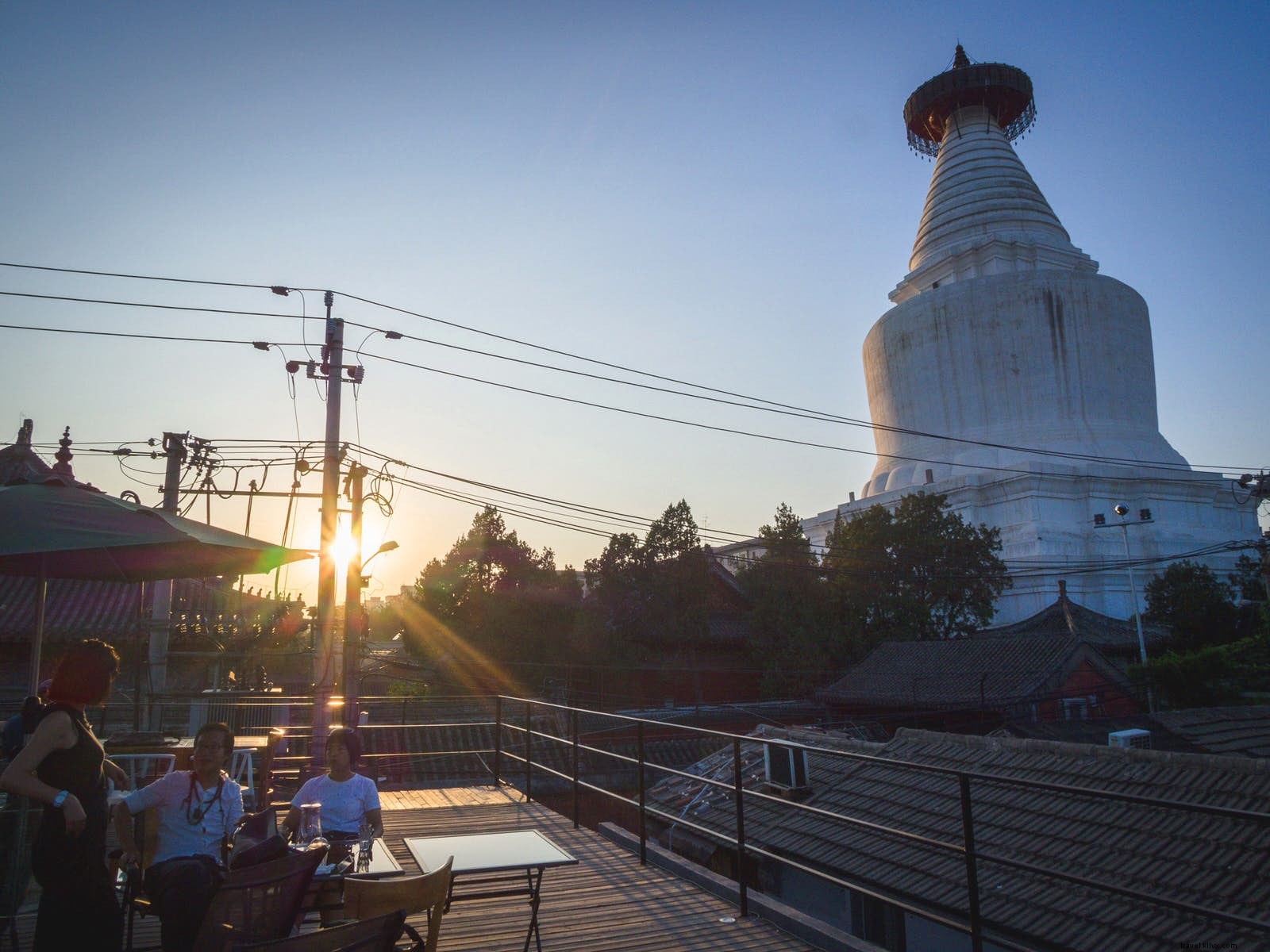
Bear Brew
Operated by Ryan and Andrew, two affable Chinese owners fluent in English, this gay-friendly hutong cafe specializes in creative coffees like 24-hour cold brew with cola, the 'dirty' (espresso over iced milk), and a tea-like brew from Panama Geisha husks. The rooftop terrace boasts poetic views of Miaoying Temple's White Dagoba (Baitasi)—perfect for unwinding. No alcohol, but the passion-fruit virgin mojito packs punch alongside creme brulee or berry cheesecake.
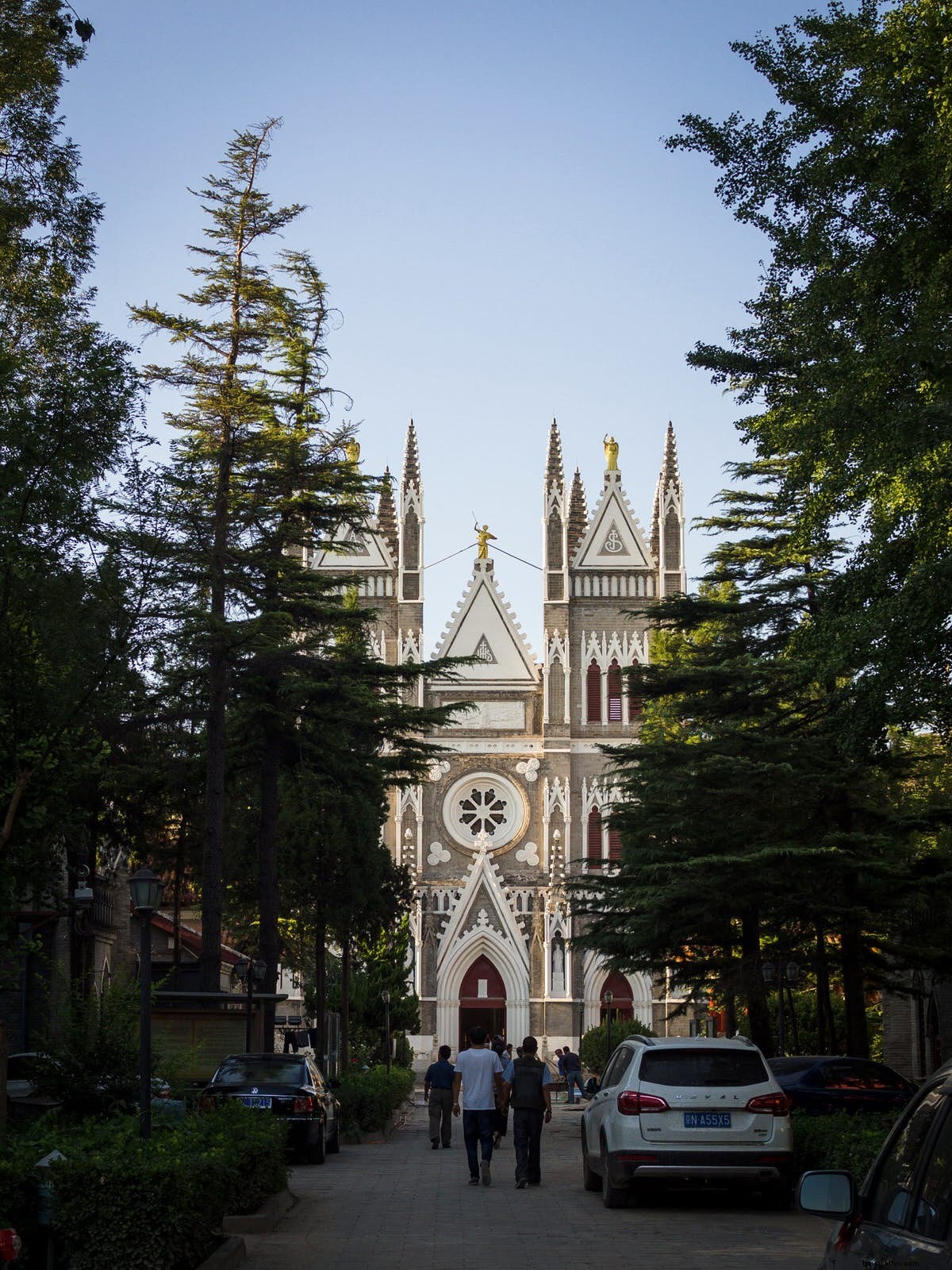
Cathedral of Our Saviour
Beijing's finest Gothic ecclesiastical gem arrived in the late 19th century, with its grey marble facade harmonizing with surrounding hutong and twin spires over Chinese gardens. It served as the Bishop of Beijing's seat until 1958 and endured a brutal 1900 Boxer Uprising siege, where 400 foreigners died amid thousands of survivors. Following renovations completed around 2017, it's now open to visitors. The nearby former convent, adorned with red communist stars, is a quick walk southwest.
Wan Song Laoren Tower
This nine-tiered pagoda dates to the 13th-century Yuan dynasty (partially rebuilt in the 1980s) and sits in a peaceful garden of pomegranate trees and grapevines amid historic hutong frames and carvings. A Chinese-language bookshop sells vintage postcards and jasmine tea for alfresco enjoyment. Named for Yuan-era Zen master Wan Song Xing.
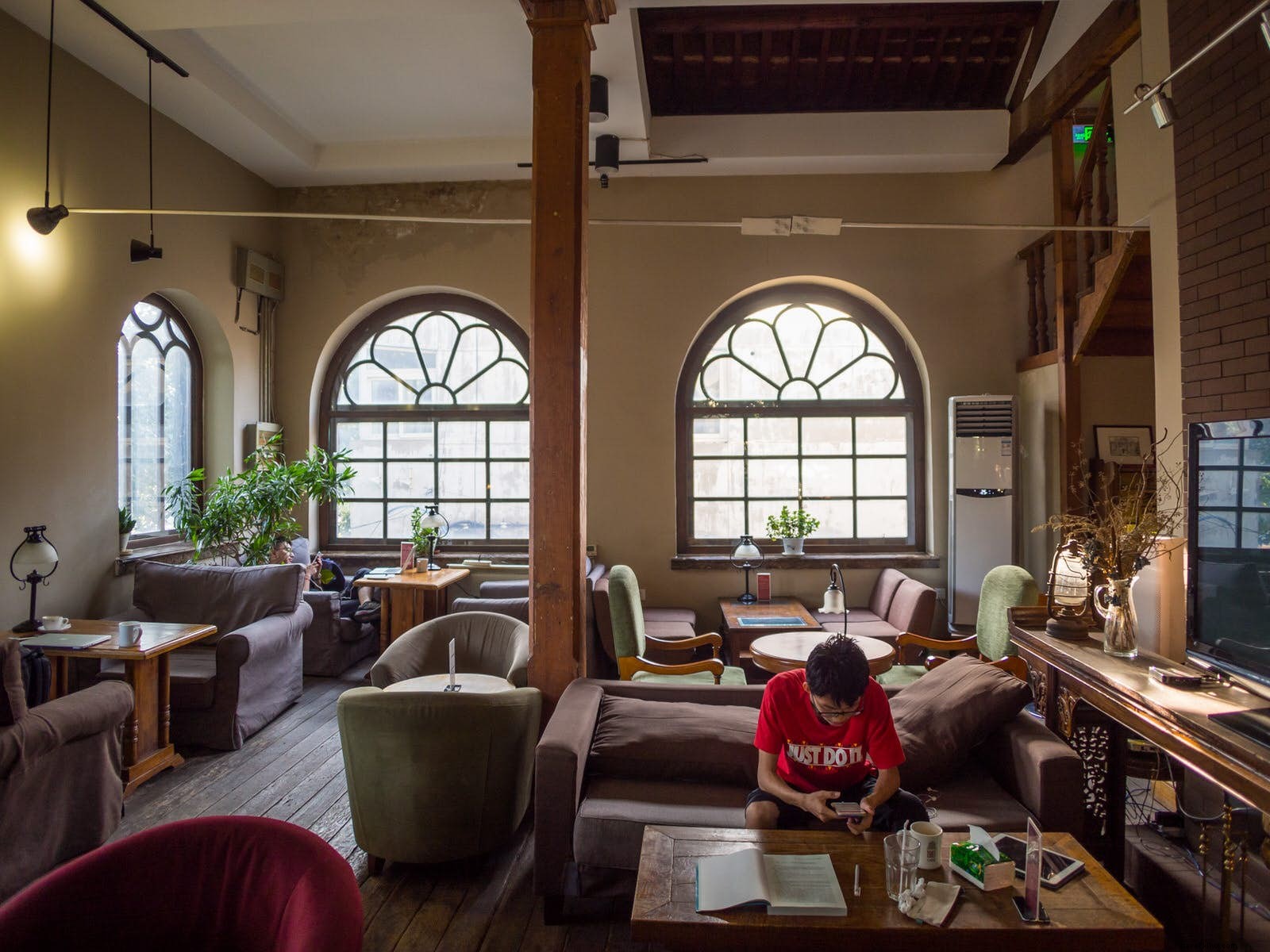
1901 Cafe
A baroque three-story landmark built in 1901—and largely unchanged since—it was gifted to the Cathedral soon after, housing Catholic Action until 1949. Relax with coffee, tea, snacks at eclectic tables under wooden eaves; browse second-floor bookshelves for hours.
Yufunan
In a stark white modernist space amid weathered hutong, Yufunan ('Southern Fish') offers elite Hunan cuisine with sour-spicy flair: slow-cooked 'secret beef' fried with chilies and cumin; grind-your-own lajiao lei pidan (peppers and preserved eggs). Cubist interiors demand Instagram shares.
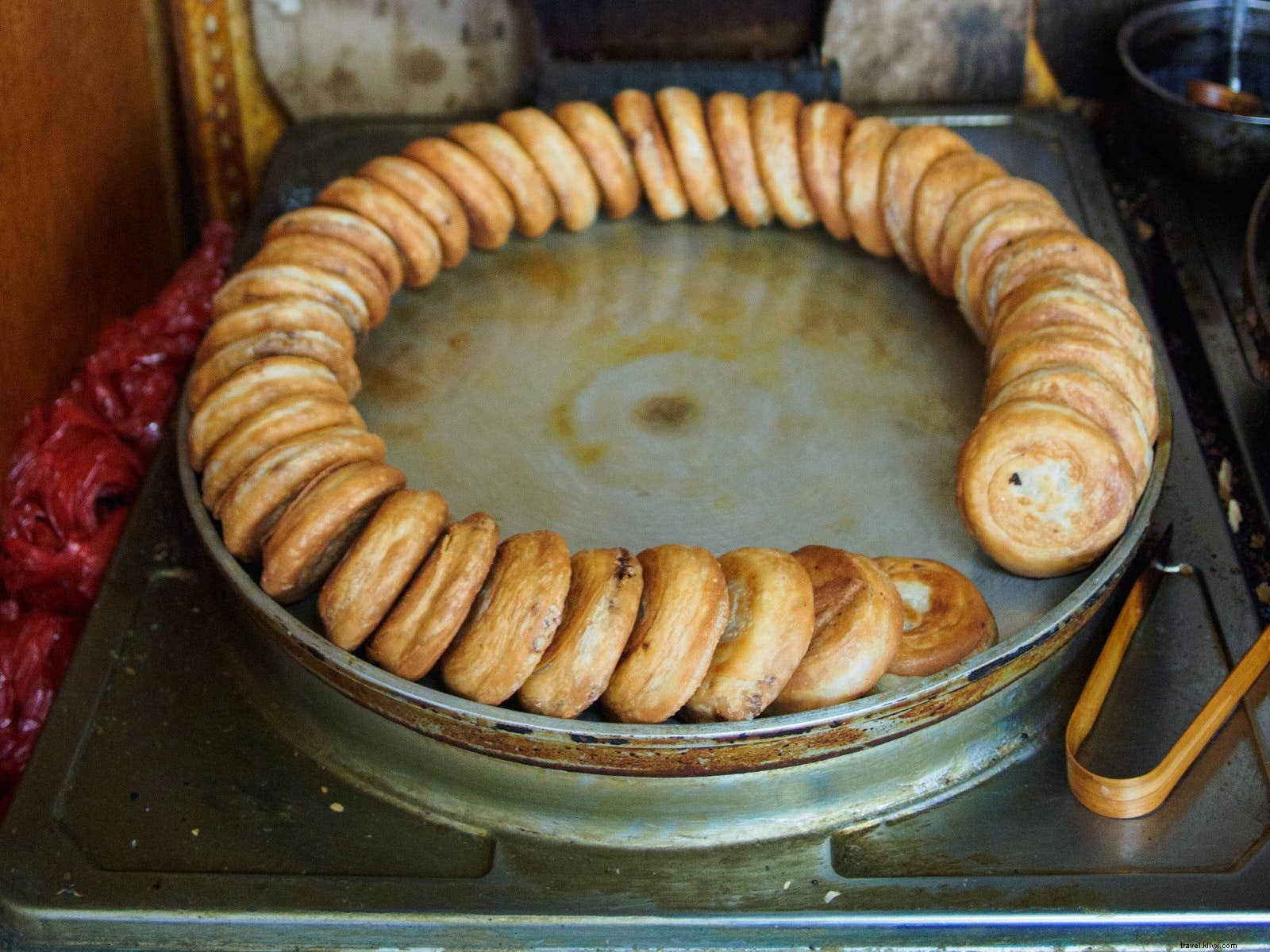
Royal Palace Crisp Beef Pies
This Tang-era snack survives in a rustic alley spot near the Cathedral: hand-rolled xiang su niurou bing, crisp layered beef-leek pies with Sichuan pepper tingle, at 4 RMB each. Buy extras to go.
Qixian Alley
Stroll hutongs under Miaoying Temple's White Dagoba, but Qixian shines: just two meters wide, weaving through local lanes with pigeon lofts, Mao-suited residents, sesame shaobing stalls, and phoenix trees canopying rooftops.
Make it happen
Xisi Station on Line 4 drops you in the heart; all spots are walkable.
