Discover Lantau Island: Hidden Gems of Hong Kong's Largest Escape
Most visitors to Hong Kong touch down at Hong Kong International Airport on Lantau Island's reclaimed northern shores, then rush by taxi or MTR to the bustling districts of Hong Kong Island and Kowloon.
A few return for Disneyland or the iconic Ngong Ping 360 cable car to the Tian Tan Buddha atop Ngong Ping hill, yet many overlook the island's deeper allure.
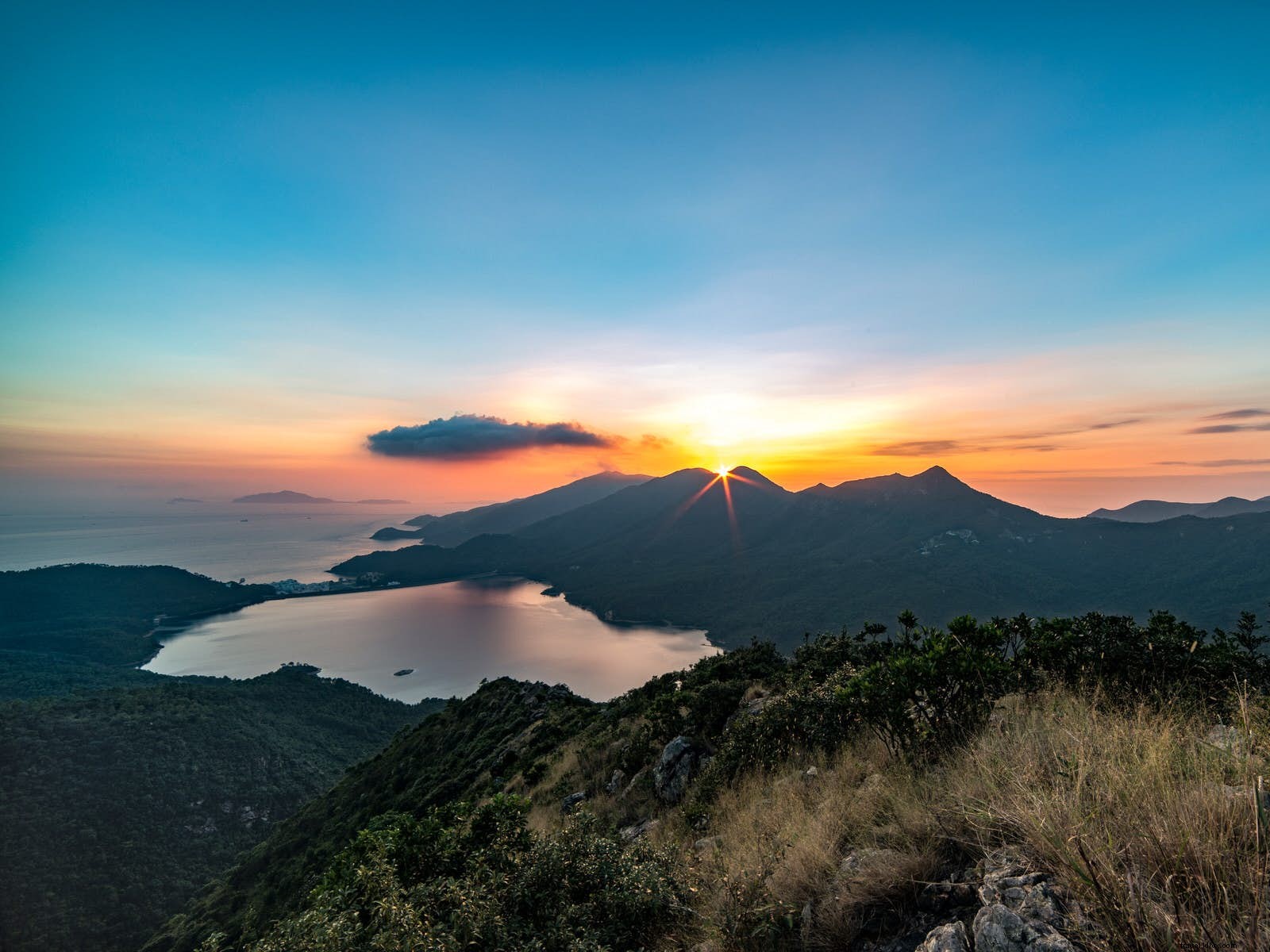
For those seeking Hong Kong's serene side, dedicating time to explore Lantau—the city's largest island—reveals natural beauty, rich history, and authentic charm far beyond the tourist hotspots.
Lantau's Rich History
Human presence on Lantau dates back millennia, with Bronze Age rock carvings and a Neolithic stone circle unearthed here. Positioned at the Pearl River estuary's eastern outlet, it served as a vital hub for trade, shipping, and fishing.
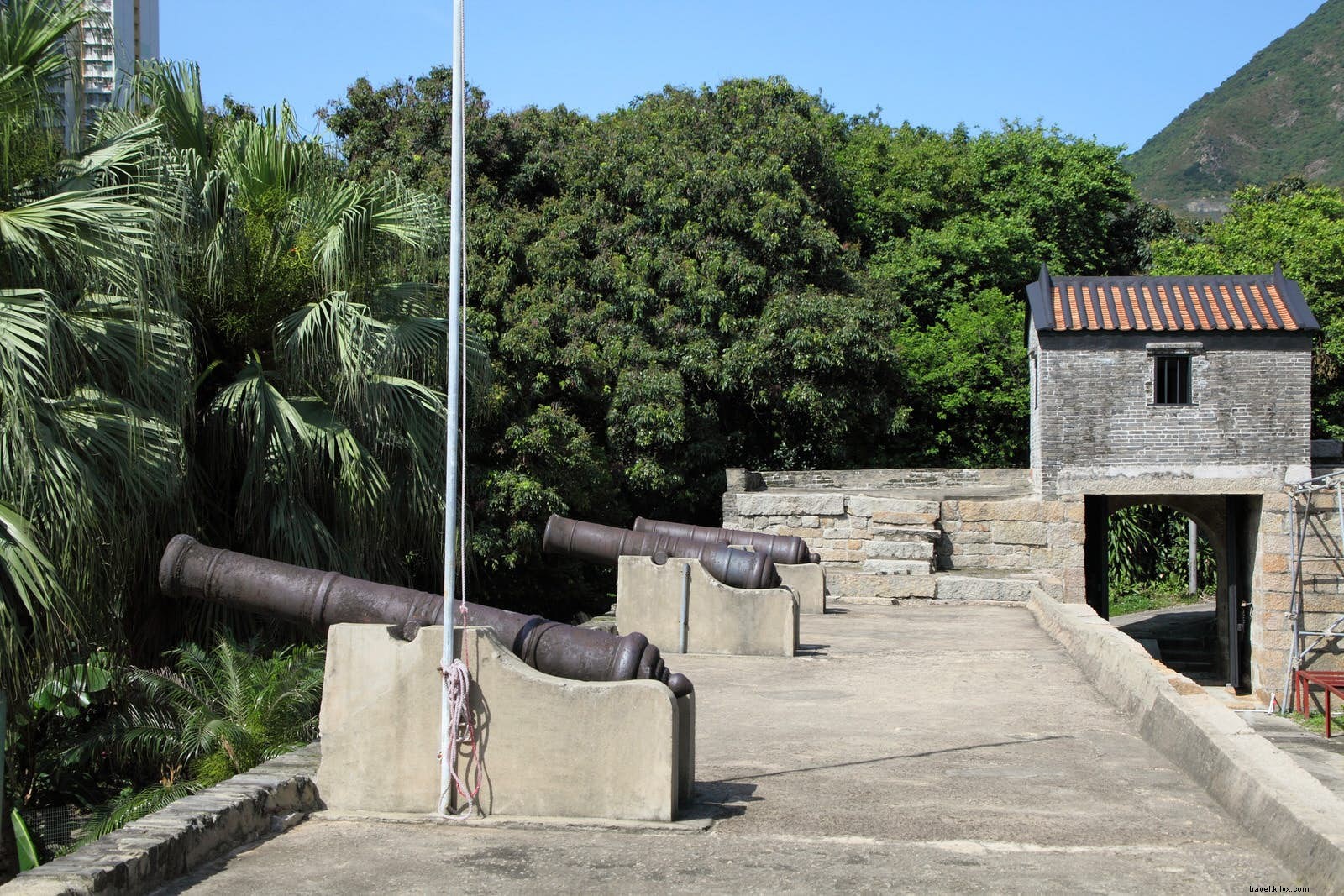
During the Qing Dynasty (1644–1912), the island faced pirate raids and opium smuggling, prompting fortifications like Fan Lau Fort—Hong Kong's oldest, at the southwestern tip—and Tung Chung Fort (built 1832) for Chinese troops. Notorious pirate Cheung Po Tsai once roamed here before joining the Qing navy.
Hong Kong's Lungs: Pristine Nature
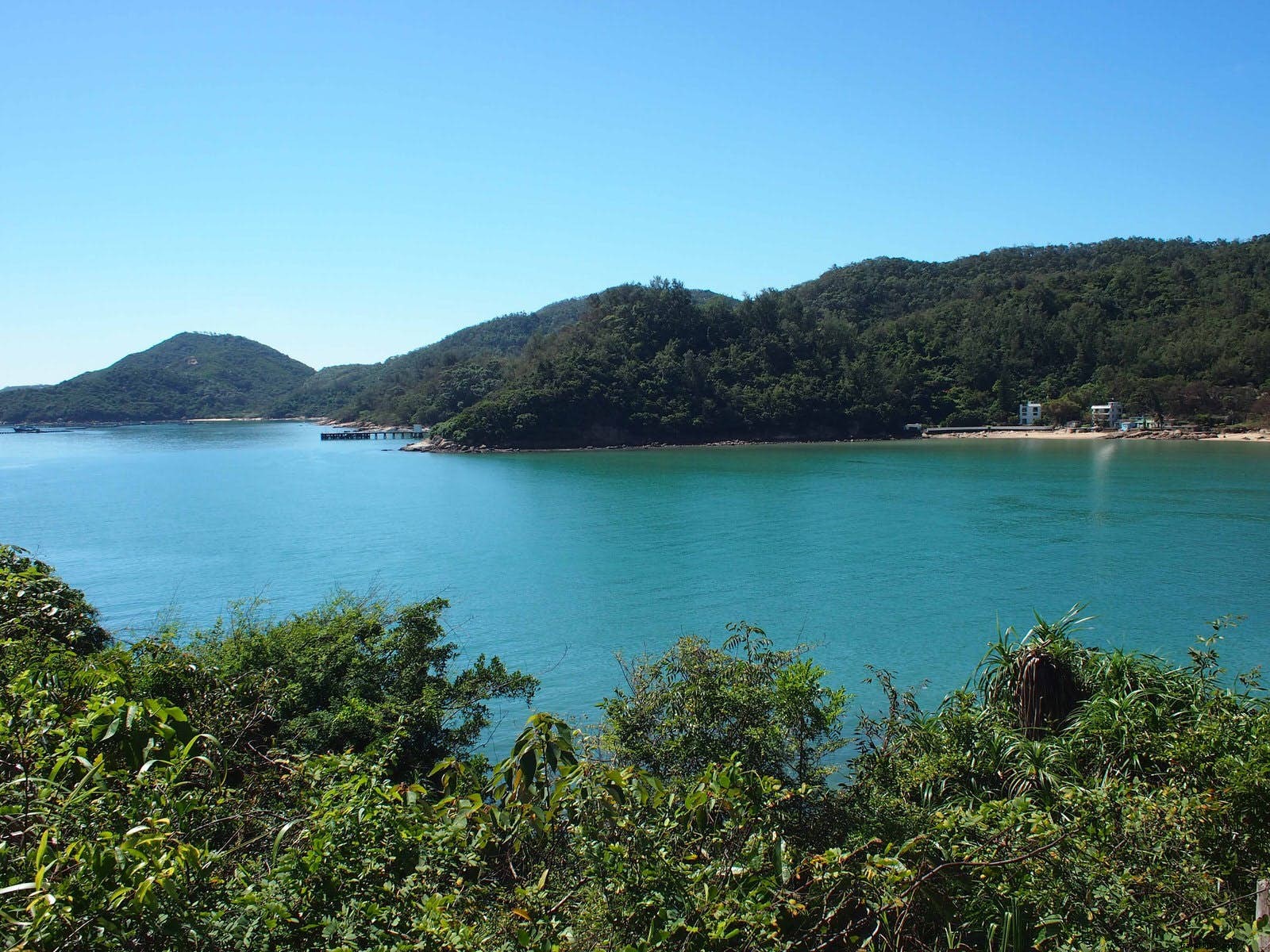
Dubbed Hong Kong's 'lungs,' Lantau's indigenous forests blanket its rugged mountains. Over half the island is protected country park, accessible mainly by foot, fostering diverse wildlife habitats from slopes and forests to rocky coasts.
Spot muntjac deer, tree squirrels, snakes, sea eagles, and feral water buffalo in wetlands. Offshore, Chinese white dolphins (often called pink dolphins) grace the west coast, though construction like the airport and Hong Kong-Zhuhai-Macao Bridge has made sightings rarer.

Authentic Village Life
Unlike the dense urban sprawl of Hong Kong Island and Kowloon, Lantau's scattered villages offer tranquil living.
Mui Wo, on the east coast in Silvermine Bay (named for historic silver mines), is an ideal base. Nestled between a sandy beach and hike-friendly mountains, it features quaint streets with traditional homes, eateries, and a revamped waterfront promenade boasting spots like Mui Wo Cooked Food Centre for fresh seafood.
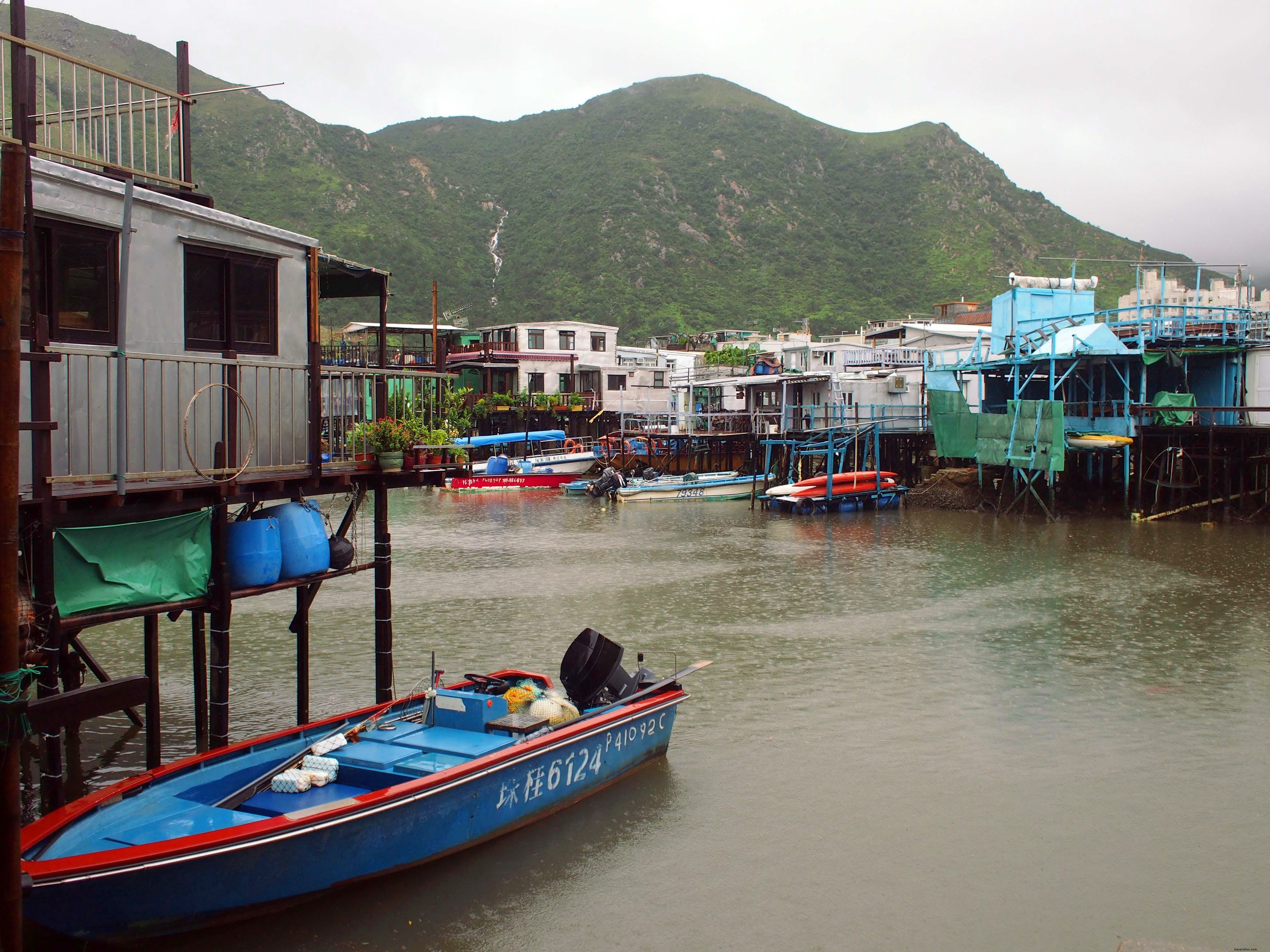
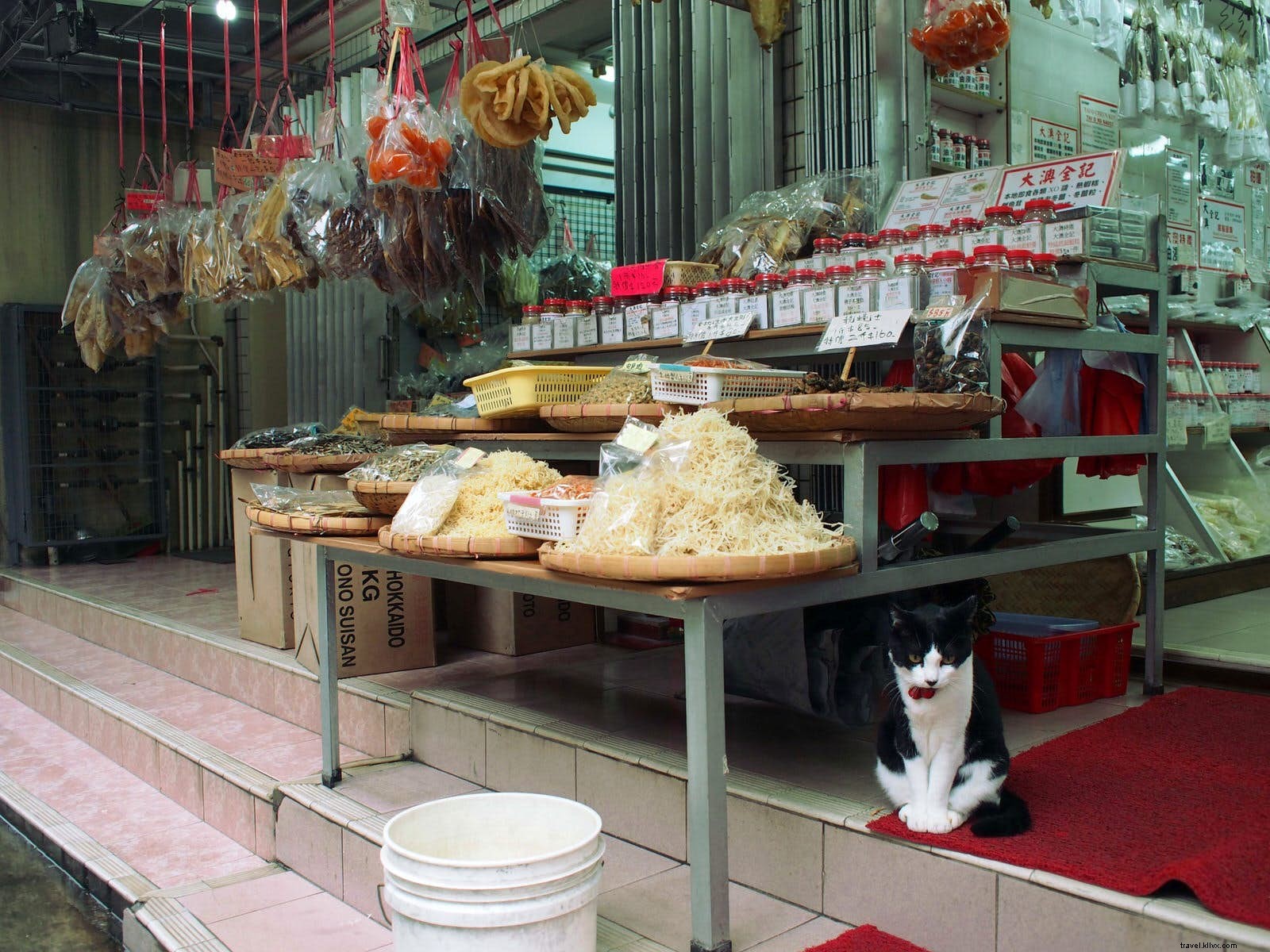
On the west coast, Tai O's stilt houses rise above tidal creeks—once fishermen's dwellings, now atmospheric relics. Locals sell salted fish and shrimp paste or offer boat tours. Former saltpans now attract birdwatchers spotting egrets and herons.
Nearby, the Tai O Heritage Hotel (1902 colonial police station) offers sea views and historic cannons. South coast gems include Tong Fuk and Pui O villages in scenic bays.
Epic Hiking and Biking Trails
Lantau boasts dozens of trails, including the challenging 70km Lantau Trail crossing Sunset Peak (800m) and Lantau Peak (934m), with campsites for multi-day adventures. Divided into 12 sections, most start from Mui Wo buses.
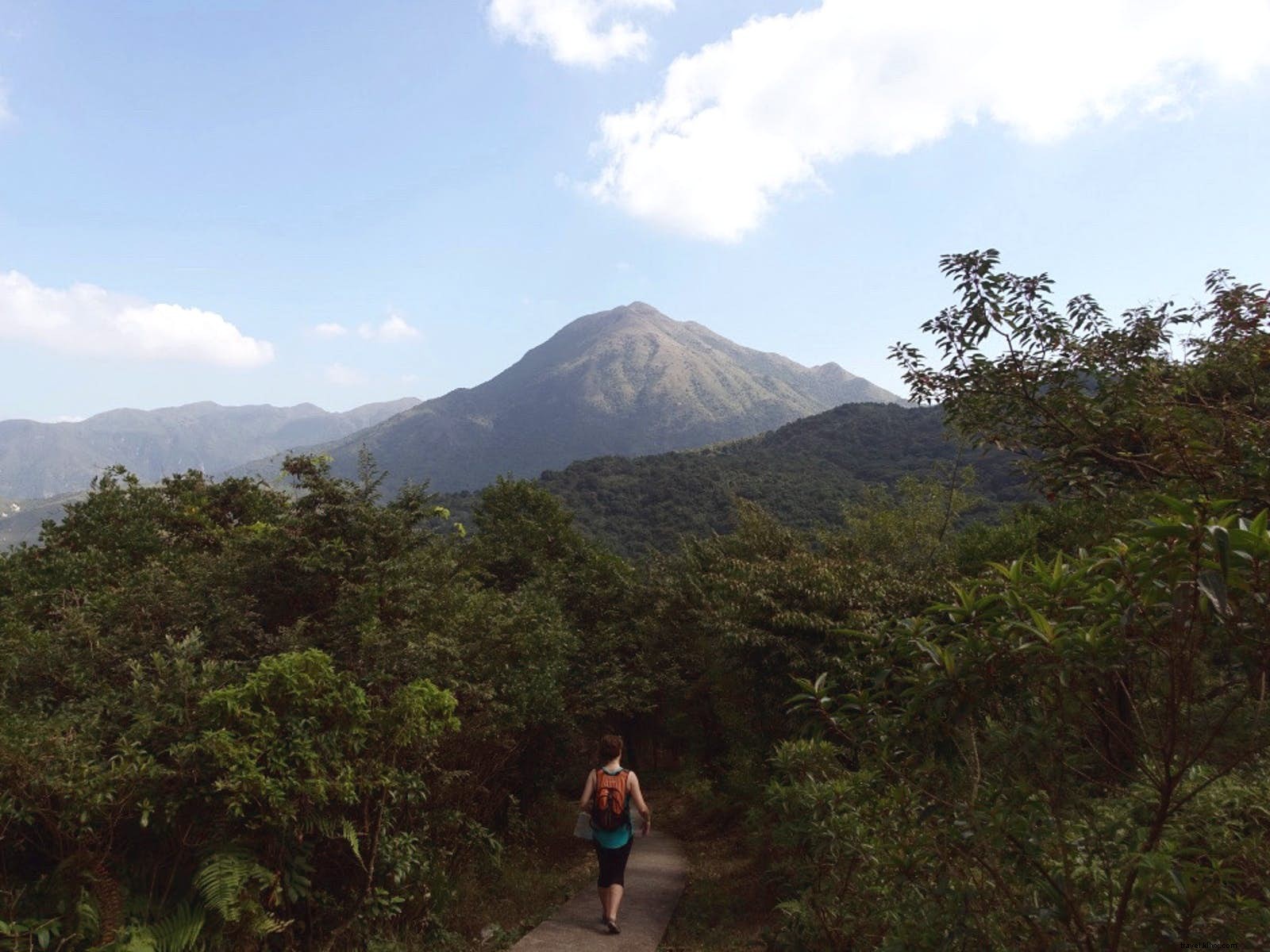
Shorter paths wind through abandoned villages and coves with panoramic views. Get maps from the Survey and Mapping Office. Mountain biking trails are detailed on the Agriculture, Fisheries and Conservation Department website; Friendly Bicycle Shop in Mui Wo provides rentals and advice.
Top Beaches for Relaxation
Lantau rivals Hong Kong's best beaches. Cheung Sha's long white sands, backed by peaks, splits into family-friendly Upper Cheung Sha (with restaurants and safe swimming) and quieter Lower Cheung Sha leading to Tong Fuk.
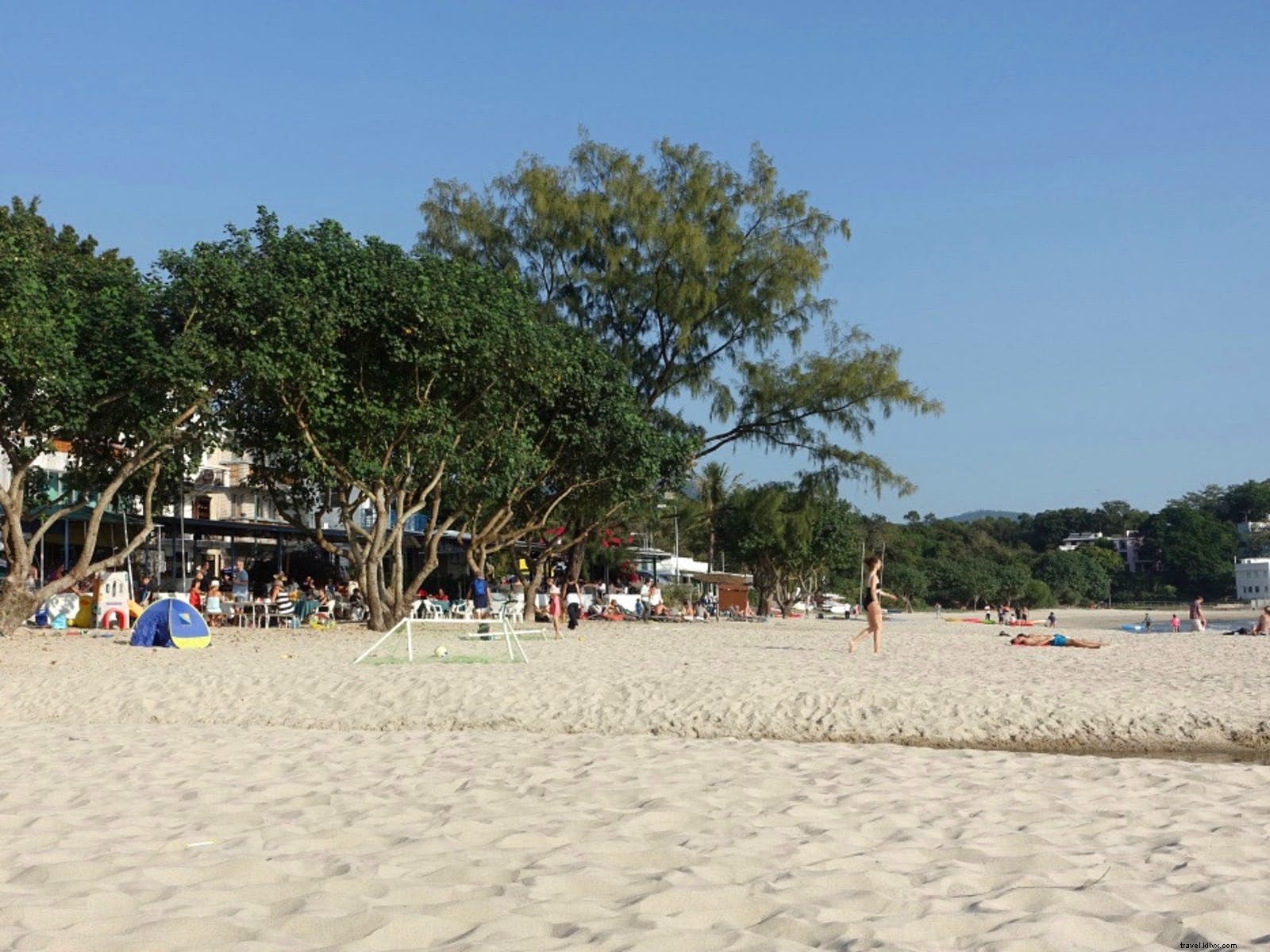
Pui O offers wild camping, surfing for beginners, and Mavericks beach bar with a skate park.
Practical Tips to Visit
Options include island hotels, Airbnb-style rentals, or camping sites. Base in Hong Kong and ferry to Mui Wo for day trips.
Lantau taxis (blue) serve the airport; book by phone. Buses from Mui Wo's ferry-adjacent station cover key sites.