Epic Adventures on Little Liuchiu: Taiwan's Largest Coral Island
It's midnight on the beach, wading cautiously through low-tide rock pools. Waves crash rhythmically, illuminated only by your headlamp. Spotting black, spiky sea anemones in the crevices, you switch off the light, enveloped in darkness.
Gently stirring the shallow water with your feet reveals the magic: bioluminescent Noctiluca organisms sparkle like underwater fireflies or fleeting shooting stars—a rare natural spectacle visible only under perfect conditions.
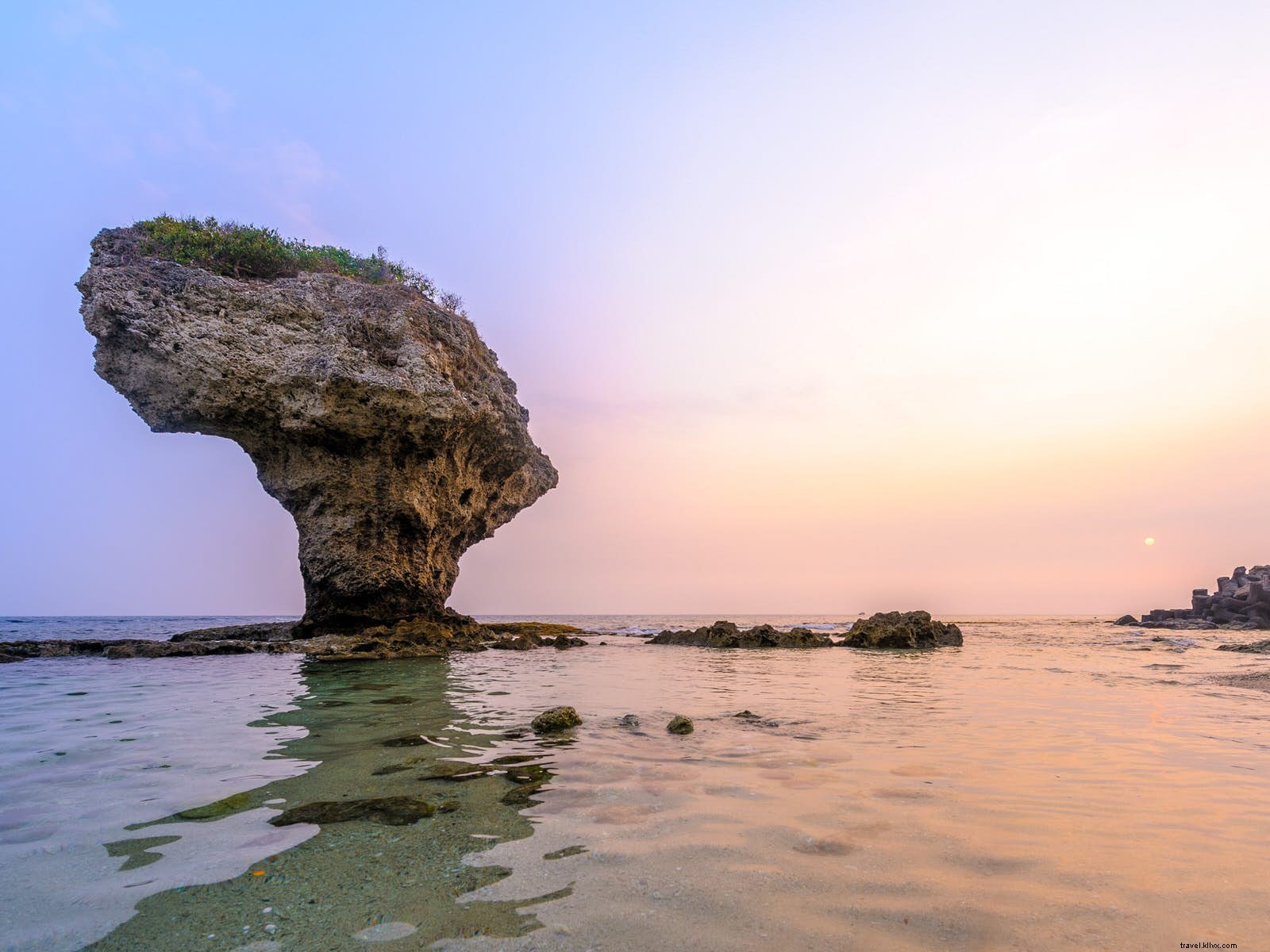
This 'star sand,' as locals call it, is one of many extraordinary experiences on Little Liuchiu (Xiaoliuqiu, 小琉球), Taiwan's largest coral island.
A Hidden Coral Gem
Little Liuchiu lies nine nautical miles off Taiwan's southwestern coast, reachable by a quick 20-minute ferry from Donggang port. Bordered by the Taiwan Strait and South China Sea, it's Taiwan's sole coral island with a substantial population of around 13,000 residents.
Spanning just 6.8 square kilometers, the island earns its 'little' name—a full motorcycle loop takes only 20 minutes. Yet, what it lacks in size, it compensates with endless activities: snorkeling, diving, beach lounging, temple explorations, and authentic island living—ideal for a 2-3 day escape. Also known as Lamay Island, it's a compact paradise.
World-Class Underwater Exploration
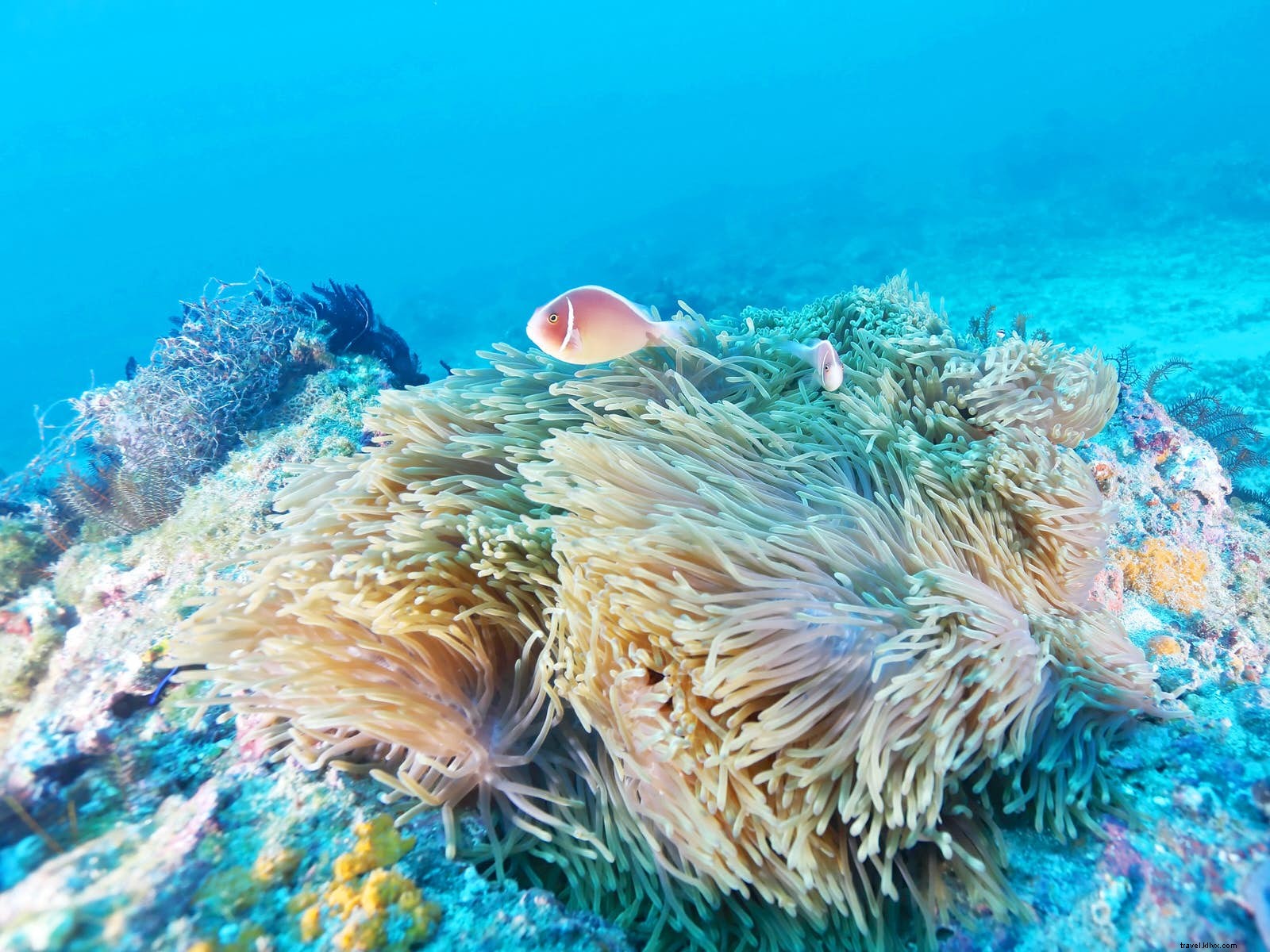
As one of Taiwan's rare coral reef islands, Little Liuchiu excels for snorkeling and scuba diving. Vibrant reefs teeming with fish and marine life hug the beaches, allowing easy independent snorkeling.
Seas can be rough, so beginners should opt for guided tours from local guesthouses, which supply masks, wetsuits, and life jackets.
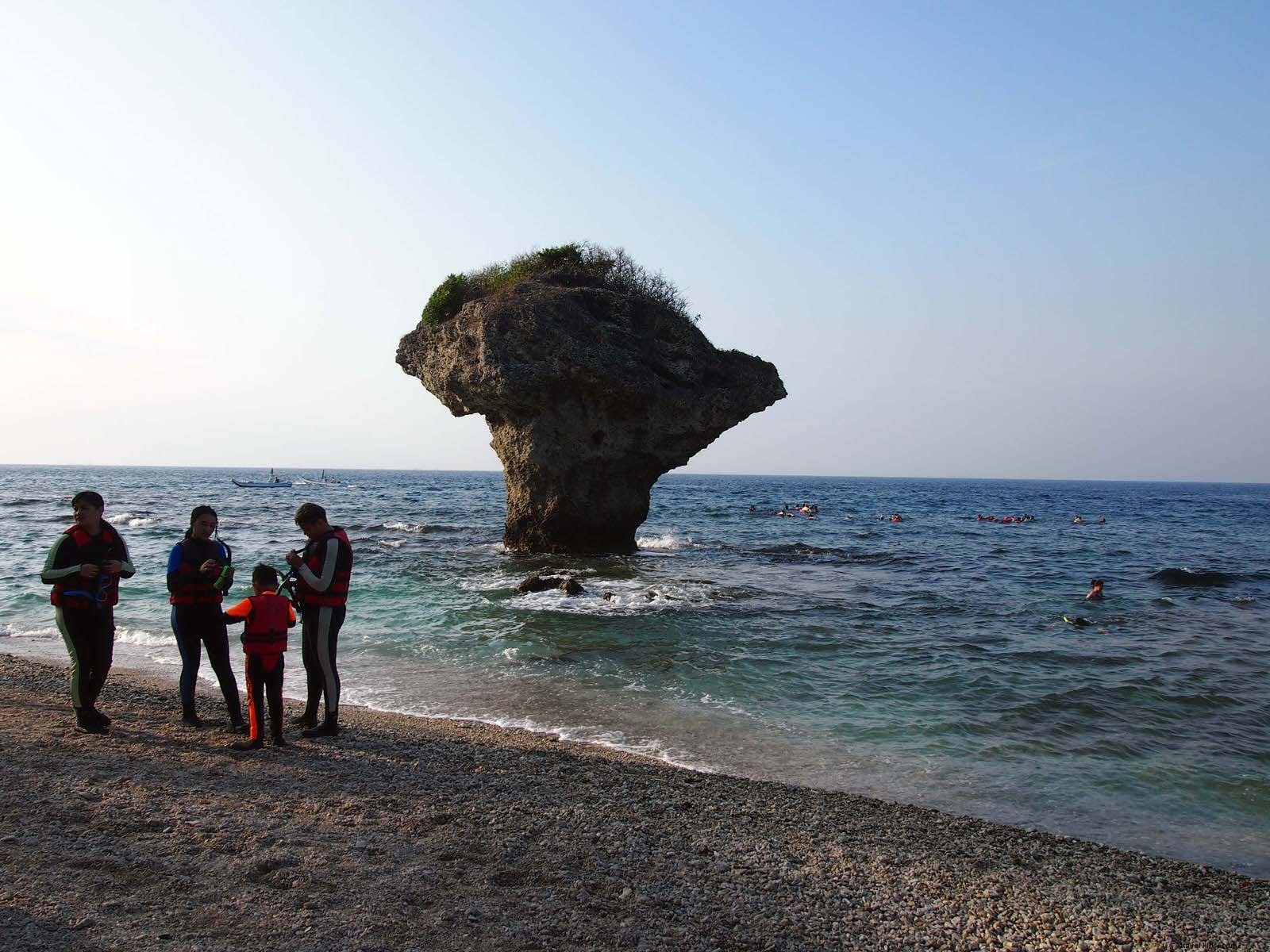
Vase Rock at the northern tip draws crowds in peak season, so explore quieter spots like the coast from Dafu Fishing Harbor to Houshi Fringing Reef on the southeast—deeper waters mean fewer novices and rocks. Watch for roadside parking as access points.
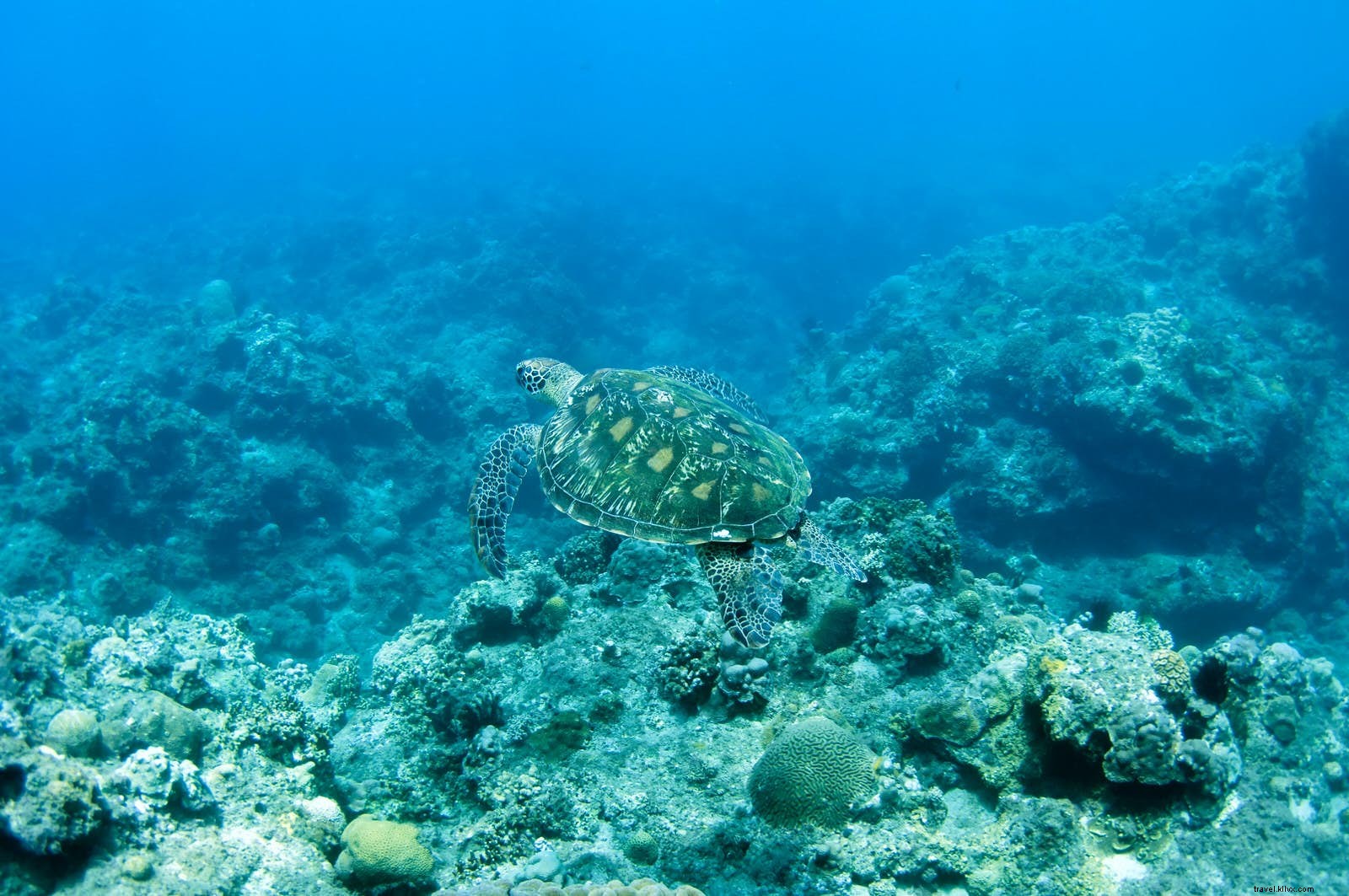
Wherever you dive in, expect encounters with massive green sea turtles, some over a meter long and 200kg. Over 100 inhabit these protected waters, grazing reefs and nesting in summer. Admire from afar—never touch turtles, reefs, or marine life. Shun guides who feed or encourage contact; locals fiercely protect this ecosystem.
Idyllic Beaches and Nighttime Wonders
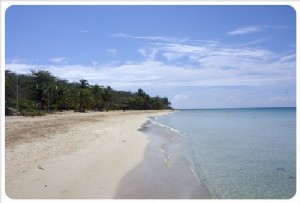
Shell-sand beaches punctuate the eroded coral coastline.
Geban Bay, a pristine 100m stretch on the west side fringed by forest, offers stunning sunsets over turquoise waters.
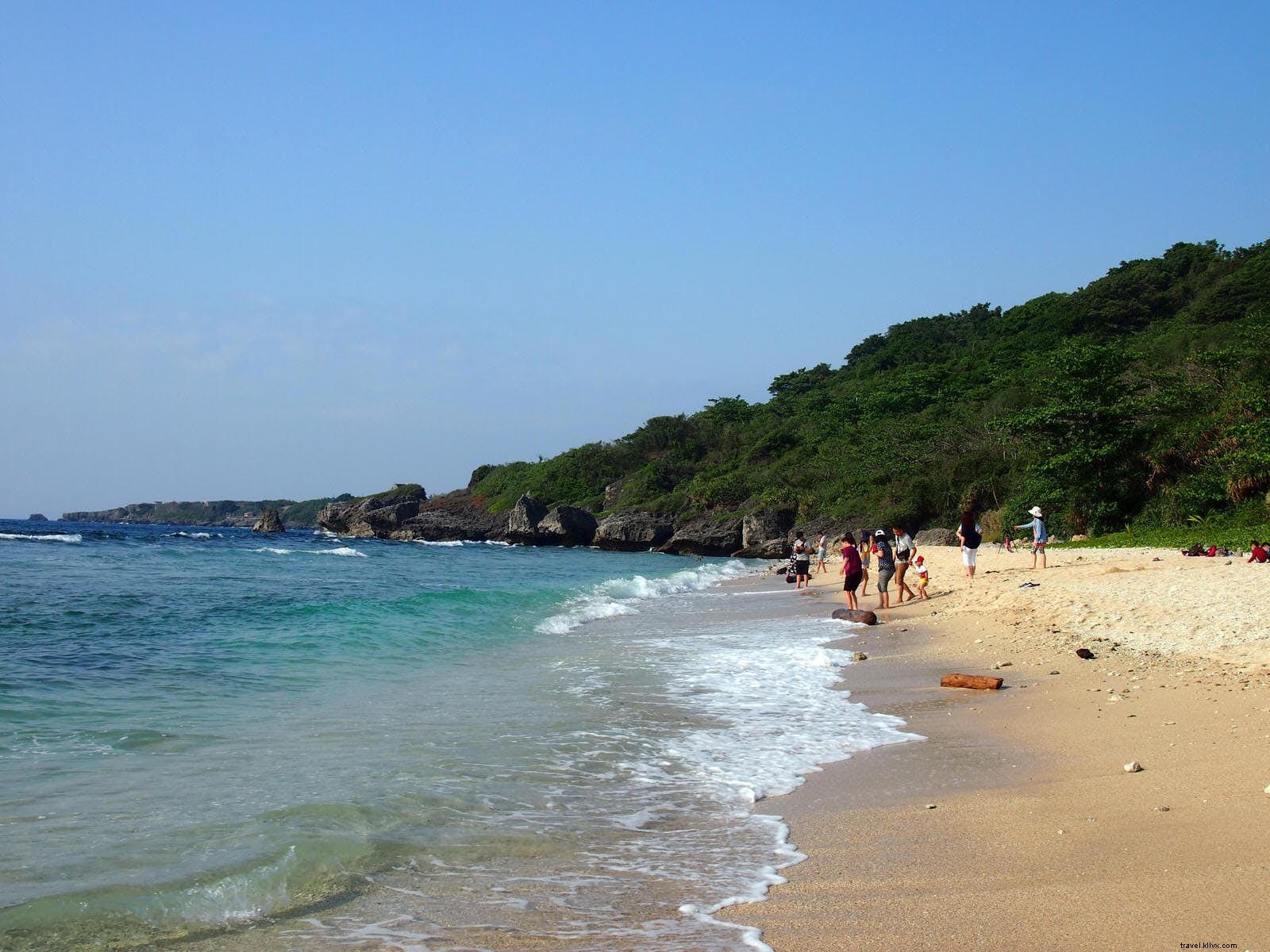
Zhongao Beach near Baisha Tourist Harbor is a sheltered swim spot and key turtle nesting site—closed overnight May-October.
Southeastern beaches and rock pools glow with bioluminescent algae at midnight low tides. Night reveals sea cucumbers, ink-squirting sea hares, and hermit crabs—use a headlamp cautiously to avoid injury or disturbance.
Authentic Island Culture
Villages host laid-back residents in fishing, tourism, and emerging oyster aquaculture. Lacking rivers hampers farming, tying livelihoods to the sea.
Dozens of temples (35-80) dot the landscape, honoring gods for bountiful catches and safe voyages.
Central Biyun Temple, dedicated to Guanyin, dates to the 1950s (site from 1700s). It hosts offerings and erupts in celebrations on her birthday (late March).
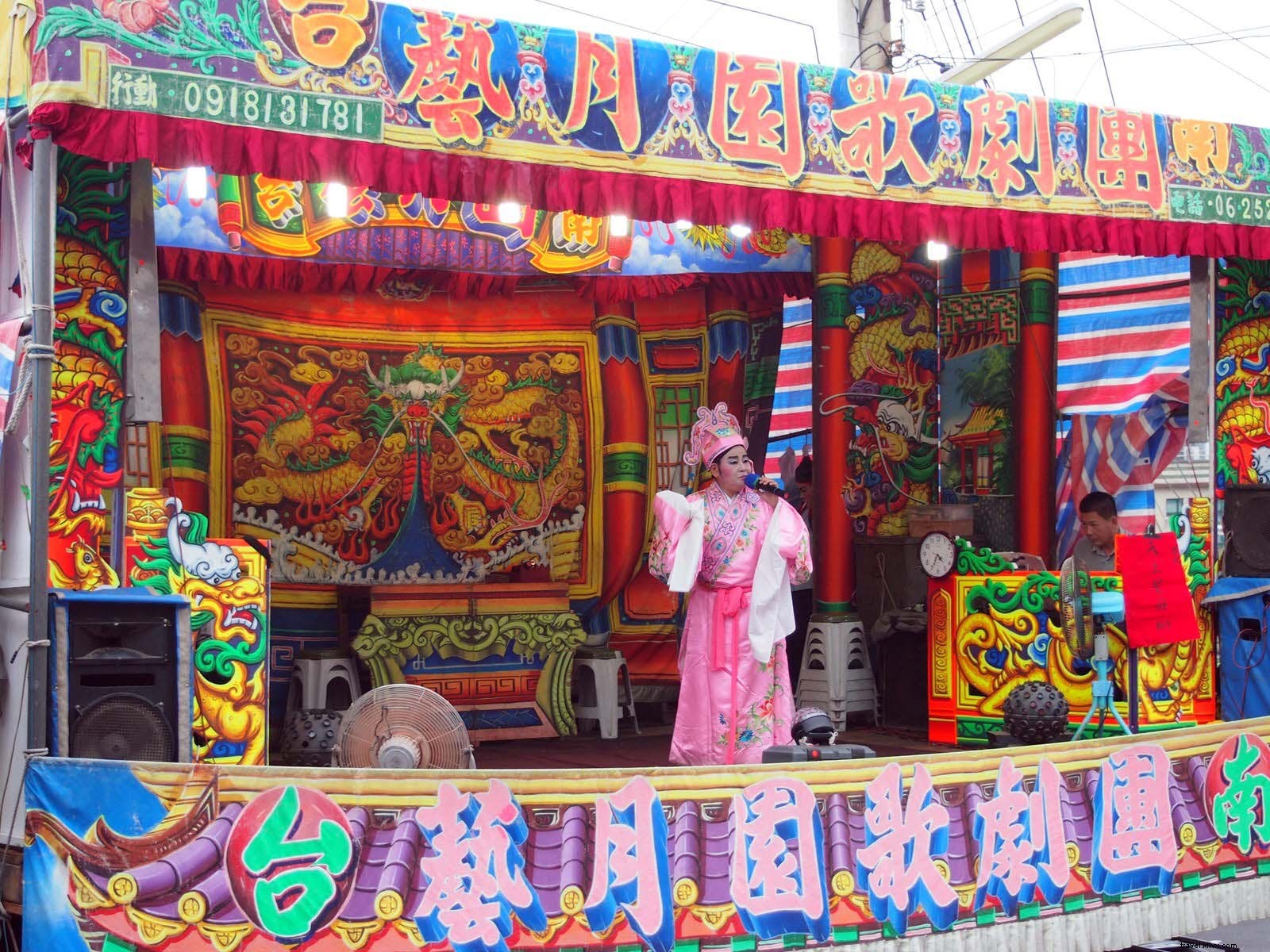
Temple operas on truck stages fill evenings with lively Taiwanese tales of love and adventure.
Practical Travel Tips
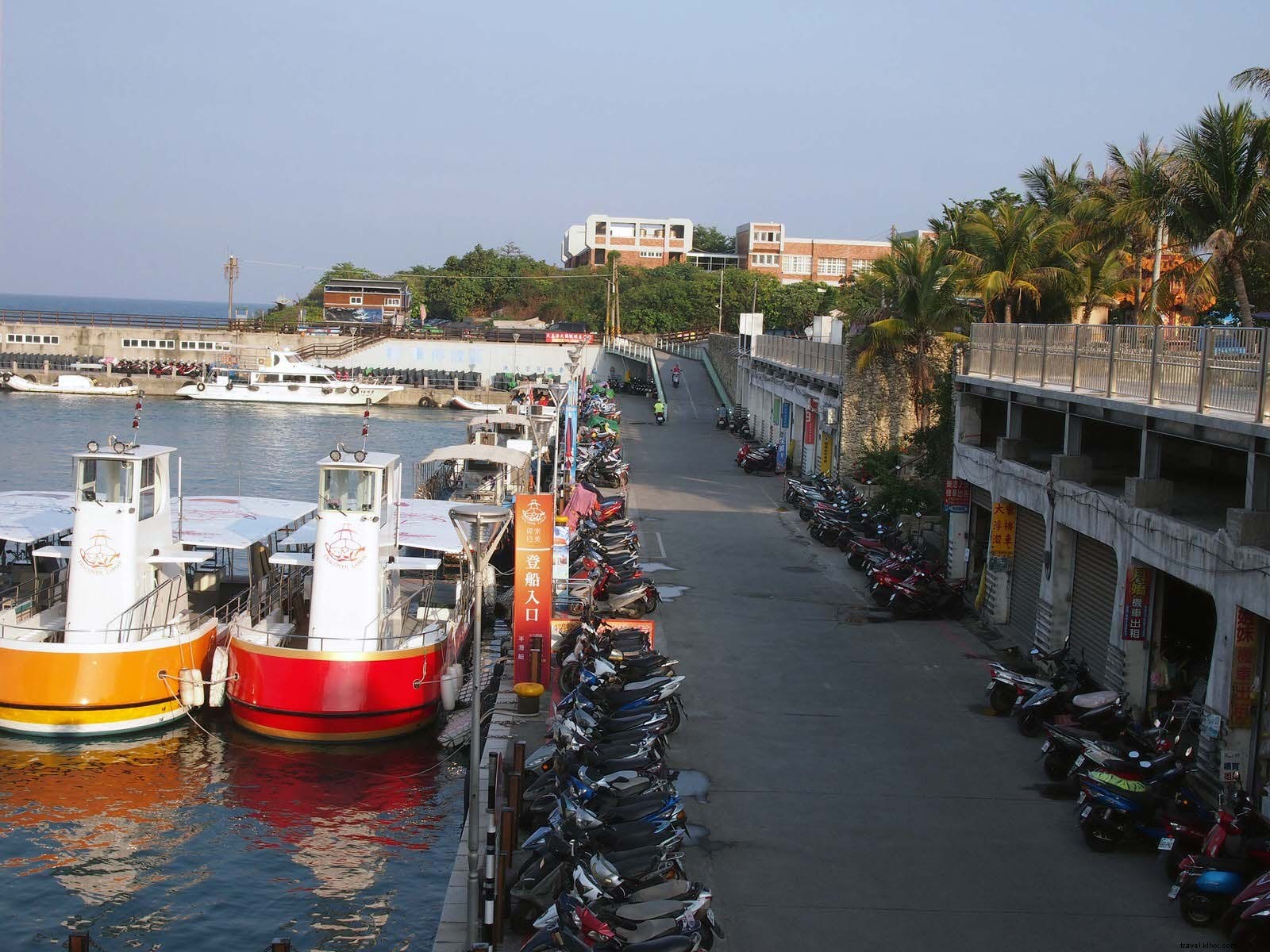
Ferries from Donggang (1-hour bus from Kaohsiung) run 7am-6:45pm; last return from Liuchiu at 6pm. Uniform pricing across operators.
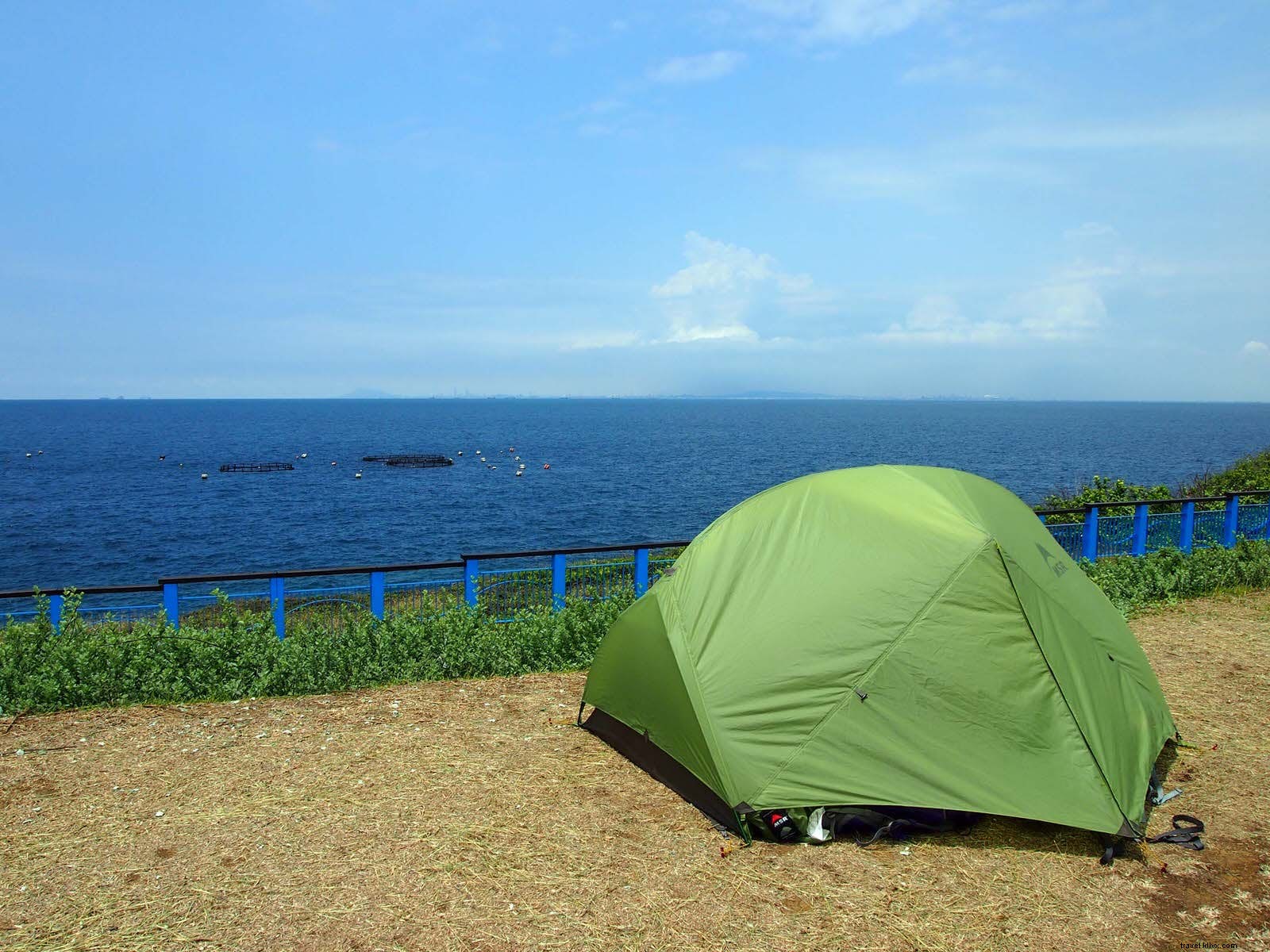
At Baisha Harbor, guesthouses cluster nearby with touts offering rooms—negotiate. Seafood restaurants and a visitor center abound. Try Samaji Resort campsite on the west coast; wild camping discouraged.
Getting Around
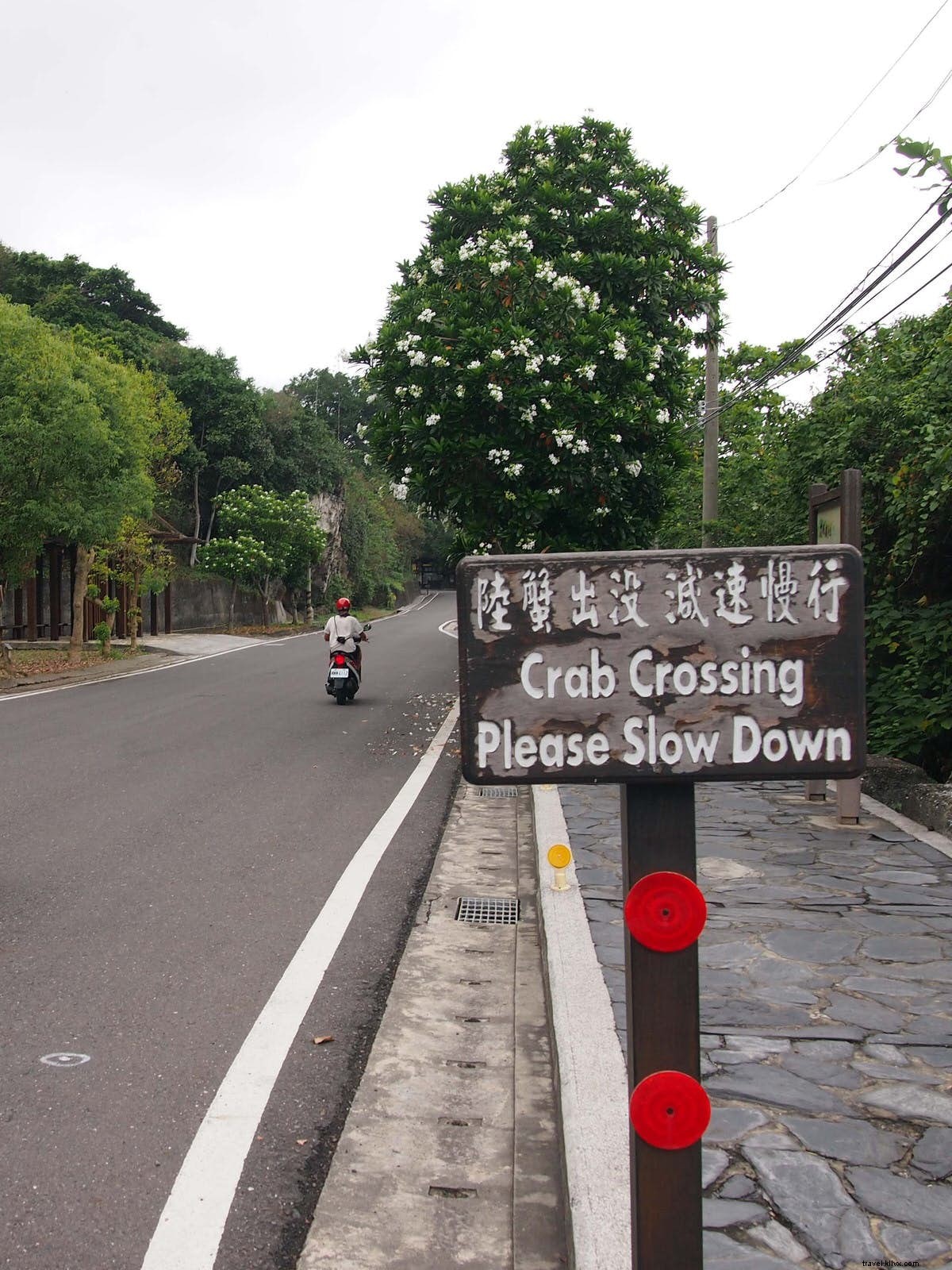
Rent scooters near the harbor (bring license)—ideal for the car-free island. Bikes via ferry work too; roads are paved and quiet with hills. Watch for crab-crossing signs.
Subscribe to our weekly newsletter for more travel inspiration, tips, and exclusive offers.