
Exploring North Korea: A Firsthand Journey with Guide Miss Kim
As global travel remains restricted, Lonely Planet revisits its archives of immersive travel stories. This 2013 firsthand account by contributor Amanda Canning offers rare insights into North Korea—the Hermit Kingdom—and the lives of its people beyond international headlines.
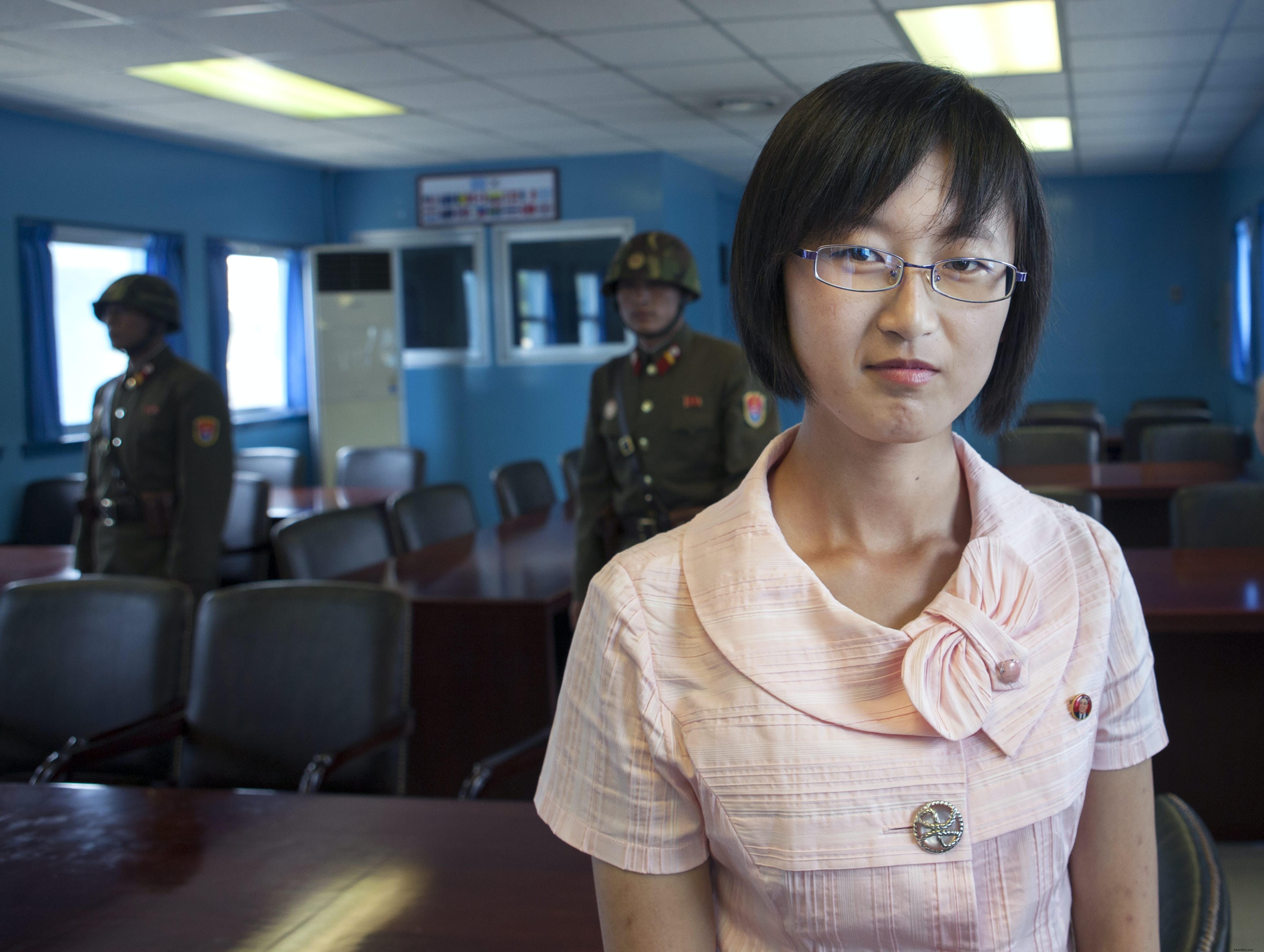
In Pyongyang's Sunan International Airport arrivals hall, a young woman waits anxiously. Her small mouth is pinched, unsmiling; her pink tweed suit impeccably buttoned, every hair combed precisely around her neat, bespectacled face. Amid throngs checking bags, laughing, and greeting one another,
"Hurry, hurry, we will be late," shouts Mr. O, herding his tour group toward a minibus. The pink-suited woman trots neatly behind, heels clicking on the tarmac. Perched timidly on her seat like a sparrow, she eyes her first Western tourists, fresh from the Beijing flight, buzzing with nervous excitement.
Meeting Miss Kim
Miss Kim, 21, is an only child living with her teacher mother and translator father in a fifth-floor apartment overlooking a park-lined river in Pyongyang. In her free time, she dances and sings in her room, hangs out with friends, browses her computer, and eyes aerobics classes at a new gym.
Just 18 months from graduating university with top marks in English, she was selected to co-guide foreigners on a week-long tour of her isolated homeland—one of the world's most secretive nations.
Initially too shy to speak, Miss Kim lets veteran guide Mr. O—jet-black hair swept back, effortlessly spinning tales and jokes—take the lead as the minibus speeds through Pyongyang. Glimpses of daily life flash by: packed trams with curious workers; chatting cyclists at corners; an open-air cinema showing a nurse aiding a comically bandaged patient; plastic flowers draping balconies lit sickly green; soldiers marching in precise lines.
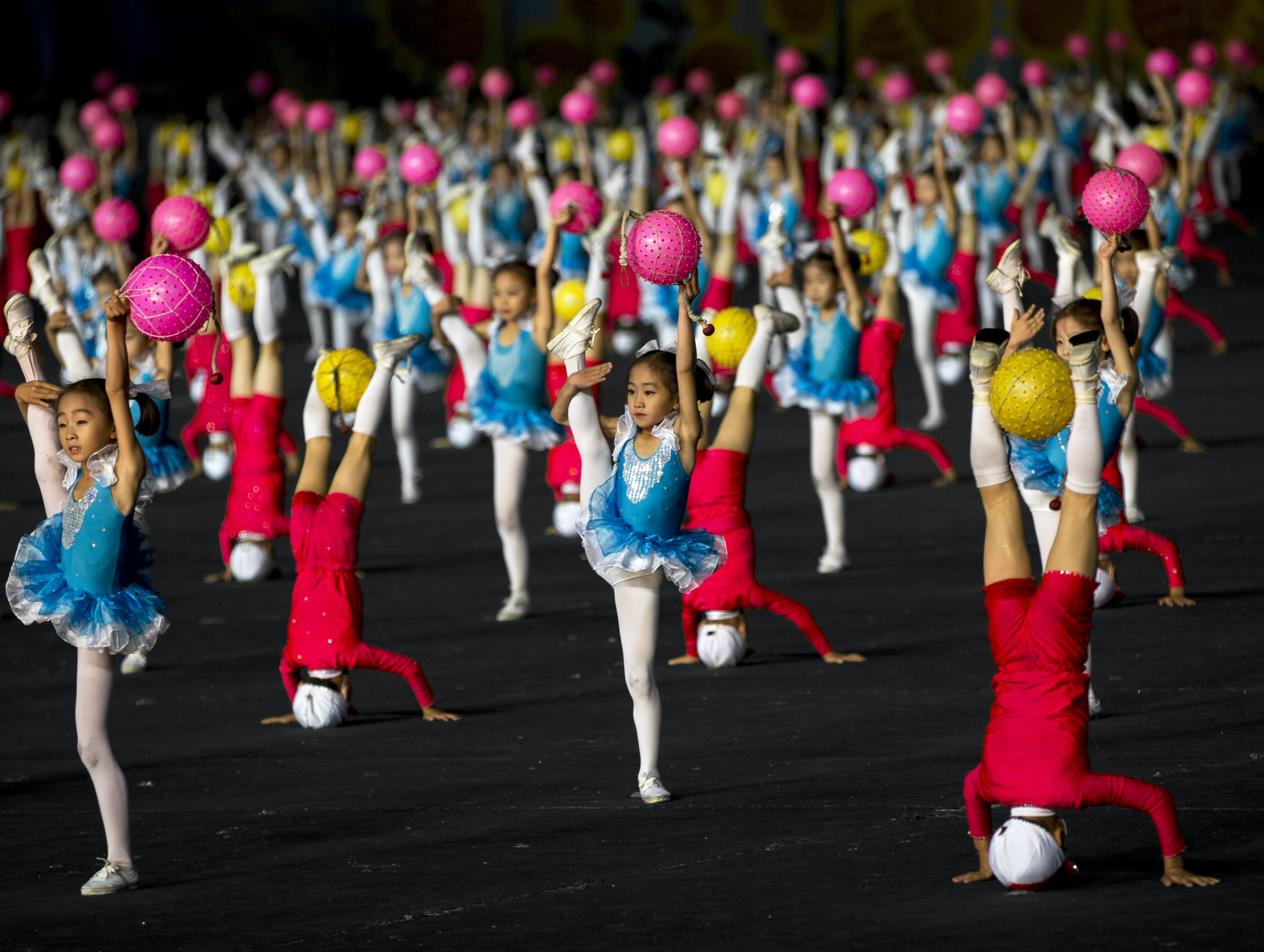
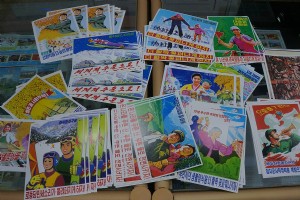
Traffic slows near May Day Stadium amid milling students, luxury Mercedes and BMWs, and local Peace Cars. Nearby, 200 women in sailor uniforms with oversized white hats rehearse a drum routine, twirling gloved sticks. Mr. O and Miss Kim dash up stairs past stalls hawking T-shirts, DVDs, and posters.
The Mass Games of Pyongyang
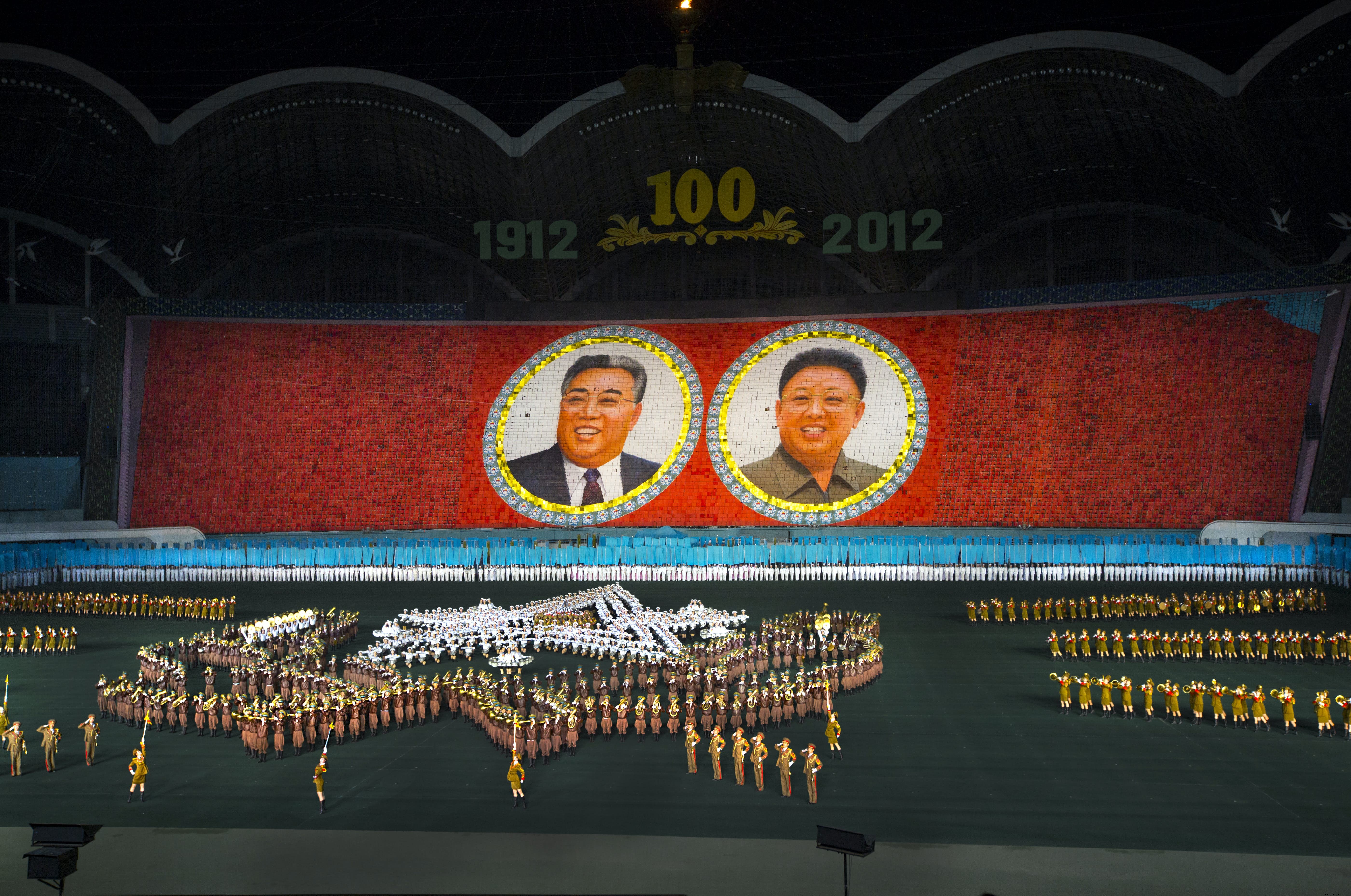
The stadium teems; the show is underway. Below elite seats for military and tourists, 100,000 performers enact North Korea's history: Japanese occupation of a once-idyllic land, revolutionary victories over American foes, and the birth of the Democratic People's Republic of Korea.
This is no lecture—it's spectacle on a Beijing Olympics scale, amplified. Gymnasts zip through air and launch from cannons; tiny children unicycle and juggle in unison; soldiers march, choirs belt anthems, athletes flip, dancers whirl. Behind, 20,000 kids flip picture books into vast mosaics: rising suns, battling fighters, the national flag.
Endless scenes of prosperity unfold. Miss Kim, animated, explains songs and claps enthusiastically. Dancing apples, skipping pigs, weaving workers, hoop-spinning girls hail CNC tech—"the market's most advanced," she whispers proudly. "Let's bring the cutting-edge!" A former child performer on trombone, she giggles: "I felt like an artist. Hard training, but exciting. Proud to represent my country."
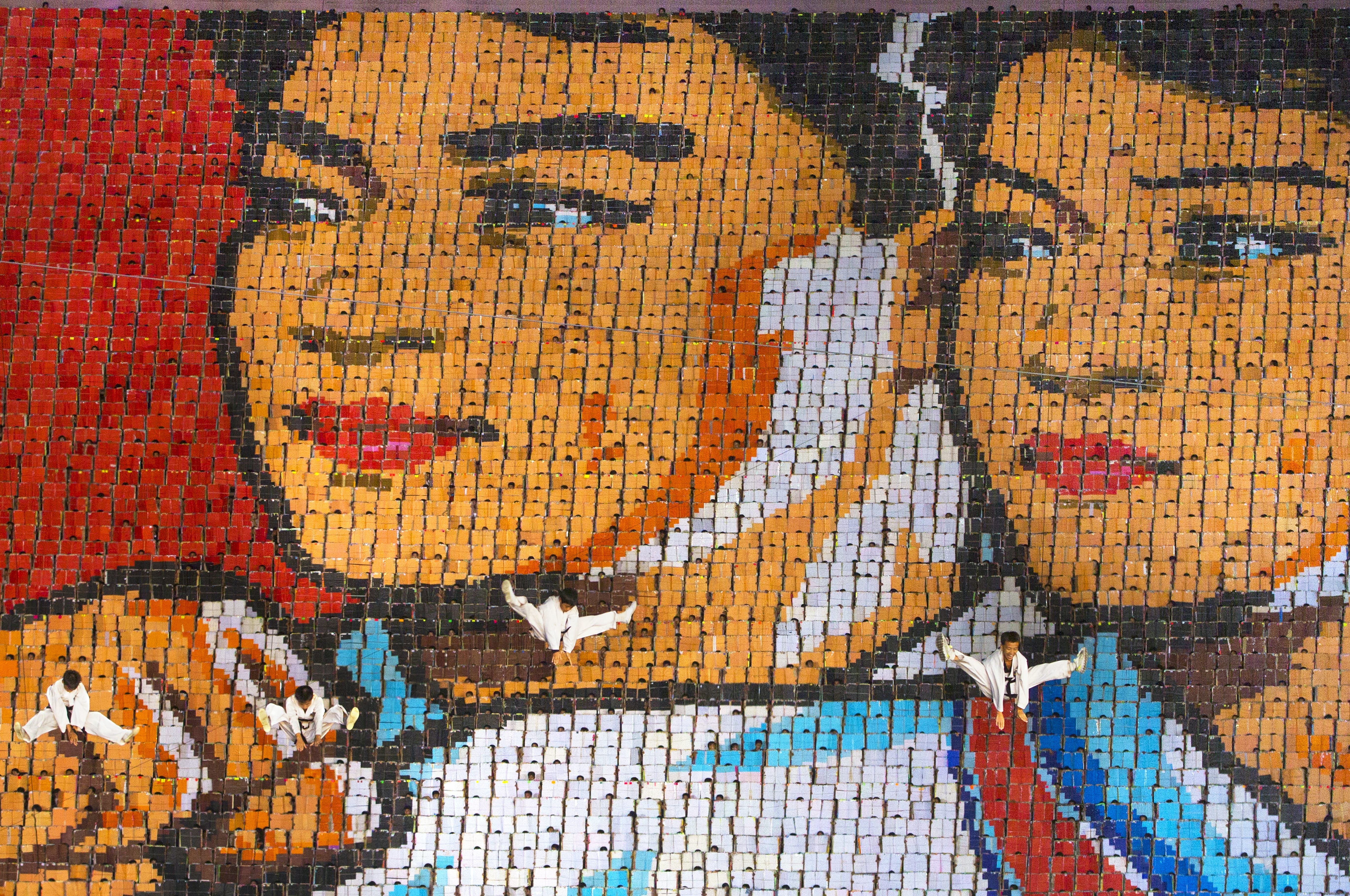
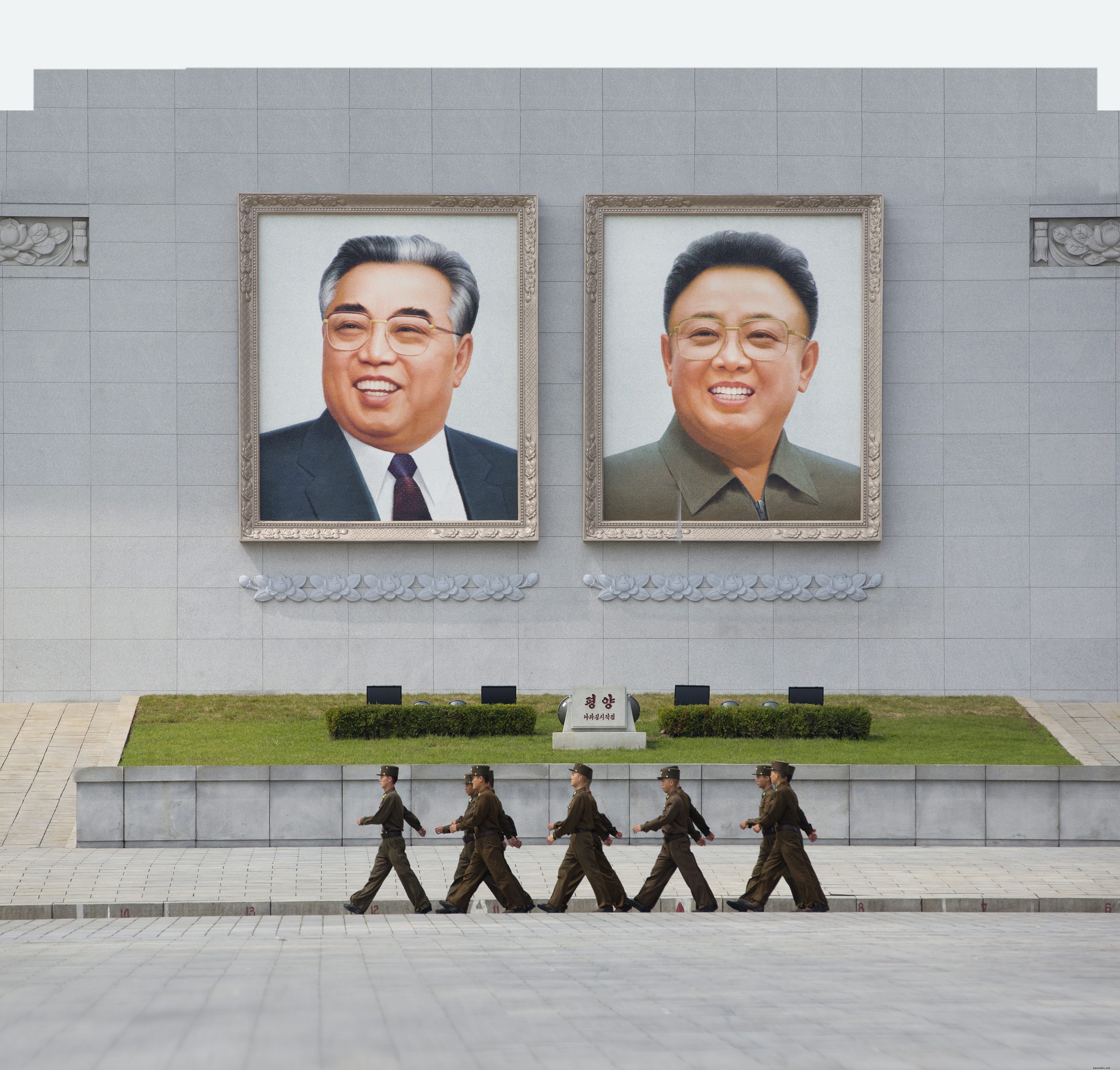
Cheers peak for giant portraits of the leaders beaming into a bright future. Miss Kim sighs: "We're great not by size or numbers, but our leaders." Her voice cracks at a massive fake flower and mournful tune: "Kimjongilia, named for the Dear Leader. He died en route to his people. The song moves us to tears."
The Cult of Personality
This reveals the intense reverence for Kim Il-sung (Great Leader) and son Kim Jong-il (Dear Leader). Every citizen wears their pin badges; homes display their portraits over family photos. Slogans blanket buildings, hills, fields; murals span factories to farms. Praise flows constantly: a school camp's stuffed seal from Kim Jong-il; college dances with his invented steps; farm "on-site guidance" from leaders including Kim Jong-un.
As crowds exit, Young Pioneers in crisp uniforms sing socialist tunes. British guide Hannah Barraclough, with six years' experience, notes tourists' cognitive dissonance: proud locals versus reports of aggression, famine, camps. "North Koreans hear only positives about devoted leaders," she explains. "Without diverse views, they believe it wholeheartedly."

The DMZ
Miss Kim dozes over her manual; Mr. O listens to an iPod as we head south on Reunification Highway. Army trucks pass with saluting teens; ox carts laden with hay; women harvest maize, corn, rice under motivational billboards. Roadside rests under birches amid cosmos; endless walkers.
Concrete anti-tank pillars signal the world's most fortified zone: the DMZ, 160-mile buffer since the 1953 Korean War armistice. North and South troops glare across; tourists gape mutually.
Miss Kim translates a mural slogan: "One Korea. Reunite the fatherland for the next generation." Moved, she says: "Families torn—mother from son, sister from brother. I must help reunify."

Nearby, the dividing wall crests hills. Lt.-Col. Chae, medals gleaming, rails against U.S. imperialism, jabbing a map. Miss Kim peers through binoculars at the "wall of anguish." Korea's split permeates culture: songs, films, monuments, school lessons.
At Wonsan's Song Do Wan camp, kids unpack under leader portraits. Teacher Miss Sujong: "Build bodies and minds for the Fatherland." A globe shows Korea halved.
Miss Kim, a past camper: "Fun, beautiful scenery. First trip from parents—widened my mind." She lingers over leader photos: "Dear Leader sacrificed clothes, peace for children's prosperity."
National Day
September's National Day peaks devotion: crowds bow at statues, lay flowers amid carnival vibes—best clothes, skating kids, Moran Park picnics with song and rice wine.
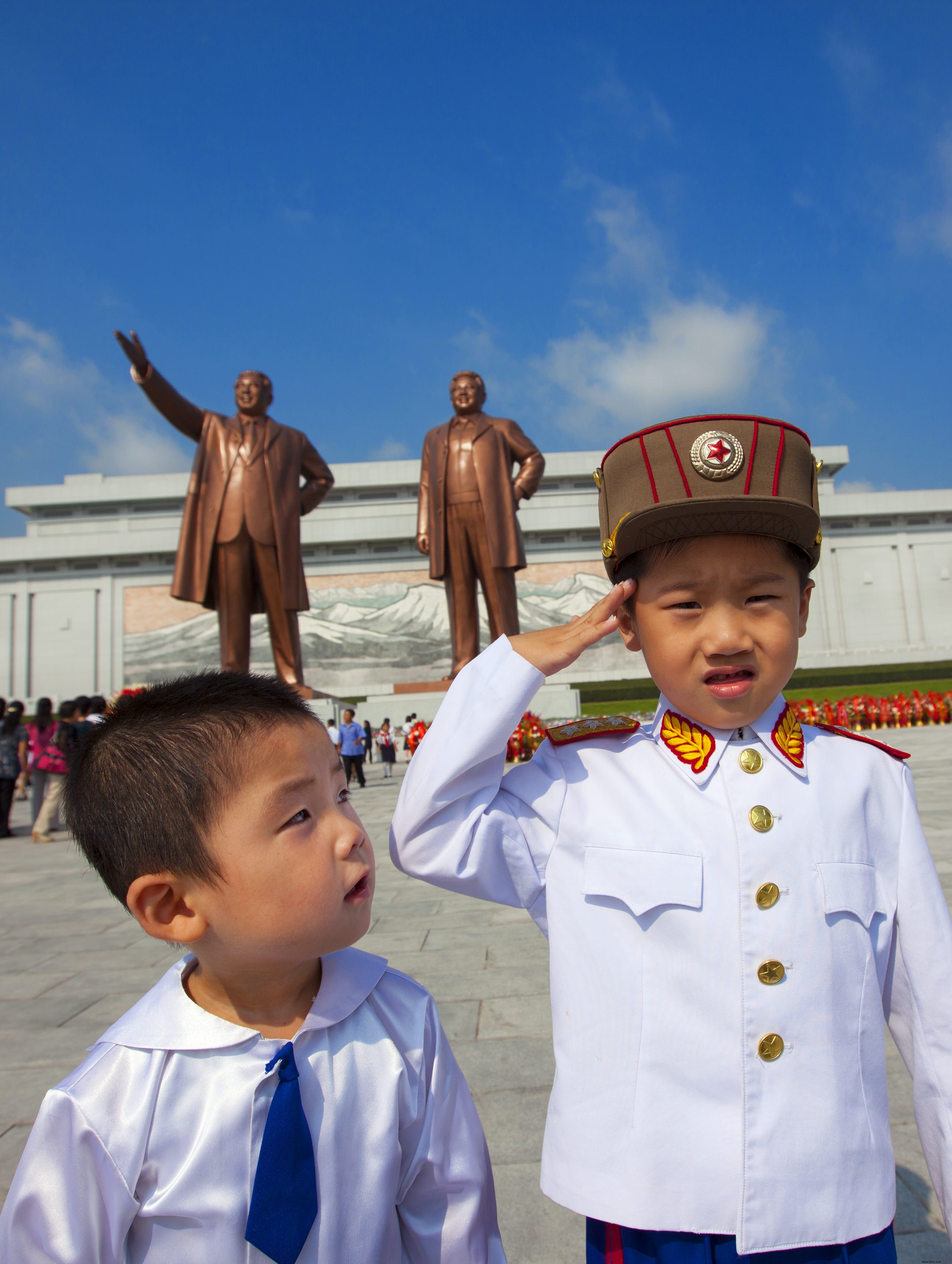
Now outgoing, Miss Kim chats Europe, laughs at a dancing toddler. "More fun now. We seek pleasant lives, happy families." At Kaeson Youth Park, she braves the pirate ship, emerging pale but laughing.
Airport-bound, she quizzes on Beckham, Olympics, royals. Tearful goodbye: "Nervous at first, feared mockery. Now, we're all the same—same emotions, dreams." She waves into the crowd.
You might also like:
Food, wine and Pinocchio in Italy's Lake District
The lost stories of Damascus
Where worlds collide