8 Pioneering Eco-Friendly Destinations for Sustainable Travel

Embracing sustainable tourism doesn't require abandoning flights or confining trips to remote areas. Instead, channel your wanderlust into destinations implementing proven initiatives to minimize tourism's environmental footprint.
Travel can drive meaningful positive impact. Begin your eco-conscious adventure at these innovative locations, featuring energy-efficient hotels, community-supporting tours, and wildlife conservation activities that prioritize long-term sustainability.
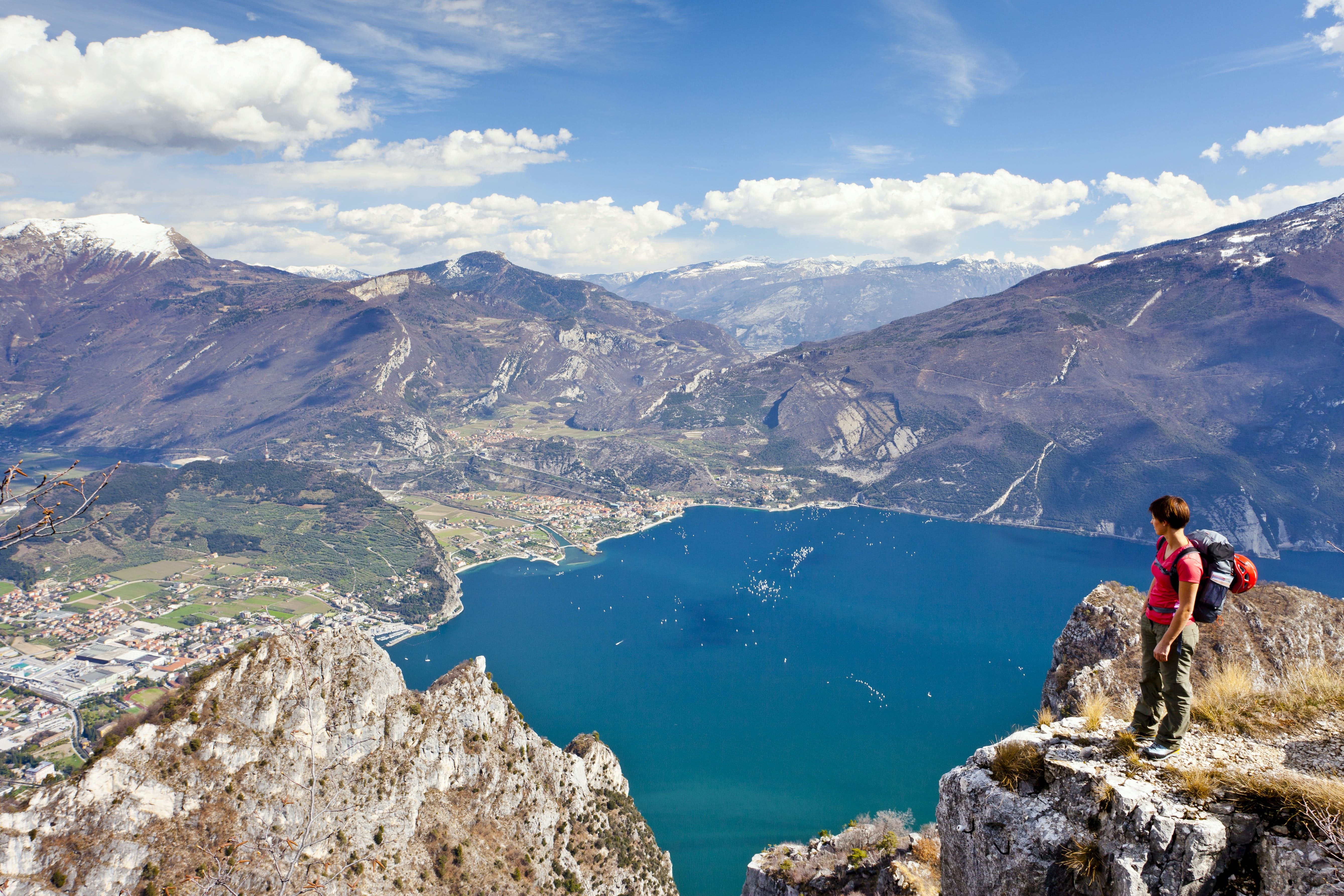
Lake Garda, Italy
Lake Garda, Italy's largest lake, surpasses even celebrity-favored Lake Como as a premier eco-hotspot. Direct rail connections from Milan enable car-free access, while Lefay Resort & Spa stands out as one of the nation's greenest hotels.
This award-winning property offsets 100% of its CO₂ emissions, sourcing 60% of energy from renewables. High-tech materials curb heat and energy loss, and a vegetated roof enhances biodiversity while blending into the landscape. Relieve travel-related stress with treatments at Italy's first Ecocert-certified Ecological Spa.
Arosa, Switzerland
Arosa hosts Hotel Valsana, Switzerland's pioneering hotel heated by an innovative 'ice battery'—a system that recaptures surplus heat otherwise lost to the environment. This alpine village advances sustainability further with widespread electric vehicle charging stations, including a free central town hub.
The destination holds Alpine Pearl certification for its 'green mobility' and eco-practices, awarded by the EU-backed tourism association promoting exceptional sustainable efforts.
Galápagos Islands, Ecuador
The remote Galápagos Islands allure many bucket lists, yet their isolation demands careful travel choices. Properties like Pikaia Lodge lead in protection, achieving carbon neutrality through thoughtful design.
Built with recyclable steel, featuring lava stone walls from approved sites and sustainable teak furnishings, the lodge runs a reforestation program planting 10,000 endemic trees and harvests rainwater from rooftops.
First-timer's guide to the Galápagos Islands
Opt for vetted tour operators and small groups to minimize wildlife disruption in this fragile ecosystem.
The Bahamas
Bahamian resorts proactively safeguard their environment. Kamalame Cay on Andros promotes lionfish consumption to control this invasive species harming native marine life. The Other Side hotel operates fully solar-powered, while Tiamo Resort vets all products for minimal pollution, uses rooftop solar for water heating, and employs only local staff.
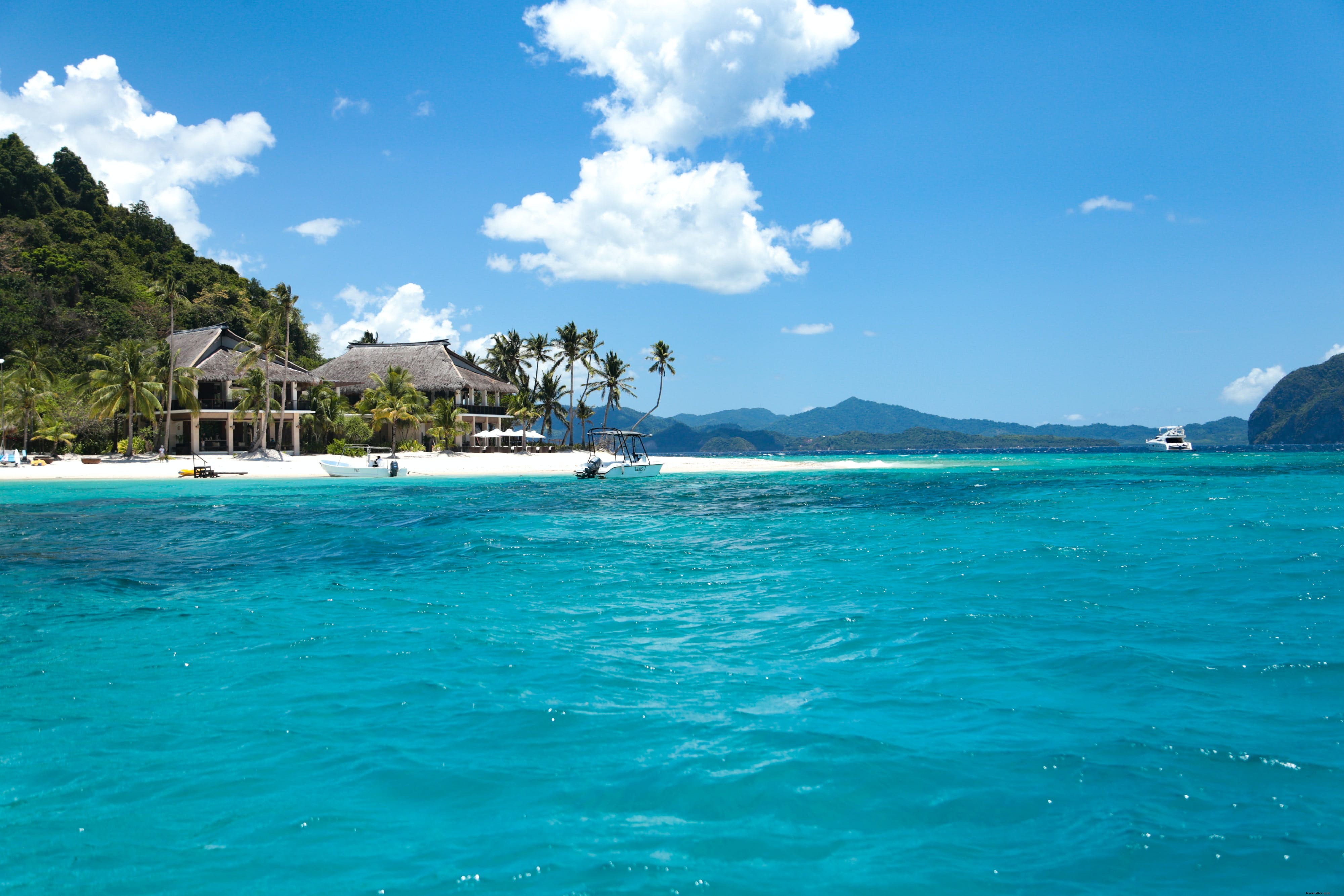
Pangulasian Island, Philippines
Pangulasian Island offers a private paradise committed to local empowerment and conservation. Initiatives include training women in traditional weaving, with products sold on-site, alongside bi-monthly beach cleanups, anti-poaching measures, Eco Reefs for marine restoration, mooring buoys protecting coral, and turtle hatchling programs.
The best beaches of the Philippines
Participate in hatchling releases and expert conservation talks. Staff are empowered to propose and trial green initiatives, ensuring ongoing ecosystem health.
Werfenweng, Weissensee, Styria and Vienna, Austria
Werfenweng redefines sustainable lakeside travel: train arrivals qualify for free pickups, and a €10 SAMO pass unlocks e-cars, buggies, and bikes for car-free exploration.
Weissensee’s Hotel Gralhof uses wood chip green energy and organic sourcing. Styria's Ramsau Bioniere unites eco-hotels and farms reducing waste via organic practices. Vienna, voted the world's most liveable city in 2019, boasts 2,000 parks, 800+ hectares of organic farmland, 120 bike-share stations, 1,300 km of cycling paths, and a Green Taxi fleet of hybrids and gas vehicles.
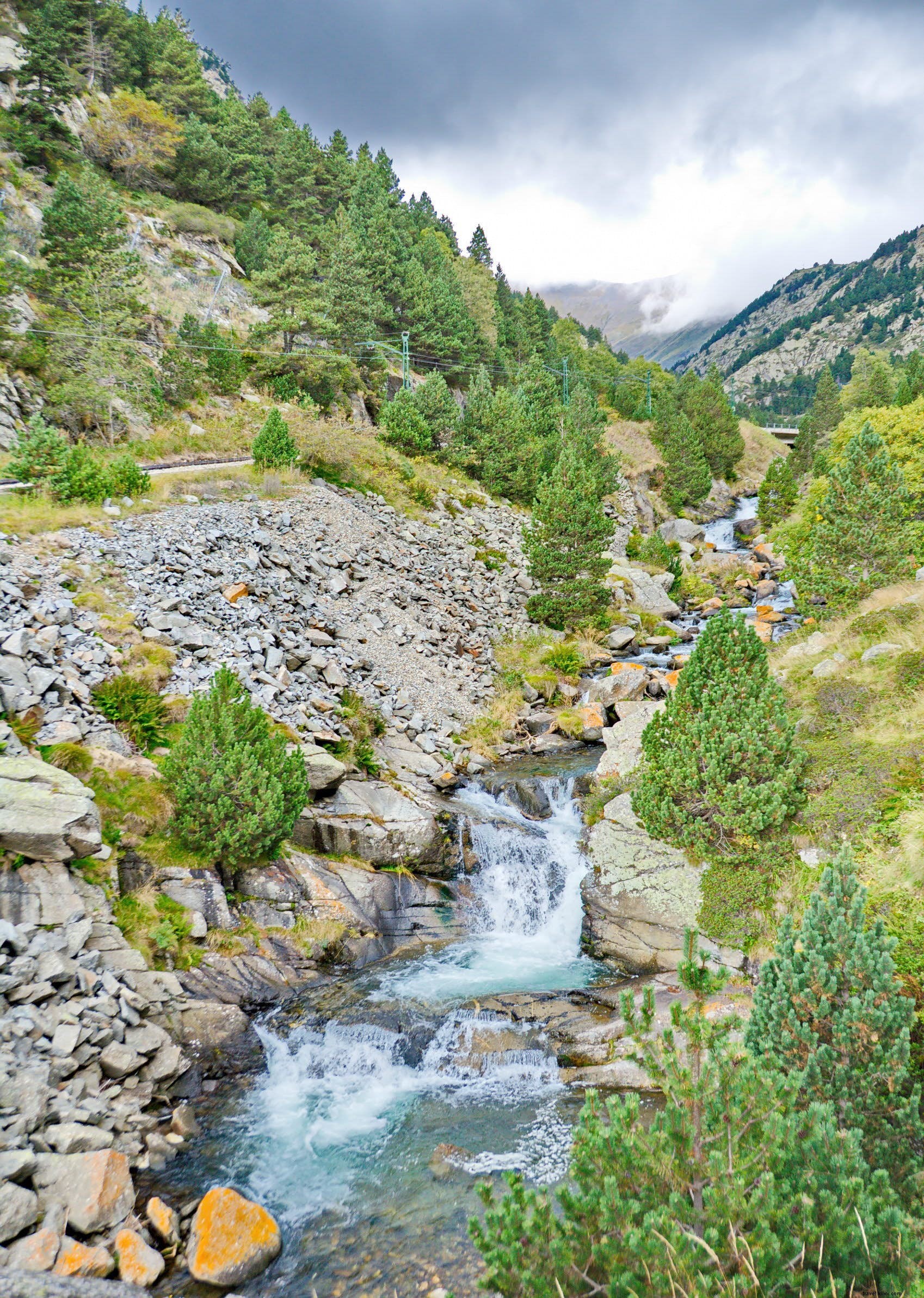
Catalonia, Spain
Catalonia is the first region certified with Biosphere Responsible Tourism by UNESCO and GSTC, honoring its harmony between people and nature. Seek EU Ecolabel businesses for top eco-standards.
Highlights include repurposed mines: trace dinosaur footprints in Fígols-Vallcebre Fumanya's palaeontology site and explore Cardona Salt Mountain Cultural Park's geology post-1990s closure.
Costa Rica
Costa Rica targets world-first carbon neutrality, on track for 2021, with nearly all electricity from renewables. The UN appointed former president Luis Guillermo Solís as a World Tourism Organisation ambassador for conservation excellence.
Addressing coffee's CO₂ impact—its top export—the Coffee Institute partners with the Ministry of Agriculture to capture decomposing waste gases for engine fuel.
You might also like:
7 stunning eco-hotels for the environmentally conscious traveler
How these Caribbean islands are supporting sustainable agriculture
10 incredible sustainable travel experiences
Get more travel inspiration, tips and exclusive offers sent straight to your inbox with our weekly newsletter.