21 Surprising Insights About Washington, D.C. You Won't Believe

The 51st state?
There’s a lot more to Washington, D.C. than monuments and cherry blossoms, and we mean a lot more. Washington, D.C. has more residents than some states: With 706,000 residents, it’s more populous than both Wyoming and Vermont. This is just one of the reasons its residents and representatives are pushing harder than ever for it to become a state. In June 2020, the House of Representatives passed a bill for the first time to make D.C. a state—and while it likely won’t pass the Senate, it’s still a major milestone. Learn more about whether Washington, D.C. could become a state (and why it’s not already).
ⓘ
Its statehood was prohibited by the Constitution
When the Founding Fathers wrote the Constitution, they didn’t want a single state to have the disproportionate power that they believed the capital would have. So they specifically wrote in Article 1, Section 8 of the Constitution that the seat of government would be a federal district under the exclusive jurisdiction of Congress. Both Virginia and Maryland gave up land to form the district, and it’s “southern” location was a compromise—the Compromise of 1790, wherein the federal government assumed the states’ debt remaining from the Revolutionary war. States like Maryland and Virginia had already paid off their debts and were reluctant to be taxed to help reduce the debts of other states, so the location of the capital was a bargaining chip. Learn more facts and figures about the U.S. Constitution.
The government buildings actually won’t be part of the state
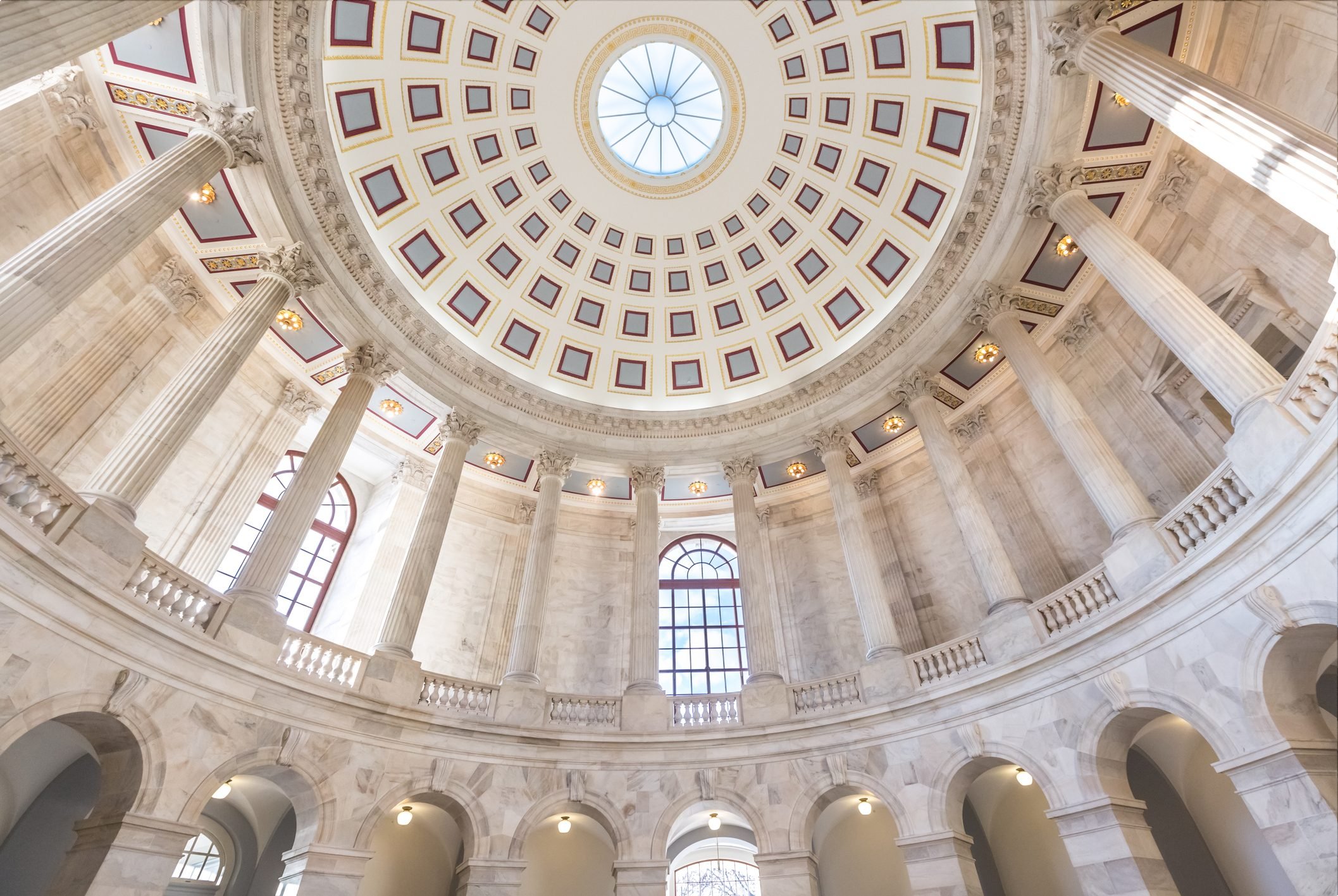
If you don’t live in or near D.C., the monuments, National Mall, and government buildings are probably what come to mind when you think of the District. But Should D.C. become a state, those things wouldn’t be part of the deal. Per the recent statehood bill, H.R. 51, the federal buildings that are the most “visible” part of D.C. (like the White House and Capitol building) will be considered their own “capital district,” and not be part of any state. It’s the rest of D.C.’s 68.3 square miles that would actually be the state. Here are some other fun facts you never knew about the existing 50 states.

The district is only partly named for the first president
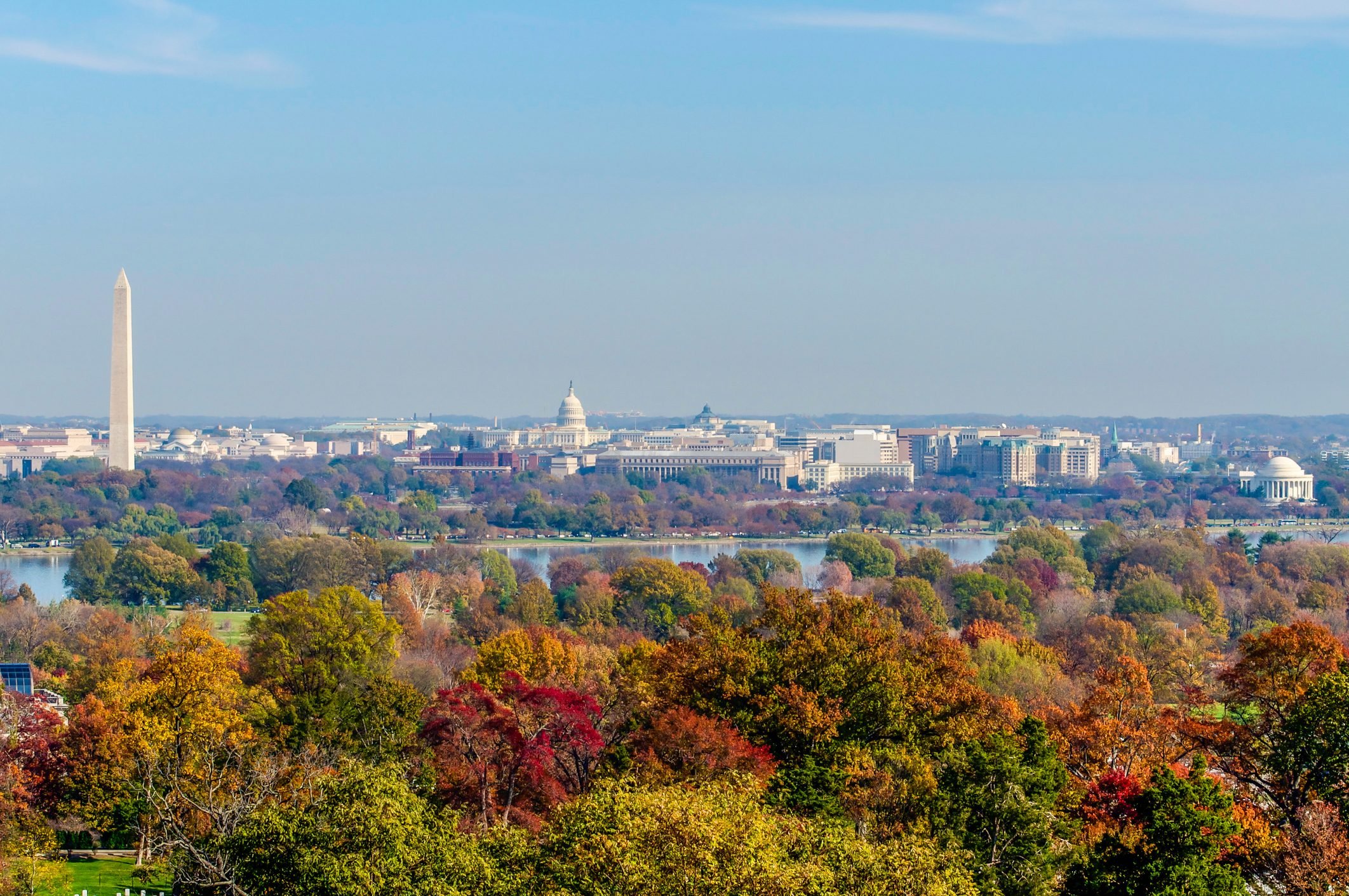
Originally, in 1791, George Washington chose 100 square miles of land in Maryland and Virginia to be the site of the nation’s capital. However 31 of those miles were returned to Virginia in 1847, which is why D.C. today is about one-third smaller. The district was named Columbia—which had been a nickname for America during the Revolutionary War, in honor of Christopher Columbus—and the new federal city added to the territory was called Washington, for, yes, George. Georgetown and Alexandria were also cities included in the district.
It could be getting a long-overdue name change
Reflecting modern-era public consciousness, the current bill proposing statehood for D.C. includes a name change. It will still be called Washington, D.C., but the D.C. will stand for “Douglass Commonwealth,” paying tribute to the abolitionist Frederick Douglass, who spent much of his life in the district. The name change would continue the trend of controversial monuments and places being renamed or removed.
George Washington never lived there
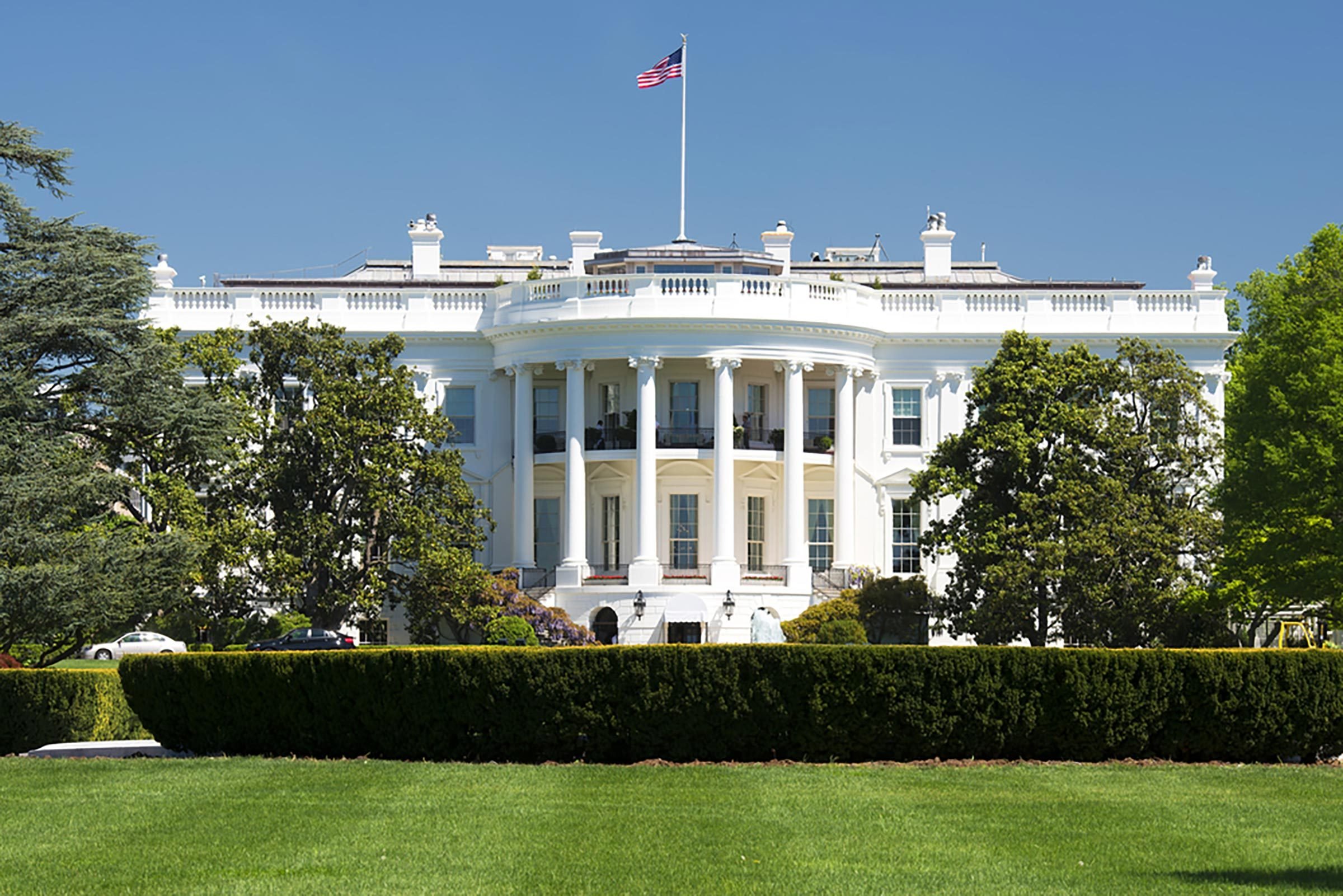
Turns out our first president never resided in D.C.—one of the many George Washington facts you never learned in school. Washington died before the White House was finished, though he did lay its cornerstone on October 13, 1792. John Adams was the first president to live in our country’s capital. Check out some more facts you never knew about the White House.
Only one president is buried in D.C.
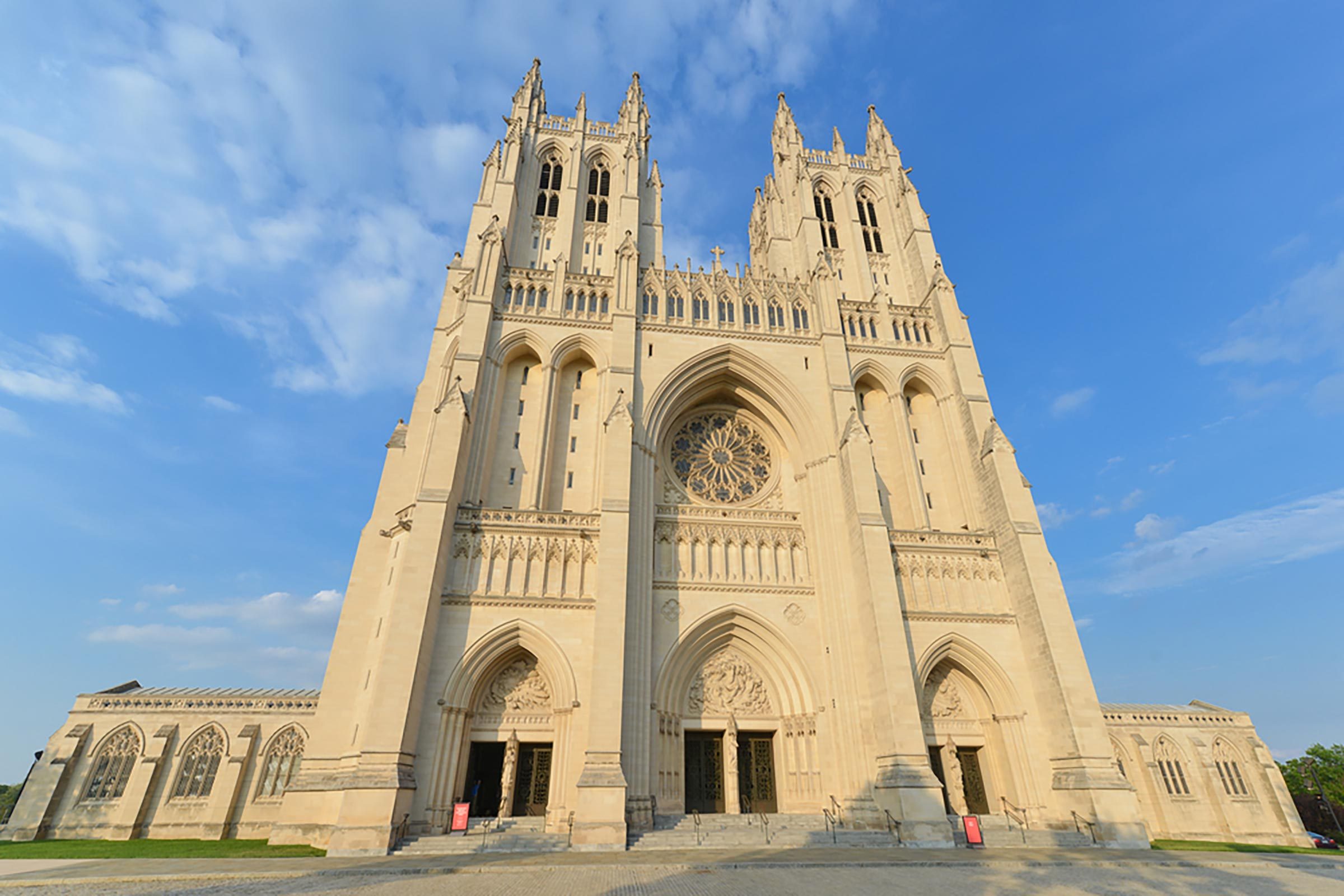
This presidential trivia is actually true—and that president is Woodrow Wilson. His body has been in the Washington National Cathedral since his death in 1924.
There’s a crypt under the U.S. Capitol
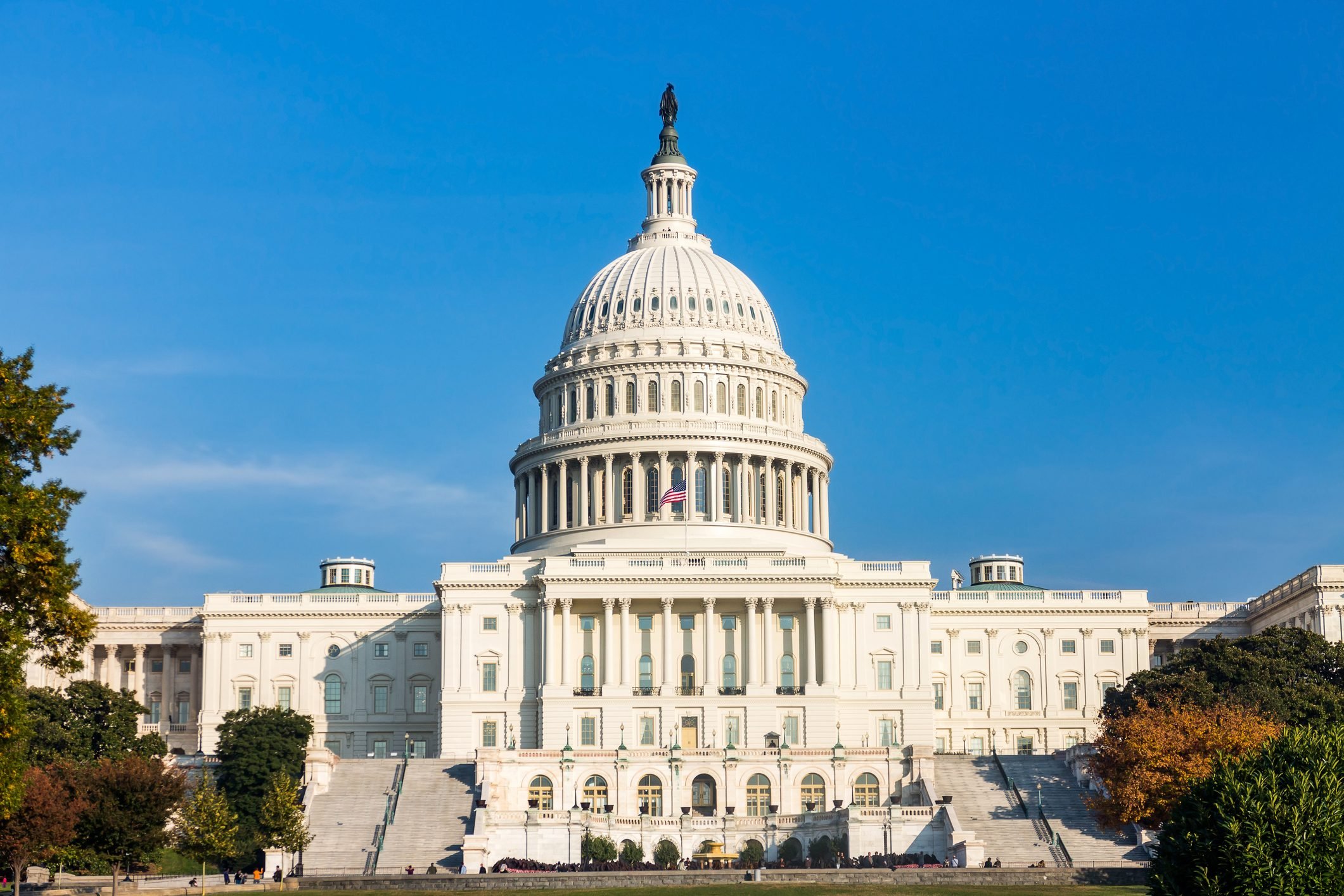
George Washington was supposed to be buried in a crypt under the U.S. Capital, but he preferred to be laid to rest at his home in Mount Vernon. So the U.S. Capitol is home to an empty crypt. If you think that’s creepy, learn out these places in the U.S. that are said to be cursed.
And atop the Capitol building…
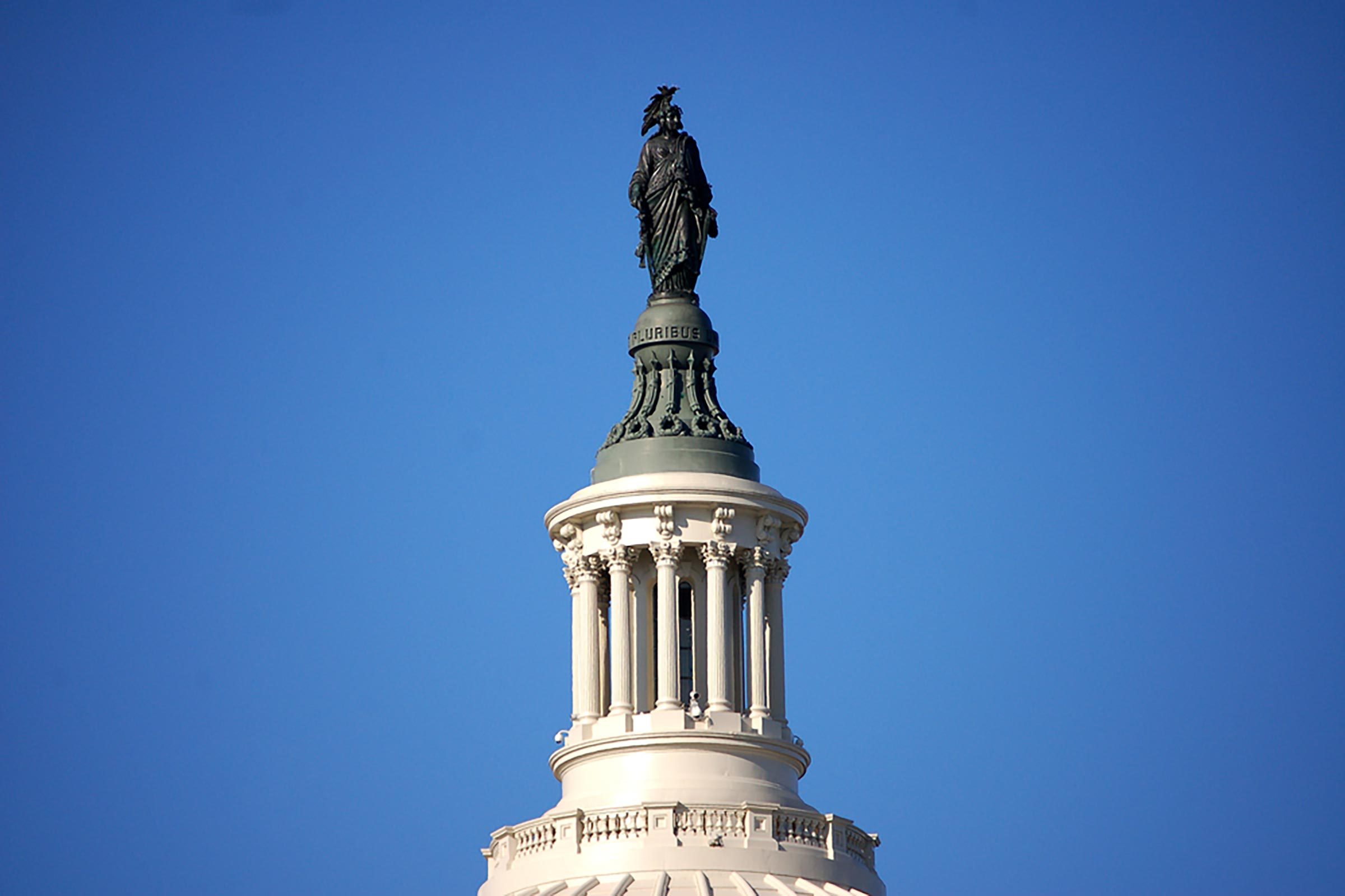
There’s a bronze statue called the Statue of Freedom topping the Capital building. It may seem small from far away, but it’s more than 19 feet tall and weighs around 15,000 pounds. It depicts a woman wearing a headdress in the shape of an eagle’s head, feathers and all. Discover more facts about America that most Americans don’t know.
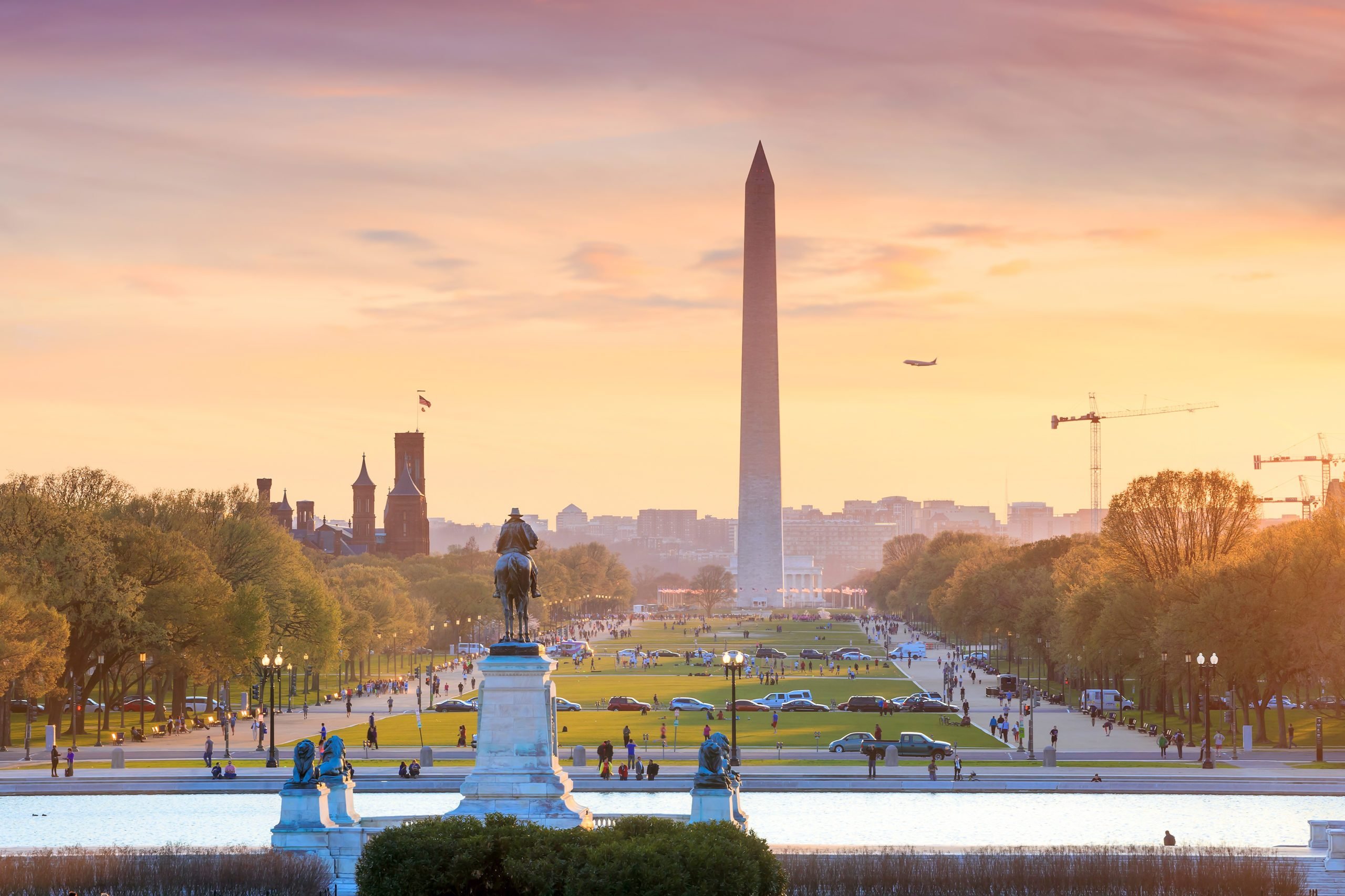
D.C. residents are a diverse bunch
According to Census Bureau data, residents of Washington, D.C. speak at least 168 different languages at home. The city also houses more than 175 embassies and international cultural centers.

If you live in D.C., your voting rights are fairly new
Before 1961, residents of Washington, D.C. couldn’t vote in presidential elections because of the Electoral College. The number of electoral votes each state gets depends on how many senators and members of the House of Representatives it has. As D.C. isn’t a state, it has no voting representatives in Congress, so for years D.C. residents couldn’t take part in elections. It was the 23rd Amendment to the Constitution (passed in 1961) that gave D.C. the electoral votes that it would have if it were a state, limited to the number of electors the least-populated state has. Currently that state is Wyoming, with three electors. So D.C. gets a max of three electoral votes. Not sure exactly what an electoral vote is? No shame; we answered 19 political questions you’ve been too embarrassed to ask.
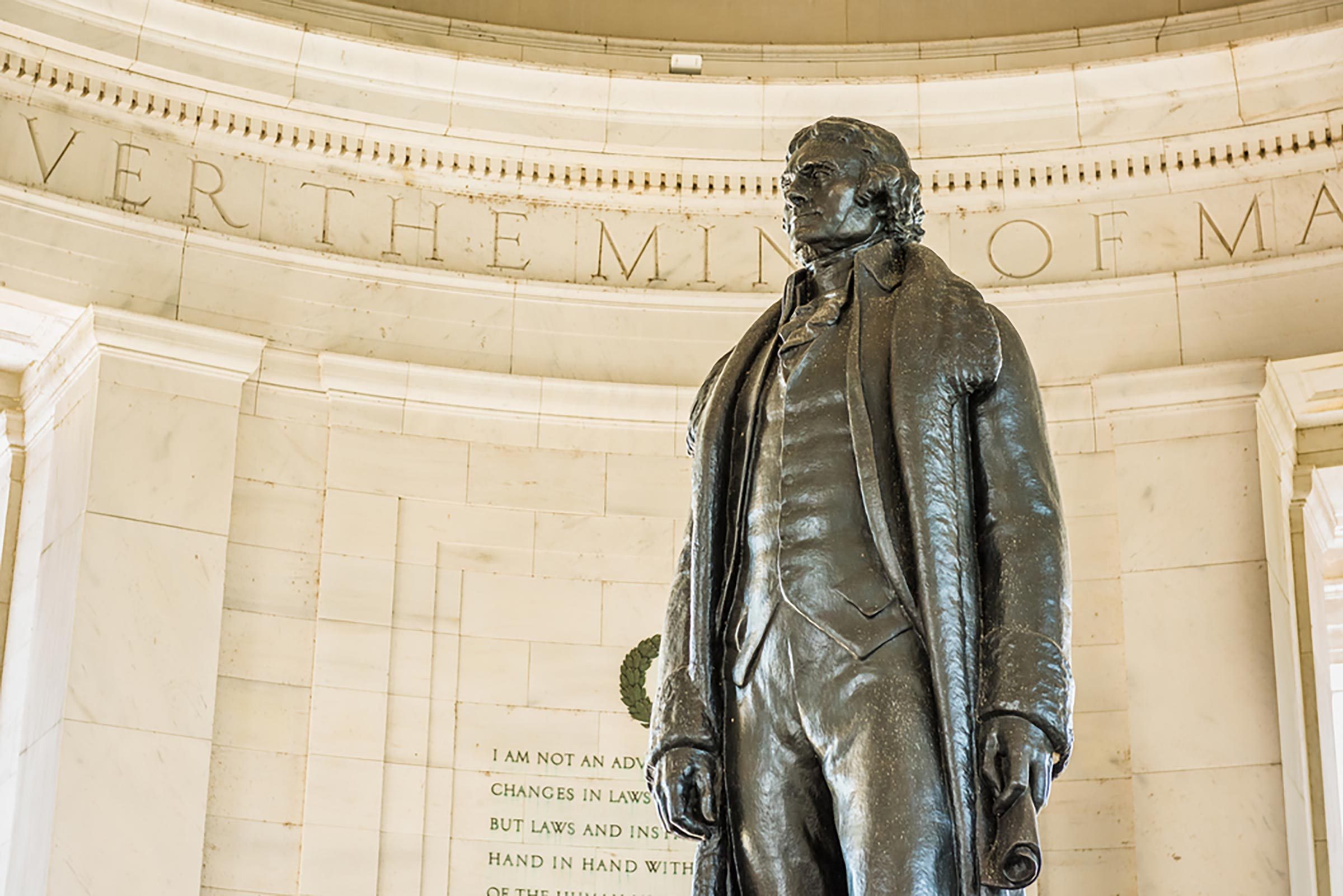
Jefferson and Jackson have unique statues
The original statue in the Thomas Jefferson Memorial was made of plaster, because metal had been rationed during WWII. The plaster statue was later replaced with the 19-foot bronze statue we see there today. There’s a statue of Andrew Jackson in Lafayette Square directly across from White House—yes, the one protesters have been trying to tear down recently—and it’s partially made of melted-down British cannons that had been used in the War of 1812. Here are 10 tricky questions about American wars people always get wrong.
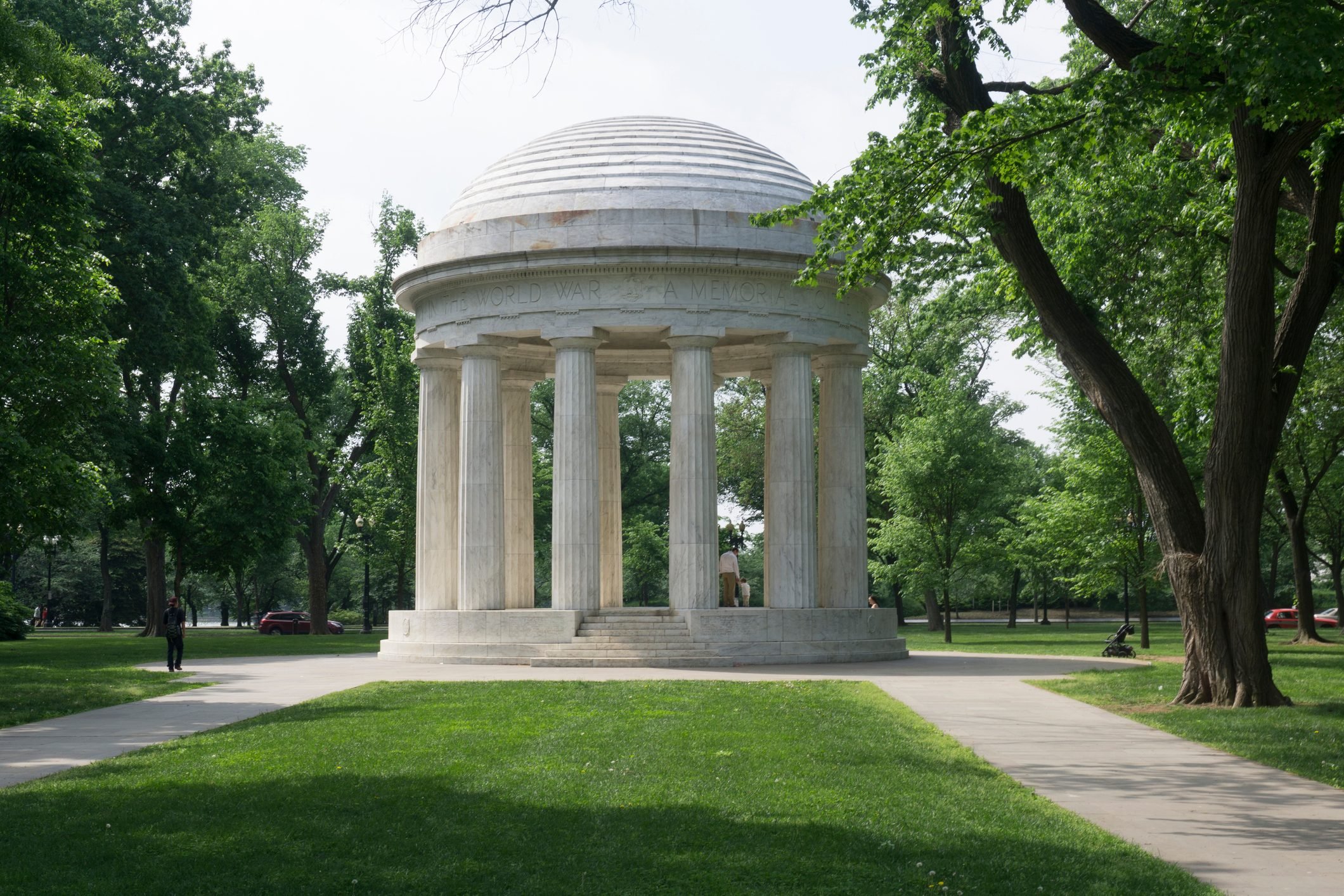
Only one memorial on the National Mall is dedicated to World War I
That is the D.C. War Memorial, which honors locals from Washington, D.C. who fought in that war. Did you know about these everyday things that were designed for World War I?
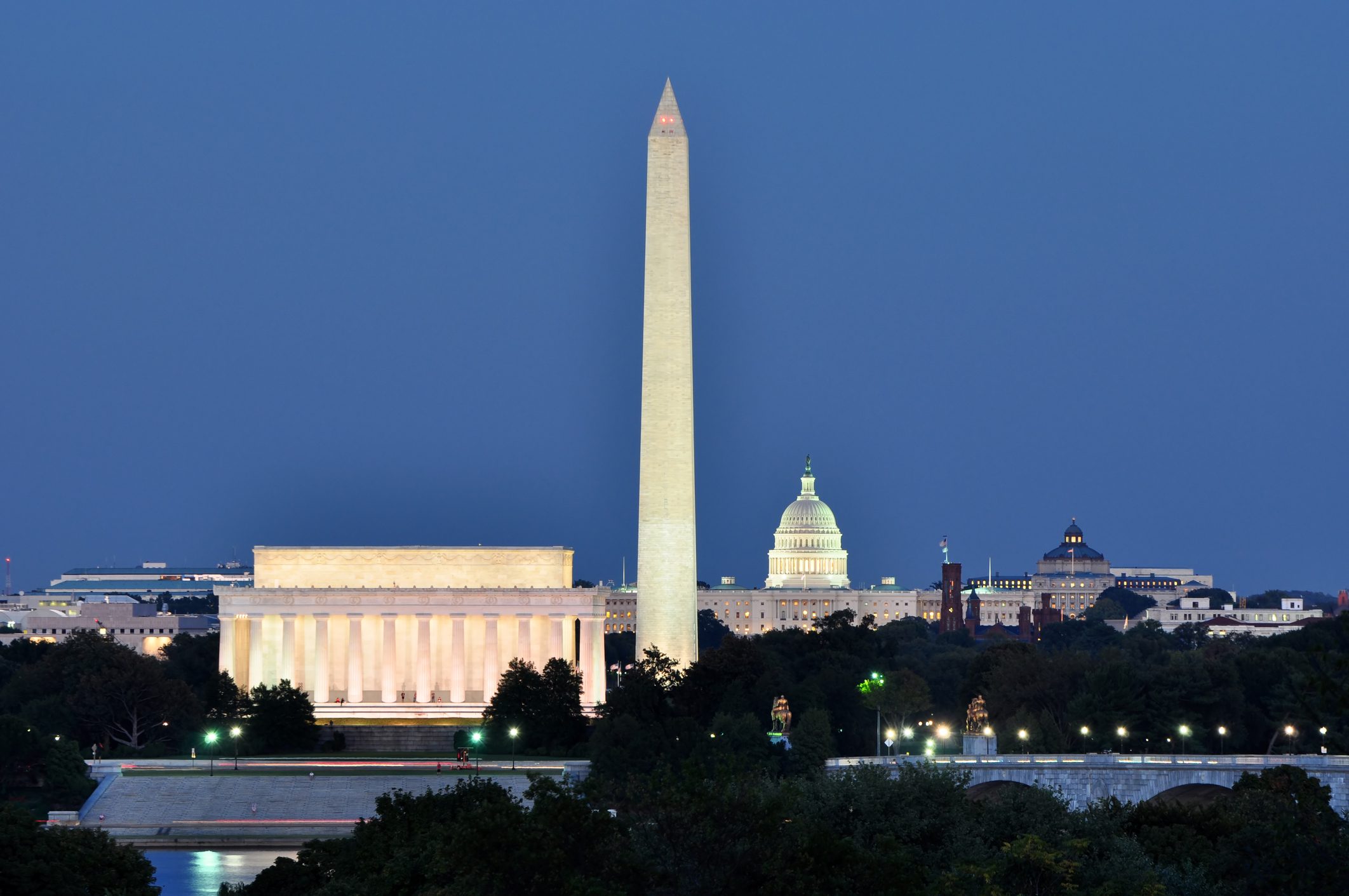
The Washington Monument used to be the tallest structure in the world
At 555 feet and 5 1/8 inches tall, the memorial held this title for five years after it was completed in 1884. Then the Eiffel Tower came looming in at 984 feet. Don’t be alarmed, but the Washington Monument reportedly does sway .125th of an inch when the wind blows at least 30 miles per hour. Here are more facts you never knew about the Washington Monument.
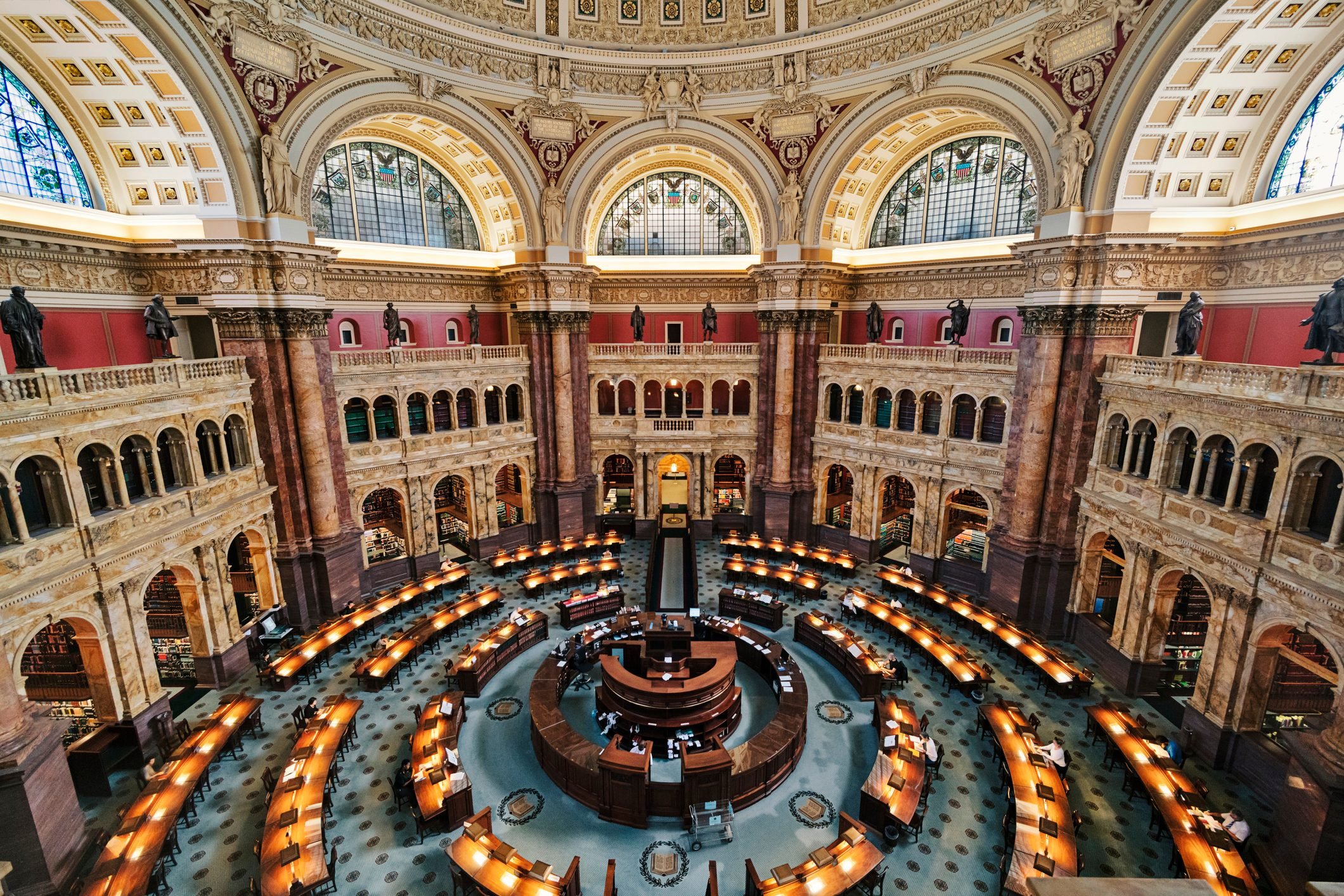
The Library of Congress is the world’s largest library
It has more than 170 million objects in the collection, including a top secret FBI interrogation manual—just another secret the FBI doesn’t want you to know. It’s only available because some guy copyrighted the secret document, and according to the law, anything copyrighted must be available to anyone with a library card at the Library of Congress.
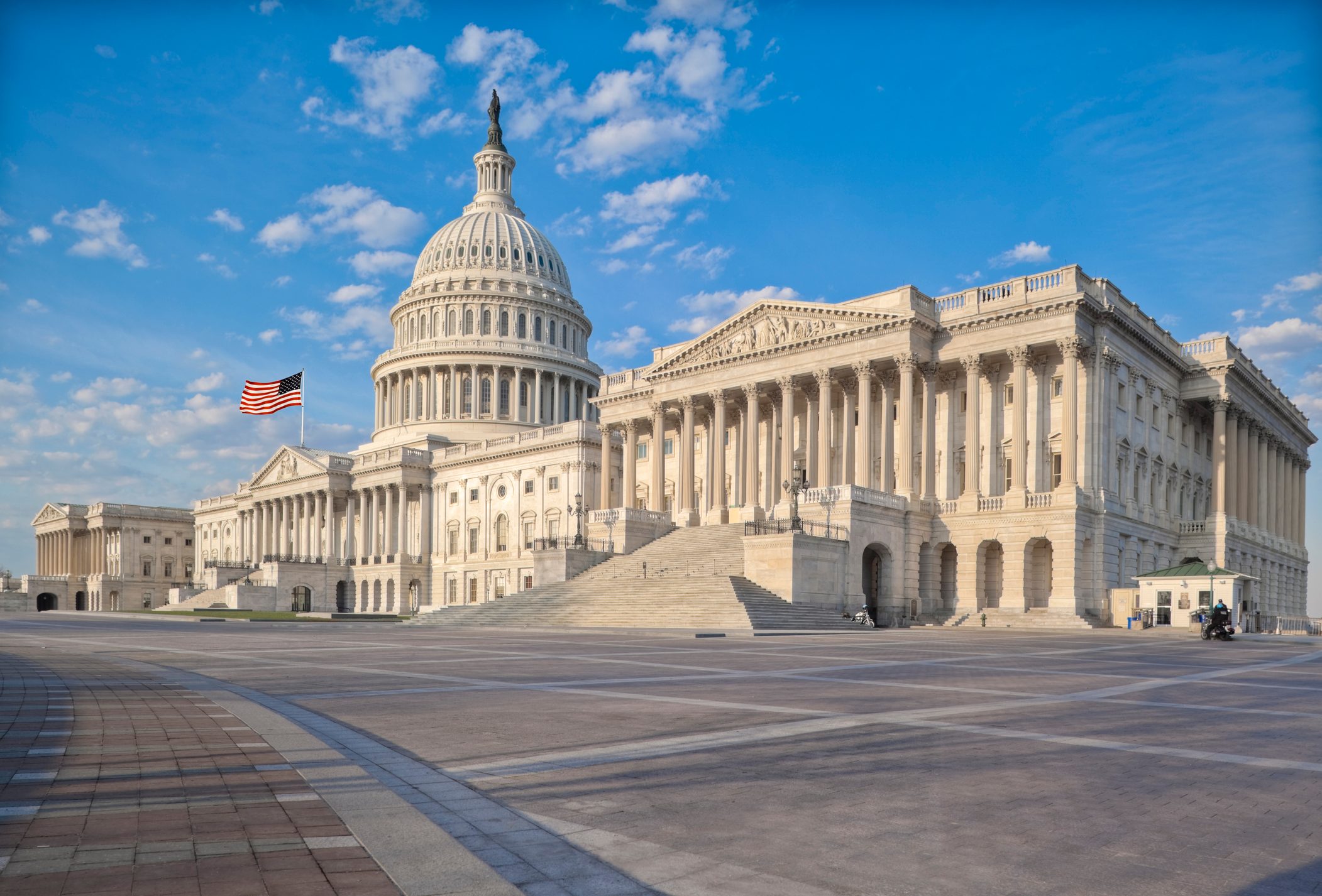
The U.S. Capitol isn’t totally American
It was designed by a Scottish doctor named William Thornton. George Washington and Thomas Jefferson held a contest to design the building, with a winning prize of $500, but they didn’t like any of the 17 entries received. Thornton submitted his designs after the deadline, but Washington and Jefferson liked it enough to choose it anyway.

Neither are D.C.’s famous cherry blossoms
The 3,000 cherry trees lining the Tidal Basin make D.C. a top spring travel destination, and they were a gift from Mayor Yukio Ozaki of Tokyo in 1912. The National Cherry Blossom Festival commemorates this event and the relationship between the U.S. and Japan every year.
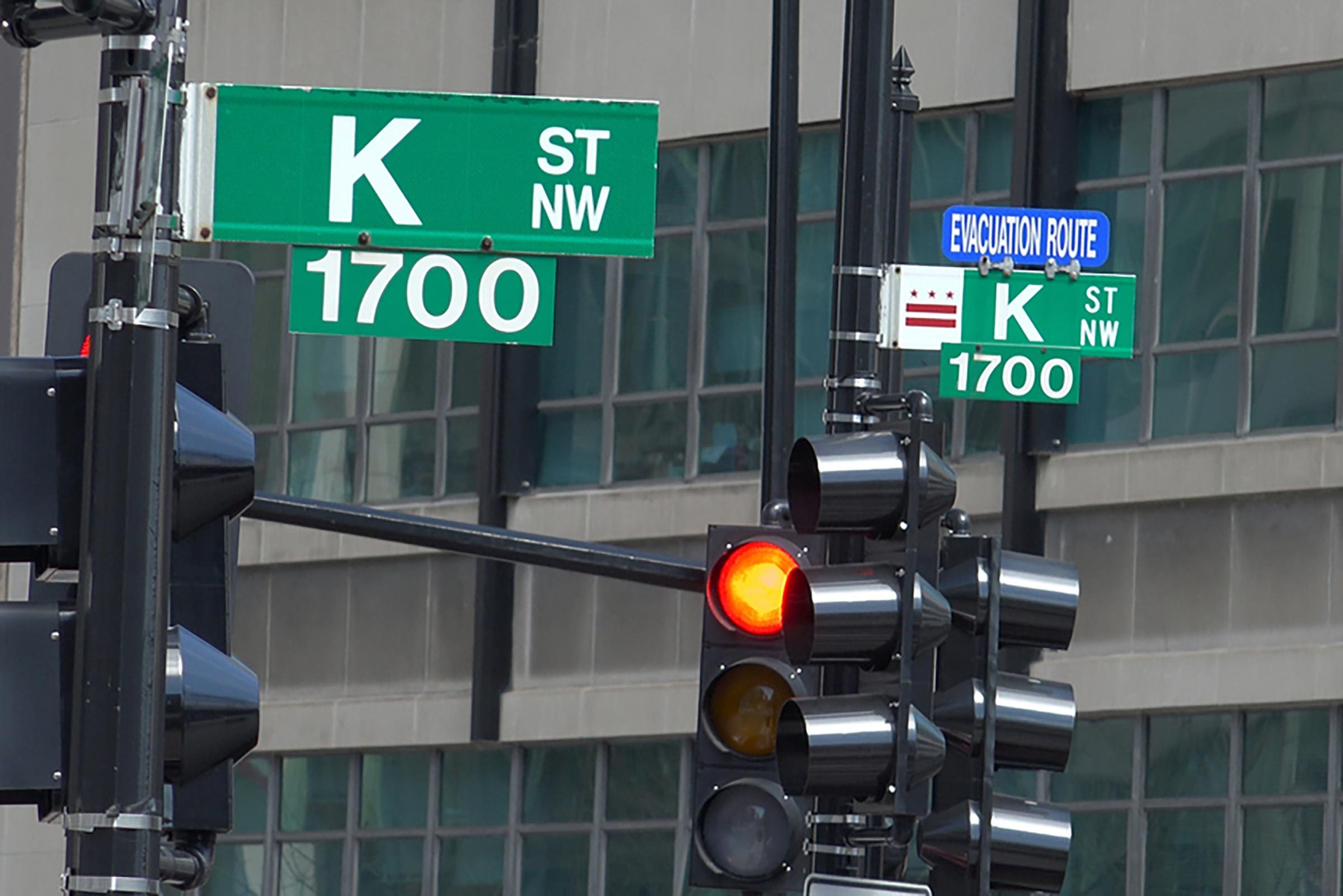
Washington, D.C. is missing a street
All lettered streets in Washington, D.C. occur in alphabetical order—except for J, because there is no J Street. The most likely explanation is that people thought it would be confused with I Street, since the two letters were frequently used interchangeably during the 18th century. This also has to do with why J was the last letter added to the alphabet.

The Washington Monument is actually two different colors
The Washington National Monument Society ran out of funding during construction, so the project was put on hold. Eventually, the U.S. government took over the project 25 years later, but it used marble from a different quarry. Over time, the stones have reacted differently to rain and erosion, which is why the bottom looks slightly different from the top.

Building the Lincoln Memorial took way longer than expected
Congress created a Lincoln Memorial Association two years after the president’s 1865 assassination, but construction didn’t start until 1914. It eventually opened in 1922. Now it stands proud with 36 columns, representing each of the states in the Union when Lincoln died, and it is made up of stones from Massachusetts, Colorado, Indiana, Tennessee, Alabama, and Georgia. Architect Henry Bacon purposely did this to show that a country torn apart by war can still unite to create something beautiful.
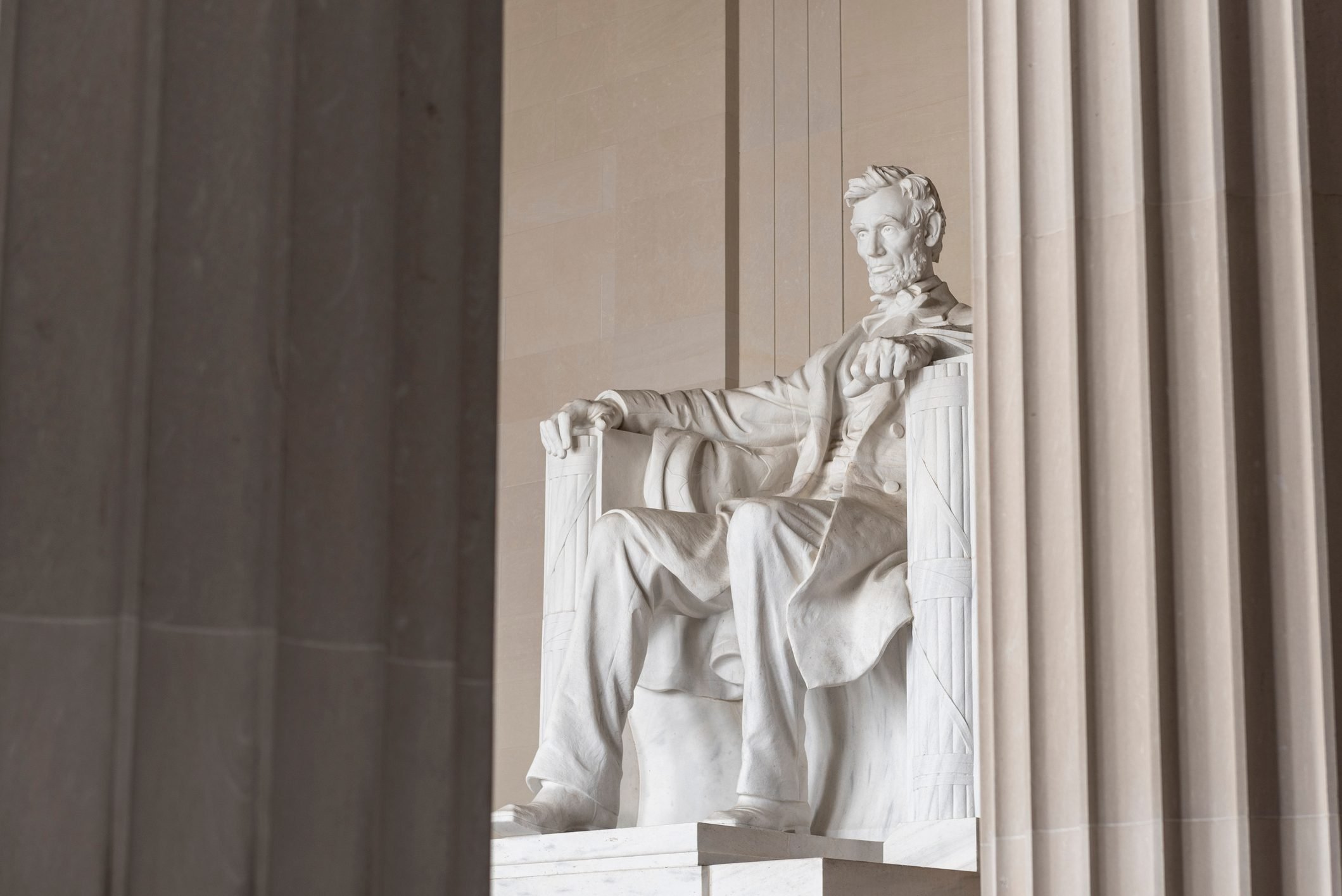
Other things about the Lincoln Memorial you never knew:
Unfortunately, there is a typo on the Lincoln Memorial, in the inscription of Lincoln’s second inaugural address etched into the wall. Instead of the word “FUTURE,” the engraver carved “EUTURE” by mistake. If you know where to look, you can see the E that had its bottom line filled in to make it an F. Learn about more typos and errors in prominent monuments.
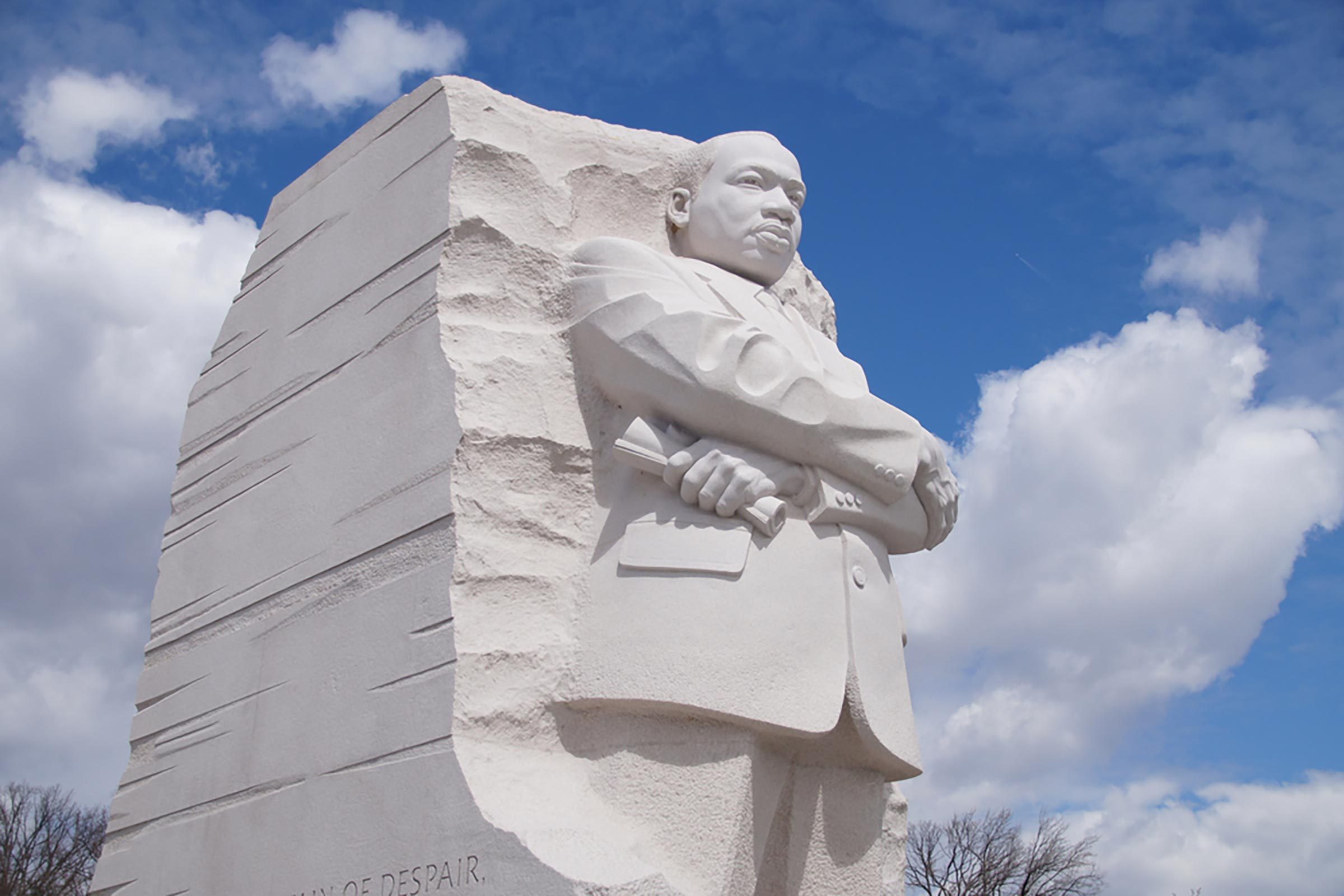
Martin Luther King, Jr. is one of four non-presidents honored on the Mall
You probably already know that Martin Luther King, Jr. made his famous “I Have a Dream” speech in front of the Lincoln Memorial. But you might not know these unique details about his own memorial. The sculptor behind the statue in the Martin Luther King, Jr. Memorial was Chinese artist Master Lei Yixin. He sculpted 80 percent of it in China, had it transported to the U.S., and then finished the rest on site in D.C. The memorial is one of four monuments on the National Mall dedicated to a non-president. The other three private citizens given this honor are lesser-known Founding Father George Mason, engineer and warship designer John Ericsson, and Revolutionary War captain John Paul Jones. Next, learn some misconceptions about Martin Luther King, Jr. that need to be cleared up.