Why Travel is the Best Teacher for Kids: 8 Essential Life Lessons
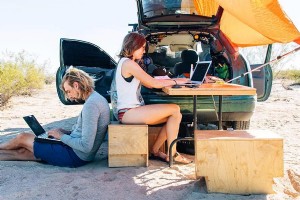
Travel is a powerful force for good: it expands horizons, fosters cultural empathy, and deepens understanding of the world. We travel with our children because these experiences enhance their social skills and cultivate responsible global citizens.
Beyond that, travel imparts invaluable practical skills. Here are eight ways it serves as the ultimate teacher for kids.
Lesson 1: Prioritize and Pack Like a Pro
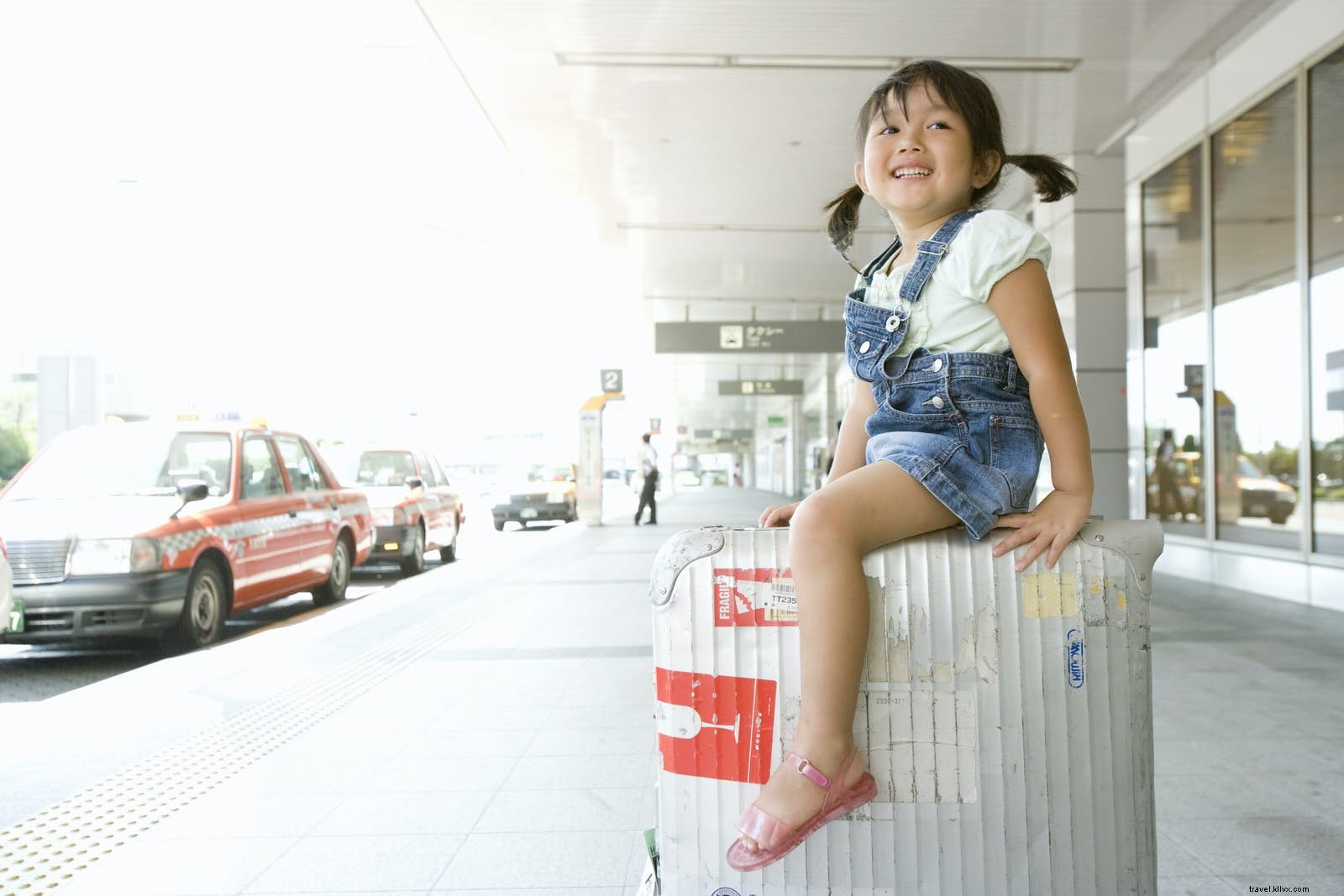
Deciding between necessities and luxuries builds discernment. Managing personal luggage teaches kids what they truly need, adaptable to various trips. This skill extends to school bags, sleepovers, and day trips—saving parents time too.
Pro Tip: Sit with your kids to create (write or draw) a packing list. Allow ample time to assemble items—rushing leads to regrets on the road.
Lesson 2: Navigate from A to B, Tech-Free
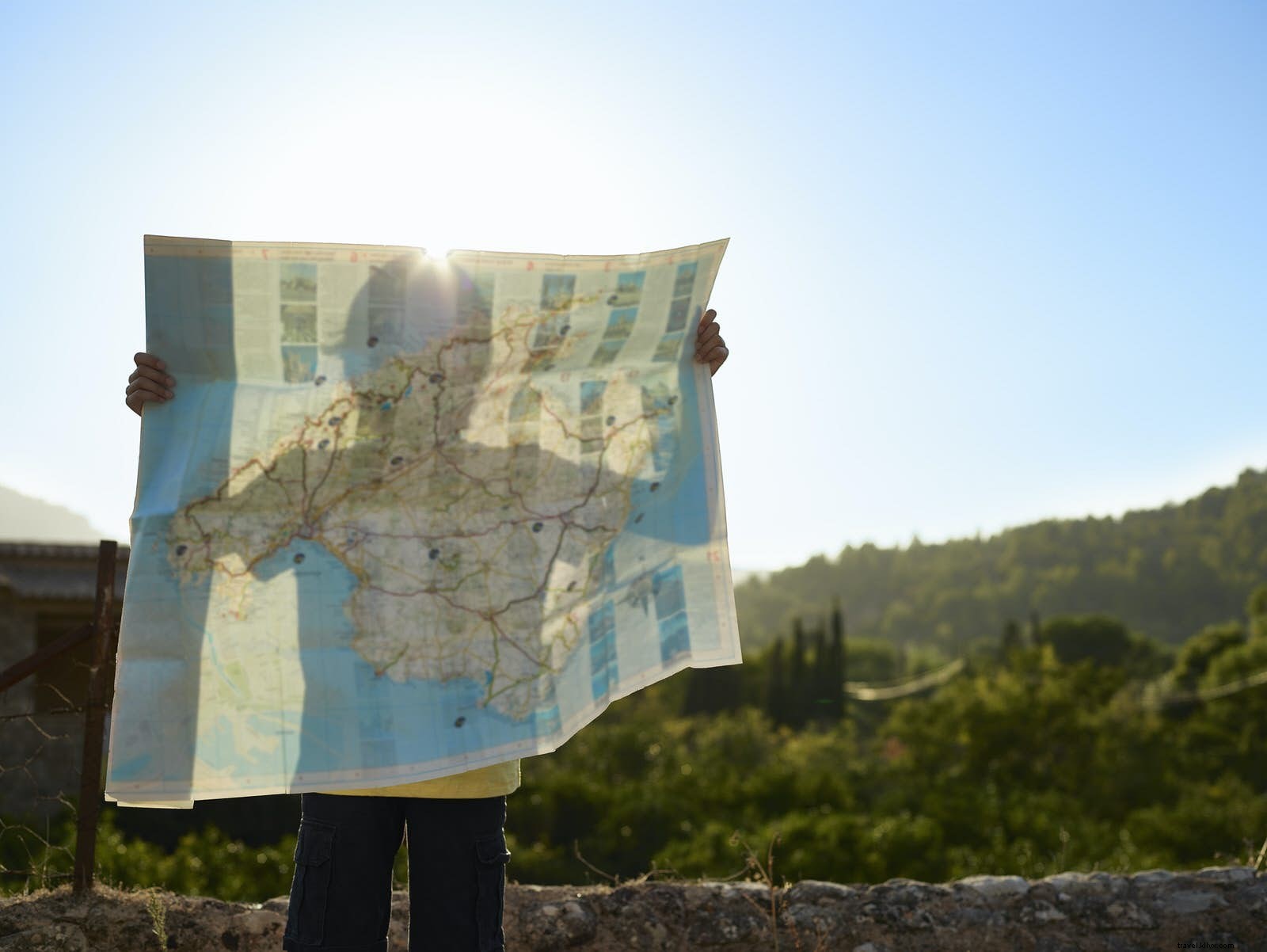
In an era of GPS, map-reading is a lost art. Travel revives it, sharpening observation ('What does that sign say? Is that a park?') and key interpretation ('This path is yellow!').
At home, enhanced direction sense revives old atlases over devices.
Pro Tip: Start with short distances a few hundred yards away. Wrong turns are the best teachers.
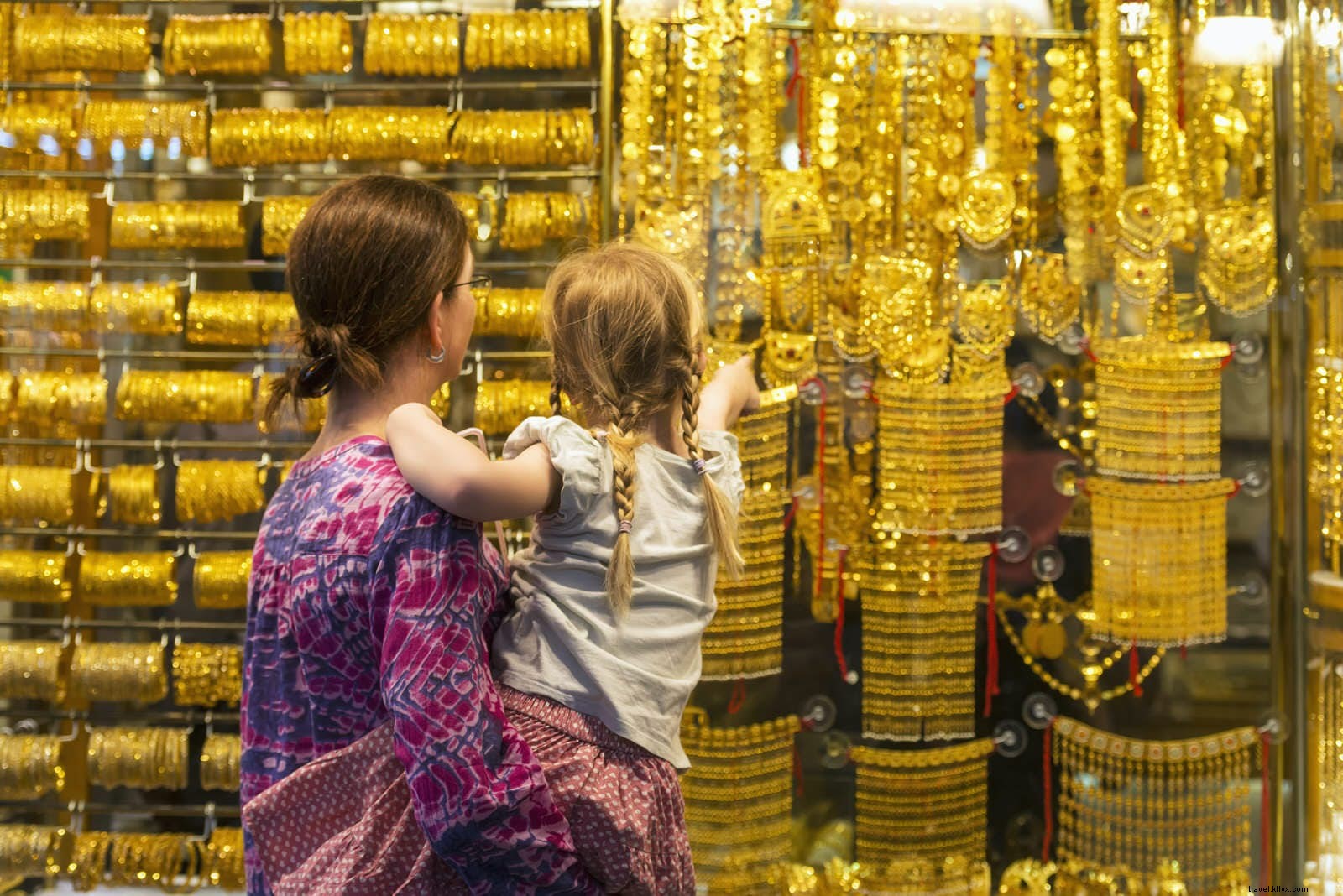
Lesson 3: Master the Art of Haggling
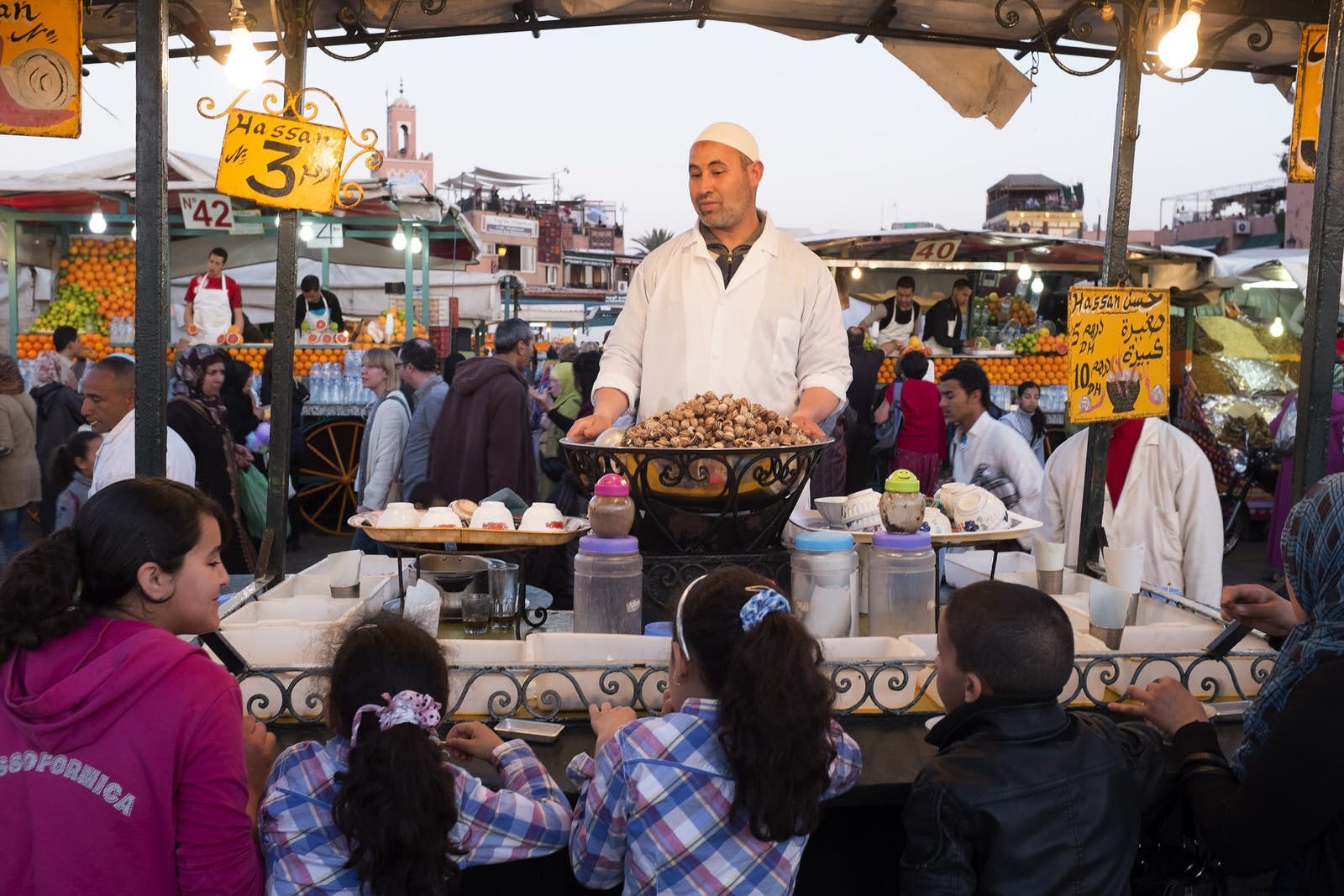
Bargaining varies by culture—understanding it respectfully builds diplomacy, empathy, and economic awareness. Many adults struggle; prep kids beforehand.
It teaches negotiation without exploitation.
Pro Tip: Practice via role-play games with costumes and poker faces, then apply at markets. Kids' charm often seals the deal.
Lesson 4: Money Matters
Foreign currency makes math real: exchanging builds value awareness and multiplication skills. Unfamiliar coins/notes improve money handling.
Pro Tip: Convert pocket money to local currency. Let older kids budget; younger ones play with coins.
Lesson 5: Learn the Lingo
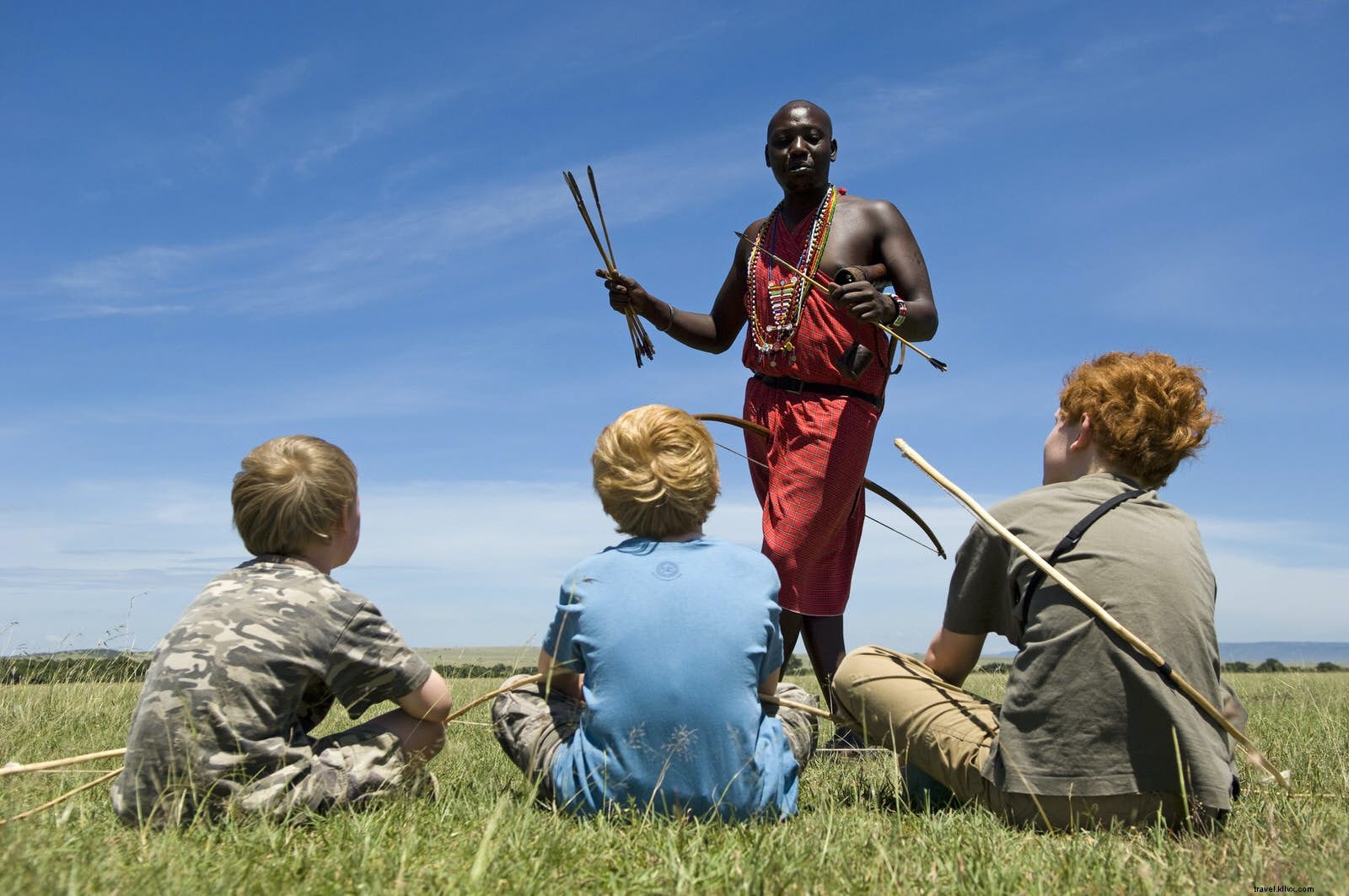
A new language underscores school lessons. Basic phrases like 'hello,' 'please,' and 'thank you' ease interactions. Witnessing communication barriers highlights gestures and body language.
Pro Tip: Teach phrases a month ahead (e.g., 'Hello, four ice creams please'). Practice with locals.
Lesson 6: Taste the Difference
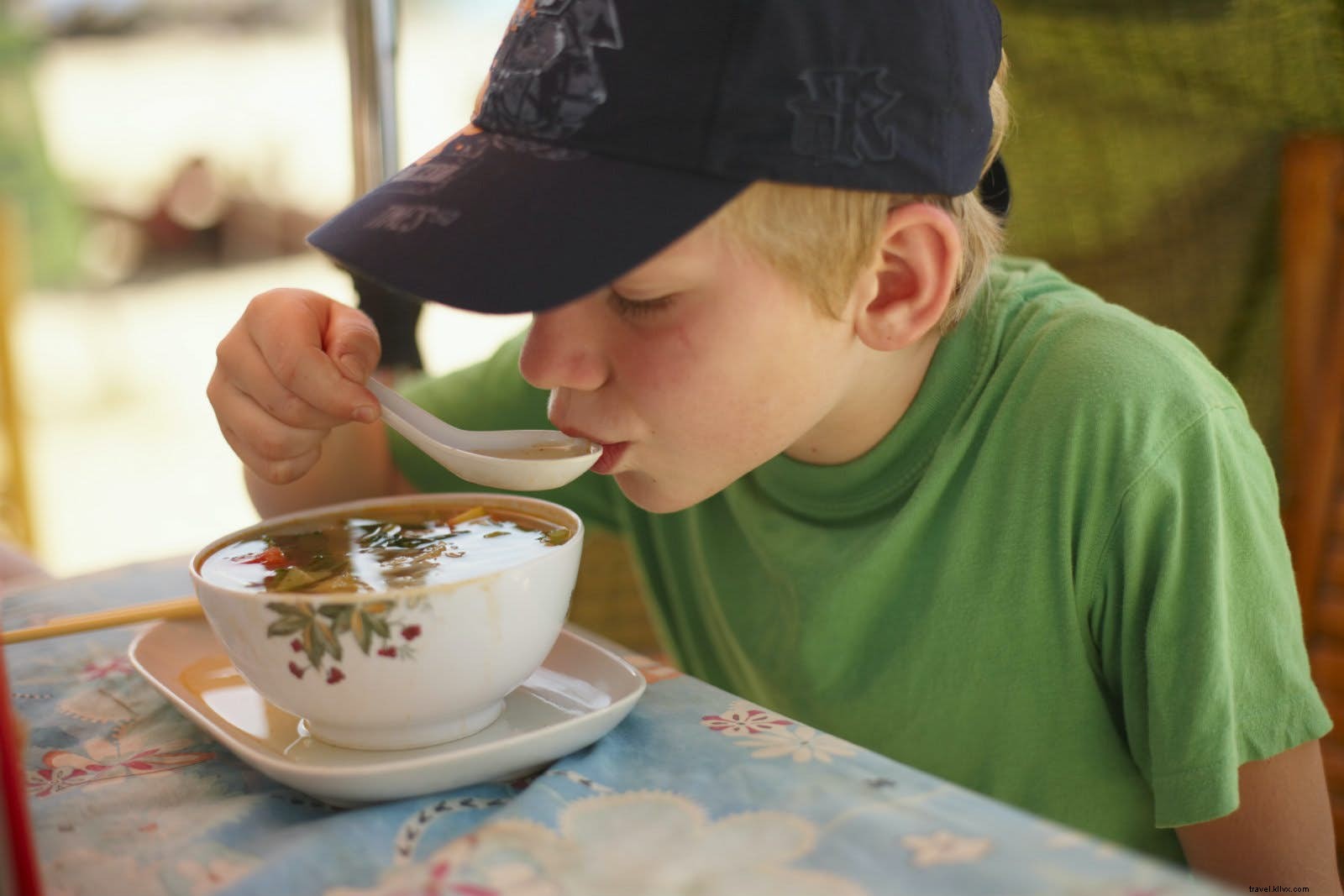
Travel cultivates food appreciation, exposing new flavors, techniques, and communal dining. It inspires healthier home habits.
Kids expand palates and learn change is possible.
Pro Tip: Prep picky eaters: explain differences, set a 'one new thing daily' rule.
Lesson 7: Embrace Decisions Without Regret
Travel hones decision-making: research, weigh risks, act. Kids observe adults balancing comfort zones.
This transfers to daily choices like playmates or homework.
Pro Tip: Assign trip research; have kids present pros/cons recommendations.
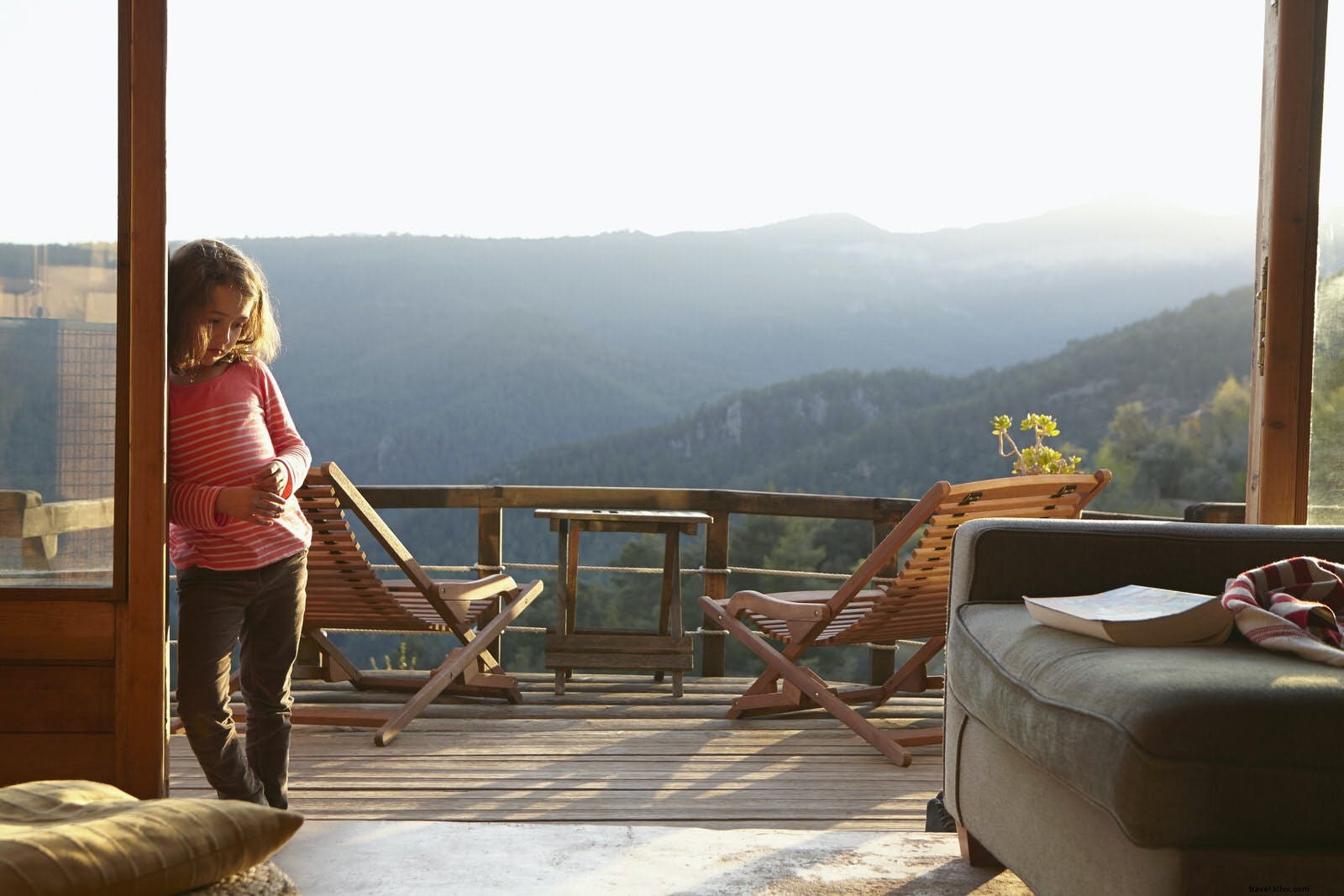
Lesson 8: Cope with Boredom
Travel involves waits and journeys, teaching boredom management in public. Model coping, spark games or talks.
Soon, kids echo: 'Boredom is only in your head.'
Pro Tip: Co-create and rank 10 tech-free time-passers (paper/pens OK).
Test these skills on a family city trip! Download our free ebook, 25 City Adventures for Families, for inspiration.