
Discover Lesser-Known Wildlife Wonders: Fantastic Beasts and Top Spots to See Them
Skip the iconic Big Five like lions, leopards, and elephants—the natural world brims with lesser-known creatures that are just as captivating. Drawn from Lonely Planet’s expert A to Z of Wildlife Watching, a comprehensive guide for wildlife enthusiasts, these extraordinary animals await your discovery.
Admire these fantastic beasts below and plan your next adventure to encounter them in the wild.
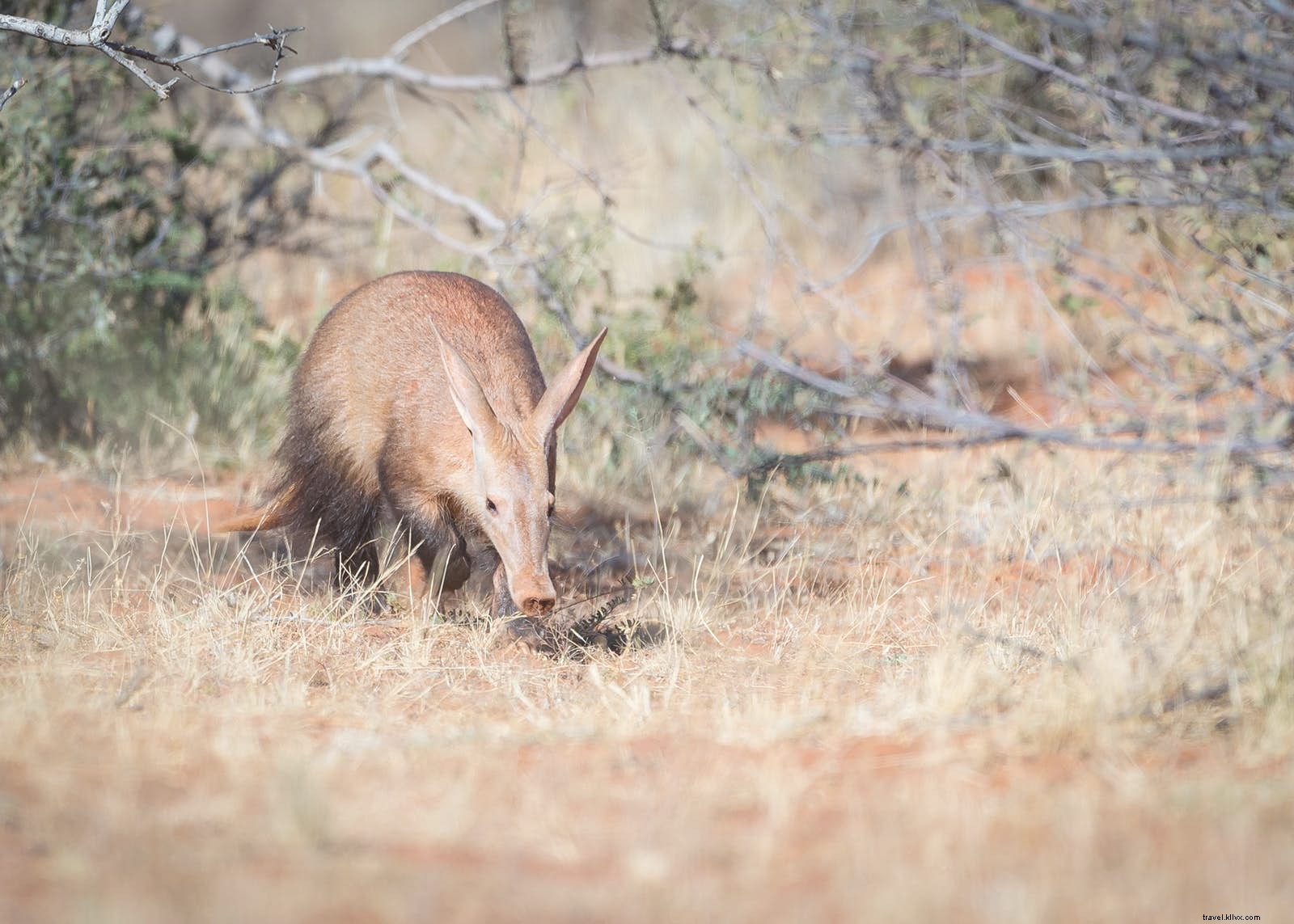
Aardvark (Orycteropus afer)
What is it?
Meaning “earth-pig,” the aardvark stands alone in its family as a secretive nocturnal ant-eater. Spot it on night safaris, relying on exceptional hearing and smell—its brain’s olfactory region is massively enlarged. With sharp claws, it tears into ant or termite mounds, devouring prey via a long, sticky tongue.
Where to see it?
South Africa’s Karoo reserves offer guided aardvark tours, tracking these residents as they forage between mounds.

Atlantic Puffin (Fratercula arctica)
What is it?
With a cartoonish yet striking breeding plumage, Atlantic puffins are beloved seabirds along coasts of Newfoundland, Greenland, Iceland, Scandinavia, and Britain. They nest in predator-free island burrows or crevices, transforming into drab sea wanderers post-breeding.
Where to see it?
The British Isles’ rugged northern and western coasts host prime colonies on islands like Skomer (Wales), Hermaness, Sumburgh, and Noss (Shetlands). Mainland spots include Bempton Cliffs, North Yorkshire.
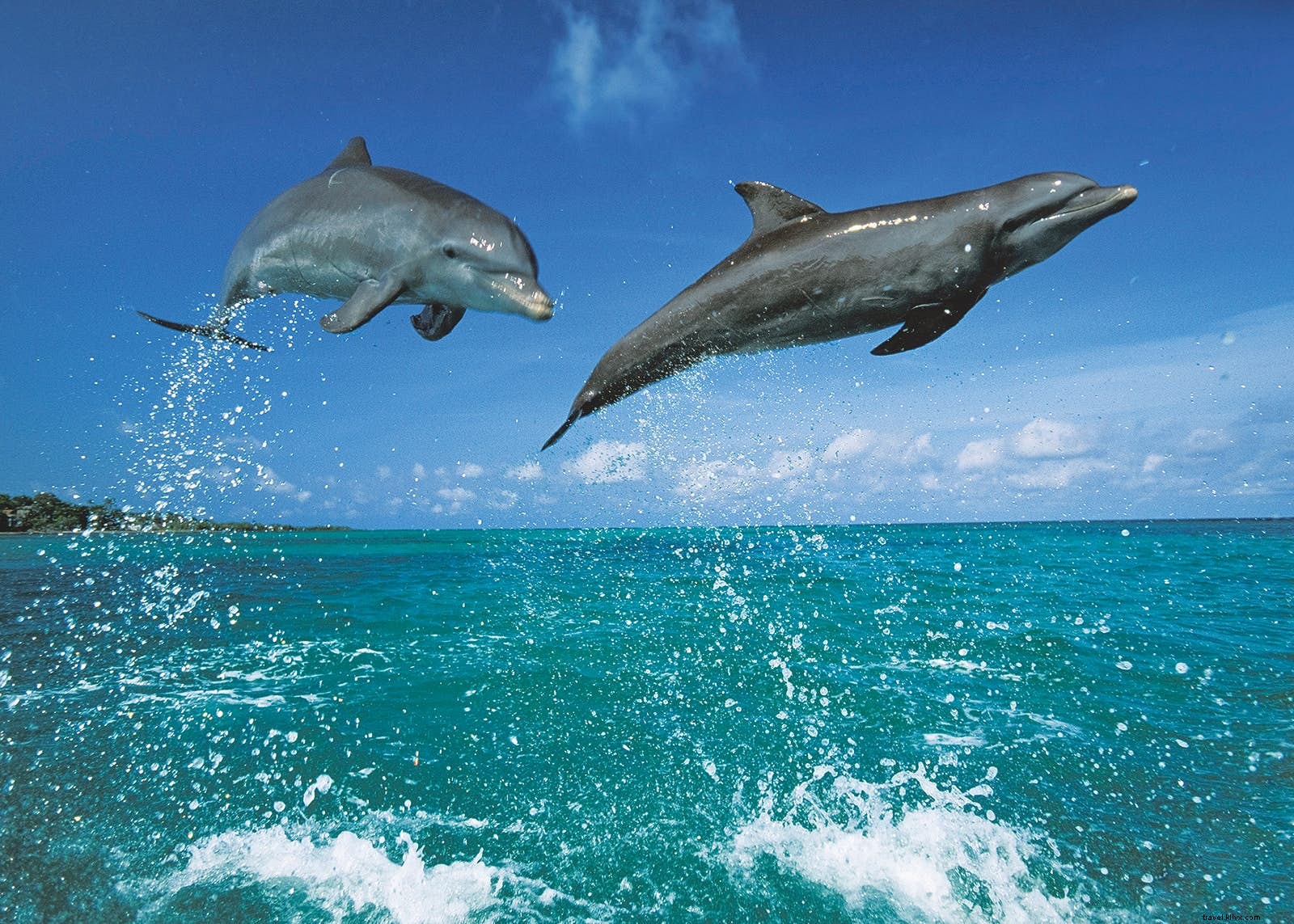
Bottlenose Dolphin (Tursiops truncatus and T. aduncus)
What is it?
The world’s most celebrated small cetacean dazzles with intelligence, self-awareness, communication, playfulness, tool use, and athleticism—making sightings a bucket-list essential.
Where to see it?
Found in global warm-temperate waters, split into common (offshore/Atlantic) and Indo-Pacific (coastal) forms since the 1990s. Hybrids like Australia’s Burrunan dolphin occur where ranges overlap.
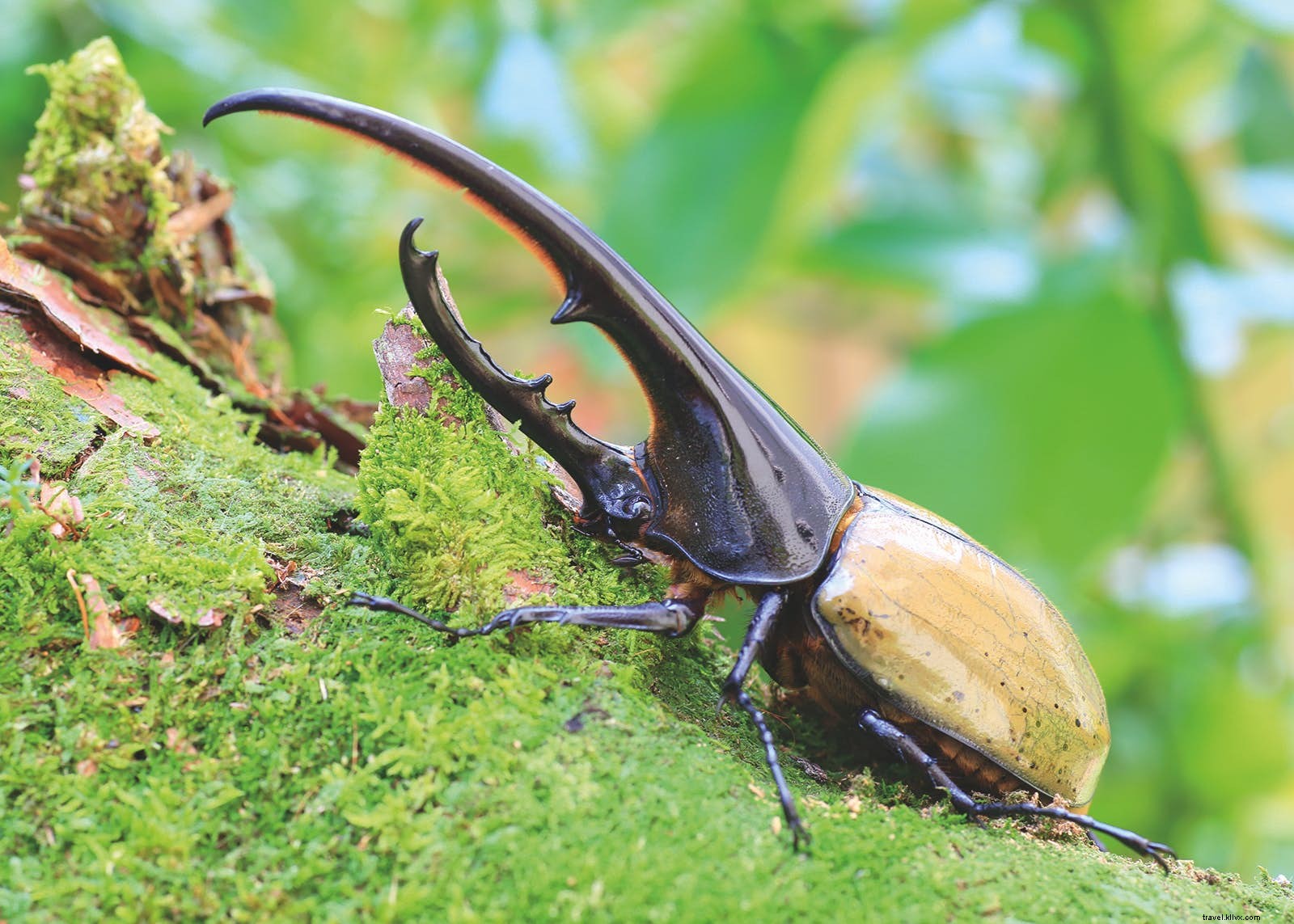
Hercules Beetle (Dynastes hercules)
What is it?
Earth’s largest beetle (males over 15cm with horns), used for epic territorial battles. Short adult lives contrast with hefty, wood-eating larvae exceeding 100g.
Where to see it?
Costa Rica’s Tortuguero National Park on the Caribbean coast yields sightings near fallen dead wood, alongside the elephant beetle.
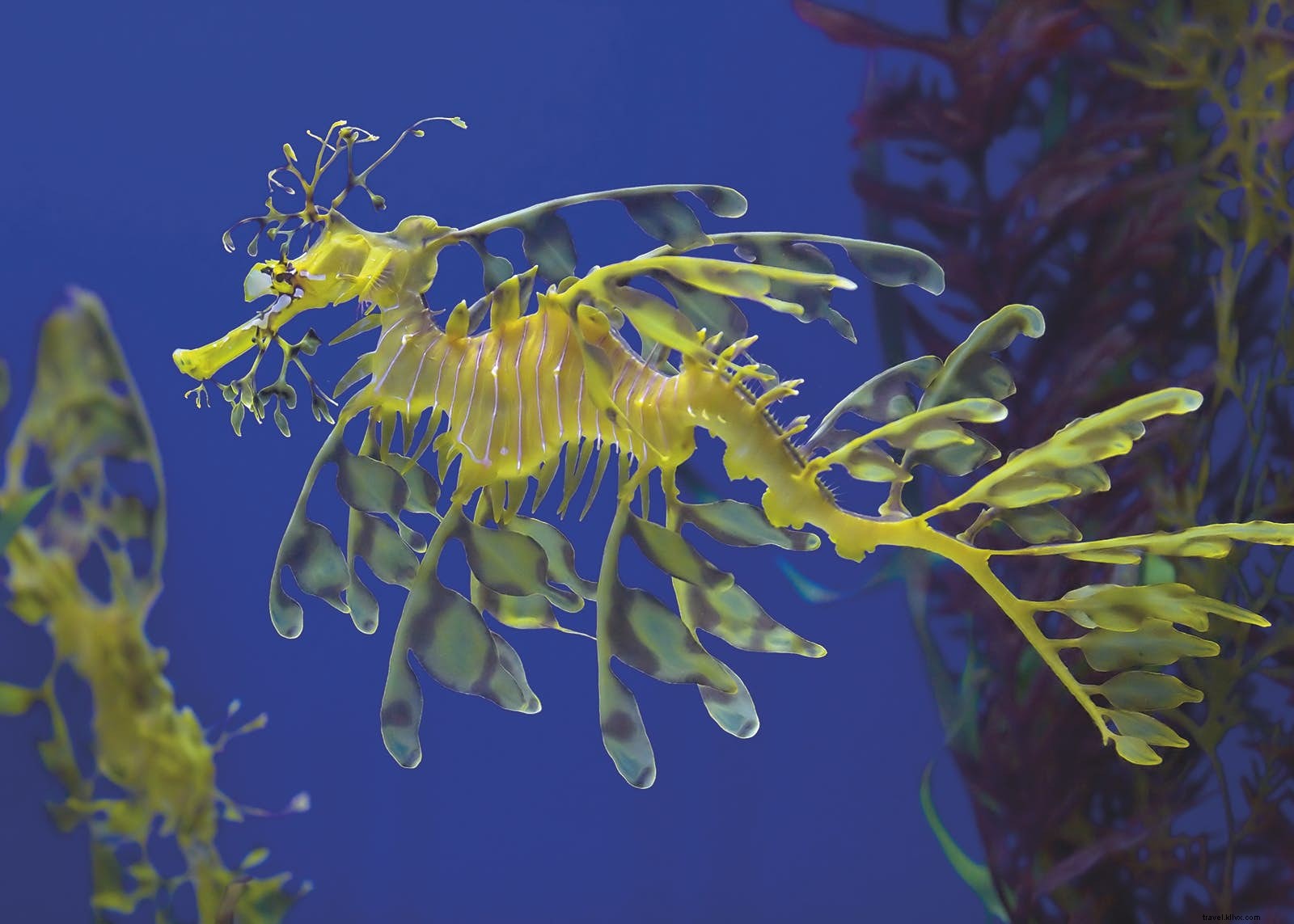
Leafy Sea Dragon (Phycodurus eques)
What is it?
This camouflaged marvel, resembling drifting seaweed, ambushes crustaceans with a nozzle mouth. Propulsion comes from a delicate dorsal fin amid kelp forests.
Where to see it?
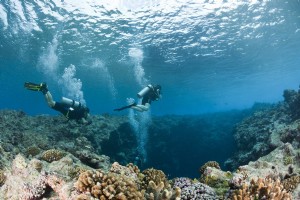
Exclusive to southern/southwestern Australia; join dive tours from Yorke Peninsula, Rapid Bay, Victor Harbor, or near Adelaide.
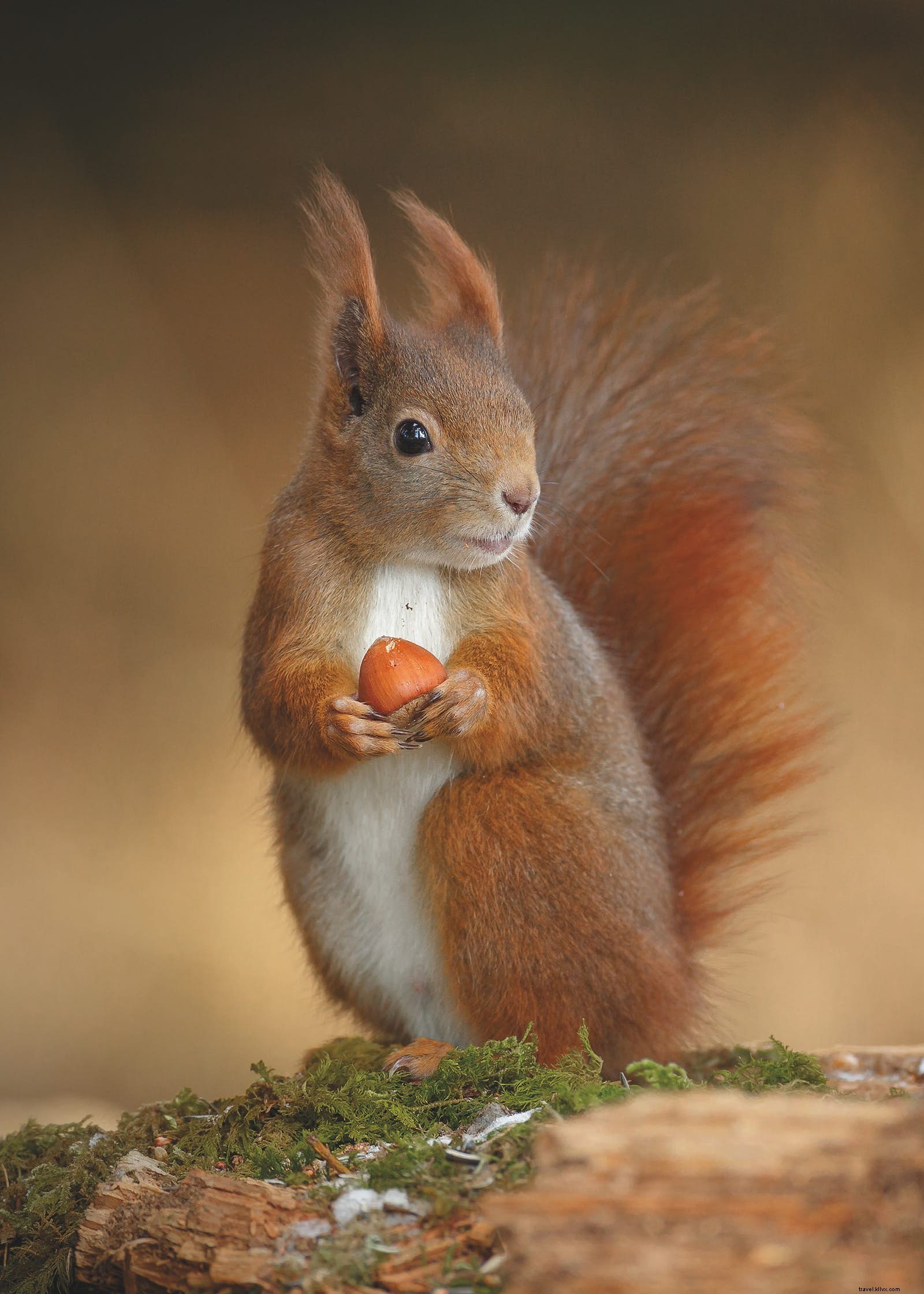
Red Squirrel (Sciurus vulgaris)
What is it?
Beatrix Potter’s Nutkin faces threats from invasive grey squirrels and squirrel pox across much of its range.
Where to see it?
Germany’s Black Forest (e.g., Triberg waterfalls) offers reliable views. In the UK, Lake District and Kielder Forest hold strongholds.
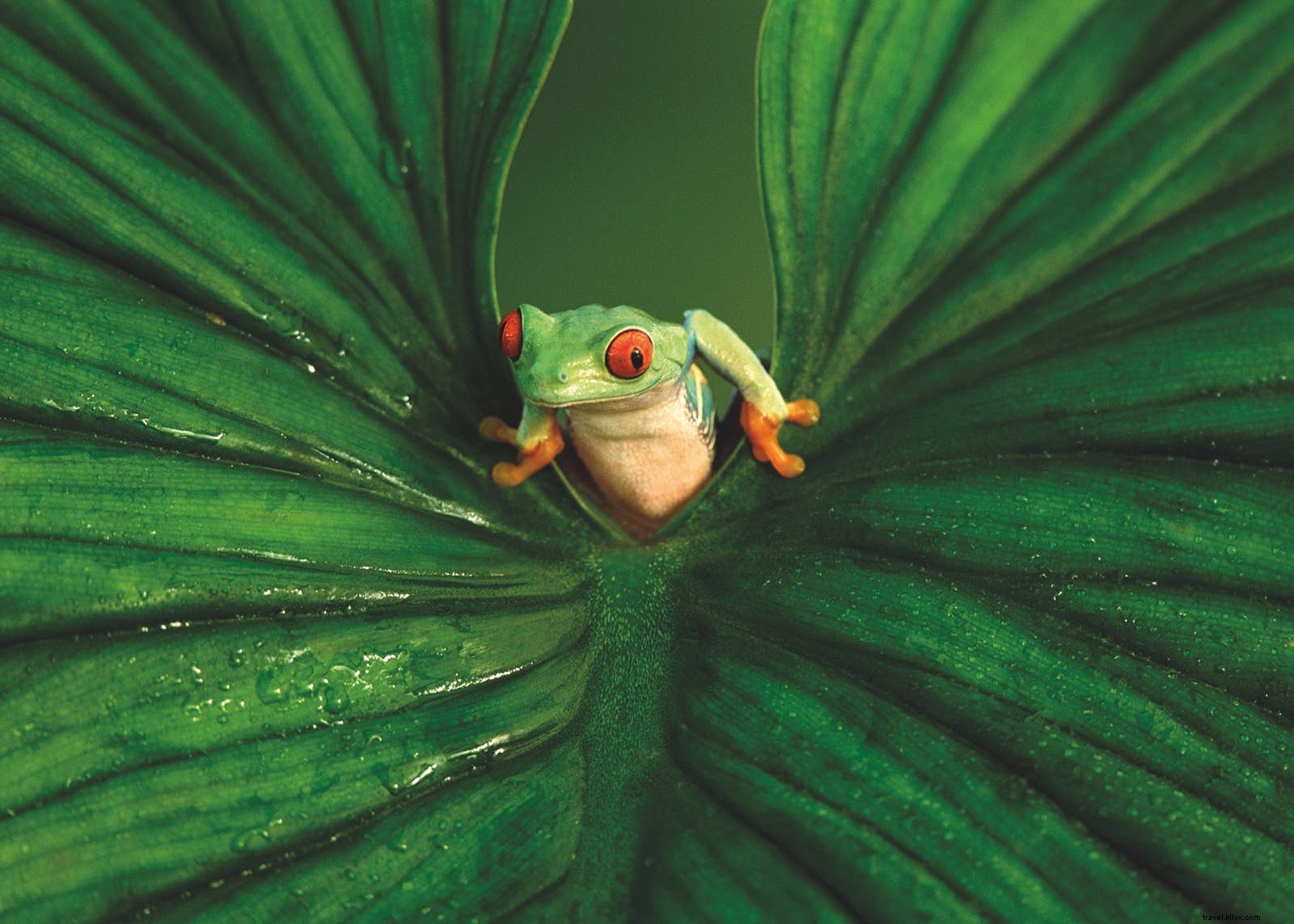
Red-Eyed Tree Frog (Agalychnis callidryas)
What is it?
Vibrant colors (red, green, orange, blue) stun predators, buying escape time in rainforests.
Where to see it?
Costa Rica, the world’s frog capital (133 species), shines at Veragua Rainforest (54 species recorded), Caribbean coast.
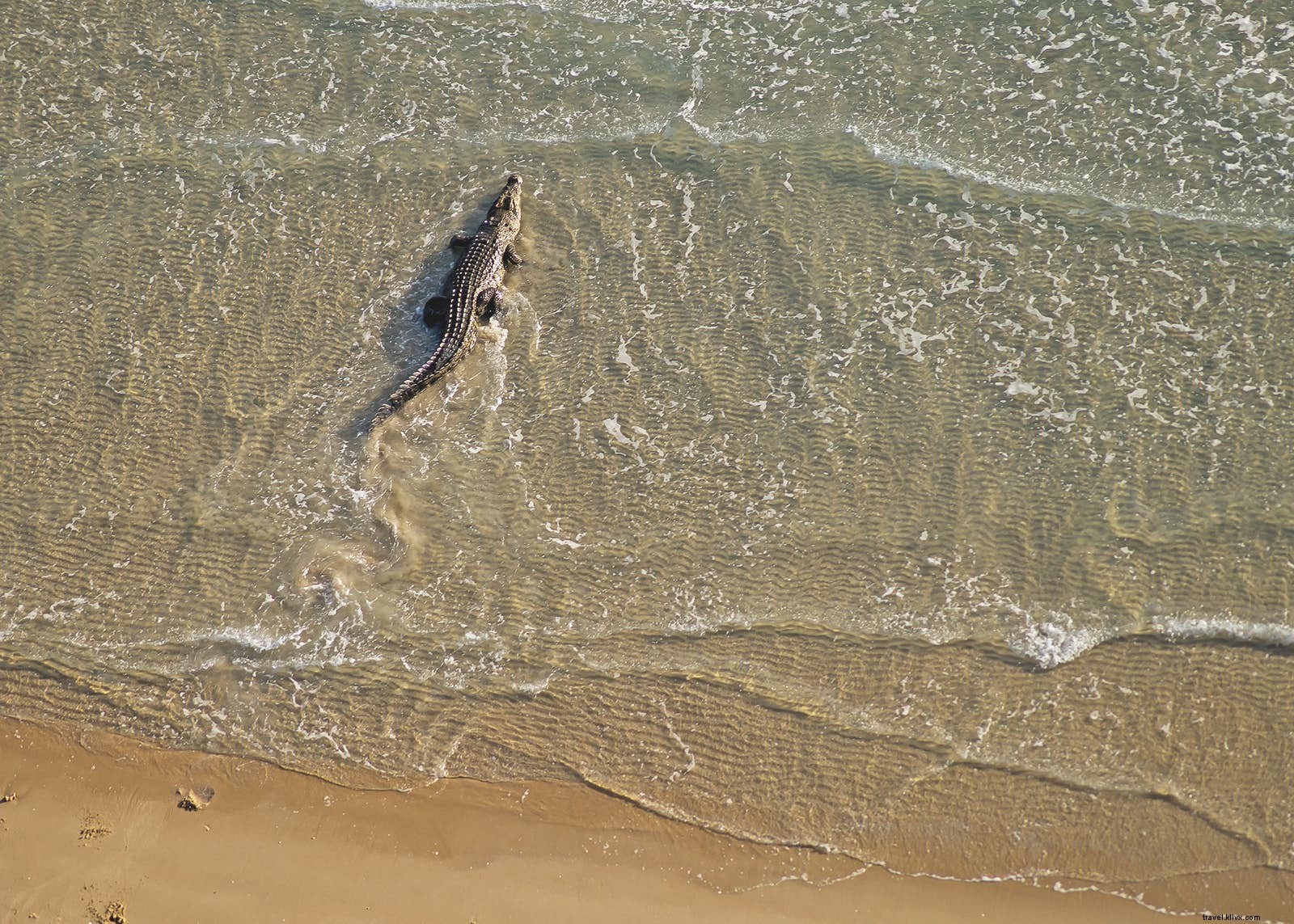
Saltwater Crocodile (Crocodylus porosus)
What is it?
World’s largest reptile (over 6m, 1+ tonne), apex predator in fresh/salt waters across Southeast Asia/Oceania.
Where to see it?
Australia’s Northern Territory (Adelaide, Mary, Daly rivers near Darwin) features thrilling boat tours with jumping “salties.”
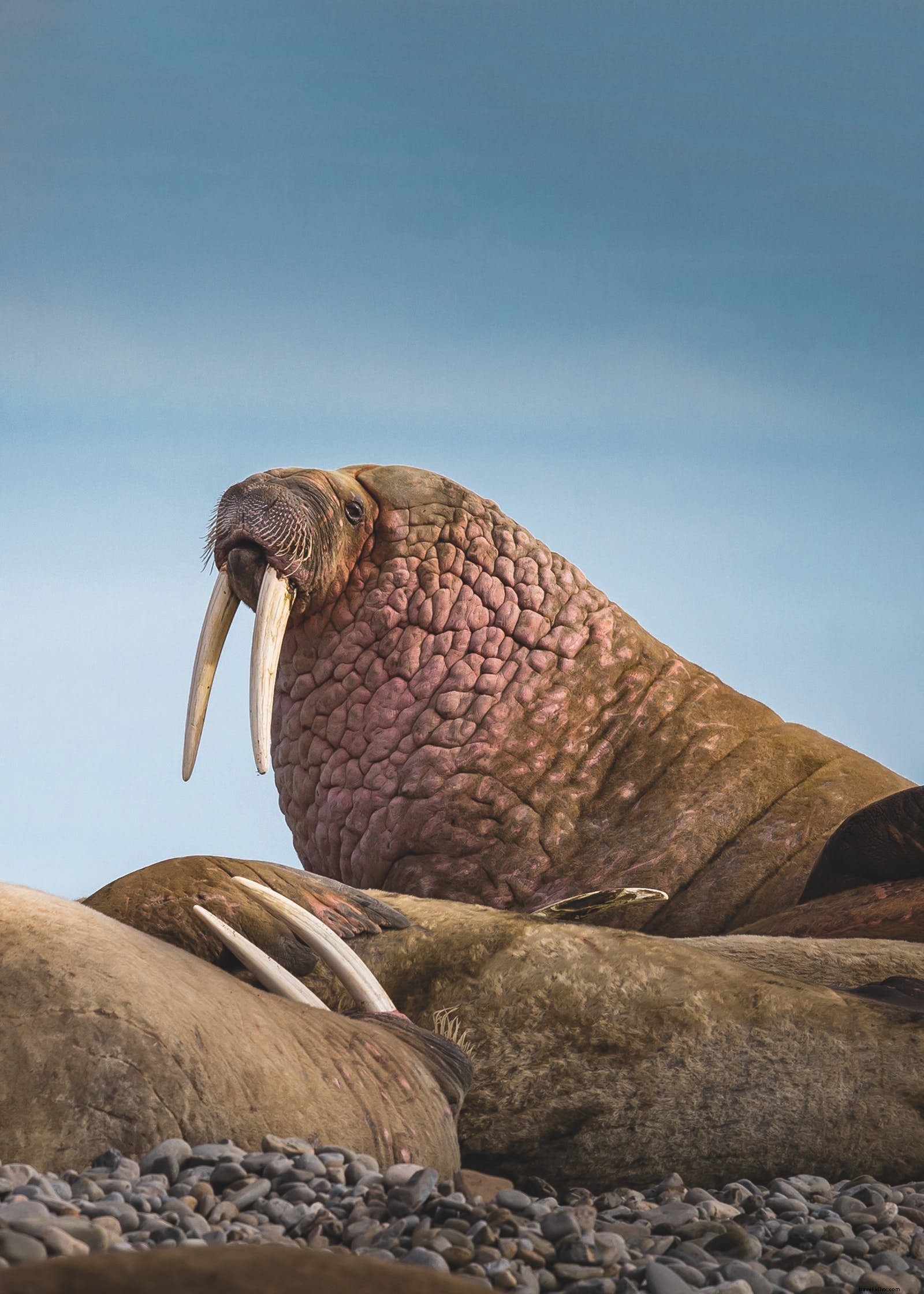
Walrus (Odobenus rosmarus)
What is it?
Arctic giant hunts by mustache-touch and suction; tusks (“tooth-walker”) aid ice hauling.
Where to see it?
Alaska’s Cape Seniavin/Round Island (air tours from Anchorage); Europe’s Svalbard (Pyramiden, Spitsbergen) for Atlantic subspecies.
Get more travel inspiration, tips and exclusive offers sent straight to your inbox with our weekly newsletter.
Check out adventure tours for every traveller from our trusted partners.