Discover Tunisia's Culinary Treasures: Authentic Food Experiences for Epicureans
Nestled along over 1,000 kilometers of pristine Mediterranean coastline and featuring a sun-drenched interior, Tunisia may not top every food lover's list. Yet, its gastronomic legacy dates to ancient Roman times, when this fertile land fed the empire as its breadbasket. Today, savvy travelers uncover exceptional, under-the-radar culinary and beverage experiences nationwide.
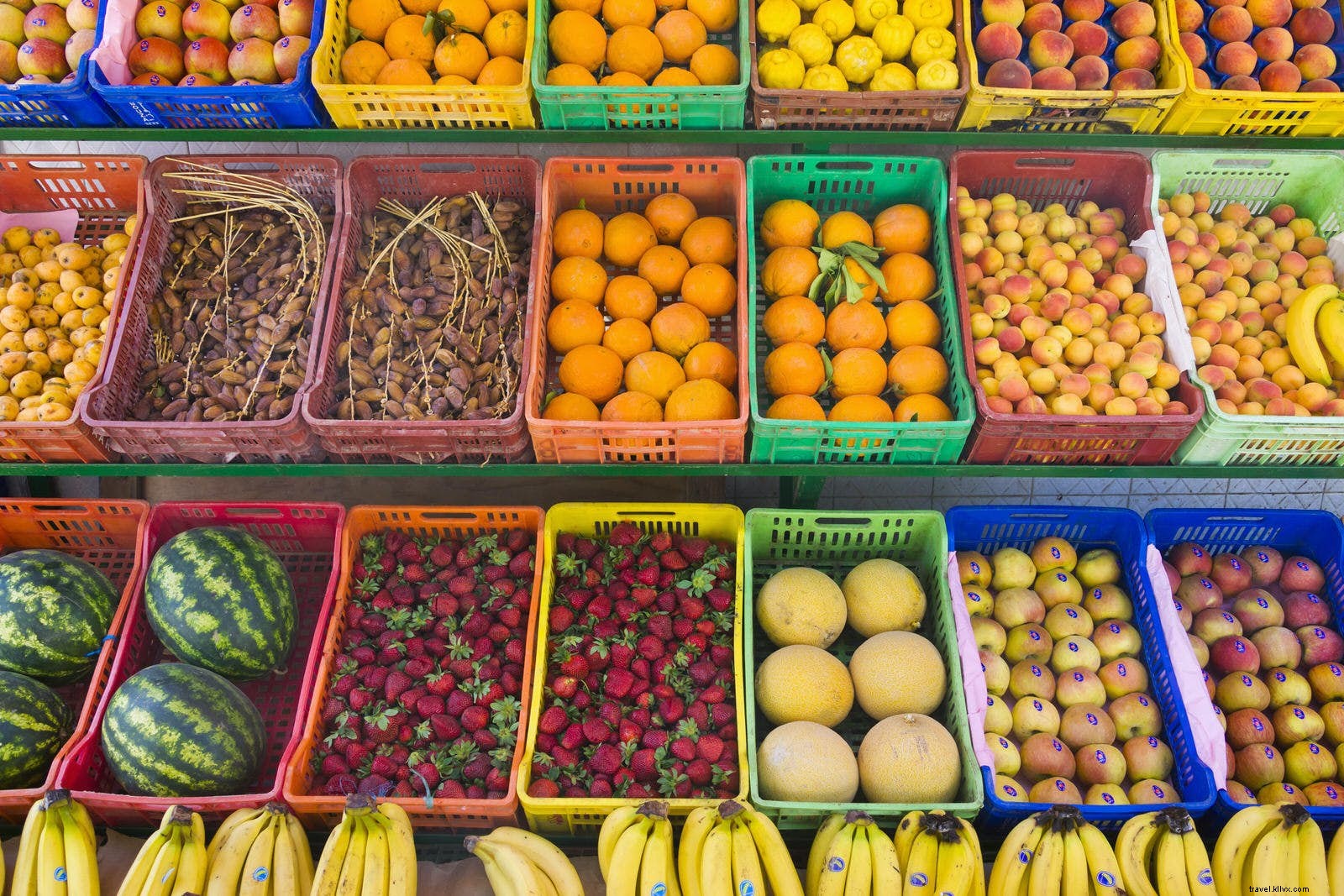
Immerse Your Senses in Vibrant Local Markets
Every Tunisian town and city boasts a central produce market—your essential first stop, ideally early morning. These bustling hubs reveal daily life while awakening all senses amid vendors' calls, intoxicating spice aromas, and crowds gathering fresh ingredients. Marvel at vibrant fruits, vegetables, spice pyramids, and baskets brimming with chickpeas, lentils, olives, and almonds.
In major cities like Tunis, find covered halls such as the Marché Centrale. Smaller towns dedicate specific weekdays to open-air markets on central squares, featuring fresh fish, produce, houseplants, and household goods like pots and utensils.
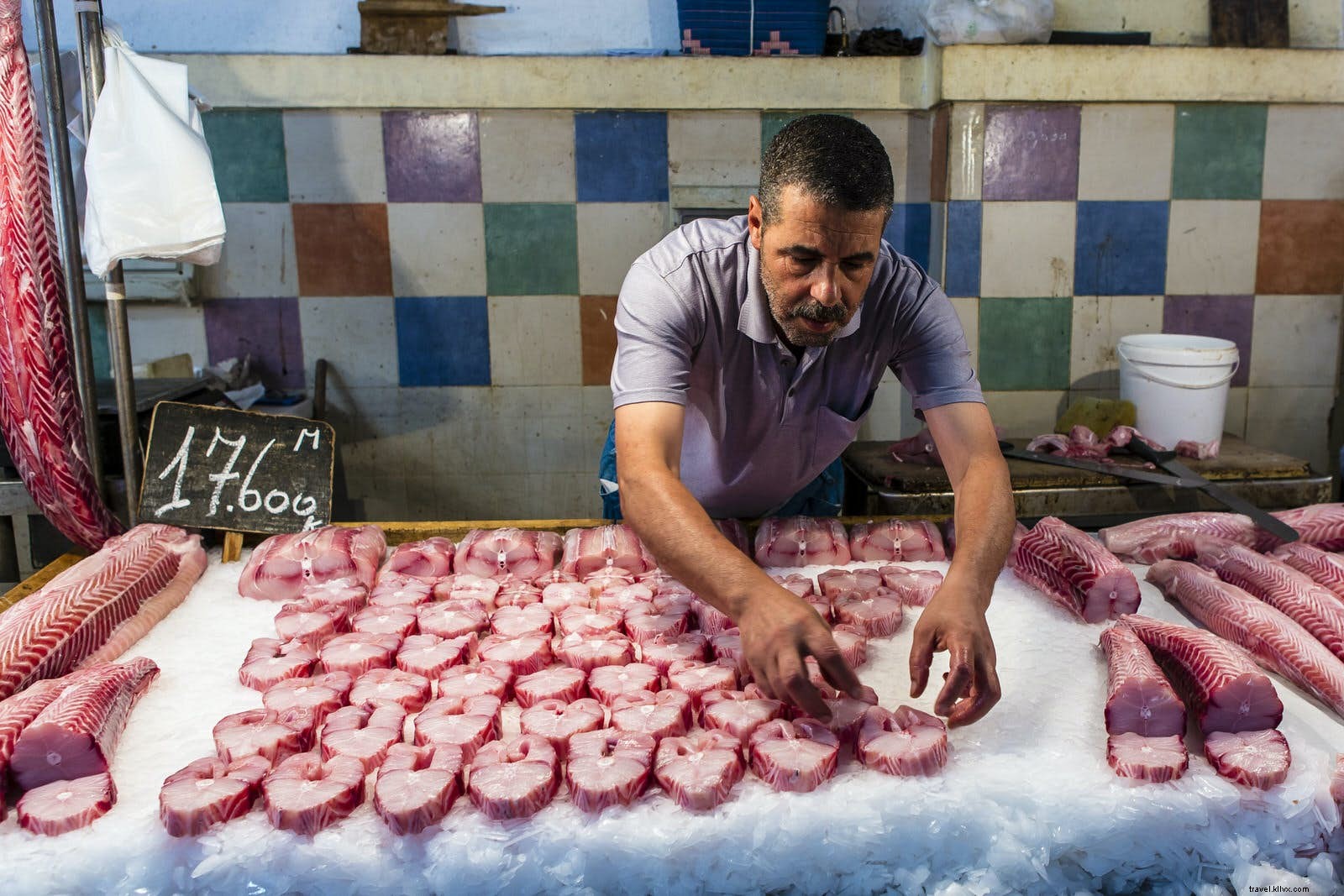
Markets introduce core Tunisian ingredients: harissa (chili paste), tabel (a blend of dried mint, rose petals, ginger, peppercorns, coriander, chili, and spices), Deglet Nour dates, olives, olive oil, and tabouna flatbread. Vendors gladly offer samples.
Savor Home-Cooked Tunisian Meals at a Traditional Dar
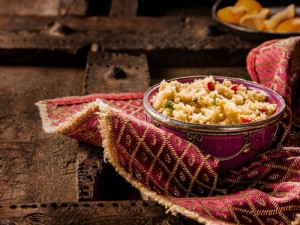
Home cooking surpasses restaurant fare anywhere, and Tunisian cuisine—rich, aromatic, diverse—transcends tourist staples like couscous, kebabs, or brik à l’œuf. Experience authentic flavors at a dar (Arabic for 'home') hotel.
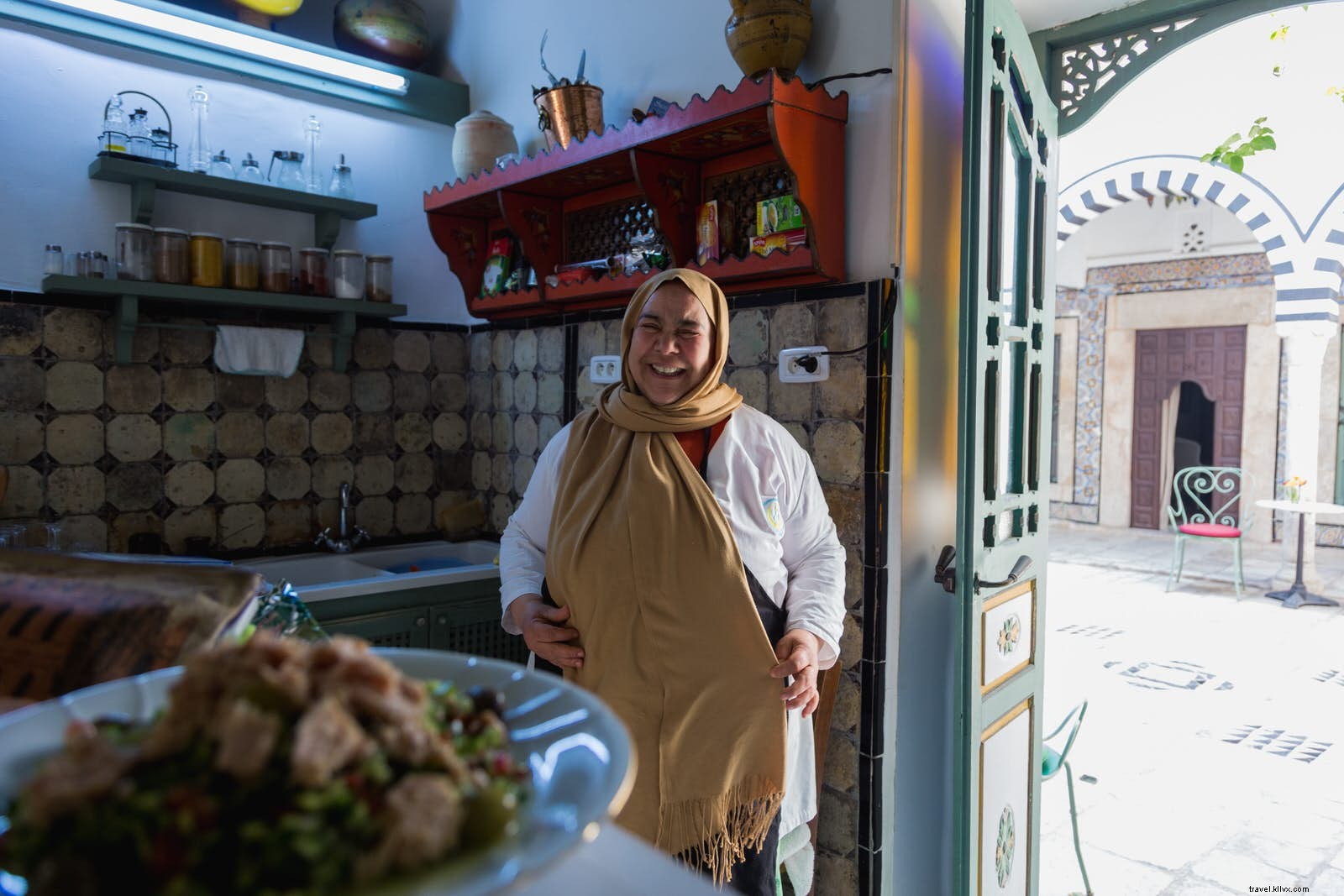
At Dar Ben Gacem in Tunis' medina, enjoy opulent, family-style meals. Chef Amel prepares couscous, Tunisian tajine (baked eggs), slata mechouia (grilled pepper salad), slata tounsia (tomato-cucumber salad), or rouz jerbi (steamed rice with vegetables and chicken). Cooking classes start at Marché Central for fresh ingredients, followed by hands-on lessons with Amel and a translator.
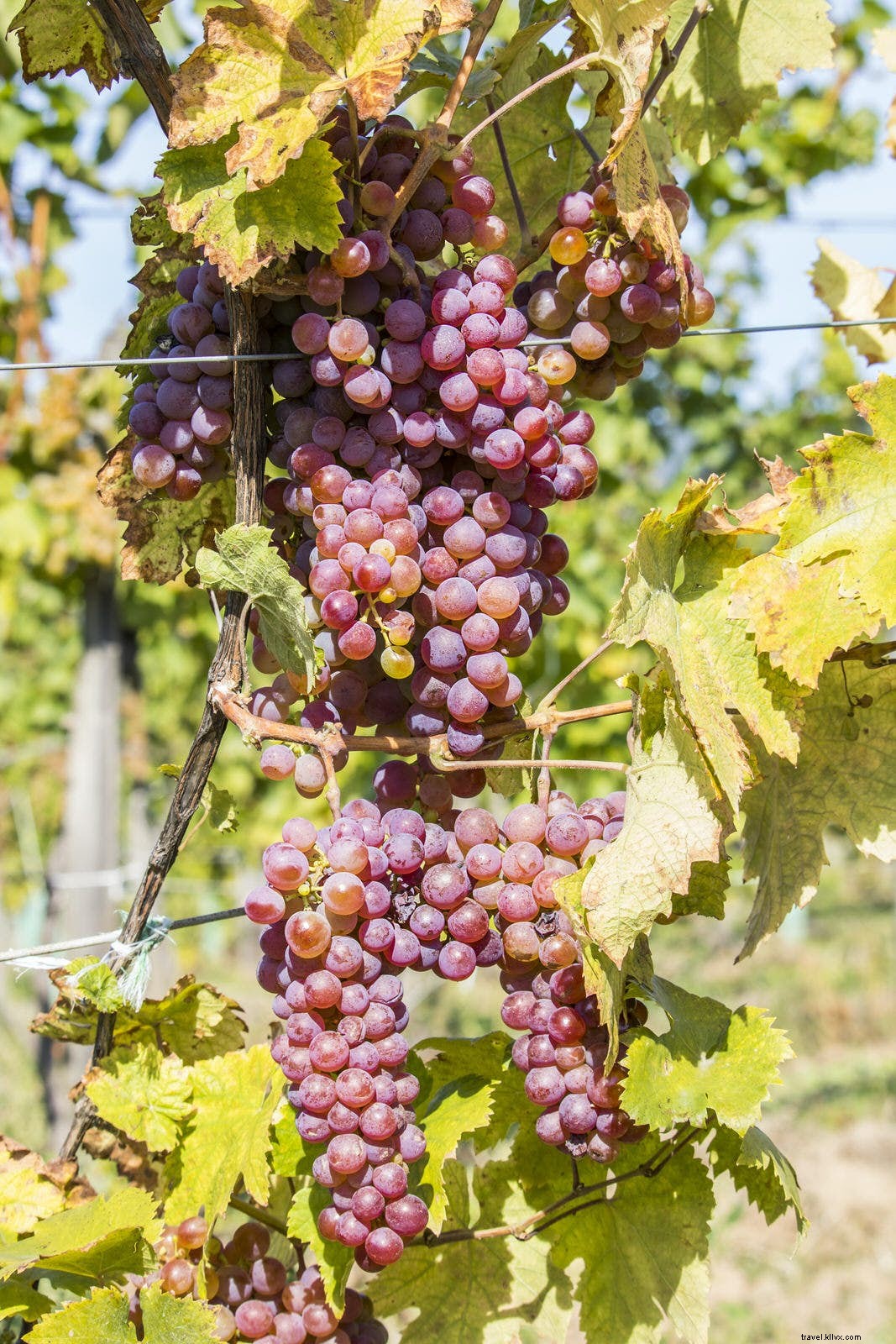
Taste Historic Tunisian Wines Along the Magon Route
Tunisia's winemaking traces to Phoenician Carthage, with seven northern regions defined by unique terroirs. Rosé dominates production.
Launched in 2018, the Magon Wine Route—named for Carthaginian agronomist Mago—pairs tastings with heritage sites, guided by ANIMED experts and oenologists.
Route 1: Start at La Fontaine des Mille Amphores in Mégrine, then Bardo Museum's Roman mosaics. Route 2: Grombalia and Cap Bon's Domaine Neferis in a 19th-century chateau, plus Nabeul's archaeological museum. Route 3: Domaine Kurubis near Korba, with UNESCO-listed Kerkouane ruins and ancient wine press.
Experience Tunisia's World-Class Olive Oils
Carthaginian legacy endures in olive oil; groves cover over a third of Tunisia, a top exporter. Native varieties include fruity Chemlali (Sfax region) and pungent Chetoui (north).
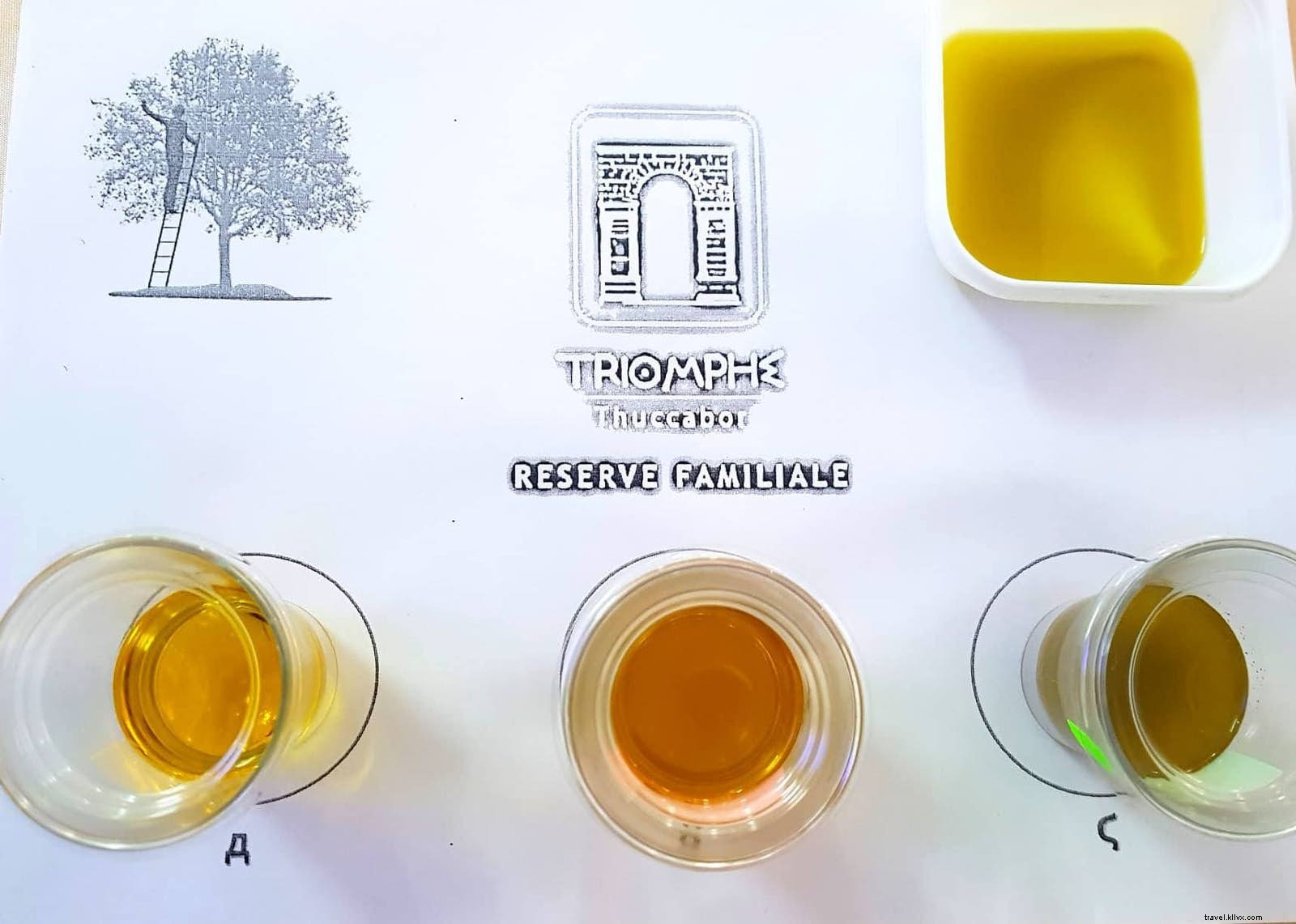
Since 2018, Ben Ismail farm in Toukaber offers Africa's first olive oil bar. Amid Roman Thuccabor ruins, taste award-winning Triomphe Thuccabor Chetoui, tour the mill, join tastings, or stroll groves.
Explore Educational Organic Farms
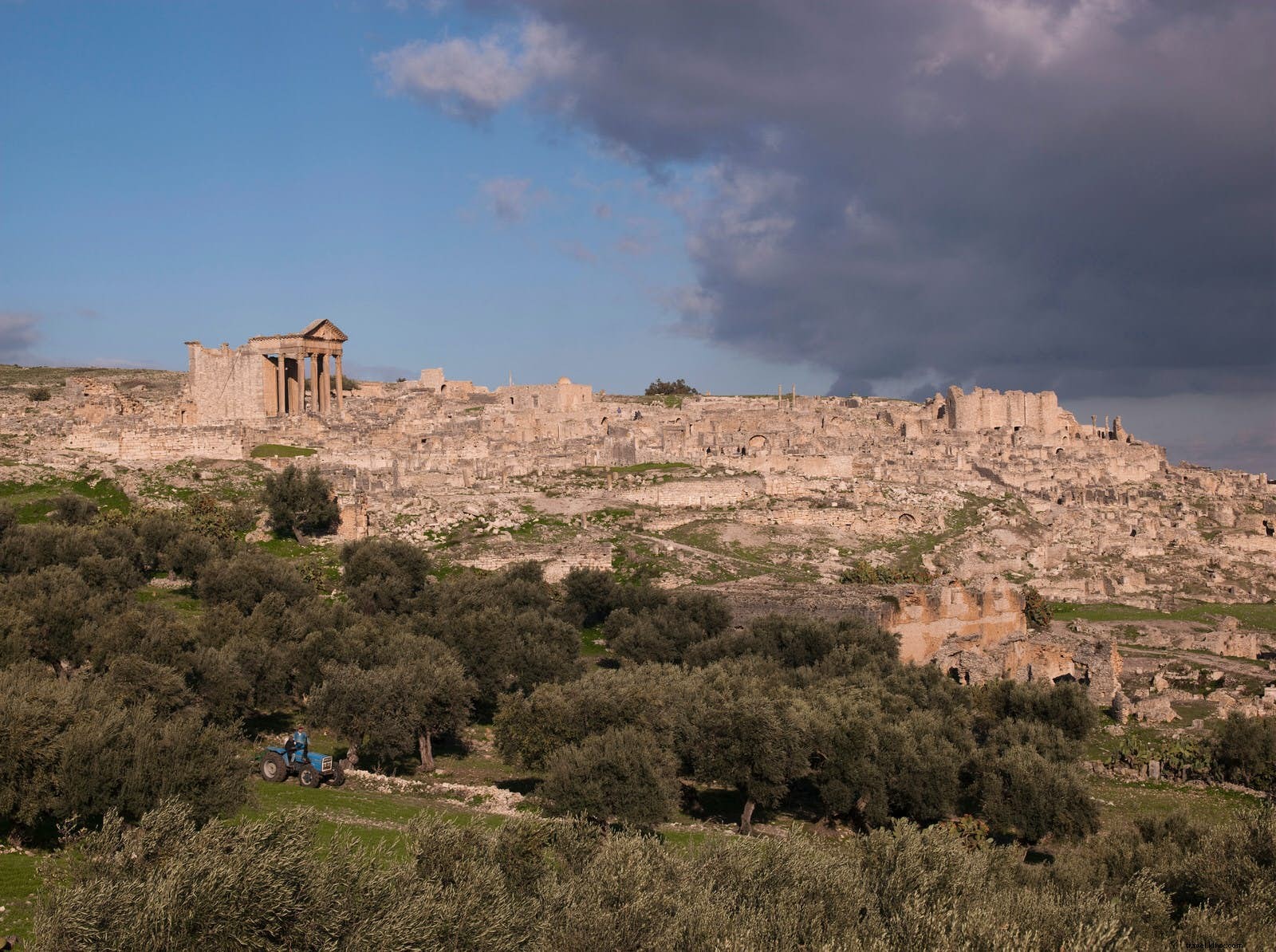
As Africa's second-largest organic exporter, Tunisia blends agriculture and ecotourism. L’Heredium in Tebourba (35km west of Tunis) welcomes visitors Sundays (or weekdays by reservation, September-June) for permaculture insights, brunches with on-site produce, amid century-old olives.
Dar El Henchir near Oueslatia (150km southwest) offers organic meals, olive harvests, honey, rosemary oils, cooking classes, and hikes or bike tours in mountain landscapes.

Plan Your Culinary Journey
Book the Magon Wine Route via ANIMED's Facebook or email (animed.sarl@gmail.com). For broader local adventures, try Tunisian Journeys or Engaging Cultures' Taste Tunisia tours.