Discover Sfax's Historic Medina: Top Attractions, Cafes, Eateries, and Vibrant Souks
Often overlooked by tourists due to its industrial reputation, Sfax boasts Tunisia's smallest and one of its most historic medinas—dating back 1,200 years. This ancient quarter captivates with heritage architecture, bustling markets, authentic eateries, and rich local culture, making it a must-visit for history buffs and food enthusiasts alike.
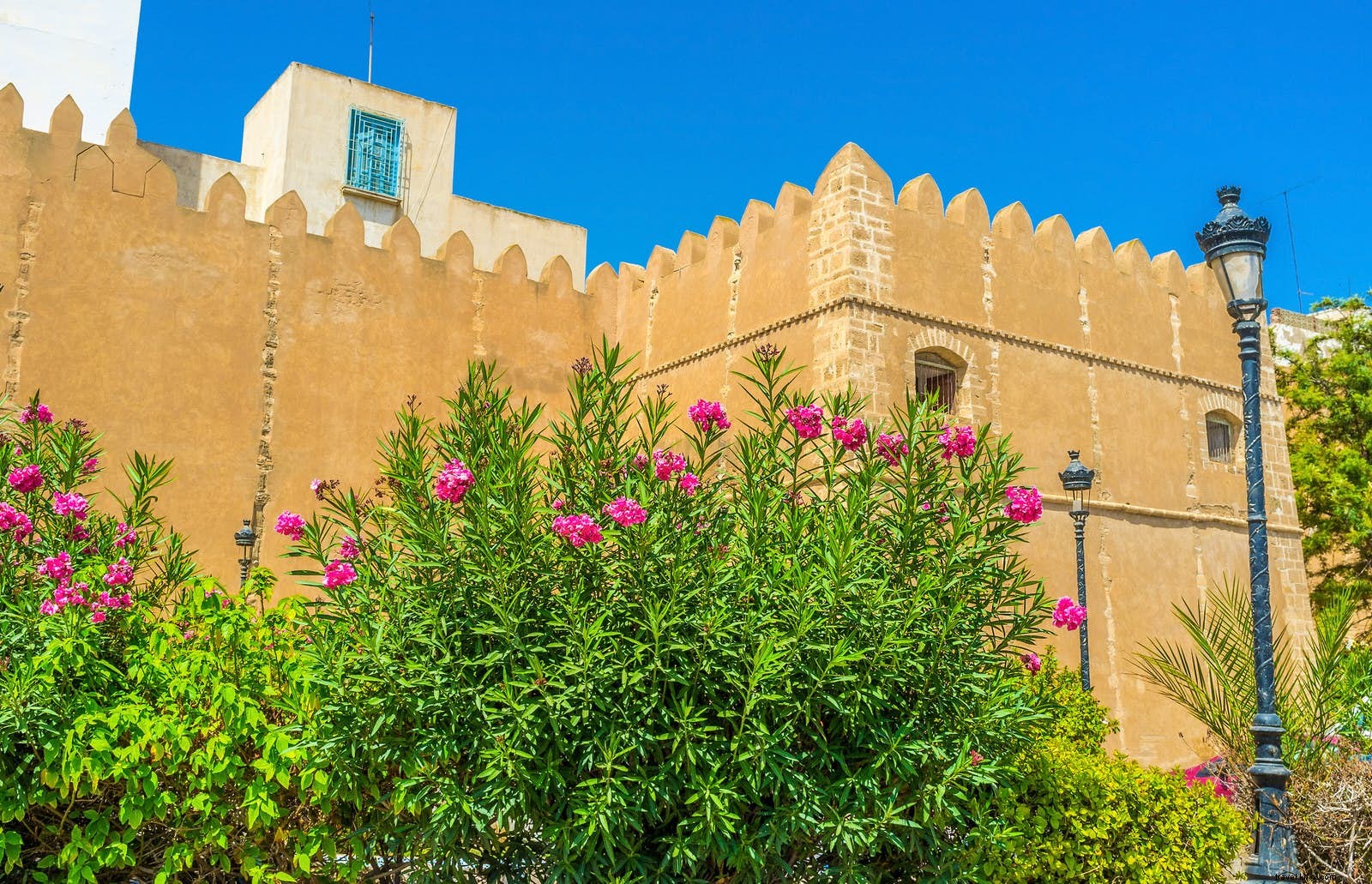
Historically a daytime shopping hub avoided after dark, Sfax's medina has undergone a remarkable revival since Tunisia's 2011 revolution. Community organizations have breathed new life into its urban spaces, transforming it into a vibrant destination for shopping, dining, and cultural immersion amid millennia-old walls, traditional architecture, and artisan workshops.
Here's your guide to uncovering the medina's authentic soul.
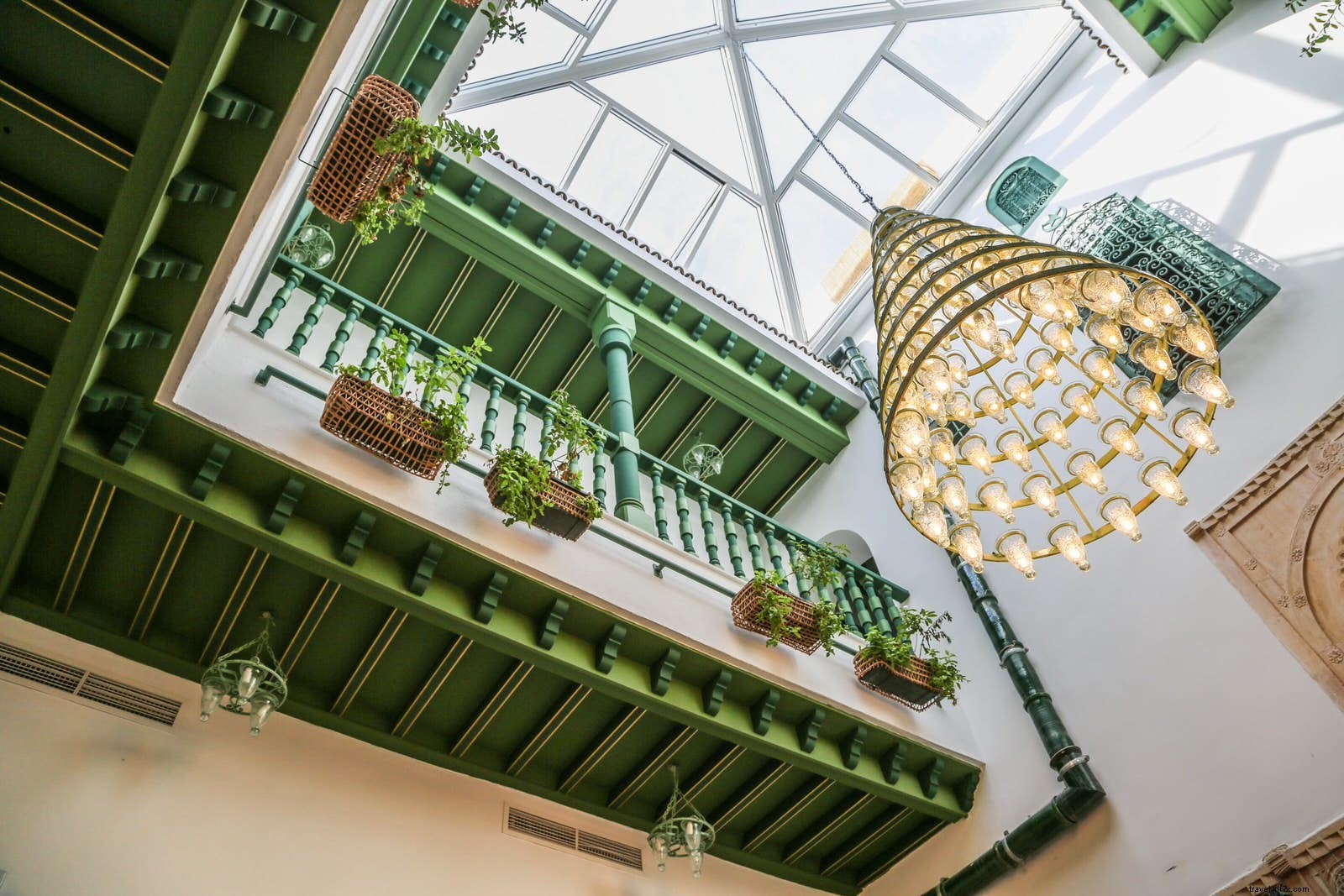
Relax at a Trendy Rooftop Cafe Amid the Medina's Buzz
The medina's resurgence has birthed inviting cafes with rustic, cheerful decor—welcoming spots unlike traditional men-only venues elsewhere in Tunisia. Dar Baya, the medina's sole heritage hotel, features a rooftop cafe with cozy wood-and-wicker seating. Doubles as a cultural hub for storytelling and live music. Enjoy morning coffee as souks awaken or sunset views over terracotta rooftops.
Café Kemour offers lantern-lit stone interiors and multi-level terraces overlooking the medina, where friends gather for potent mint tea.
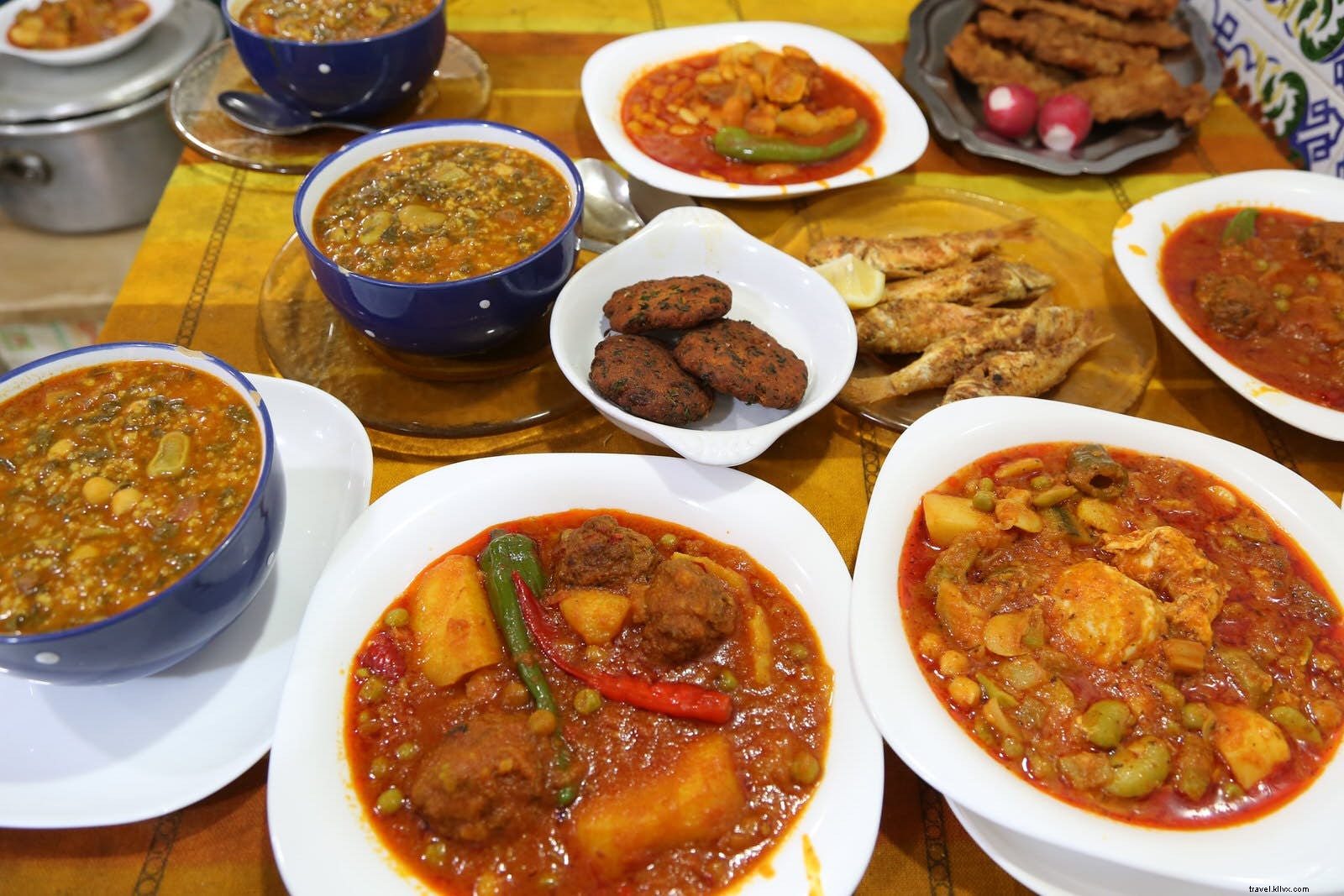
Savor Authentic Tunisian Flavors at Local Eateries
Lunchtime draws workers to medina spots serving home-style meals. Dar Bellaaj, up a tiled stairway in a welcoming tiled space, offers daily seasonal menus: try tomato-based shakshuka or couscous. Plenty of vegetarian options alongside grilled fish, meats, and seafood.
Adar Lekbira's marble courtyard with vibrant zellige tiles once stored shoes; now it serves Tunisian classics. Winter breakfasts shine with pomegranate cereals, honey-drizzled beignets, olive oil bread, and sesame-sugar chamya.
Seafood fans rave about Restaurant Chouaib Le Pêcheur's tiled interiors and freshest catches.
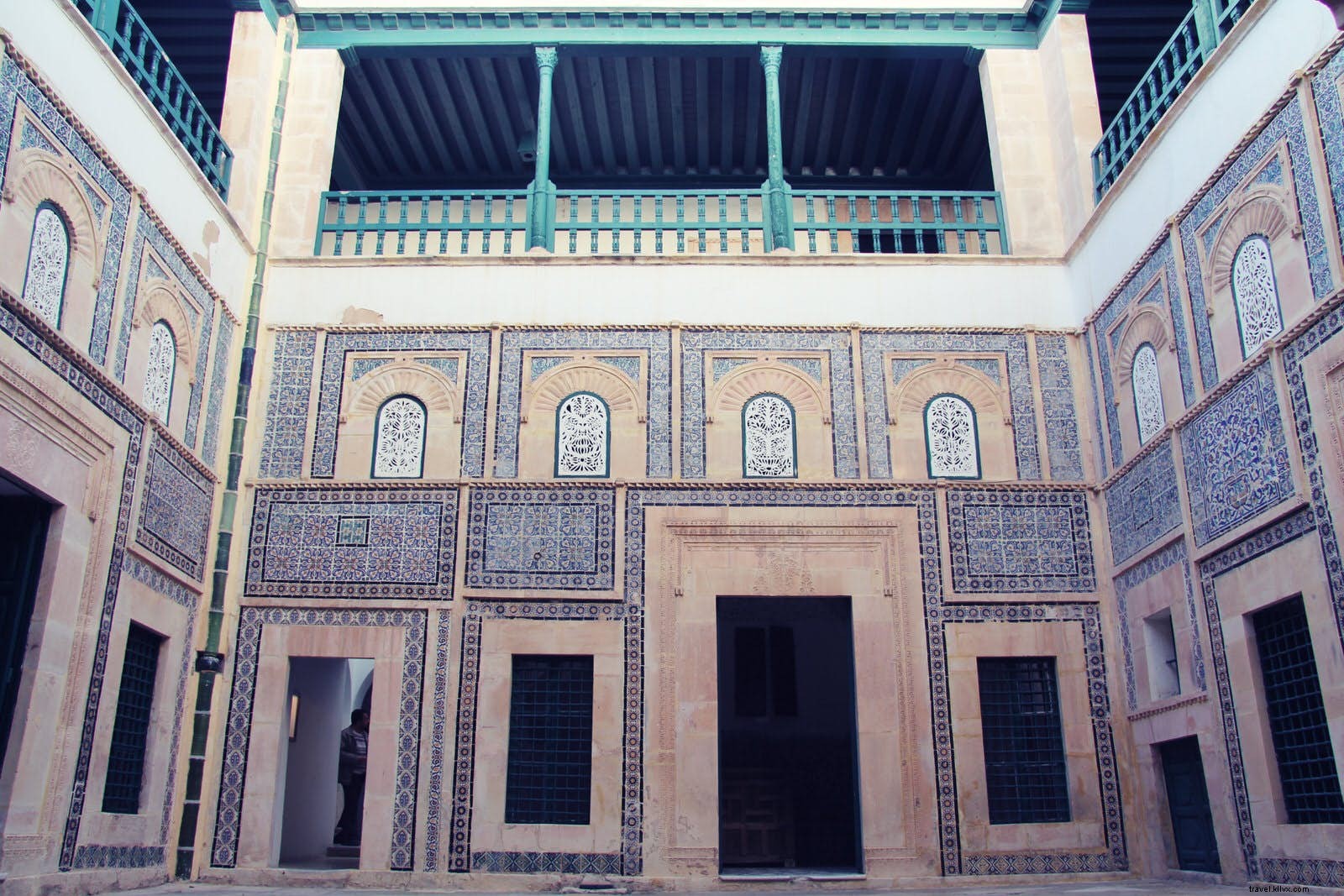
Step Back in Time at a Preserved Heritage House
Dar Jellouli, a 17th-century gem now the Regional Museum of Popular Arts and Traditions, showcases meticulously restored architecture. Its sky-lit courtyard leads to T-shaped rooms with sculpted wooden panels, painted ceilings in gold, black, and scarlet, and Andalusian tiles. Exhibits cover daily life—cooking, bathing, dressing—plus costumes, oil paintings, and Islamic calligraphy.
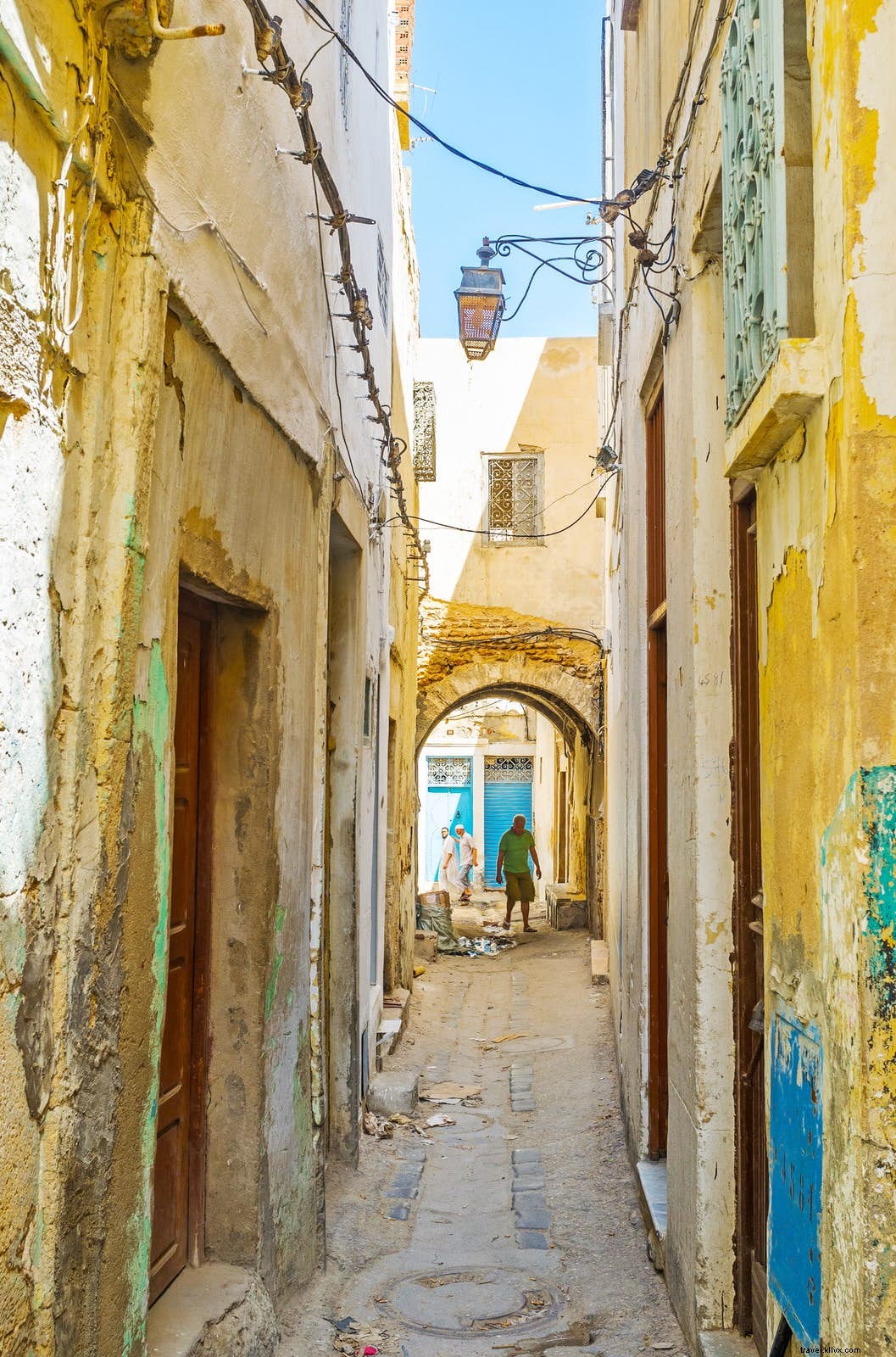
Uncover the Medina's Hidden Stories on a Guided Walk
Local photographer Houcem Boudaya of Hello Tunisia shares the medina's history via walks and his Beb Jebli project. Explore souks, spice markets, and Abdennadher Bakery's wood-fired lafif bread. Watch artisans craft shoes, robes, olive wood tools, instruments, and painted chests.
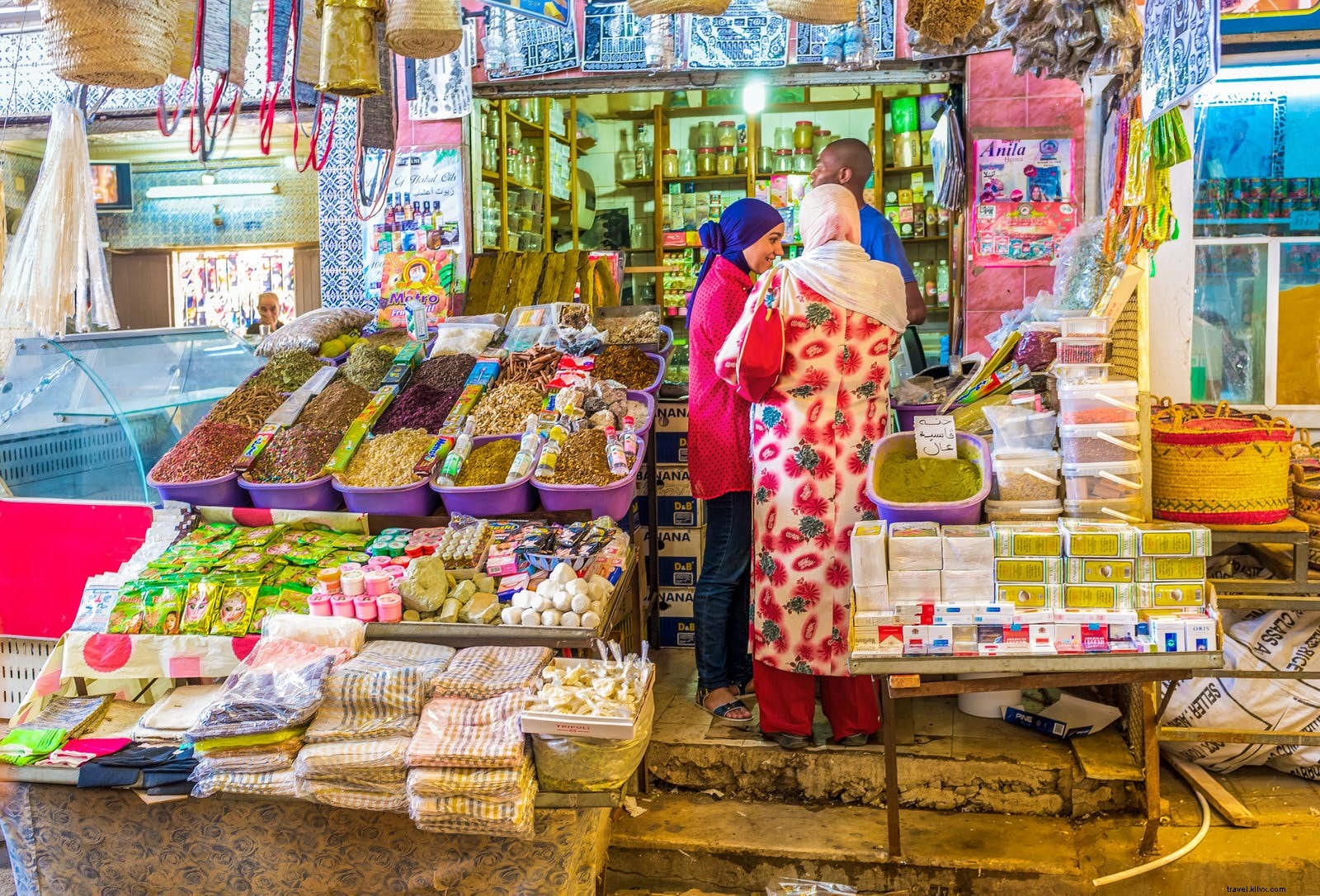
Haggle in the Colorful, Authentic Souks
Over two dozen souks offer local wares, not tourist trinkets. Souq Erbaa (9th century) specializes in textiles; Souq Dhahab in silver/wood; Souq Kamour in incense/herbs; Souq Khayata in sewing goods; Souq Kriaa in household items under striking brick arches.
Funduq El Haddadine, once a traders' inn, now hosts handicraft exhibitions by women entrepreneurs: clothing, sweets, decor.