Discover the Best Dates in Greater Palm Springs: History, Varieties, and Shields Date Gardens
Greater Palm Springs is a premier destination for dates—both the romantic evening kind and the luscious, caramel-sweet fruit that stars in shakes and salads. While palm trees and dates define the region, date palms aren't native here.
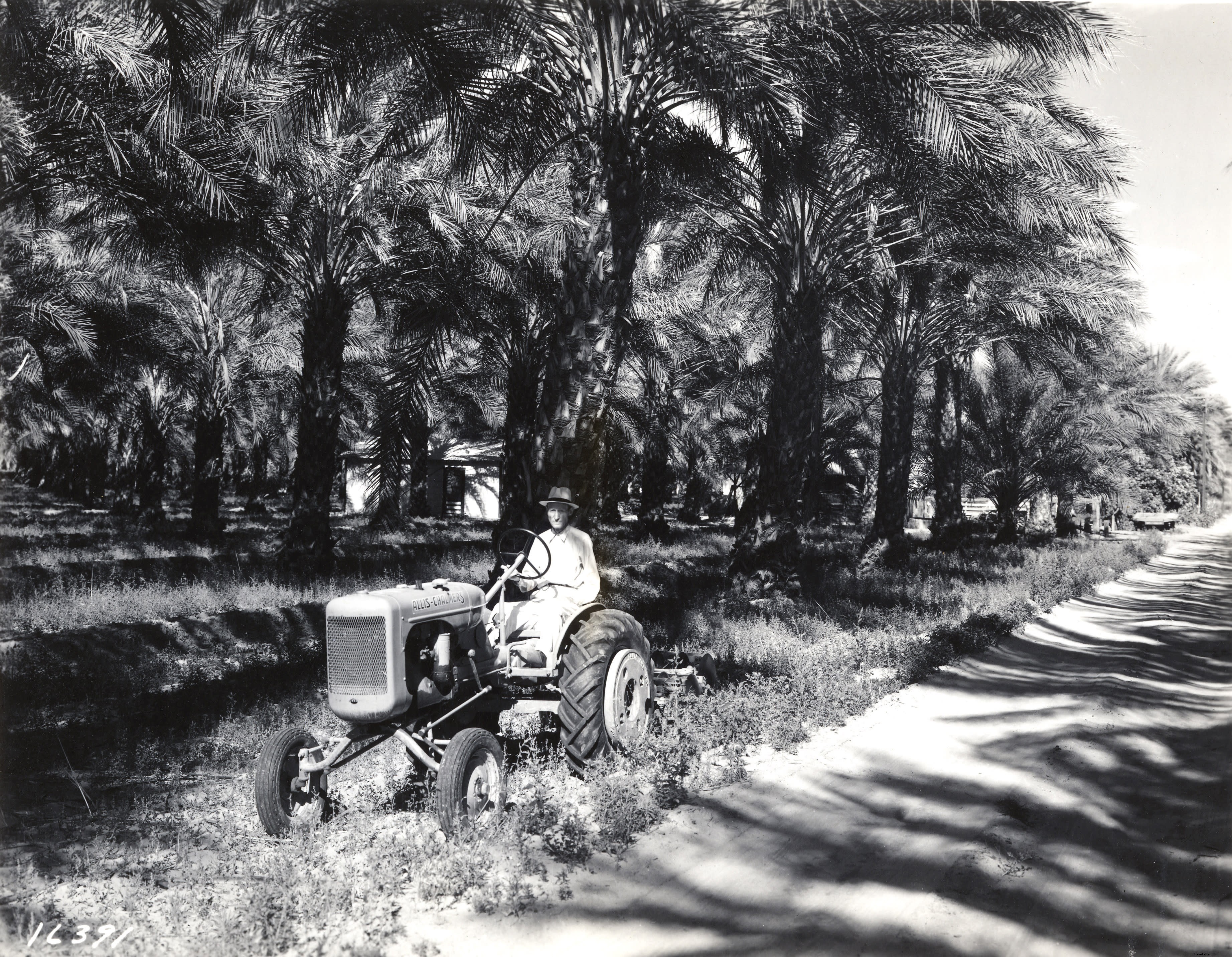
Imported from the Middle East and North Africa in the late 1800s as a USDA experiment, these crops thrived due to the area's desert climate mirroring their homelands. Date palms require arid conditions above ground but ample root water to endure intense heat.
At the turn of the 20th century, Greater Palm Springs became a fertile testing ground for crops, establishing agriculture as a key industry before Hollywood's arrival transformed this exotic oasis.
Over decades, date gardens dotted the valley, their elegant trees with finger-like fronds lending an Arabian ambiance to dusty roads—inspiring the National Date Festival's Arabian Nights theme since 1947.
As road travel boomed in the 1920s, date shops along highways lured adventurers with date shakes and unique products.
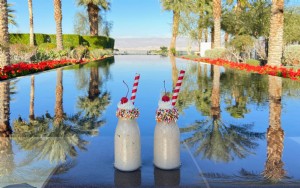
Some shops operated into the 1980s and 1990s, evoking memories of sticky-sweet date bins, caramel flavors like tree-ripened candy, and refreshing shakes under shady palms on hot afternoons.
We recently visited Shields Date Gardens at Highway 111 and Jefferson in Indio for an expert refresher. John Ortiz, wholesale and operations manager, shared invaluable insights.
Dates 101
Dates have sustained Middle Eastern cultures for millennia, cultivated in Mesopotamia and Egypt since 4000 BCE. While 600 varieties exist worldwide, only select types grow in Greater Palm Springs.
The dominant Deglet Noor—'date of light' in Arabic—is amber-hued, elongated, thin-skinned, and mildly caramel-flavored. Most retail versions are hydrated and pitted.
The prized Medjool is large, soft, and creamy like caramel candy, with subtypes like extra-sweet Sugar Medjools (rutab stage), massive Royal Medjools, and mellower soft varieties.
Shields' Barhi dates shine in the khalal (pre-ripe) stage: crisp, apple-like, yellow, available briefly in August—sometimes on the branch. They ripen to soft, dark brown sweetness.
Proprietary Shields varieties include the light, honey-hued 'blonde' and richer dark 'brunette' dates, ideal for eating or their date crystals/sugar used in famous shakes. Available in 1.5- to 5-pound packages.
Other Shields-grown types: smooth Khadrawy and Halawy; flavor-packed black Abbata; light, honey-flavored rounds; and dry Thoory for baking.
Spot date palms by their feather-like fronds versus native fan palms. Scientific name: Phoenix dactylifera ('finger-bearing').
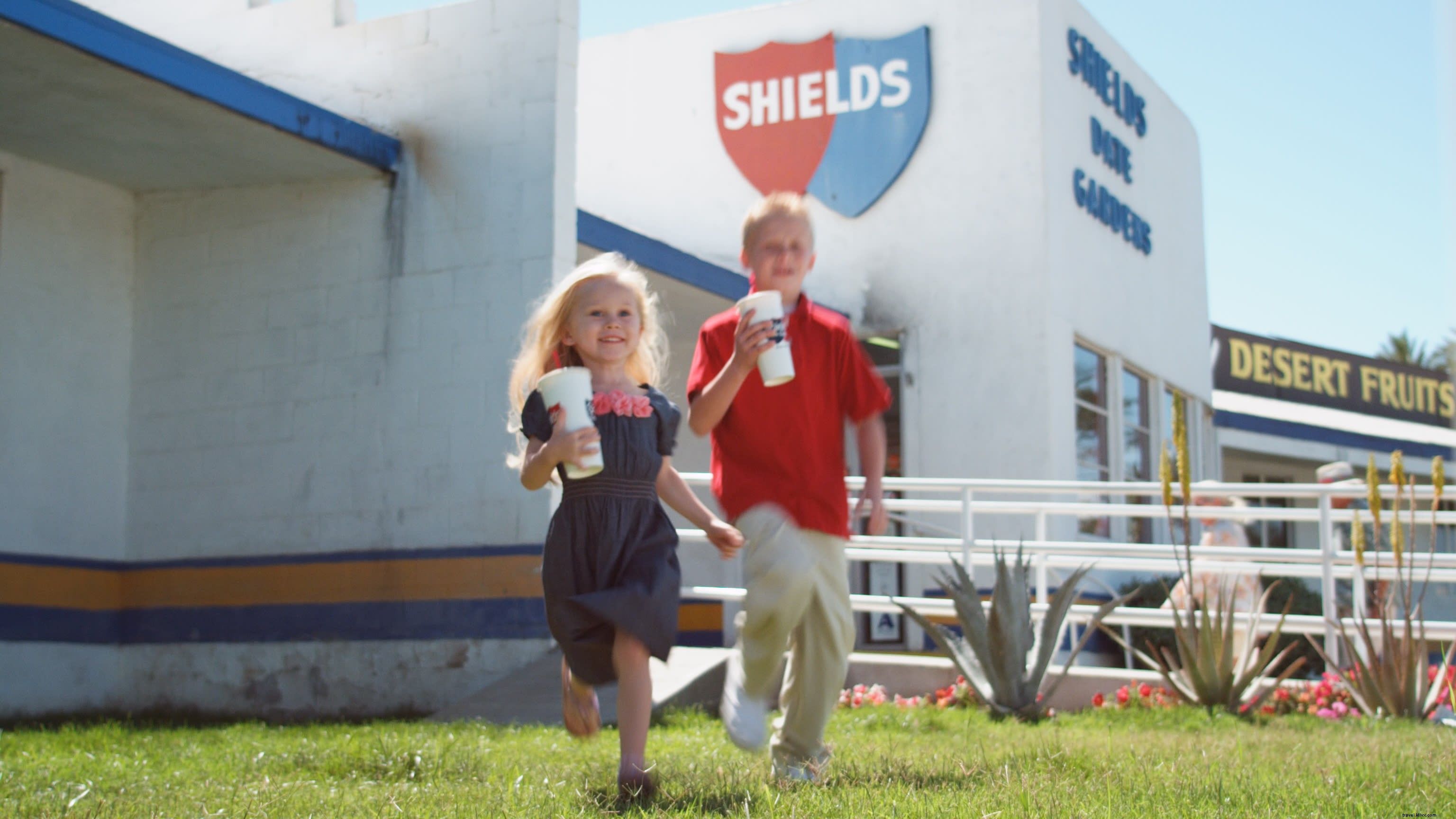
Nostalgia preserved Shields Date Gardens from urban development.
Eight years ago, the aging retail store, packing house, date groves, and Mrs. Shields' rose garden faced demolition for housing or retail. The 1930s-era building—once General Patton's LA hospital—teetered on the brink.
Community outcry saved it: Shields was the last original date shop on Highway 111, its knight sign a landmark. Memories of the quirky 'Romance and Sex Life of the Date' film and first shakes fueled the fight.
Jewel Dates, owned by the Young family of date farmers, restored it: updating the shop, adding a café, a dining patio with roses, walking paths, and Jesus-themed sculptures.
The iconic film continues, now digitized with updated Greater Palm Springs date industry facts.