Nagasaki Food Guide: Explore the City’s Global Culinary Heritage
As the only major port open to international trade during Japan's period of isolation, Nagasaki has a rich and cosmopolitan history that is also reflected in the city's cuisine. Many of Nagasaki's specialties have their roots in different parts of the world including China and the West.
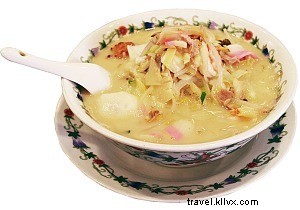
Chanpon
Chanpon is a noodle dish with Chinese roots that is synonymous with Nagasaki. The dish varies between restaurants but typically consists of fried seafood, pork and vegetables in a rich pork and or chicken bone broth with noodles. This eclectic, sometimes seemingly ad-hoc mix of ingredients has traditionally been viewed in the region as an inexpensive, healthy and delicious stomach filler.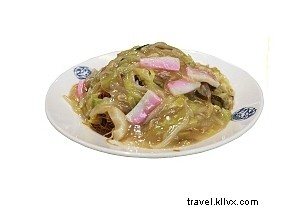
Sara Udon
Sara Udon literally translated as "plate noodles" and is a dish in which a mixture of meat and vegetables are placed atop a bed of crispy fried noodles. As with chanpon, the dish and type of noodles used differ from restaurant to restaurant.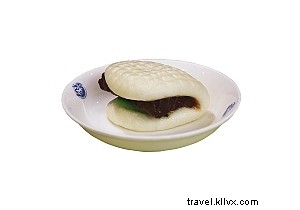
Kakuni Manju
Another dish with Chinese roots, Kakuni Manju consists of a thick slice of pork belly placed in a soft bread bun. The meat is simmered in soy sauce, dashi, sake, sugar and mirin for a long time at a low temperature to make it extra tender. Kakuni Manju is served both as a restaurant dish and as street food.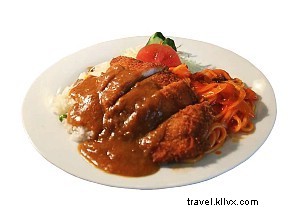
Toruko Rice
Varying widely from restaurant to restaurant, this Western-inspired dish typically consists of pilaf rice and spaghetti accompanied by a breadcrumb pork cutlet topped with Japanese-style curry. This delicious meal is said to get its name, which translates as "Turkish Rice", from the way it represents the meeting of The East and The West.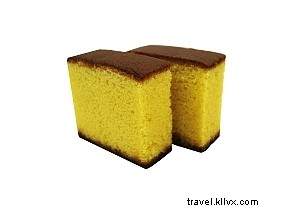
Castella
Nagasaki's quintessential desert, Castella is a sponge cake made from flour, sugar and eggs. The confectionery was introduced to Nagasaki by Portuguese missionaries hundreds of years ago and since then has remained popular. The cake is today mostly bought from shops, usually coming packed in a long box. It is commonly given as a souvenir.
Explore Fukuoka's Culinary Highlights: A Guide to Must‑Try Local Cuisine
Discover Kagoshima's Satsuma Cuisine: A Culinary Journey