Beyond Bourbon Street: Discover Authentic New Orleans Neighborhoods and Experiences
While Bourbon Street's open-container laws appeal to revelers sipping drinks on the go, this iconic strip was once the pulsing heart of New Orleans, alive with nightly celebrations.
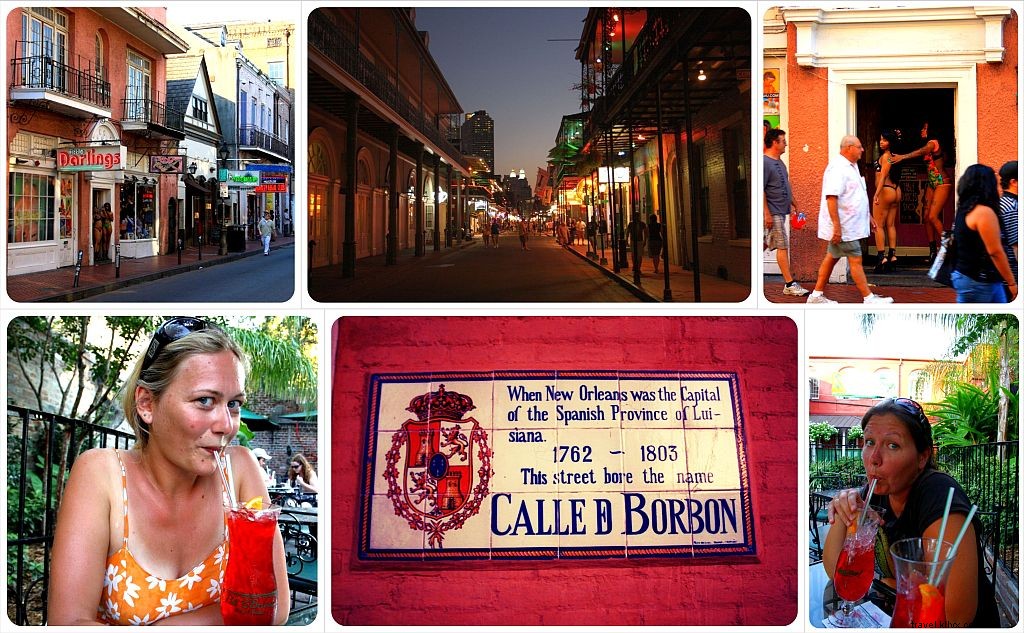
During our extensive trip to New Orleans, Bourbon Street was a must-see, but after enjoying overpriced Hurricanes at Pat O’Brien’s and watching tourists spill out of garish clubs, we pressed on—walking, cycling, and riding further afield.
 What we uncovered were neighborhoods as distinctive and vibrant as the city itself, overflowing with culture, elegance, and a style that sparked an unexpected passion for New Orleans. Read on for our expert tips on exploring beyond Bourbon Street for a truly memorable visit.
Explore the French Quarter
In America's most unique city, New Orleans constantly evoked global destinations. This was especially true in the French Quarter—but not for the obvious reasons.
Bourbon Street sits within the French Quarter, so a short stroll reveals quiet side streets lined with stunning colonial architecture. Surprisingly, Spanish influence rivals the French here (Spain ruled from 1762–1803). Street signs ('Rues' in French) feature decorative Spanish tiles like those in Madrid. After two major fires in the late 1700s, Spanish elements—such as wrought-iron balconies and central courtyards—replaced much French design. Today, most of the Quarter's 2,900 buildings blend Creole, Greek Revival, or post-1803 Victorian styles. It reminded us of Casco Viejo in Panama City.
Dine and Shop at the French Market
A favorite among tourists and locals, the French Market lies in the French Quarter near Jackson Square, extending to the Mississippi River.
Established as a trading post in 1791—where Native Americans bartered herbs and spices with French, Spanish, Italian, German, and Caribbean settlers—it's now famed for Café du Monde. There, we savored beignets with chicory coffee, served by an all-Chinese staff. Only in New Orleans.
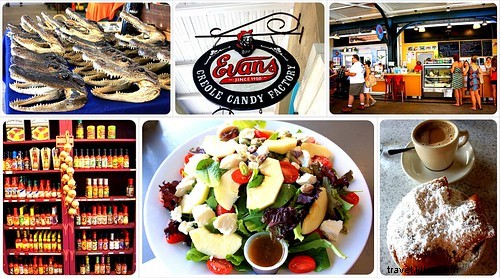 The expansive market includes a European-style food hall (where we enjoyed fresh salads) and a flea market with souvenirs and local music. Browsing vinyl and CDs uncovers gems from New Orleans artists—stars and unsung heroes playing small venues nightly. New Orleanians embody unmatched city pride (rivaled only by New Yorkers), deeply connected to their history and music scene. Transplants arrive intentionally, often rivaling locals in passion.
Faubourg Marigny
One golden afternoon, we biked through Faubourg Marigny as the intense sun began to set.
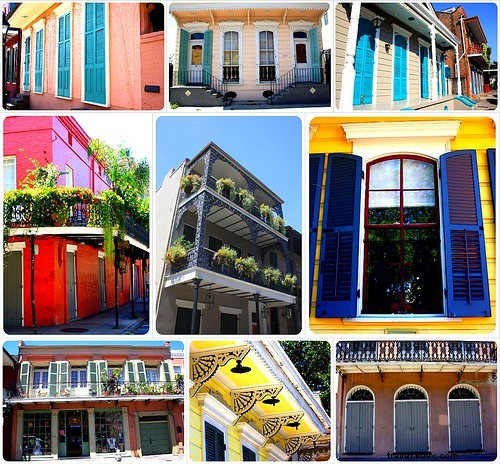
The warm light bathed classic Creole cottages—reminiscent of Belize's clapboard homes—each reflecting residents' care. Some colorful bungalows show age, while others boast manicured gardens and front-porch rockers.
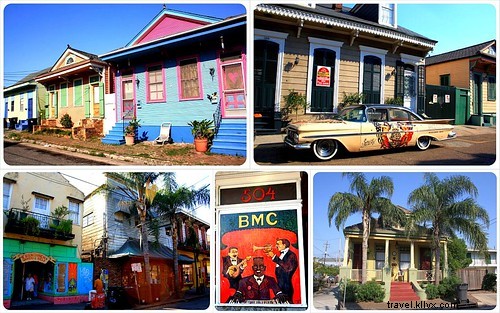 Once the French Quarter's Dixieland jazz hub, Marigny's Frenchman Street now reigns as New Orleans' live music epicenter. Locals prefer tourists stick to Bourbon Street.
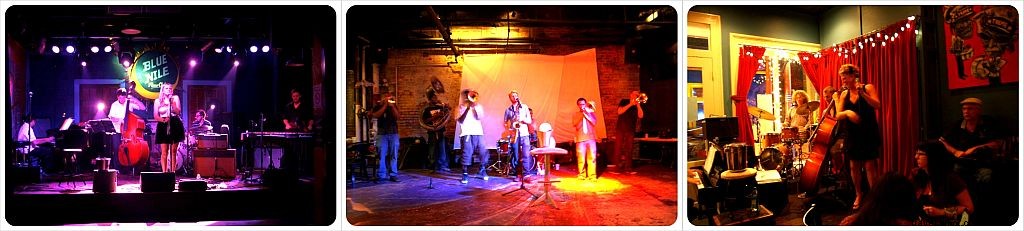
Our unforgettable night on Frenchman Street capped our 30-day road trip from New York. Music spilled from every bar; crowds mingled on sidewalks. Vintage styles met leather-clad bikers in genuine camaraderie—like scenes from 1940s films. We bar-hopped to jazz, blues, and funk bands, ending with a epic jam featuring trombones, electric guitar, trumpets, and tubas. Players spanned races, ages, and styles in hipster jeans and baggy pants. It was a scene unique to Frenchman Street.
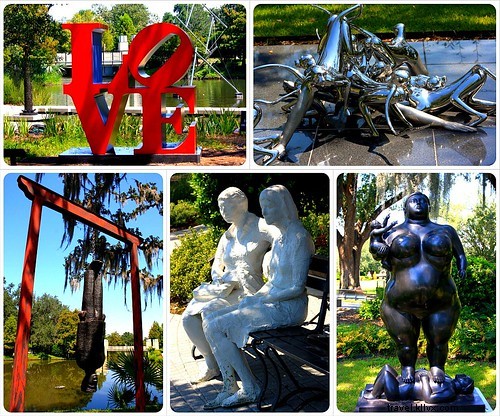
Outdoor Art at the Sydney and Walda Besthoff Sculpture Garden
Creativity continued at the Sydney and Walda Besthoff Sculpture Garden. We biked there for breezy paths amid 60+ world-class sculptures—free, open daily, ideal for peaceful escapes.
Magazine Street
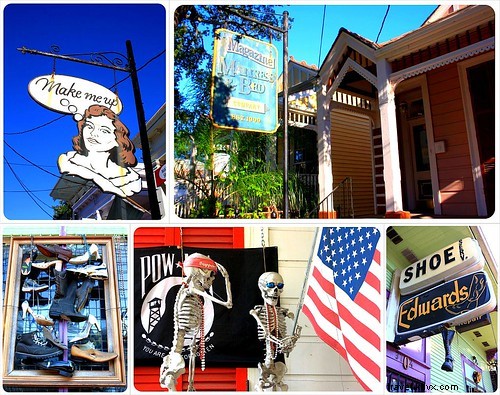
Unlike London's Fleet Street (once a media hub), Magazine Street derives from the French 'magasin' for shop. We strolled miles, browsing hundreds of unique boutiques and eateries evoking a charming small-town vibe.
Cemeteries and Voodoo
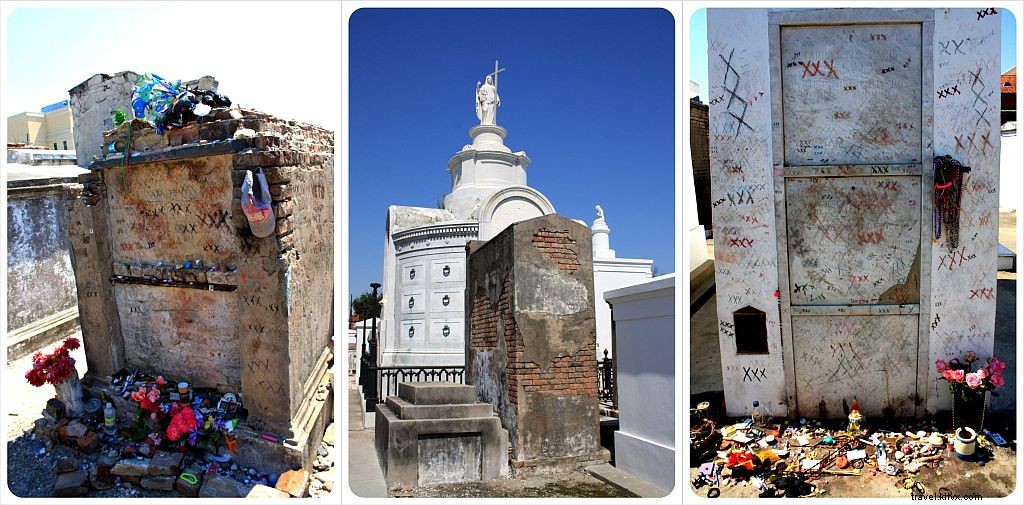
New Orleans' cemeteries stand out: Built on swampland, white above-ground tombs mimic Latin American 'cities of the dead.' St. Louis Cemetery No. 1 on Basin Street is walkable from the French Quarter.
It's the resting place of Voodoo Queen Marie Laveau—her tomb marked by X's and offerings like liquor, cigarettes, and oddly, lip balm.
 A Catholic oracle, Laveau blended West African Voodoo with French, Spanish, and Creole traditions from her French Quarter cottage. Believers still seek her favors; gamblers invoke her name. Unofficially, her grave draws more visitors than Elvis' at Graceland.
How to Explore Beyond Bourbon Street
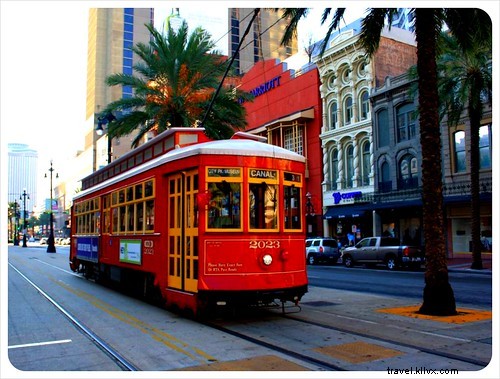
Streetcar: Iconic lines offer efficient transit; ride end-to-end for the full experience.
 Bicycle: Flat terrain makes it bike-friendly (skip midday summer heat). We rented from American Bike Rental in the French Quarter—complete with maps of safe routes.
Where to Stay in New Orleans
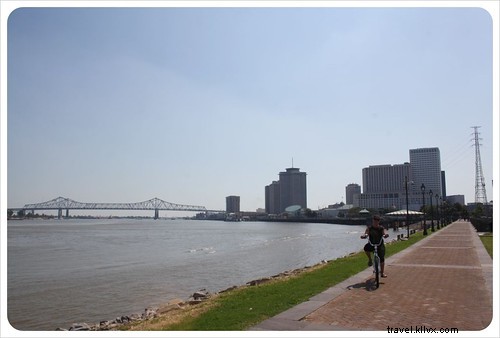
International chains cluster in Downtown on the Mississippi's west bank. Boutique hotels fill the French Quarter, but for broader access, try Faubourg Lafayette or the Warehouse District south of Downtown.
For the Garden District, opt for Airbnbs or B&Bs like:
- Garden District Bed & Breakfast – Historic home on Magazine Street. Doubles from $115/night, breakfast included.
- JT’s Hidden Gem – Cozy holiday home. Doubles from $119/night.
- Luxury Historic Shotgun Home – Two-bedroom rental in Lower Garden District. From $119/night.