
Discover 8 Stunning Wineries to Visit in Tuscany: A Wine Lover's Guide
Wine has enchanted humanity since at least the 9th century BC, celebrated for its rich body, effervescence, and aromatic bouquet. Across the world, prime lands have been devoted to grape cultivation, with families nurturing these vines across generations. In Tuscany, Italy's premier wine region, historic estates uphold this legacy. Discover our selection of 8 breathtaking wineries that combine stunning landscapes, exceptional wines, and immersive experiences.
Castello di Ama
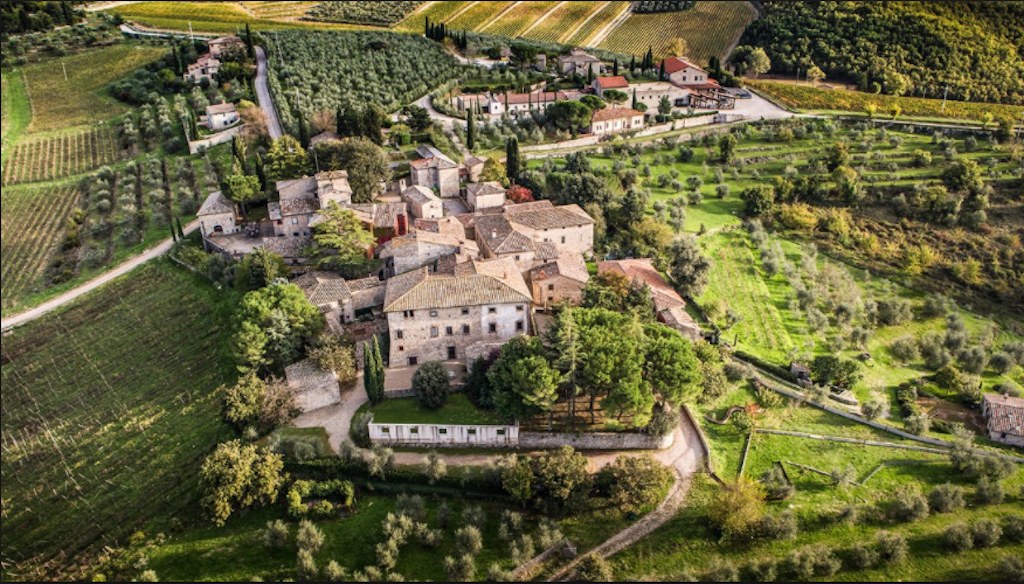
Nestled in the hamlet of Ama, this estate traces its roots to a 16th-century farming and winemaking hub managed by local families. Revived in the 1970s by visionary families, Castello di Ama produces world-class Chianti Classico. Guided tours reveal the winery's operations, local history—including ancient chapels and 18th-century villas—and emphasize how the surrounding terroir shapes the wine.
Explore our guide to 20 of the Most Beautiful Places to Visit in Tuscany
Poggio Antico
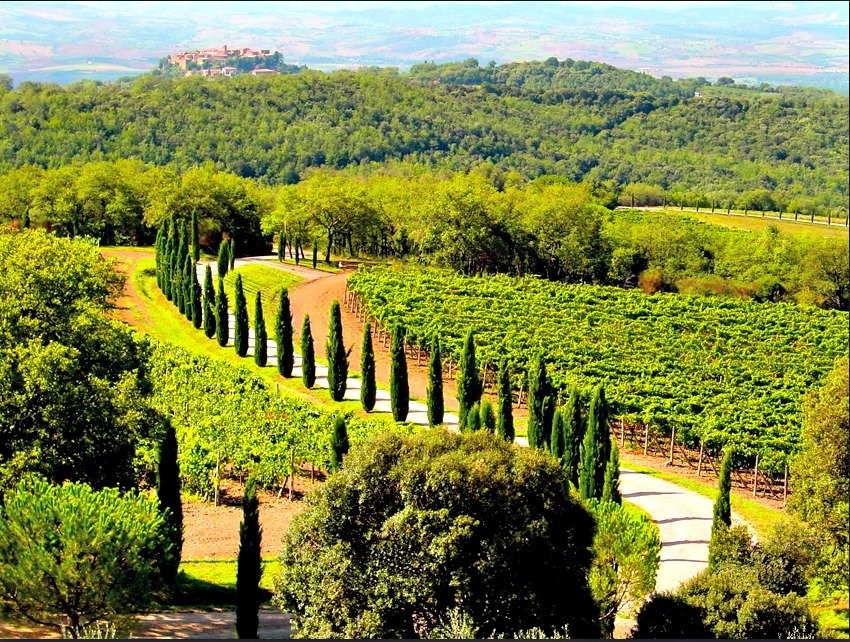
Poggio Antico exemplifies excellence through passionate stewardship, respect for nature, and idyllic Tuscan scenery. Development began in the late 1970s with a state-of-the-art cellar. This commitment to quality and flavor has yielded some of Tuscany's most acclaimed wines.
Castiglion del Bosco
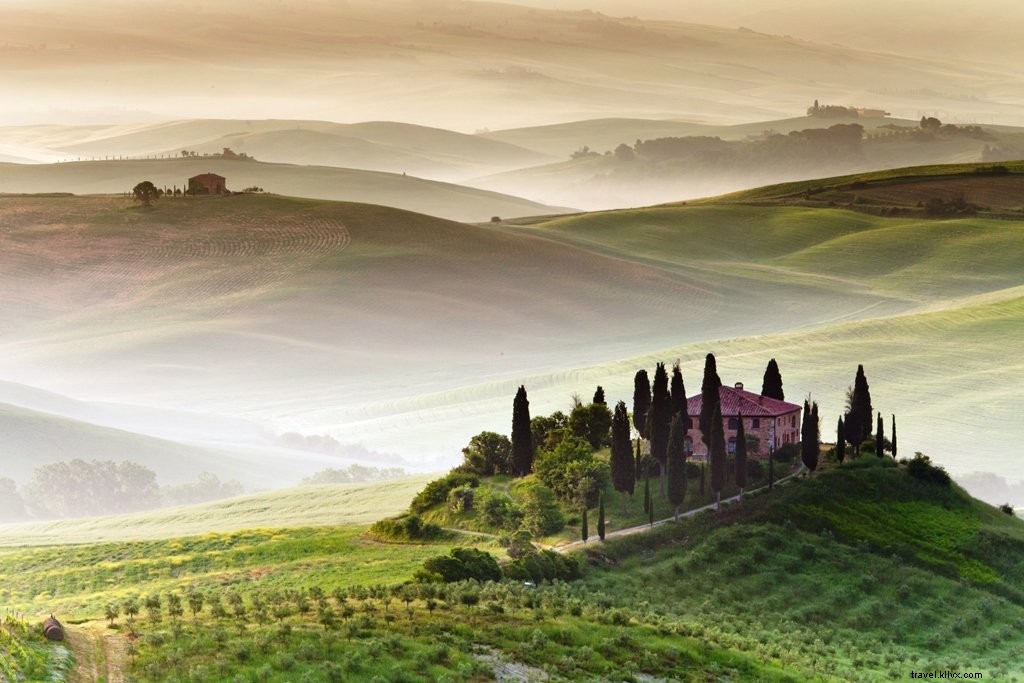
Tucked hillside and discreetly hidden, Castiglion del Bosco's modern cellar maximizes grape potential, with meticulous selection ensuring premium bottles. Join a comprehensive guided tour or become a Wine Club member to connect with their global community.
Capezzana
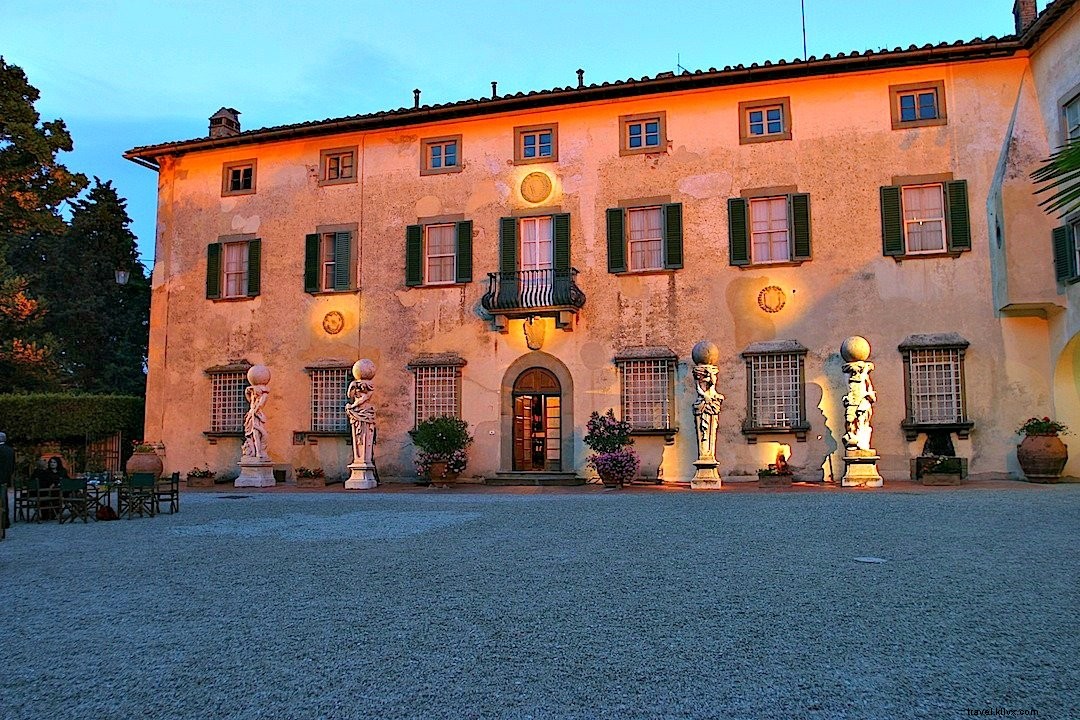
Carmignano's vines date to pre-Roman times, evolving under luminaries like the Medici, Biscotti, and Rothschild families. Today, the Contini Bonacossi family leads, crafting world-renowned wines rich in history and heritage.
Poggio al Casone
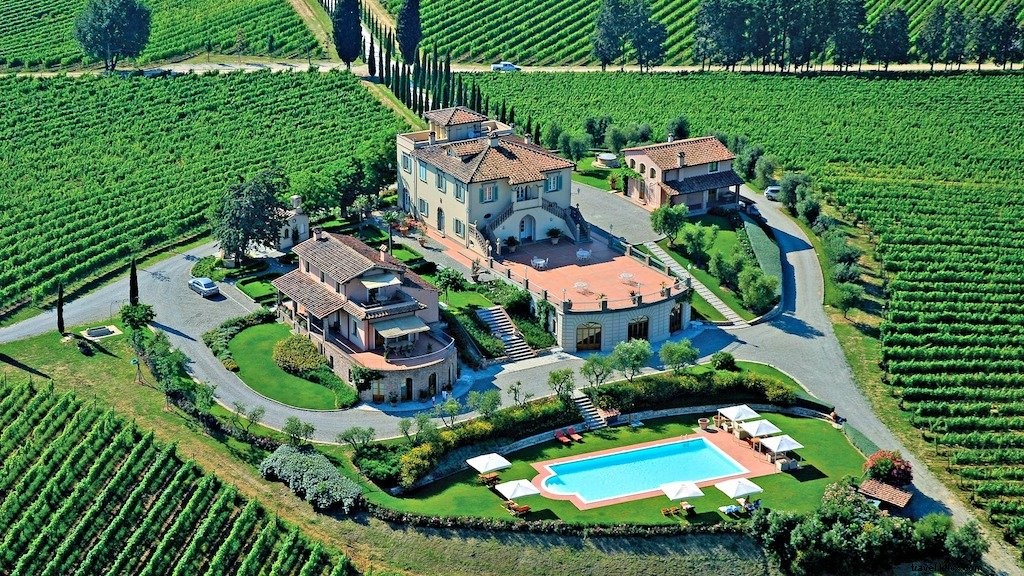
Renovated in the 1960s by Vespa inventor Sarti and later by the Castellani family, Poggio al Casone is a Chianti coast icon. It hosts University of Pisa's experimental vineyards for local vine preservation. Visitors enjoy cooking classes, harvests, tastings, and unique yoga among the vines—for a holistic experience.
Castello Banfi
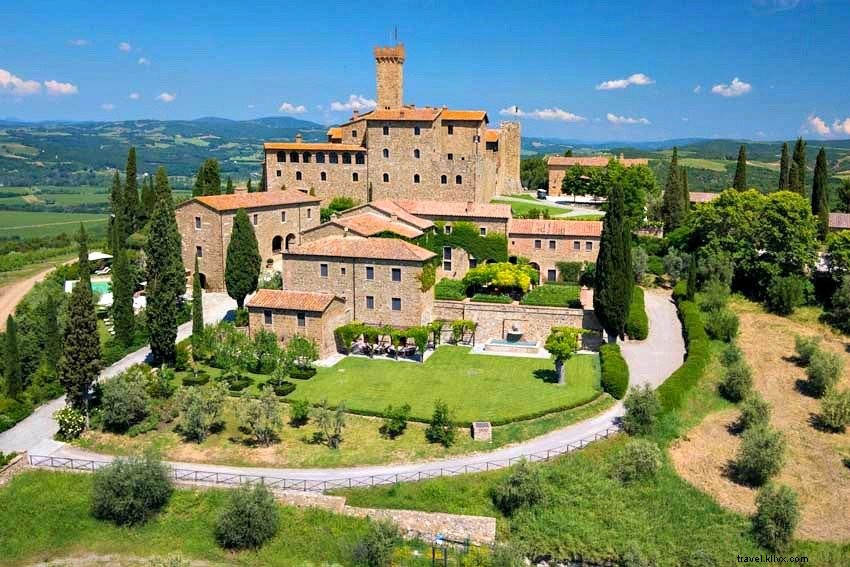
Founded in 1978 by brothers John and Harry Mariani, this innovative estate blends cutting-edge science with premium winemaking. Committed to sustainability, it features a micro-winery and welcomes daily guided tours.
Avignonesi
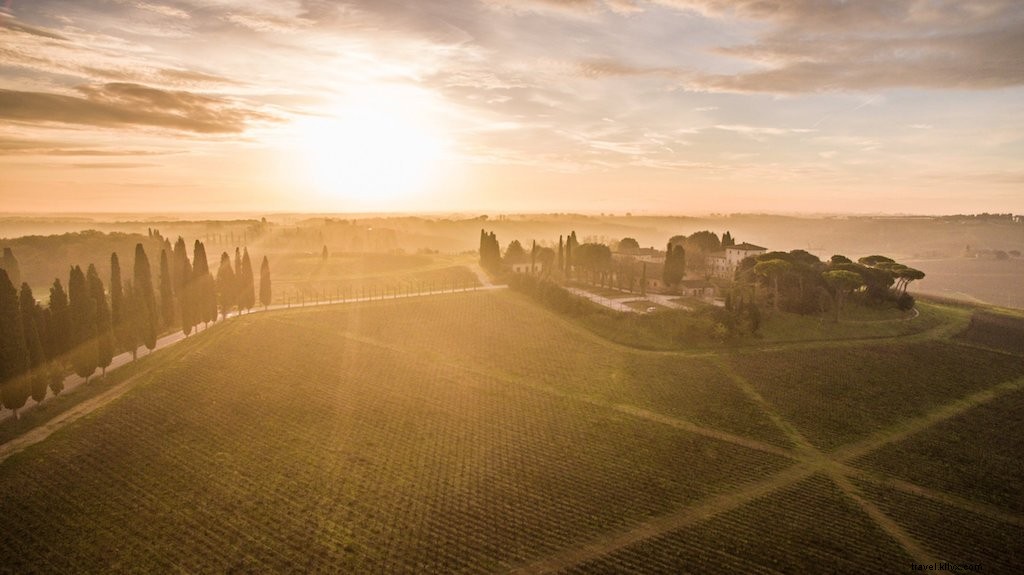
Guided by the philosophy "terroir talks, we listen," Avignonesi fosters a seamless vine-environment bond for unparalleled wines. Sample at their wine bars in Antwerp or London, then tour the Tuscan estate.
Barone Ricasoli
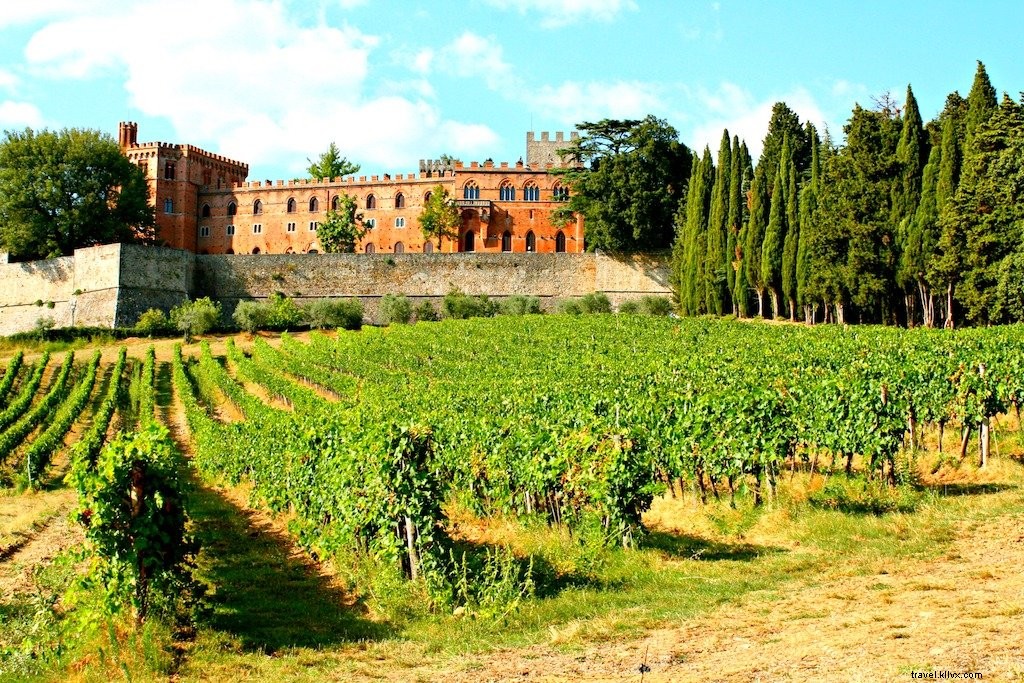
Home to Brolio Castle, Chianti Classico's largest winery, this estate spans 1,200 hectares where Baron Bettino Ricasoli formulated the Chianti recipe in 1872. Over 200 hectares of vineyards supply iconic wines. Enjoy guided tours or customized experiences.
Where to Stay in Tuscany
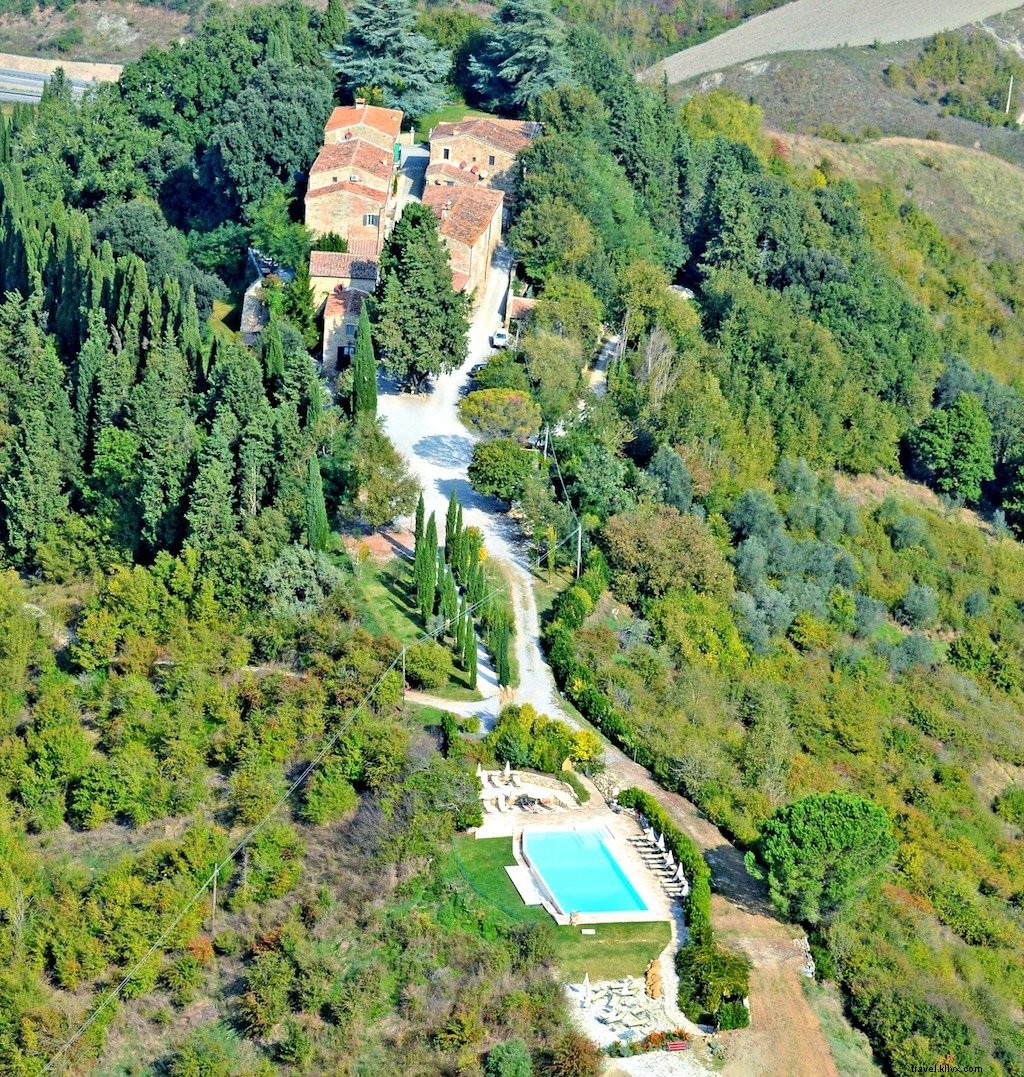
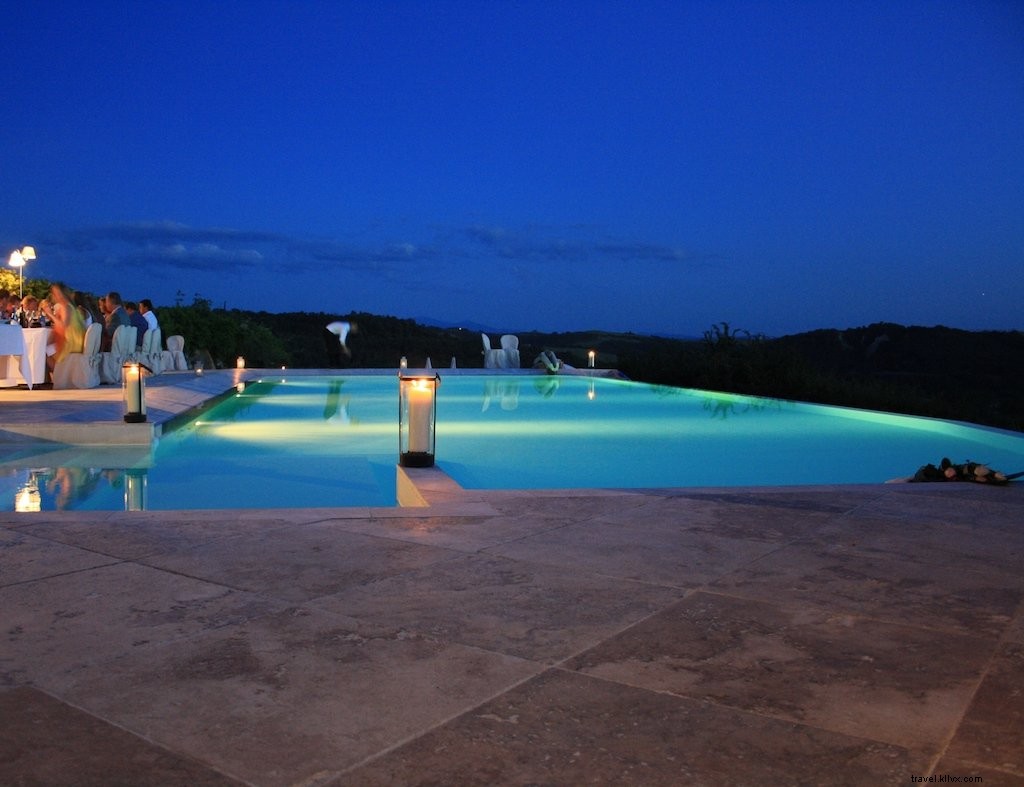
I stayed at the enchanting Laticastelli Country Relais, a hilltop medieval village retreat designed for dreamlike escapes from daily stress. Wake to panoramic views, relax in flower-filled gardens, dine at La Taverna Toscana with sunset vistas, and unwind by the breathtaking infinity pool. It's a vibrant hub blending cultures amid Tuscan splendor.