
Institute Woods: A Serene 589-Acre Forest Haven for Trails and Birdwatching Near Princeton
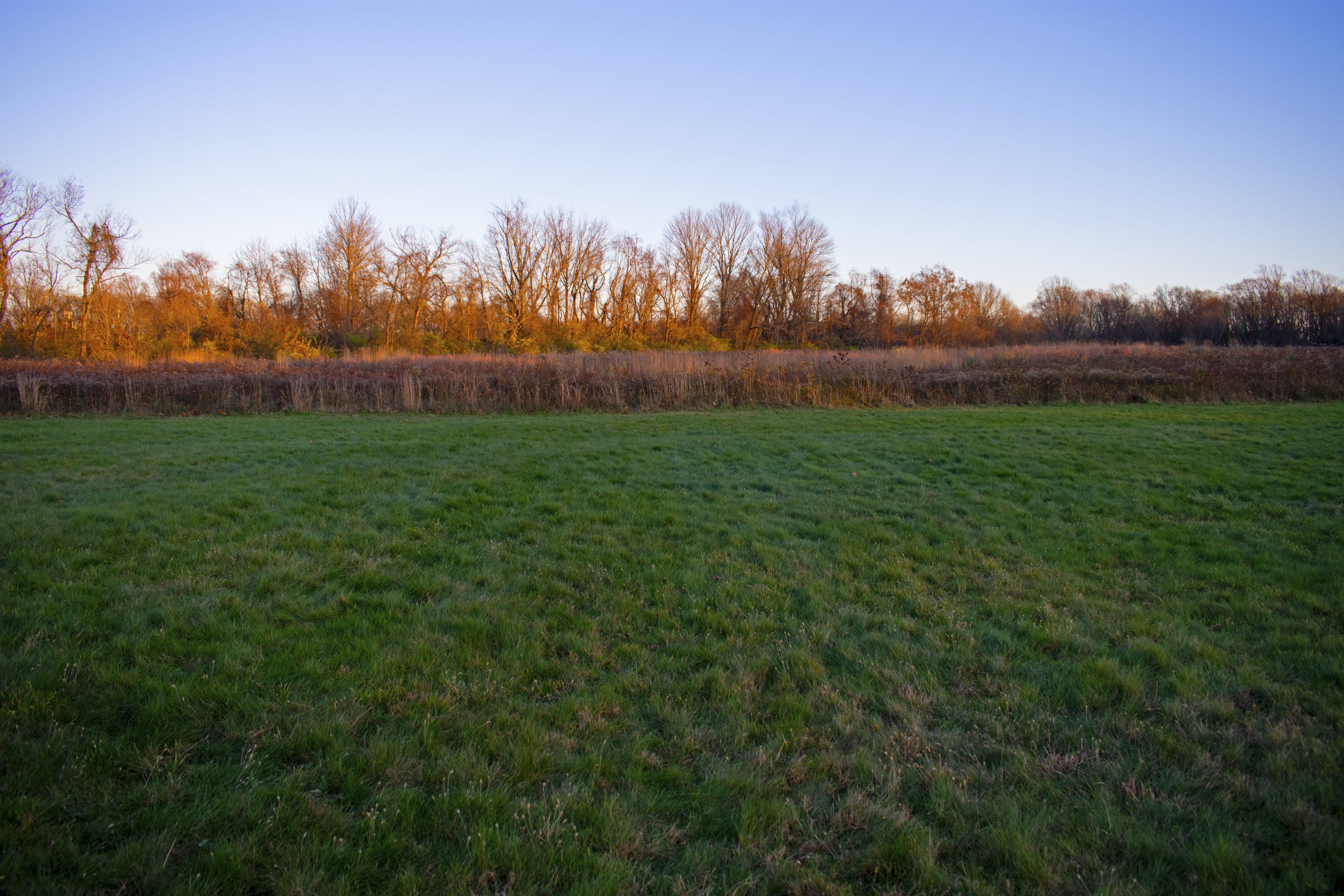
New Jersey boasts roughly two million acres of forests, offering endless wooded trails. Yet few rival the unexpected charm of Institute Woods in Mercer County, adjacent to Princeton University.
Spanning 589 acres managed by the Institute for Advanced Study—with free public access year-round—this preserve features 13 miles of trails perfect for walking, running, biking, and cross-country skiing.
Trails vary in width and use, but the generally flat terrain lets you savor the surroundings: 45 tree species like beech, hickory, pine, sweet gum, maple, dogwood, oak, and tulip poplar thrive here.
A southwestern brook, floodplains bursting with wildflowers, and diverse topography attract abundant wildlife, making it a naturalist's paradise.

History
The independent Institute for Advanced Study—unaffiliated with Princeton University—was established in 1930 by Louis Bamberger and Caroline Bamberger Fuld. Albert Einstein joined as one of its inaugural professors.
Envisioned as a sanctuary for scholars and wildlife, the surrounding lands were acquired from 1936 to 1945. In 1997, the Institute formalized its stewardship via a conservation easement with New Jersey's Green Acres program, enhancing regional open spaces.
Things to Do
A premier birdwatching destination year-round, Institute Woods serves as a migration stopover in spring and fall, plus summer breeding grounds. Over 190 bird species have been documented, including up to 30 warbler varieties in a single day. Peak times: May migrations and the annual Christmas Bird Count.
The grid-like trail system, marked by color-coded initials on trees, ensures easy navigation. The Trolley Track Trail—a well-maintained gravel path—runs east-west atop the grid, near the Princeton Battlefield and Institute campus.
Below it lie the central Pipeline Trail and the southern River’s Edge Trail (muddy and narrow at times) along Stony Brook. North-south connectors include Cornfield Trail (west), Far Trail, Middle Trail, Founders’ Walk, and Near Trail.
Fool’s Trail loops behind the battlefield; Marsh Trail skirts the southeast wildlife refuge.
A highlight: the swaying swinging bridge at Founders’ Walk's south end. With wire handrails, it delivers a thrilling yet safe crossing over the brook.
Nearby Attractions
Institute Woods links key sites: Princeton Battlefield State Park's open fields to the northwest (site of General Hugh Mercer's fall); the Institute's tranquil campus pond to the northeast; Charles H. Rogers Wildlife Refuge's observation platform to the southeast; and the Delaware and Raritan Canal towpath to the south.
Parking and Access
Park at Princeton Battlefield State Park (500 Mercer St.), half a mile southwest of Mercer Street and Olden Lane. Avoid GPS routing to private campus roads.
From the lot, access via Stony Brook Meeting House path (Pipeline Trail end) or behind Clark House Museum (to Trolley Track Trail). Subtle stone markers guide you. Pedestrians from Princeton enter at Olden Lane or West Drive ends.
No fees or hours, but no overnight stays. Respect nature: avoid disturbing plants, guard against Lyme disease (prevalent regionally), watch for fallen trees, and bugs at dusk.

Beyond Institute Woods
Pair your visit with Princeton University (two miles north on Mercer to Nassau Street). Tour via FitzRandolph Gate: see Nassau Hall (colonial-era stone giant, 1756), Cleveland Tower (173-ft carillon landmark), and Fountain of Freedom sculpture.
Shop and dine on Nassau Street and Palmer Square; discover Dohm Alley's art. Follow the 70-mile Delaware and Raritan Canal Towpath.
Extend to Mercer County gems: Grounds For Sculpture, Terhune Orchards Vineyard & Winery, Sayen House and Gardens, or Grape Escape for winemaking.
Dining Options
Pack snacks and water for the woods; nearby eateries require a short drive.
Upscale: Yankee Doodle Tap Room, Witherspoon Grill, The Peacock Inn. Casual/campus: Jammin’ Crepes, Mamoun’s Falafel, Taste of Mexico (picnic under trees). Essential: The Bent Spoon's creative flavors like cardamom ginger or carrot cake.